Artwork
Charles Wayman
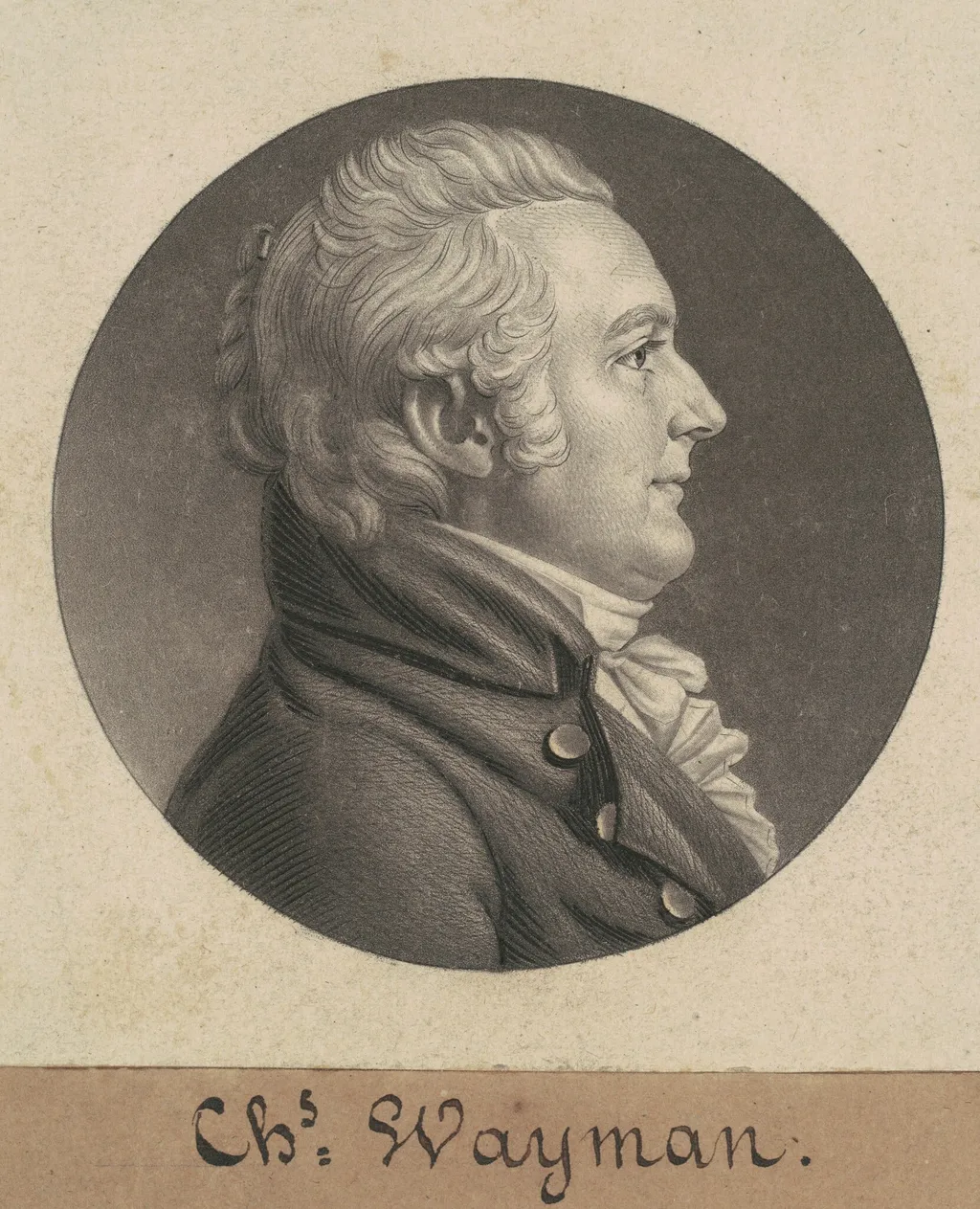
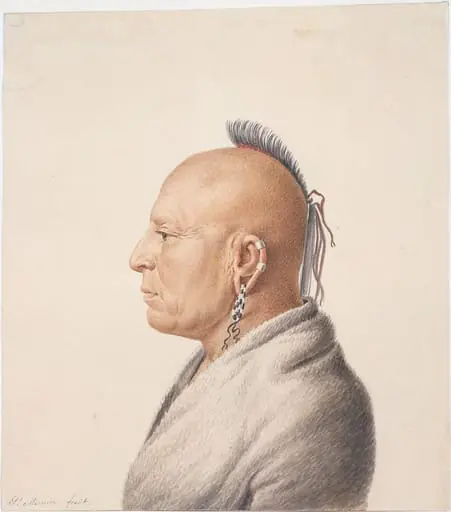
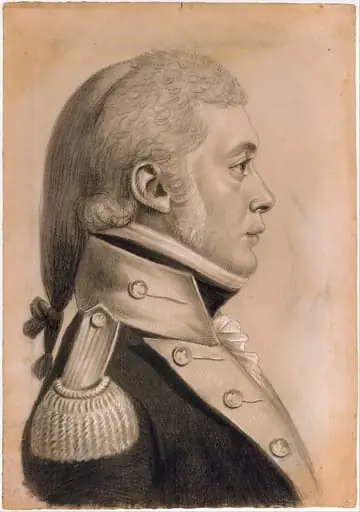
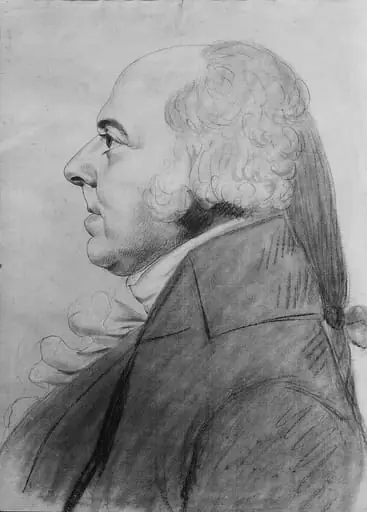
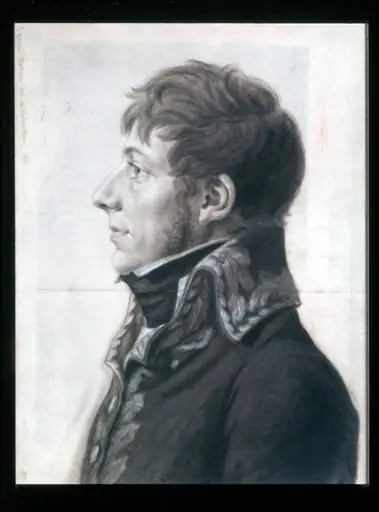
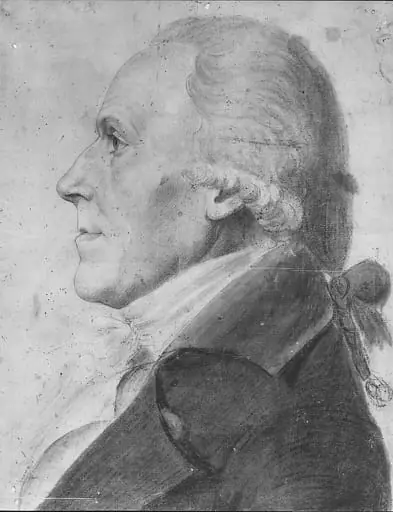
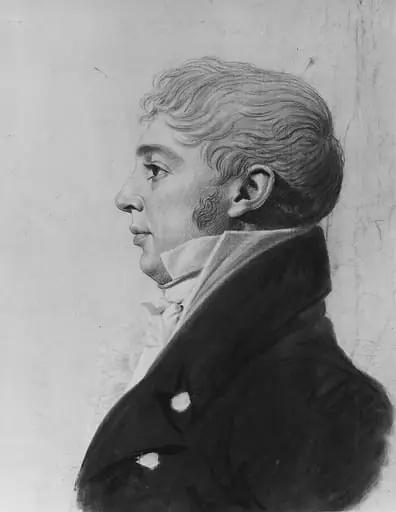
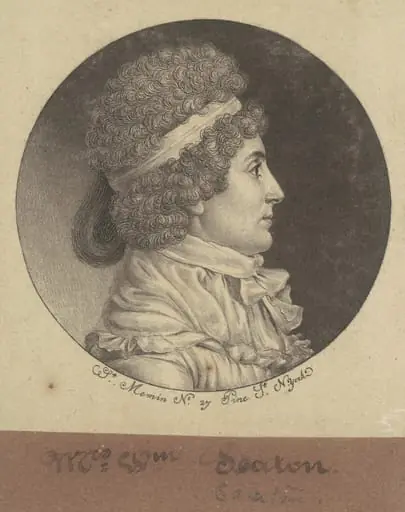
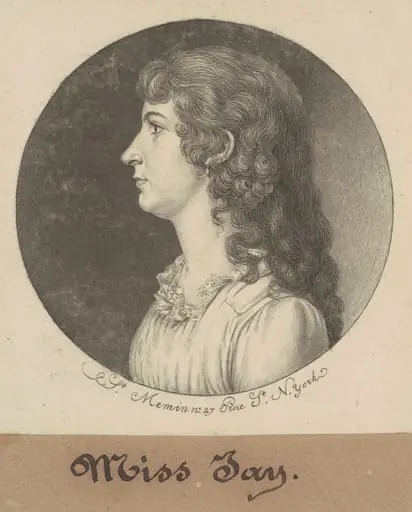
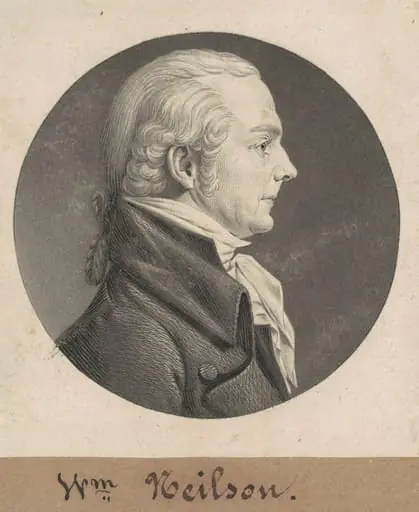
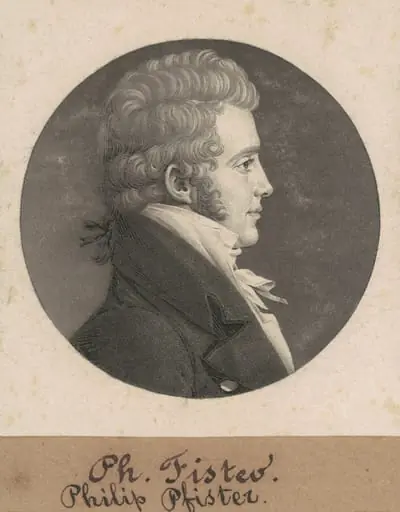
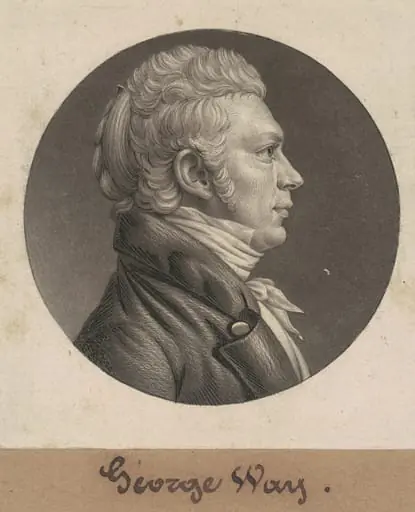
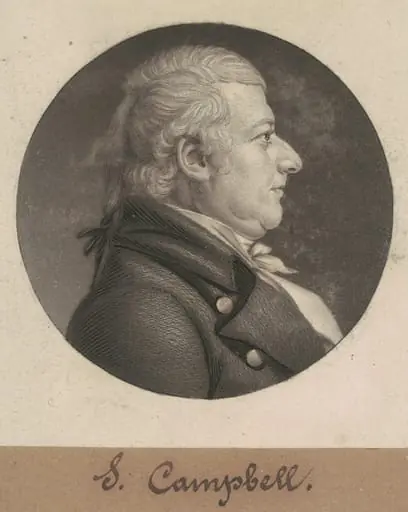
Charles Wayman is an ink print by the Romanticist artist Charles Balthazar Julien Févret de Saint-Mémin. It dates from 1806 and is held in the collection of the National Gallery of Art. This print combines mezzotint and engraving on wove paper, later mounted to a brown‑toned sheet.
About this work
The artist used a lot of detail to create this portrait, which makes it interesting to look at.
The painting shows a man with a serious expression.
He is dressed in simple clothing and has a calm demeanor.
The artist used a lot of detail to create this portrait, which makes it interesting to look at.
The man in the portrait, Charles Wayman, was born in the late 18th century.
We don't know much about him, but the artist did a good job of capturing his likeness.
You can learn more about this style of artwork by looking into the technique of engraving.
Overview
This print combines mezzotint and engraving on wove paper, later mounted to a brown‑toned sheet. Executed by the French artist Charles B. J. Févret de Saint‑Mémin, it presents a portrait of Charles Wayman, a man born in the closing decades of the eighteenth century. The work belongs to the Corcoran Collection within the Smithsonian Institution and is rendered entirely in black ink.
Subject & Meaning
The image portrays Charles Wayman with a composed, solemn expression, dressed in modest attire that emphasizes his calm bearing. While biographical details about Wayman are scarce, the portrait’s restrained realism suggests an intent to capture the sitter’s personal dignity rather than convey allegorical or narrative content.
Technique & Style
Saint‑Mémin employed the mezzotint process to achieve rich tonal gradations, complemented by fine engraving lines that define facial features and clothing texture. The interplay of deep shadows and delicate highlights creates a three‑dimensional effect typical of late‑eighteenth‑century portrait prints, allowing subtle modeling within a monochrome palette.
History & Provenance
Created in the early nineteenth century, the print entered the Corcoran Collection, later incorporated into the Smithsonian Institution’s holdings. Its mounting on brown wove paper reflects a common conservation practice aimed at stabilizing delicate prints for display and study.
Context
Mezzotint and engraving were popular methods for reproducing portraiture before photography, offering collectors an affordable means of acquiring likenesses of notable individuals. Saint‑Mémin, a French émigré active in the United States, applied these techniques to American subjects, bridging European print traditions with the emerging cultural landscape of the young republic.
Artist & collection

Artist
Charles Balthazar Julien Févret de Saint-Mémin
Charles Balthazar Julien Févret de Saint-Mémin (French pronunciation: ; 1770–1852) was a French portrait painter and museum director.