Artwork
DeWitt Clinton
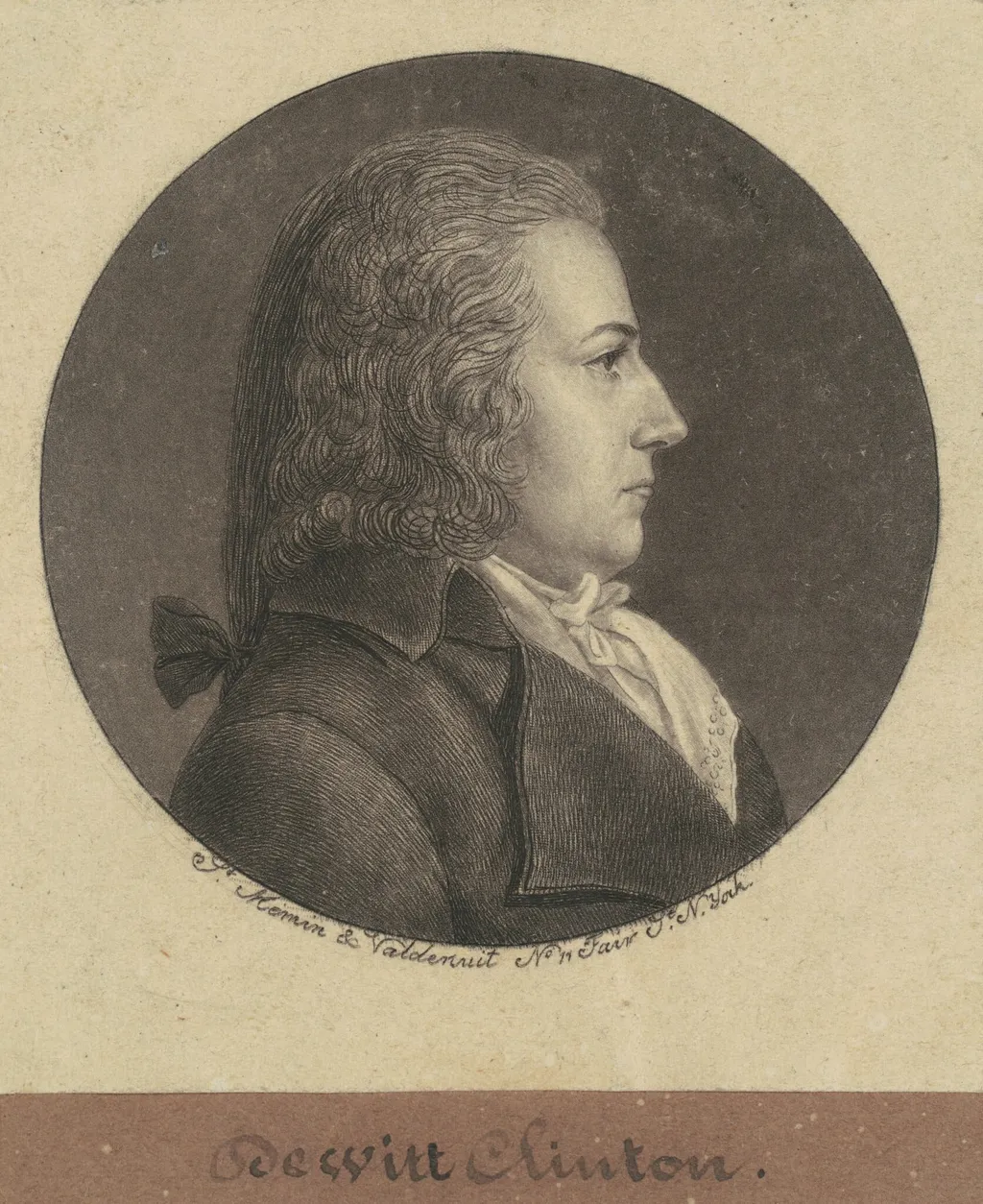
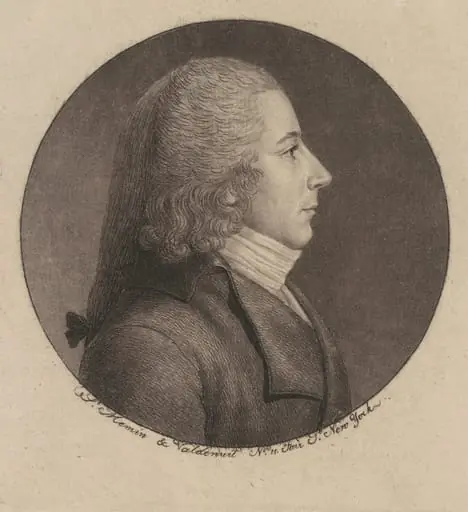
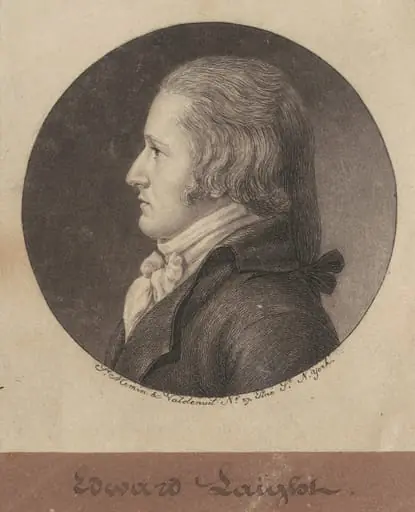
DeWitt Clinton is an ink print by the Romanticist artist Charles Balthazar Julien Févret de Saint-Mémin. It dates from 1796 and is held in the collection of the National Gallery of Art.
About this work
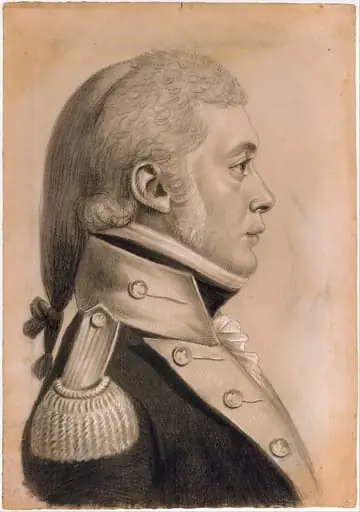
You see a portrait of DeWitt Clinton in profile, wearing a high-collared coat and cravat.
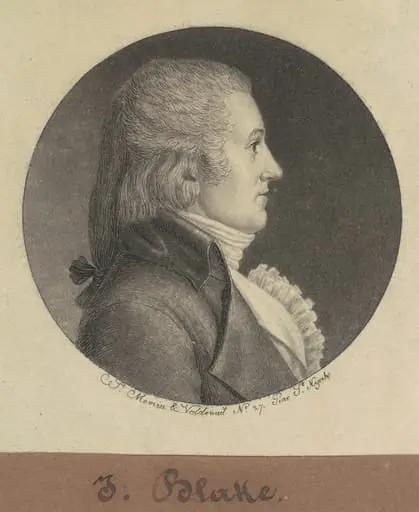
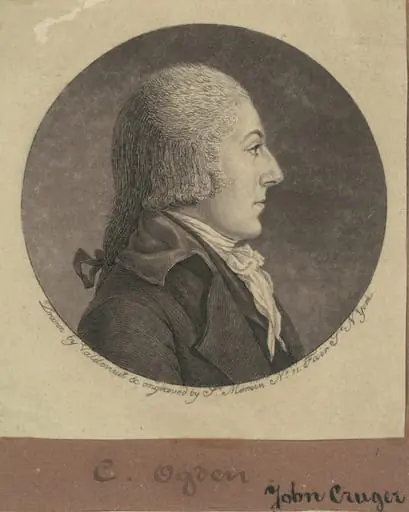
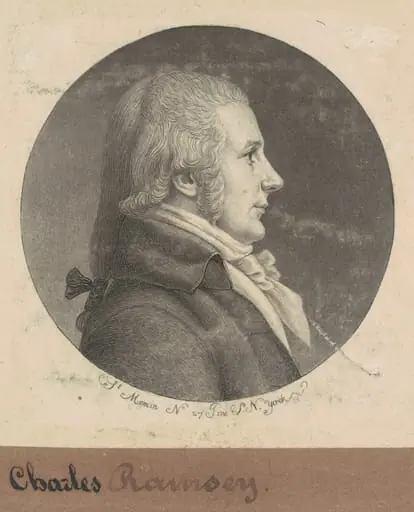
The portrait is circular with a plain background. It was created in 1796, a time when profile portraits were popular. This style was often used to show a person's likeness in a simple way.
Check out the work of artist: Saint-Mémin, Charles B. J. Févret de, to see more portraits like this one.
Overview
Created in 1796, this circular print presents DeWitt Clinton in profile, rendered in black mezzotint and engraving on wove paper that has been mounted to a brown wove backing. The composition is simple, with a plain backdrop and the sitter’s name inscribed beneath the image.
Subject & Meaning
The work depicts the future New York governor in a dignified pose, his high‑collared coat and cravat emphasizing the formal attire of the period. The profile format, common in late‑eighteenth‑century portraiture, underscores a focus on likeness and status rather than narrative.
Technique & Style
Charles B. J. Févret de Saint‑Mémin employed mezzotint—a tonal printing method that allows subtle gradations of light and shadow—combined with fine engraving lines. The print’s circular shape and restrained background reflect the neoclassical taste for clarity and order.
History & Provenance
Issued shortly after Clinton’s rise in New York politics, the portrait was produced by the French‑born artist Saint‑Mémin, who was active in the United States during the 1790s. The piece now resides in a digital collection hosted by Google Arts & Culture, indicating its inclusion in a broader public archive.
Context
Profile portraits were fashionable in the late eighteenth century, especially for political and diplomatic figures, as they evoked classical coinage and medallions. Clinton’s image aligns with this trend, presenting him as a statesman in a timeless visual language.
Artist & collection

Artist
Charles Balthazar Julien Févret de Saint-Mémin
Charles Balthazar Julien Févret de Saint-Mémin (French pronunciation: ; 1770–1852) was a French portrait painter and museum director.