Artwork
Pierre Van Cortlandt, Jr.
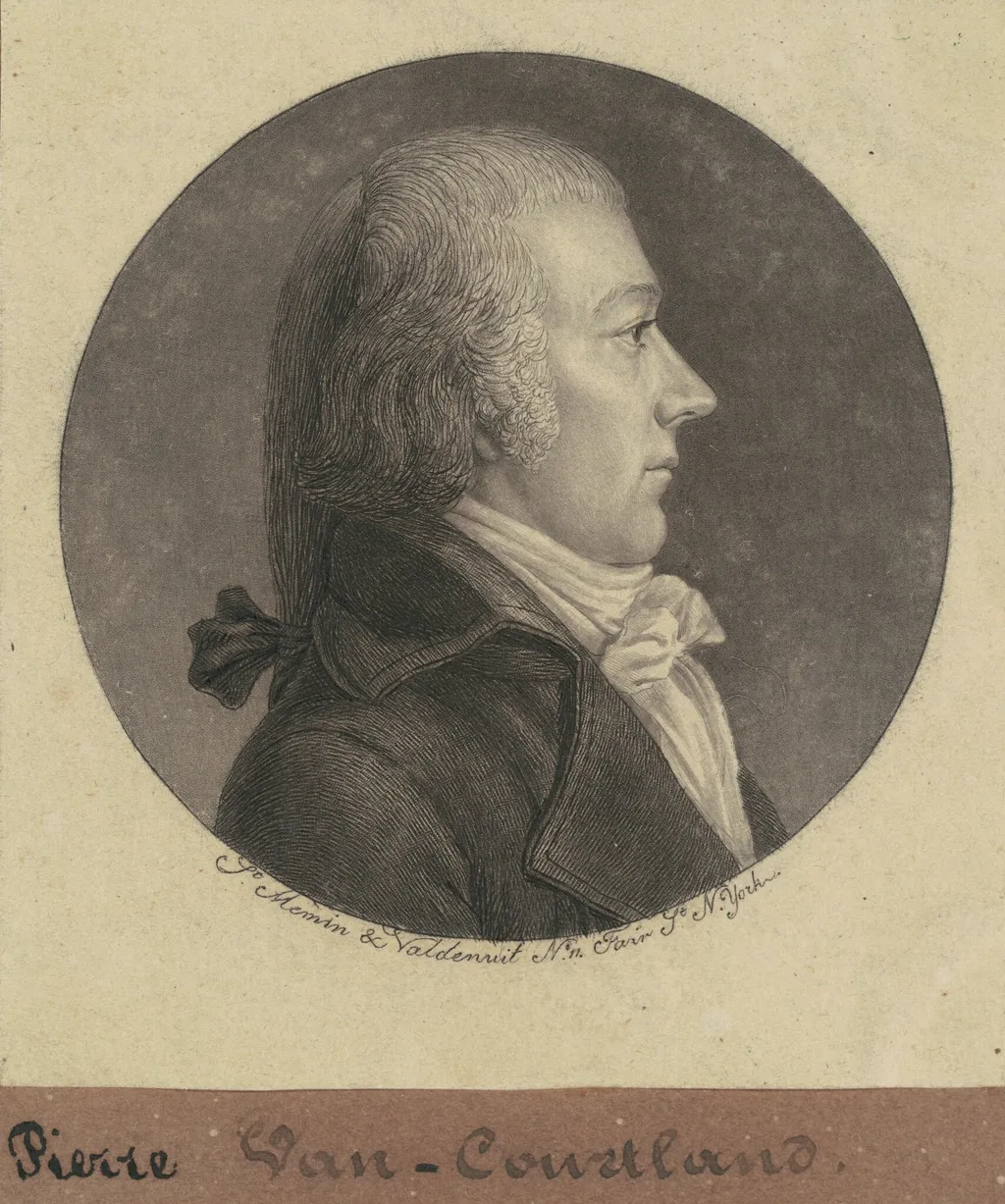
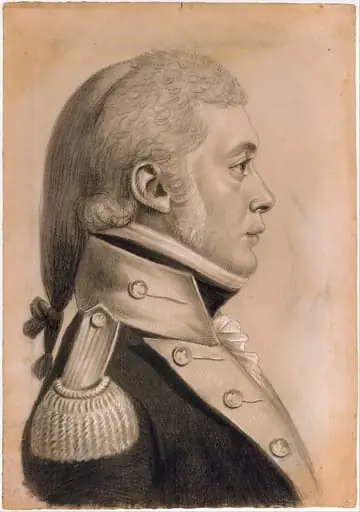
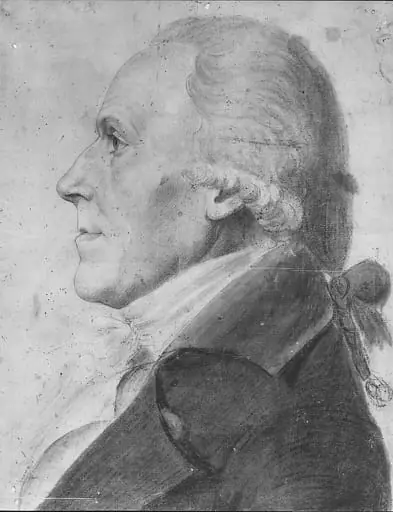
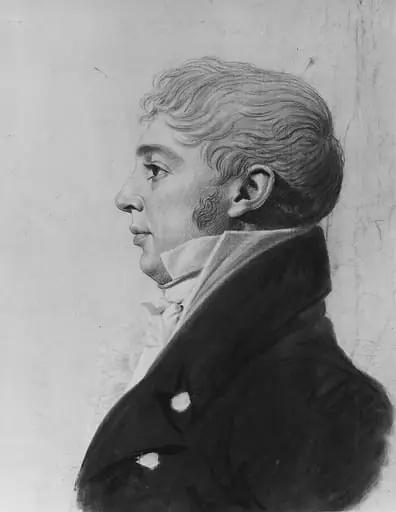
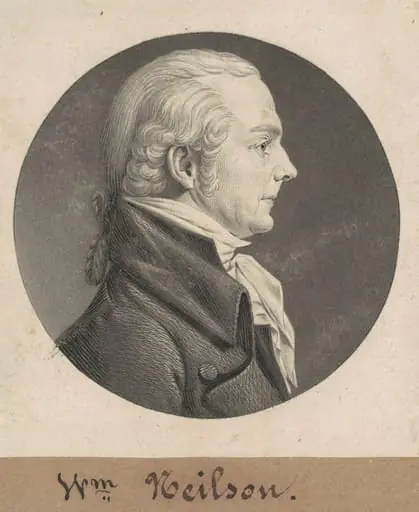
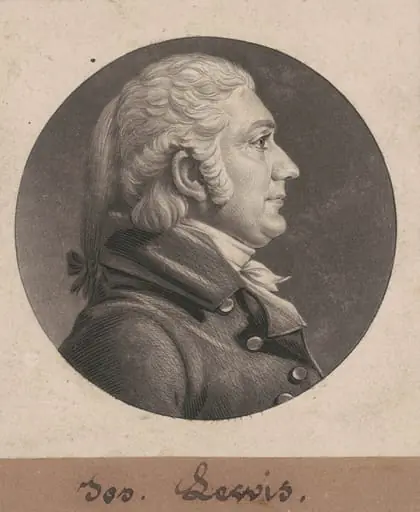
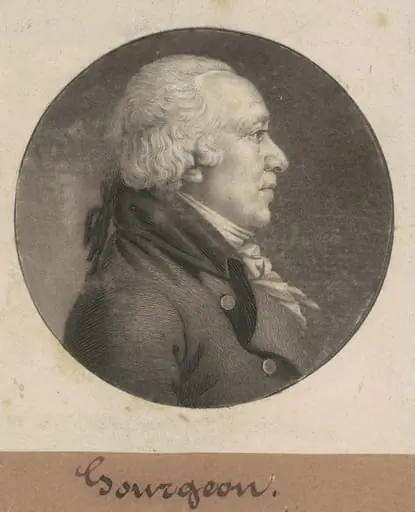
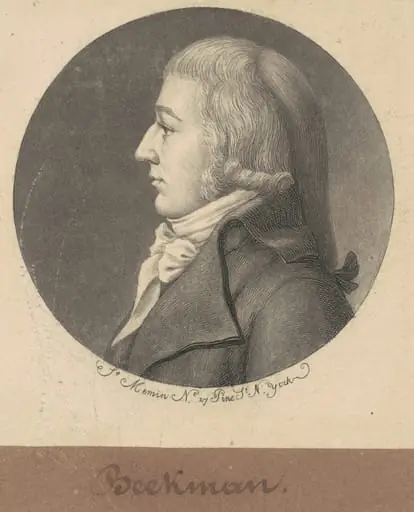
Pierre Van Cortlandt, Jr. is an ink print by the Romanticist artist Charles Balthazar Julien Févret de Saint-Mémin. It dates from 1796 and is held in the collection of the National Gallery of Art.
About this work
Overview
Measuring just over five centimeters square, the work exemplifies the precision demanded by its medium.
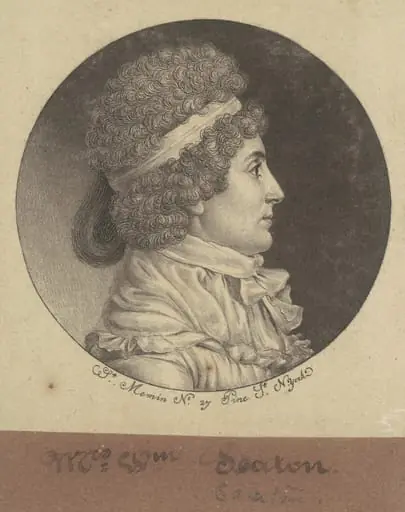
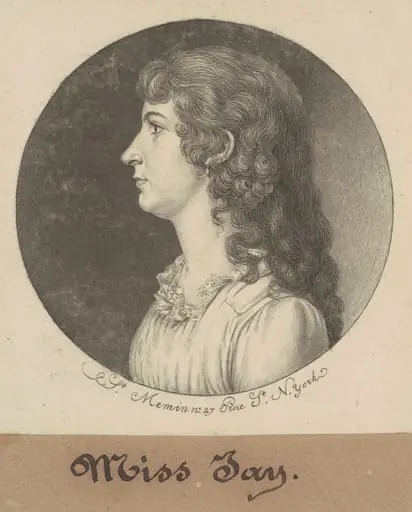
This small portrait print depicts Pierre Van Cortlandt, Jr., created between 1796 and 1797 by Charles B. J. Févret de Saint-Mémin. Executed in mezzotint and engraving on wove paper, it is mounted on a brown wove support. Measuring just over five centimeters square, the work exemplifies the precision demanded by its medium. It resides in the Corcoran Collection, now part of the National Gallery of Art.
Subject & Meaning
Pierre Van Cortlandt, Jr. is portrayed in formal attire, conveying his social standing as a member of a prominent New York family. His expression is calm and composed, typical of portraiture intended to reflect dignity and civic responsibility. The image serves as a record of individual identity within the early American elite, emphasizing restraint and decorum rather than flamboyance.
Technique & Style
Saint-Mémin employed mezzotint and engraving to render fine detail within a compact format. The mezzotint process, which involves roughening a metal plate to hold ink, allowed for subtle tonal gradations, while engraving added crisp linear definition. The small scale heightens the technical challenge, requiring meticulous control to achieve clarity and depth in a space barely larger than a palm.
History & Provenance
The portrait was produced during Saint-Mémin’s time in the United States, when he created numerous likenesses of prominent figures. It entered the Corcoran Collection in the 19th century and was later transferred to the National Gallery of Art following the Corcoran’s dissolution. Its survival reflects the value placed on such intimate portraits as historical documents of early American society.
Context
In the late 18th century, mezzotint portraiture was a favored method for reproducing likenesses among the educated and affluent. Saint-Mémin, a French émigré, became a leading practitioner in the U.S., adapting European techniques to American subjects. This work aligns with a broader trend of using print media to circulate images of civic leaders and their families during the nation’s formative years.
Legacy
Saint-Mémin’s small-scale portraits, including this one, remain significant for their technical refinement and historical documentation. They represent a bridge between European print traditions and emerging American visual culture. Though modest in size, these works contributed to the visual record of early American leadership and continue to inform studies of portraiture and printmaking in the young republic.
Artist & collection

Artist
Charles Balthazar Julien Févret de Saint-Mémin
Charles Balthazar Julien Févret de Saint-Mémin (French pronunciation: ; 1770–1852) was a French portrait painter and museum director.