Artwork
George Pepper
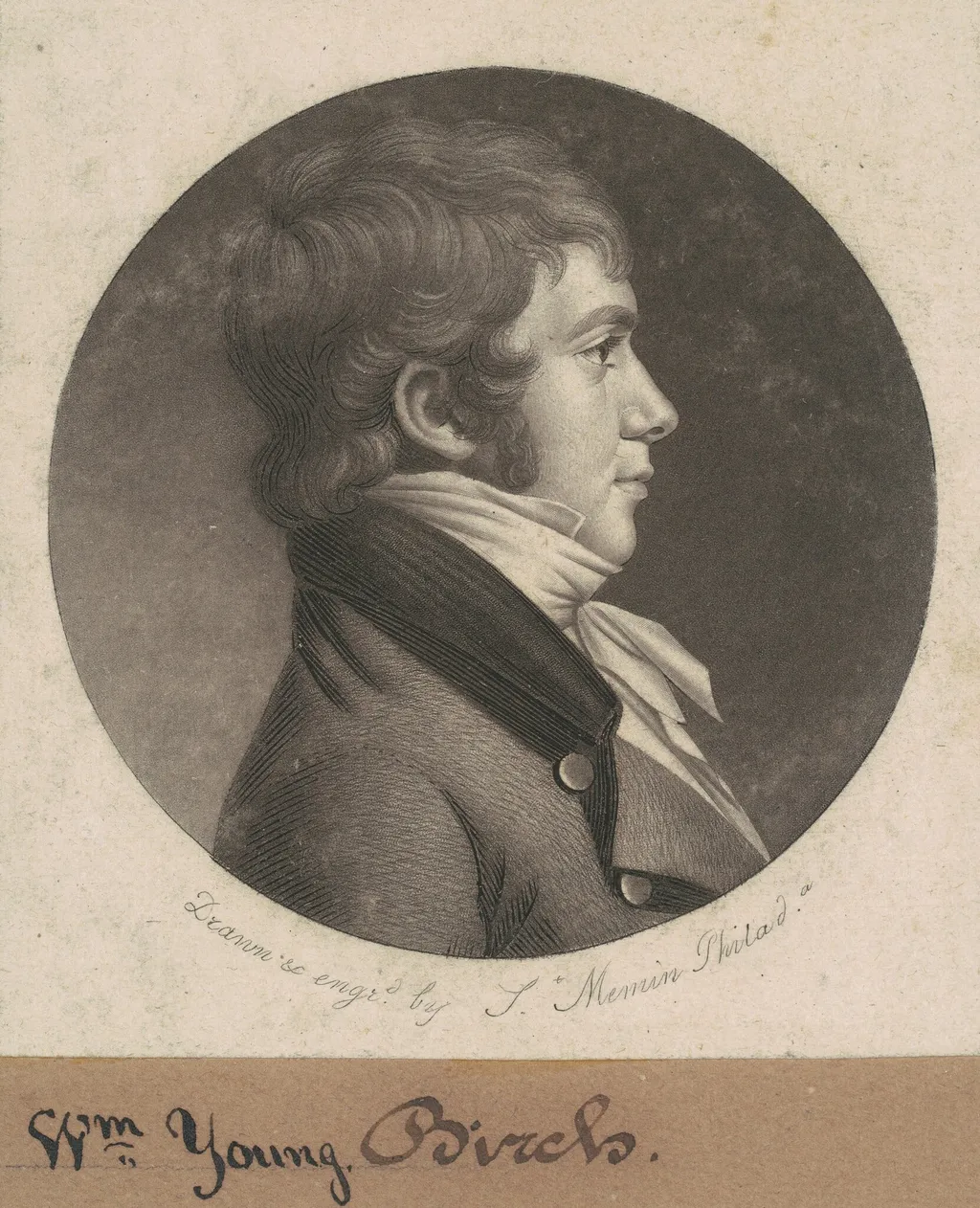
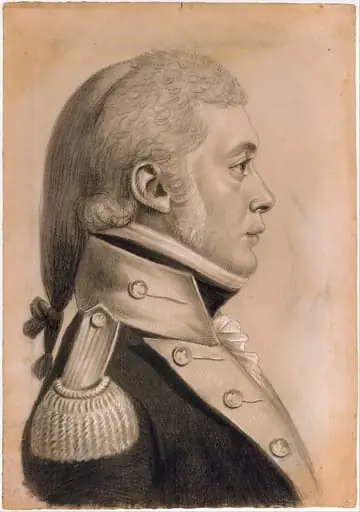
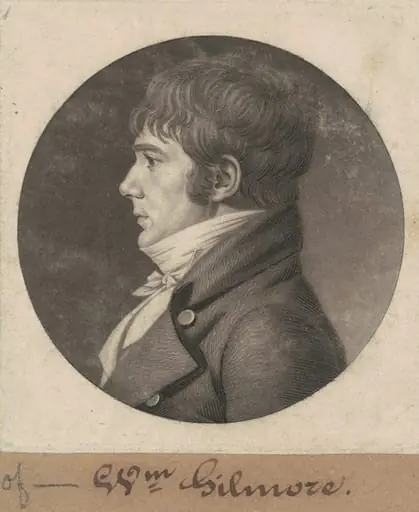
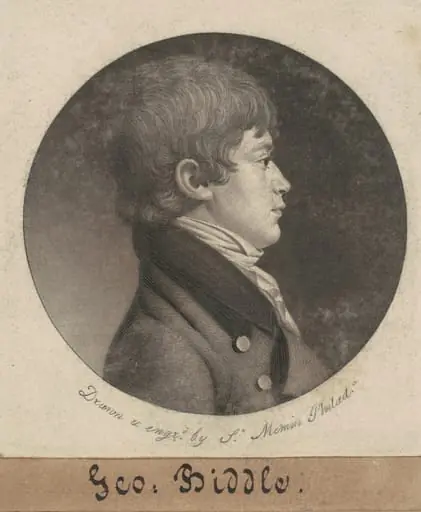
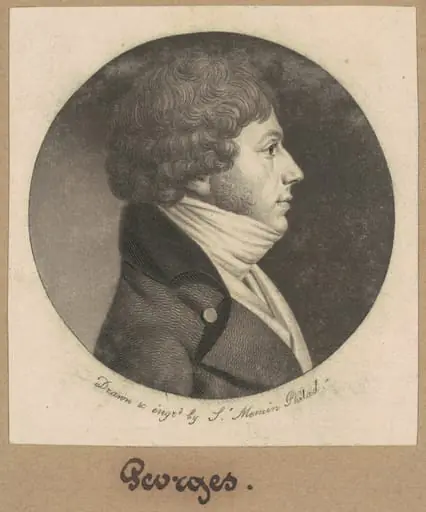
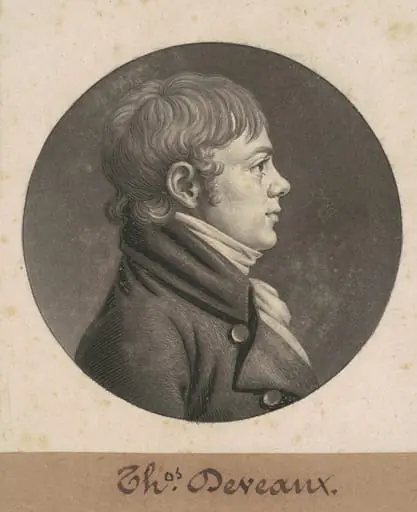
George Pepper is an ink print by the Romanticist artist Charles Balthazar Julien Févret de Saint-Mémin. It dates from 1802 and is held in the collection of the National Gallery of Art. Created in 1802, this small print measures just over five and a half centimeters on each side.
About this work
Overview
Created in 1802, this small print measures just over five and a half centimeters on each side. Executed in black on wove paper that is mounted to a brown backing, the work presents a portrait of George Pepper rendered through a combination of mezzotint and engraving techniques. It belongs to the Corcoran Collection, a notable repository of American prints.
Subject & Meaning
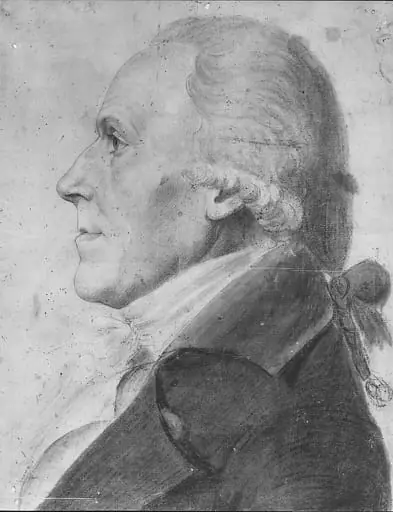
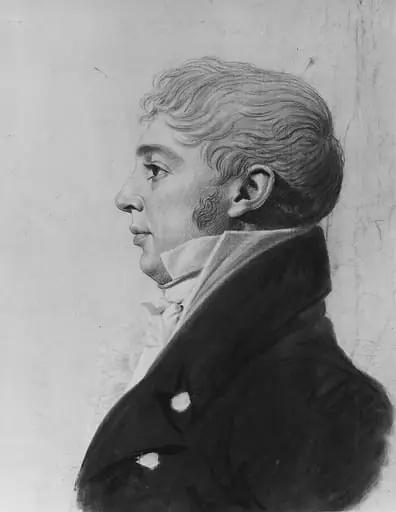
The image depicts a gentleman dressed in a dark coat with a white cravat, his visage illuminated from the left side, which creates a gentle chiaroscuro on his cheek. While no explicit narrative accompanies the portrait, the careful rendering of attire and facial expression suggests an intent to convey the sitter’s social standing and personal demeanor.
Technique & Style
By smoothing selected areas, a range of tonal values emerges, allowing for subtle gradations that model skin and fabric.
The artist employed mezzotint, a process that begins with a uniformly roughened metal plate. By smoothing selected areas, a range of tonal values emerges, allowing for subtle gradations that model skin and fabric. Fine engraved lines complement the mezzotint, sharpening details such as the cravat’s folds and the coat’s contours, resulting in a balanced interplay of soft shading and crisp outlines.
History & Provenance
Attributed to Charles B. J. Févret de Saint‑Mémin, a French émigré active in early‑19th‑century American portraiture, the print entered the Corcoran Collection, which later merged with the National Gallery of Art. Its survival in this institutional context reflects the period’s interest in documenting notable individuals through reproducible print media.
Artist & collection

Artist
Charles Balthazar Julien Févret de Saint-Mémin
Charles Balthazar Julien Févret de Saint-Mémin (French pronunciation: ; 1770–1852) was a French portrait painter and museum director.