Artwork
William Gilmor
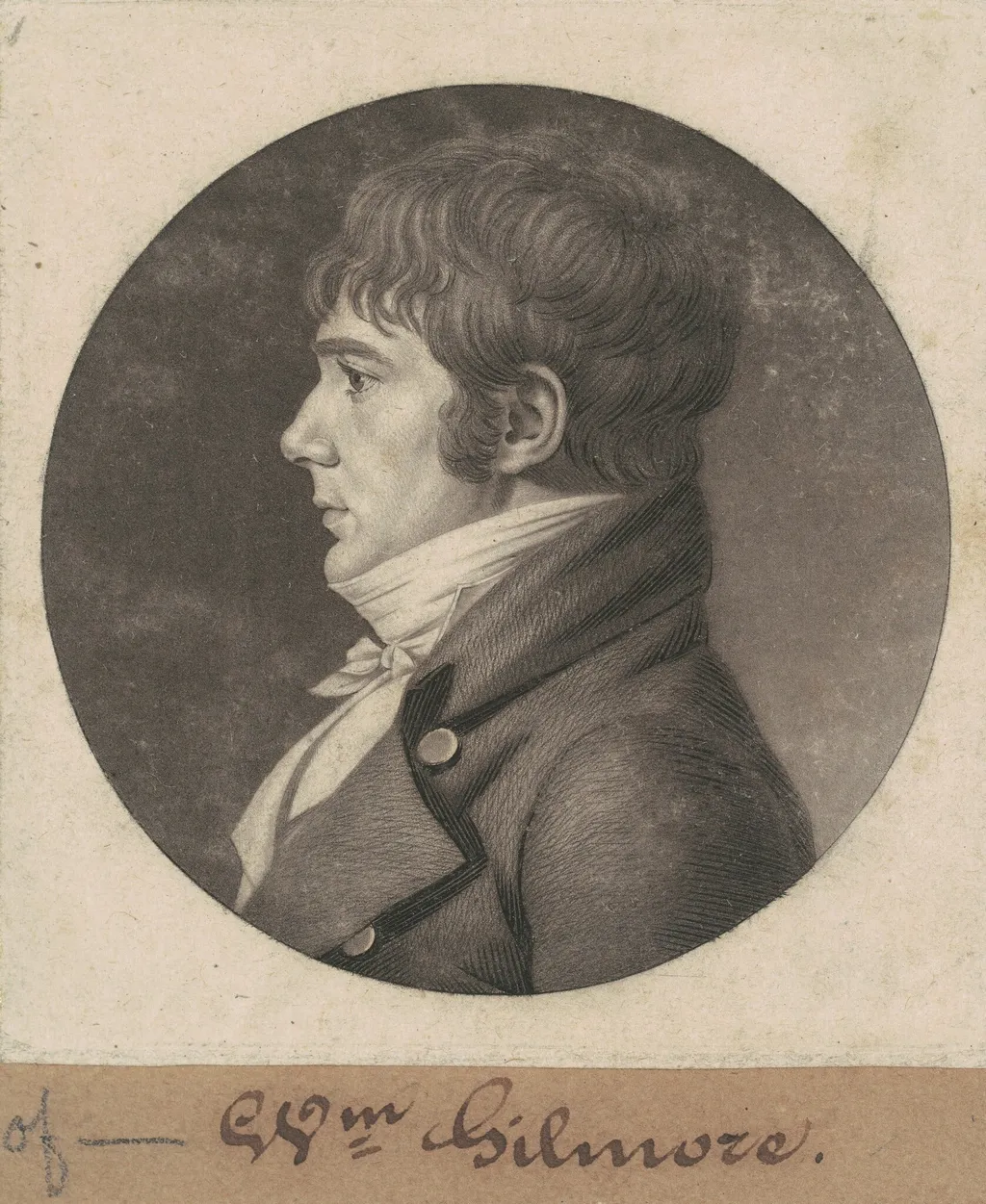
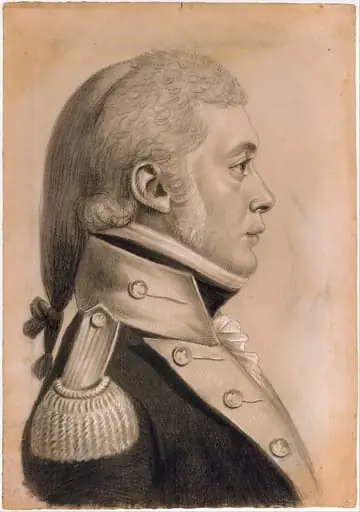
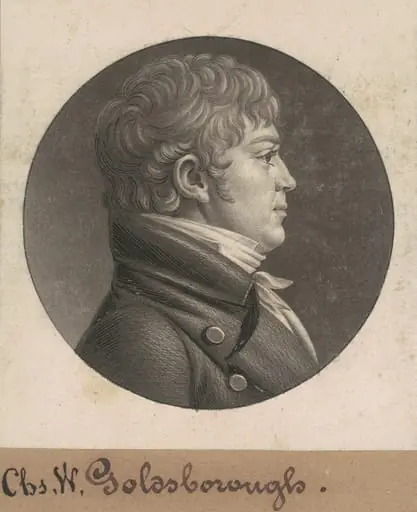
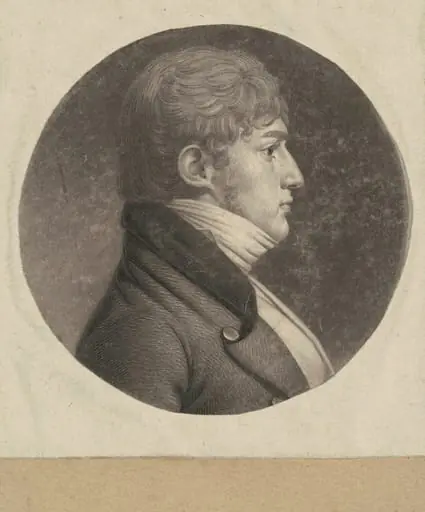
William Gilmor is an ink print by the Romanticist artist Charles Balthazar Julien Févret de Saint-Mémin. It dates from 1803 and is held in the collection of the National Gallery of Art. Created in 1803, this small print measures 5.
About this work
Overview
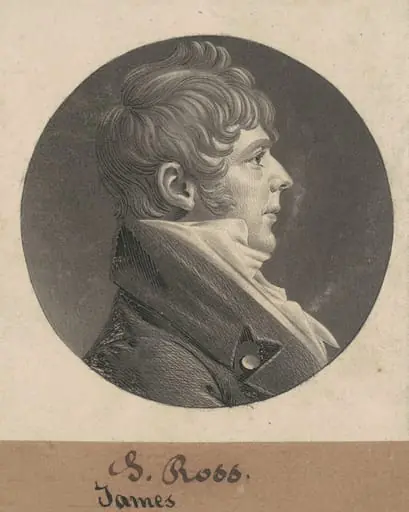
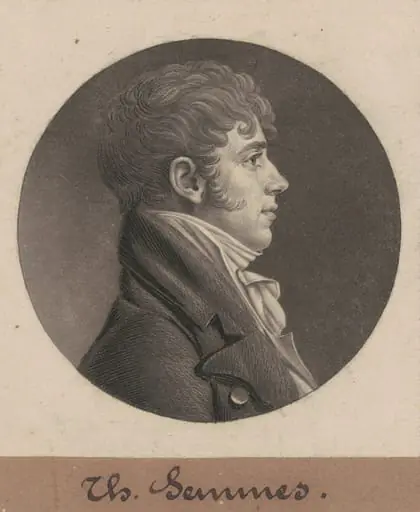
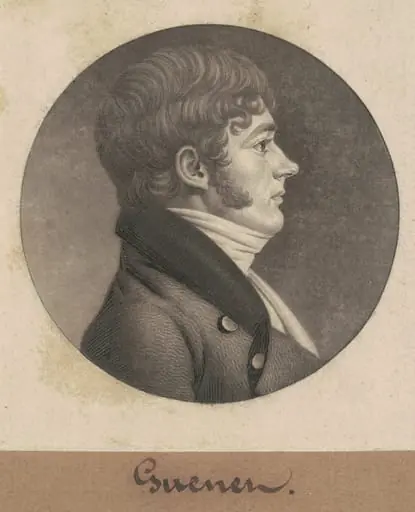
Created in 1803, this small print measures 5.72 by 5.72 centimeters and combines mezzotint with engraving on wove paper that has been mounted to a brown wove backing. The work is attributed to Charles B. J. Févret de Saint‑Mémin and is held within the Corcoran Collection.
Subject & Meaning
The image presents William Gilmor in a three‑quarter pose, his dark coat and neatly tied cravat framing a focused, plain background that directs attention to his facial features. The portrait conveys a restrained, formal presence typical of early‑nineteenth‑century gentlemanly representation.
Technique & Style
Saint‑Mémin employed the mezzotint process, a method that builds tone through a field of fine dots and lines, allowing for subtle gradations of light and shadow. This technique, coupled with engraving details, yields a smooth, almost photographic rendering of the sitter’s face.
History & Provenance
The print entered the Corcoran Collection, where it has been catalogued as a notable example of early American portrait printmaking. Its provenance traces back to the artist’s practice of producing portraiture for a transatlantic clientele during the post‑Revolutionary period.
Context
Mezzotint portraiture enjoyed popularity in the early 1800s as a means of disseminating likenesses before the widespread use of photography. Saint‑Mémin, a French émigré active in the United States, contributed to this tradition by adapting European techniques for an American market.
Artist & collection

Artist
Charles Balthazar Julien Févret de Saint-Mémin
Charles Balthazar Julien Févret de Saint-Mémin (French pronunciation: ; 1770–1852) was a French portrait painter and museum director.