Artwork
Guillaume Pecholier
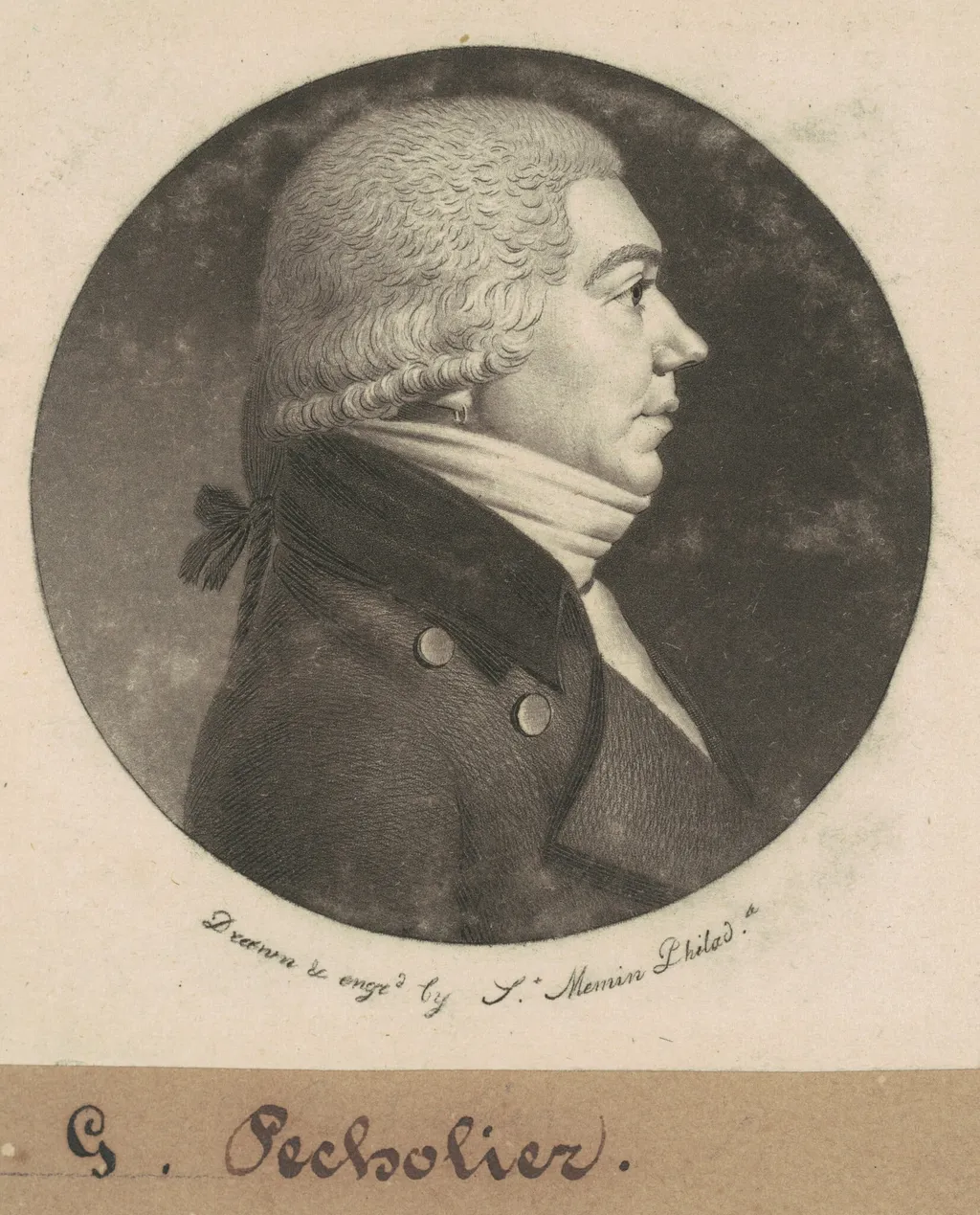
Guillaume Pecholier is an ink print by the Romanticist artist Charles Balthazar Julien Févret de Saint-Mémin. It dates from 1800 and is held in the collection of the National Gallery of Art.
About this work
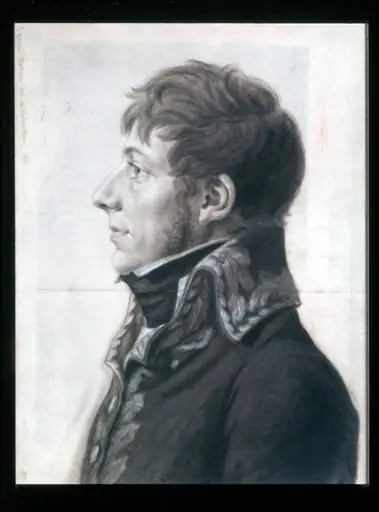
The artist used fine cross-hatching to create soft shadows on the cheek and neck.
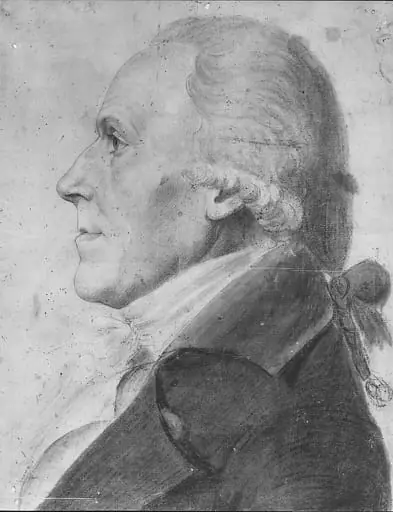
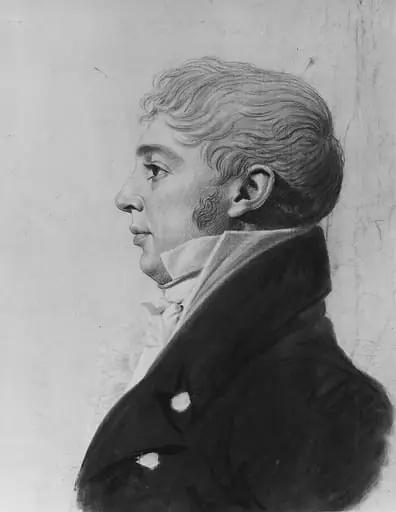
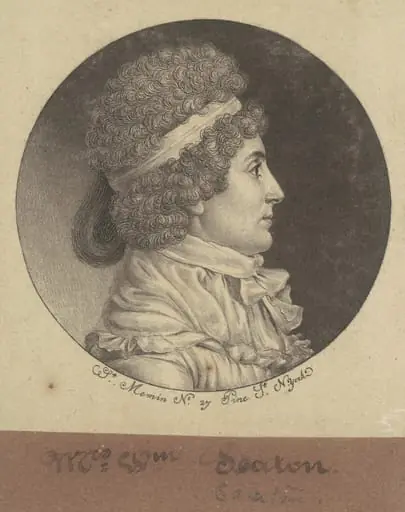
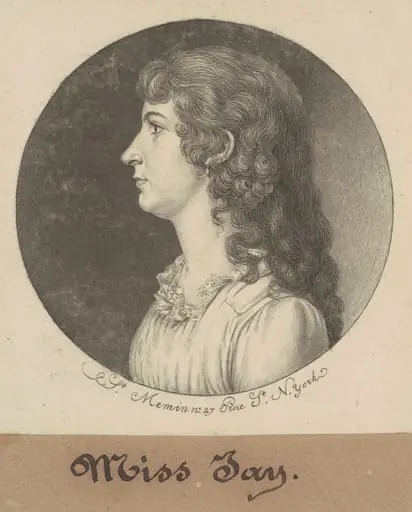
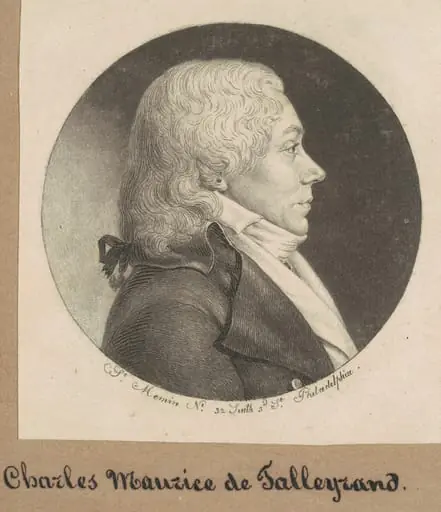
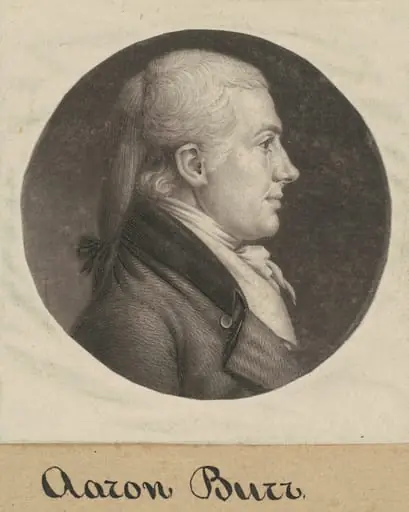
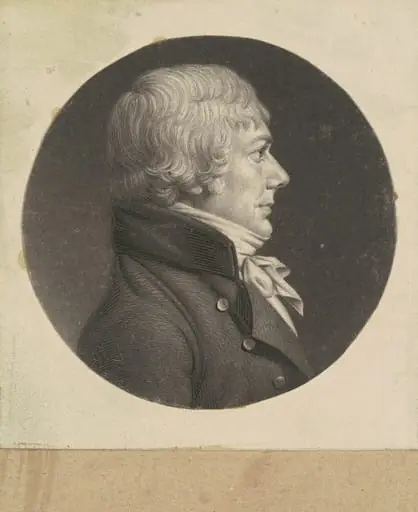
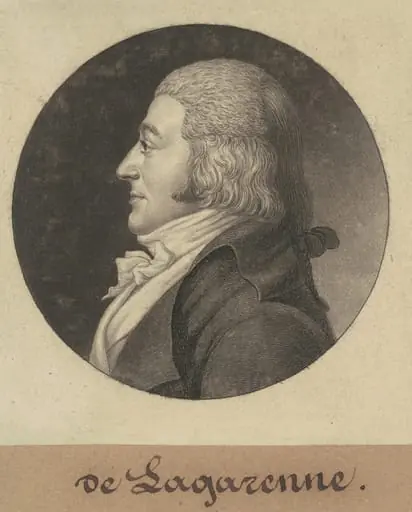
This tiny engraving shows a man’s face in sharp profile. The artist used fine cross-hatching to create soft shadows on the cheek and neck. It looks almost photographic for its time.
The style was new in 1800. Charles Saint-Mémin made prints this way to copy paintings quickly. Light hits one side of the face, leaving the rest in velvety dark.
It’s only five-and-a-half inches square, but it still draws you in. Check out another portrait by Saint-Mémin, Charles B. J. Févret de.
Overview
Guillaume Pecholier is a small print created by Charles B. J. Févret de Saint-Mémin in 1800, measuring 5.56 × 5.56 cm. It is a portrait executed in mezzotint and engraving on wove paper.
Technique & Style
The print showcases Saint-Mémin's use of fine cross-hatching to achieve nuanced shading, resulting in a highly detailed profile portrait. The technique, innovative for its time, creates a striking contrast between light and dark areas of the subject's face.
Subject & Meaning
The portrait depicts a man, Guillaume Pecholier, in sharp profile. The use of light and shadow creates a sense of depth, drawing the viewer's attention to the subject's features.
History & Provenance
This print is an early work by Saint-Mémin, created during a period when he was developing his technique for reproducing paintings quickly through printmaking.
Artist & collection

Artist
Charles Balthazar Julien Févret de Saint-Mémin
Charles Balthazar Julien Févret de Saint-Mémin (French pronunciation: ; 1770–1852) was a French portrait painter and museum director.