Artwork
Unidentified Man
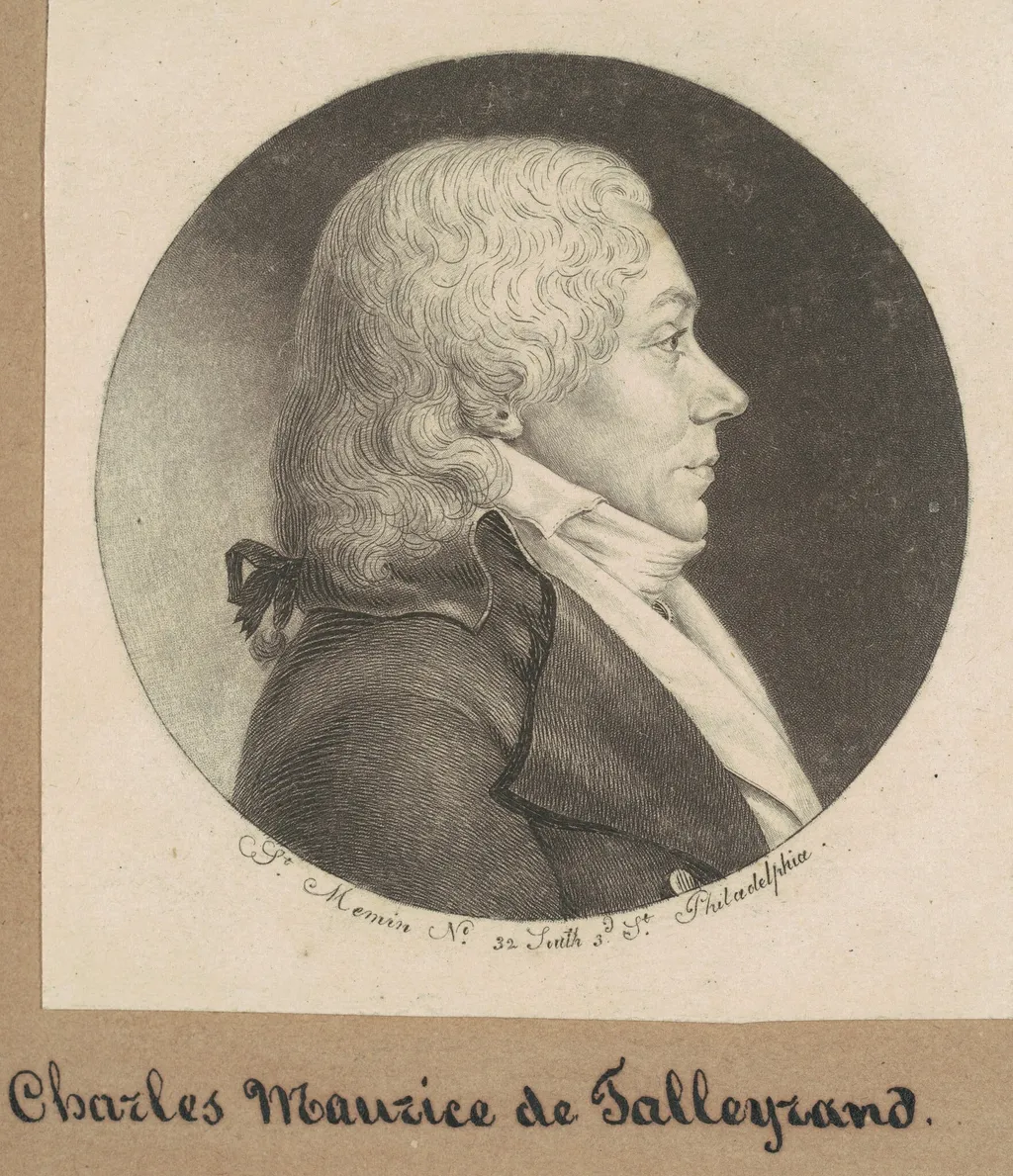
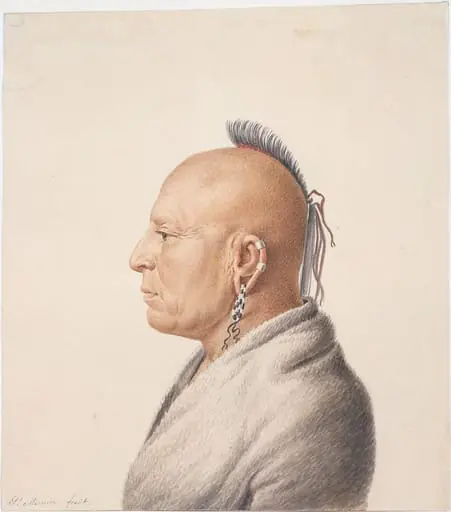
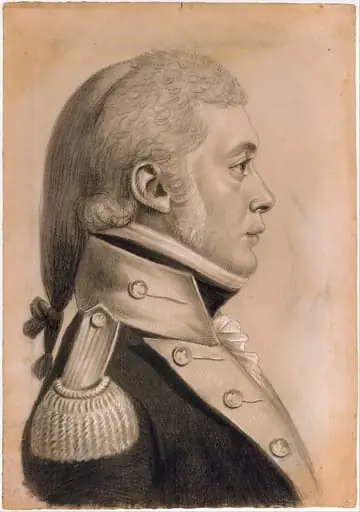
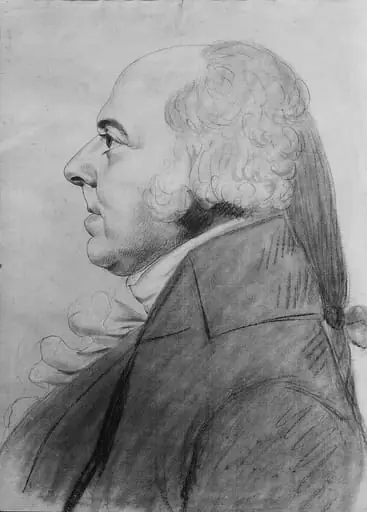
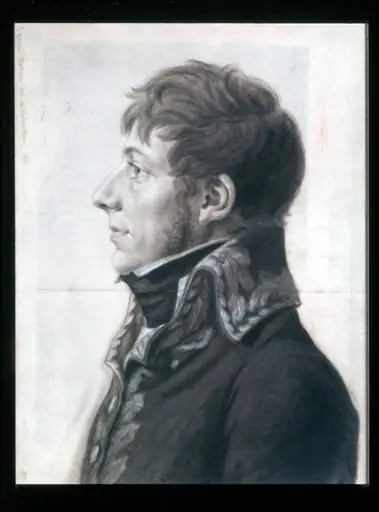
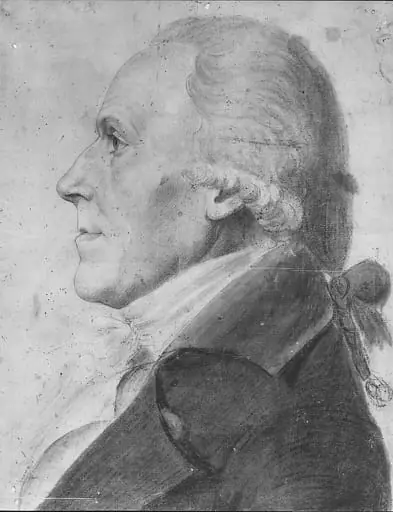
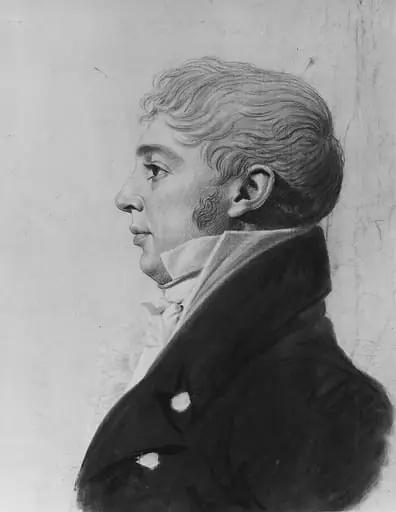
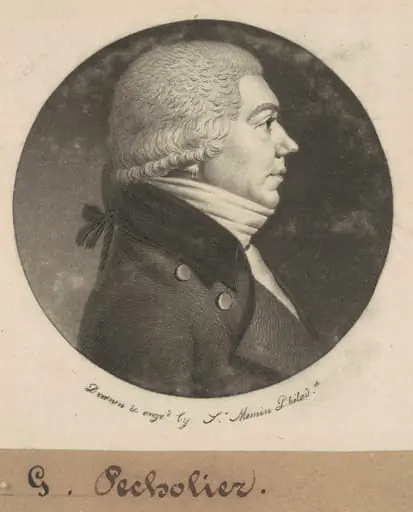
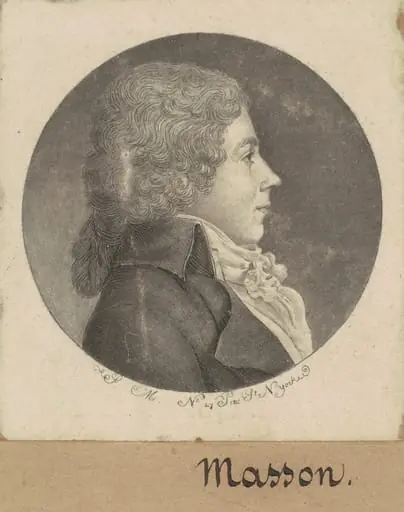
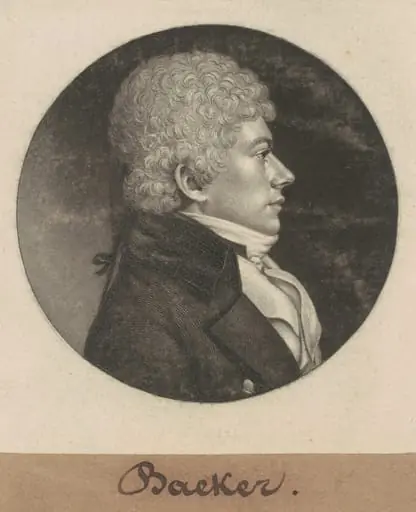
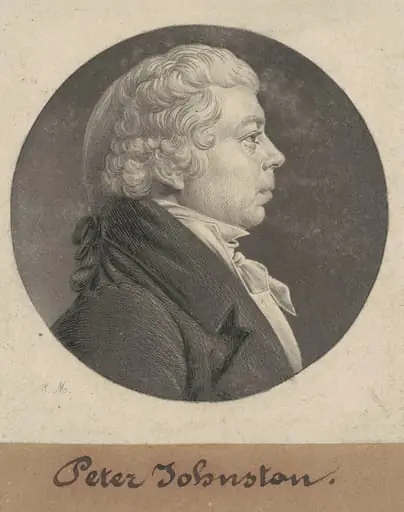
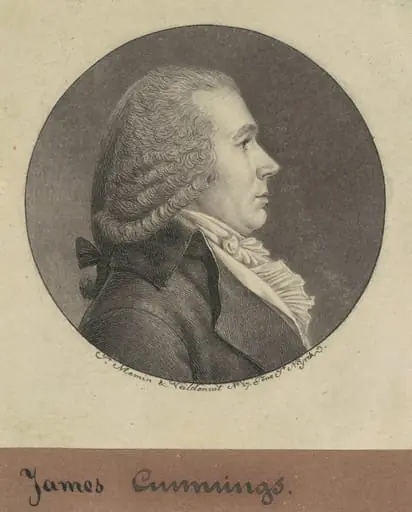
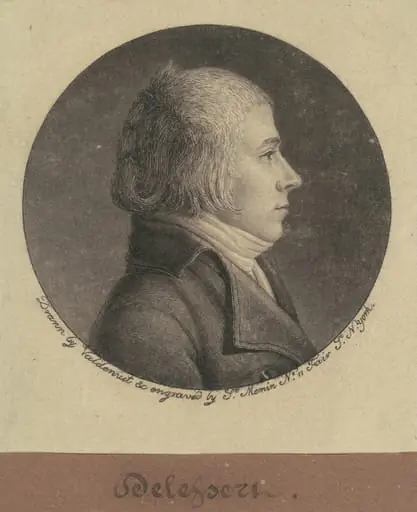
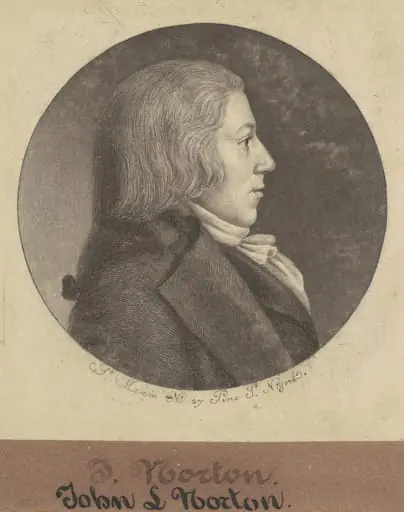
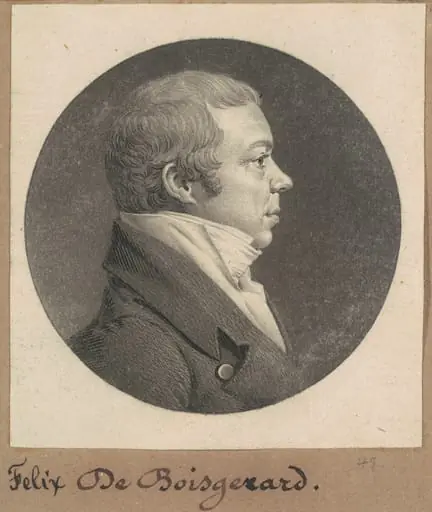
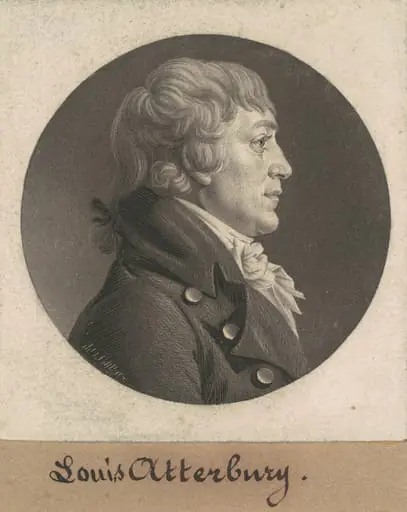
Unidentified Man is an ink print by the Romanticist artist Charles Balthazar Julien Févret de Saint-Mémin. It dates from 1798 and is held in the collection of the National Gallery of Art. Created around 1800, this black-and-white print by Charles B.
About this work
Overview
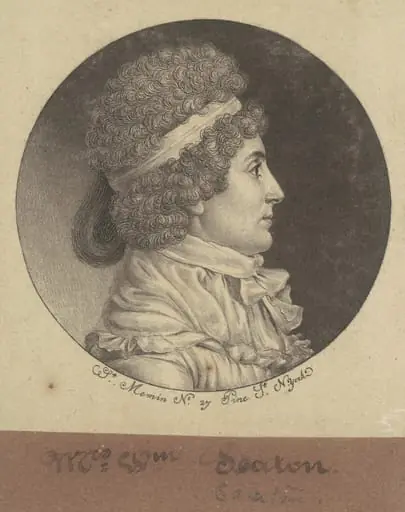
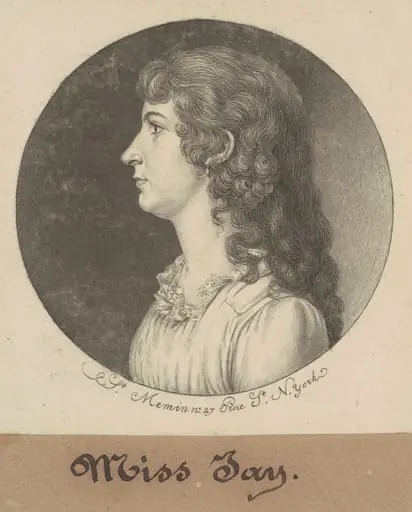
Created around 1800, this black-and-white print by Charles B. J. Févret de Saint‑Mémin presents a solitary figure in profile. Executed as a mezzotint and engraving on wove paper that has been mounted to a brown‑toned backing, the work measures only a few inches in diameter, reflecting the popular miniature circular format of the period.
Subject & Meaning
The image shows a man’s head and upper torso turned sideways, dressed in a dark coat trimmed with a light‑colored cravat. No name or title accompanies the portrait, leaving the sitter unidentified; the anonymity invites viewers to focus on the careful rendering of attire and the contemplative pose rather than personal narrative.
Technique & Style
Saint‑Mémin employed the mezzotint process to achieve rich tonal gradations, complemented by fine engraving lines that define the folds of the coat and the delicate drape of the cravat. The combination of these printmaking methods on wove paper yields a smooth surface and subtle contrast, characteristic of early nineteenth‑century French portrait prints.
History & Provenance
Part of a series of small circular portraits produced by the artist, this print reflects Saint‑Mémin’s interest in intimate, portable formats that could be collected or exchanged. While the original owner remains unknown, the work has entered a museum collection through acquisition in the late twentieth century, preserving an example of the artist’s printmaking practice.
Artist & collection

Artist
Charles Balthazar Julien Févret de Saint-Mémin
Charles Balthazar Julien Févret de Saint-Mémin (French pronunciation: ; 1770–1852) was a French portrait painter and museum director.