Artwork
James Crenshaw Anthony
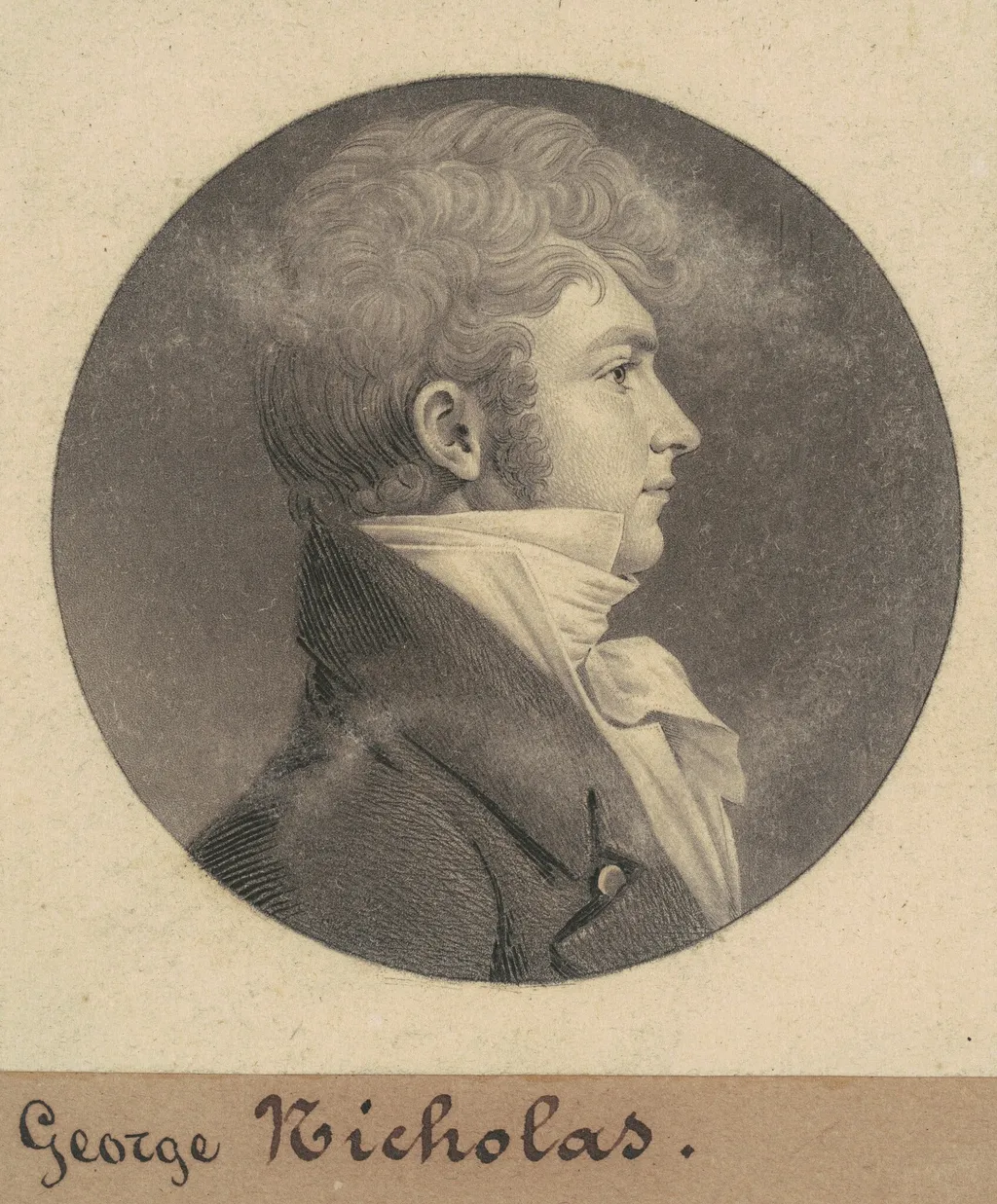
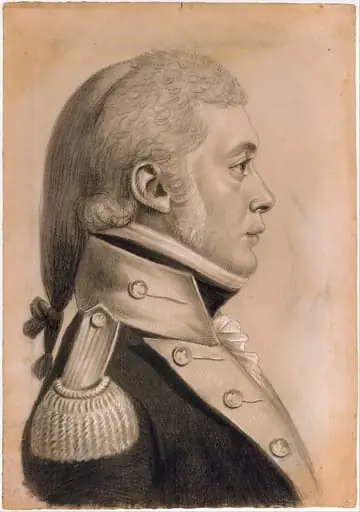
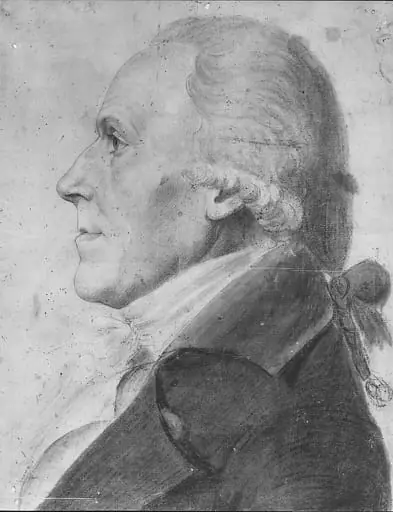
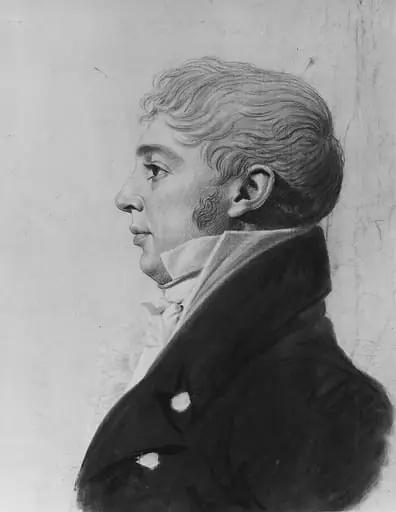
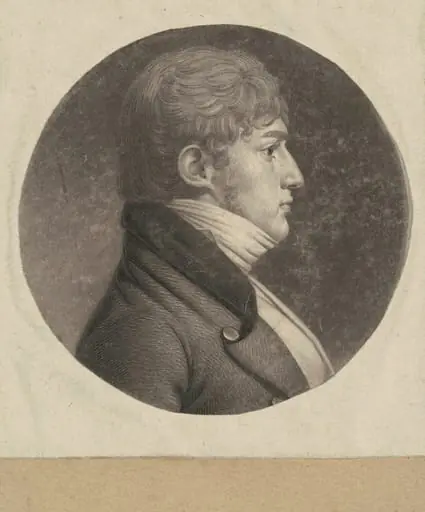
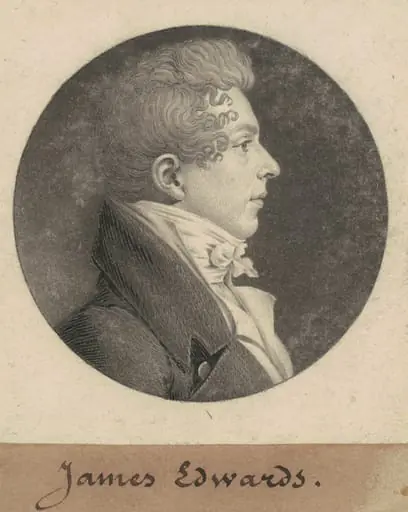
James Crenshaw Anthony is an ink print by the Romanticist artist Charles Balthazar Julien Févret de Saint-Mémin. It dates from 1808 and is held in the collection of the National Gallery of Art.
About this work
The artist made this portrait in 1808, and it's a significant historical piece because it shows what people looked like back then.
You see a portrait of James Crenshaw Anthony in profile.
He's shown from the side, with his face turned away from us.
The artist made this portrait in 1808, and it's a significant historical piece because it shows what people looked like back then.
The portrait is special because it was made using a technique that was popular at the time.
The artist had to be very careful when making it, as it's a detailed portrait.
You can learn more about this technique by looking into the work of the artist: Saint-Mémin, Charles B. J. Févret de.
Overview
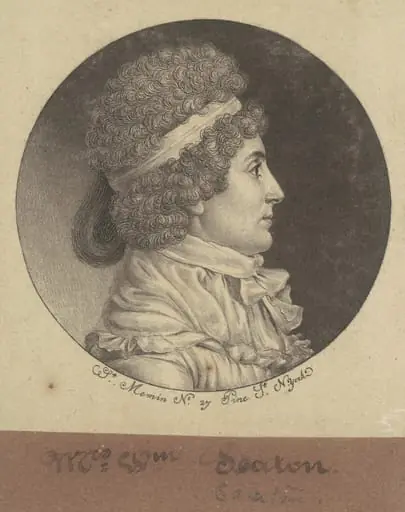
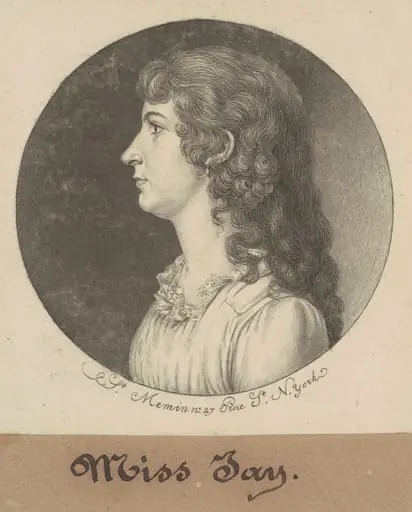
James Crenshaw Anthony is depicted in a profile portrait, created in 1808 by Charles B. J. Févret de Saint-Mémin. The work is a mezzotint and engraving on wove paper, mounted to brown wove paper.
Subject & Meaning
The subject, James Crenshaw Anthony, is shown in profile, with his face turned away from the viewer. The portrait's significance lies in its historical representation of an individual from the early 19th century.
Technique & Style
The portrait utilizes mezzotint and engraving techniques, characteristic of the period. The artist's meticulous approach was necessary to achieve the detailed, profile likeness.
History & Provenance
Created in 1808, the portrait's provenance is not extensively detailed here, though its creation date and artist attribution are confirmed.
Context
The work reflects the portrait conventions of its time, with profile views being a common practice in early 19th-century portraiture. The use of mezzotint and engraving also aligns with popular techniques of the era.
Artist & collection

Artist
Charles Balthazar Julien Févret de Saint-Mémin
Charles Balthazar Julien Févret de Saint-Mémin (French pronunciation: ; 1770–1852) was a French portrait painter and museum director.