Artwork
James Latimer Cuthbert
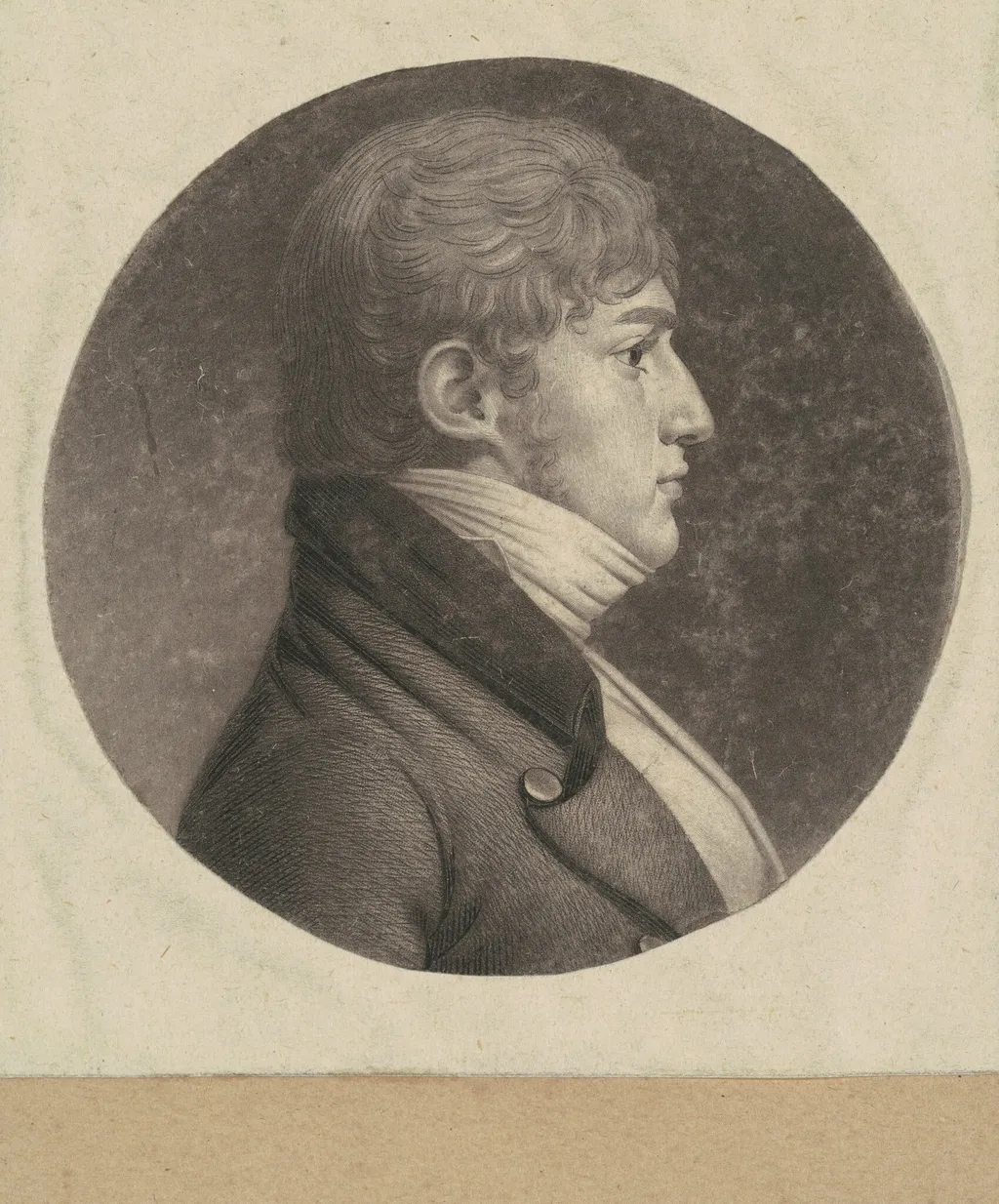
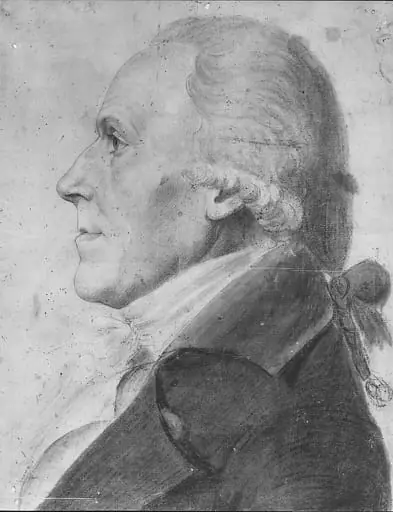
James Latimer Cuthbert is an ink print by the Romanticist artist Charles Balthazar Julien Févret de Saint-Mémin. It dates from 1800 and is held in the collection of the National Gallery of Art.
About this work
The portrait is part of the National Gallery of Art's collection, and to learn more about this style, look up the technique: engraving.
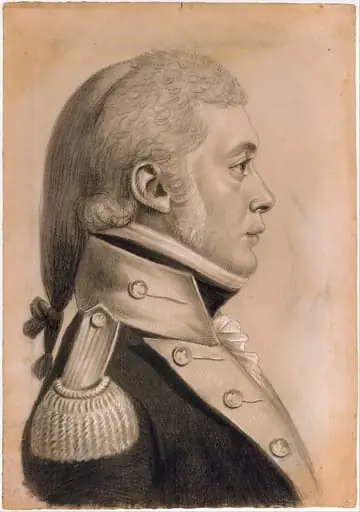
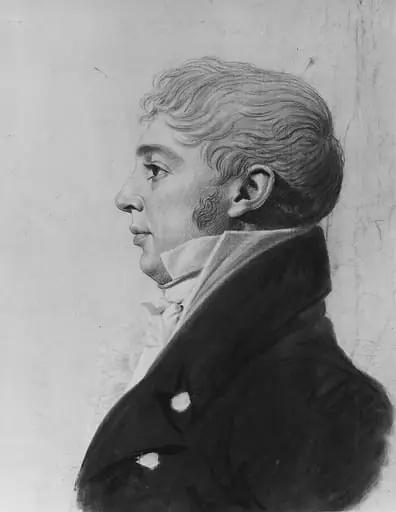
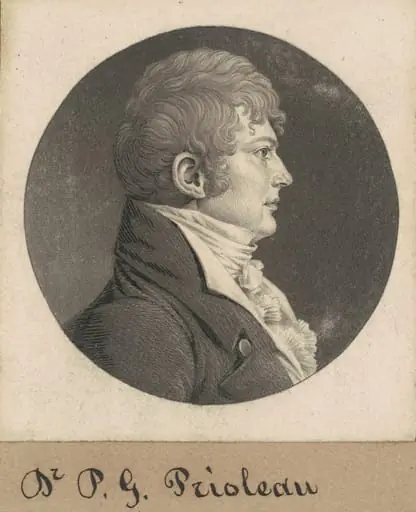
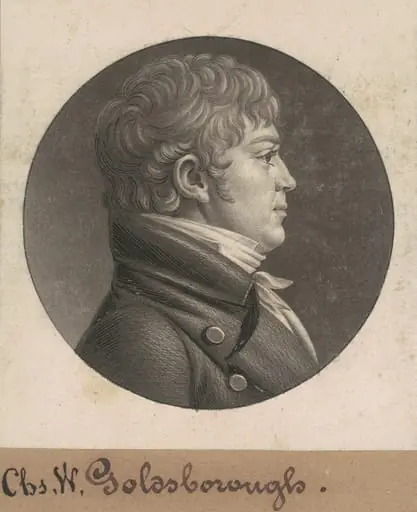
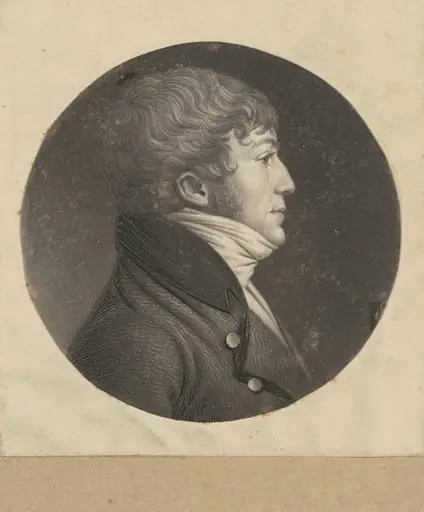
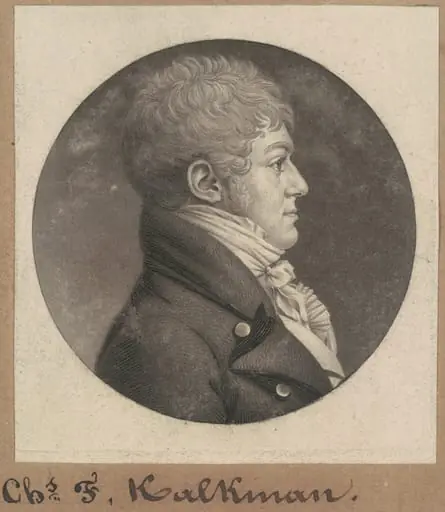
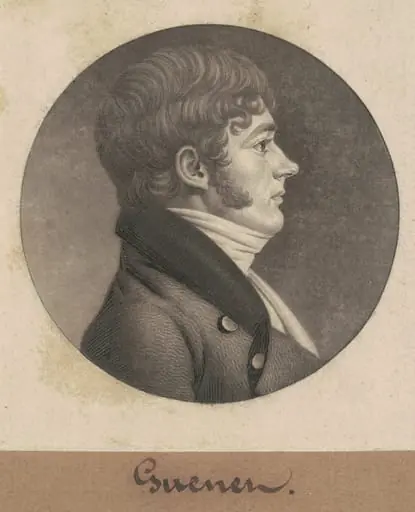
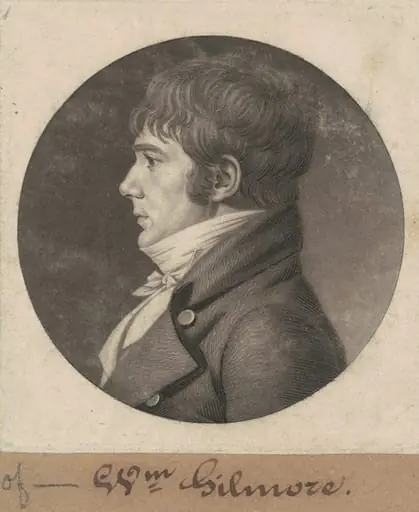
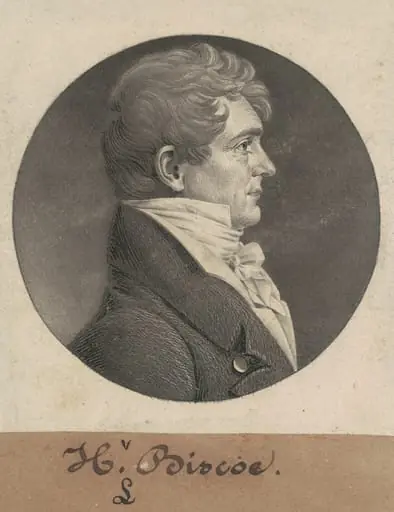
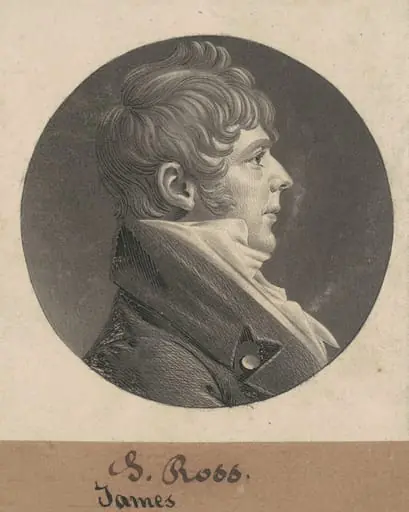
This painting shows James Latimer Cuthbert in profile with short wavy hair and a neutral expression.
The portrait is oval-shaped and from the late 18th century. It's interesting that the artist used a profile view, which was a common way to depict people back then. This style was often used to show the subject's features clearly.
The portrait is part of the National Gallery of Art's collection, and to learn more about this style, look up the technique: engraving.
Overview
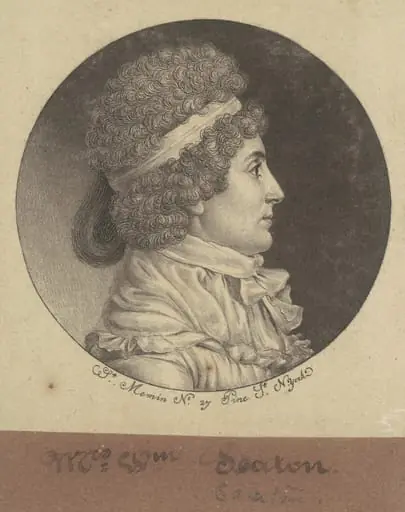
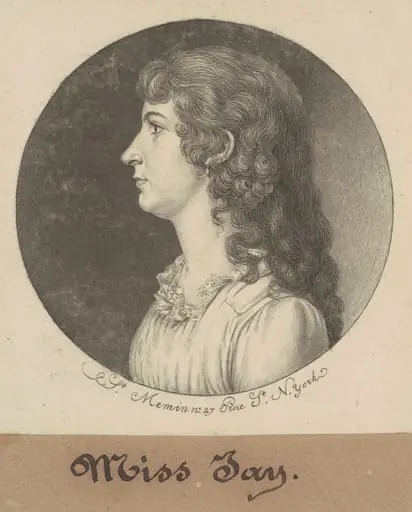
This late‑eighteenth‑century print portrays James Latimer Cuthbert in a profile view. Rendered in black on wove paper that has been mounted to a brown‑toned sheet, the image is oval in shape and presents the sitter with short, wavy hair and a composed, neutral expression. The work is held in the collection of the National Gallery of Art.
Subject & Meaning
The portrait focuses on Cuthbert’s facial features, employing a side‑on perspective that was typical for formal representations of the period. By isolating the profile, the artist emphasizes the sitter’s physiognomy and conveys a sense of restrained dignity without overt narrative elements.
Technique & Style
Created through a combination of mezzotint and engraving, the print achieves a range of tonal values using fine incised lines and subtle gradations of black ink. The choice of wove paper, both for the image and its mounting, provides a smooth surface that enhances the delicacy of the tonal transitions characteristic of late‑18th‑century printmaking.
History & Provenance
The work originates from the final decades of the 1700s and entered the National Gallery of Art’s holdings through acquisition, where it remains catalogued as part of the museum’s print and drawing collection. Its provenance traces back to the original print run, though specific details of earlier ownership are not recorded in the available documentation.
Artist & collection

Artist
Charles Balthazar Julien Févret de Saint-Mémin
Charles Balthazar Julien Févret de Saint-Mémin (French pronunciation: ; 1770–1852) was a French portrait painter and museum director.