Artwork
James Riddle
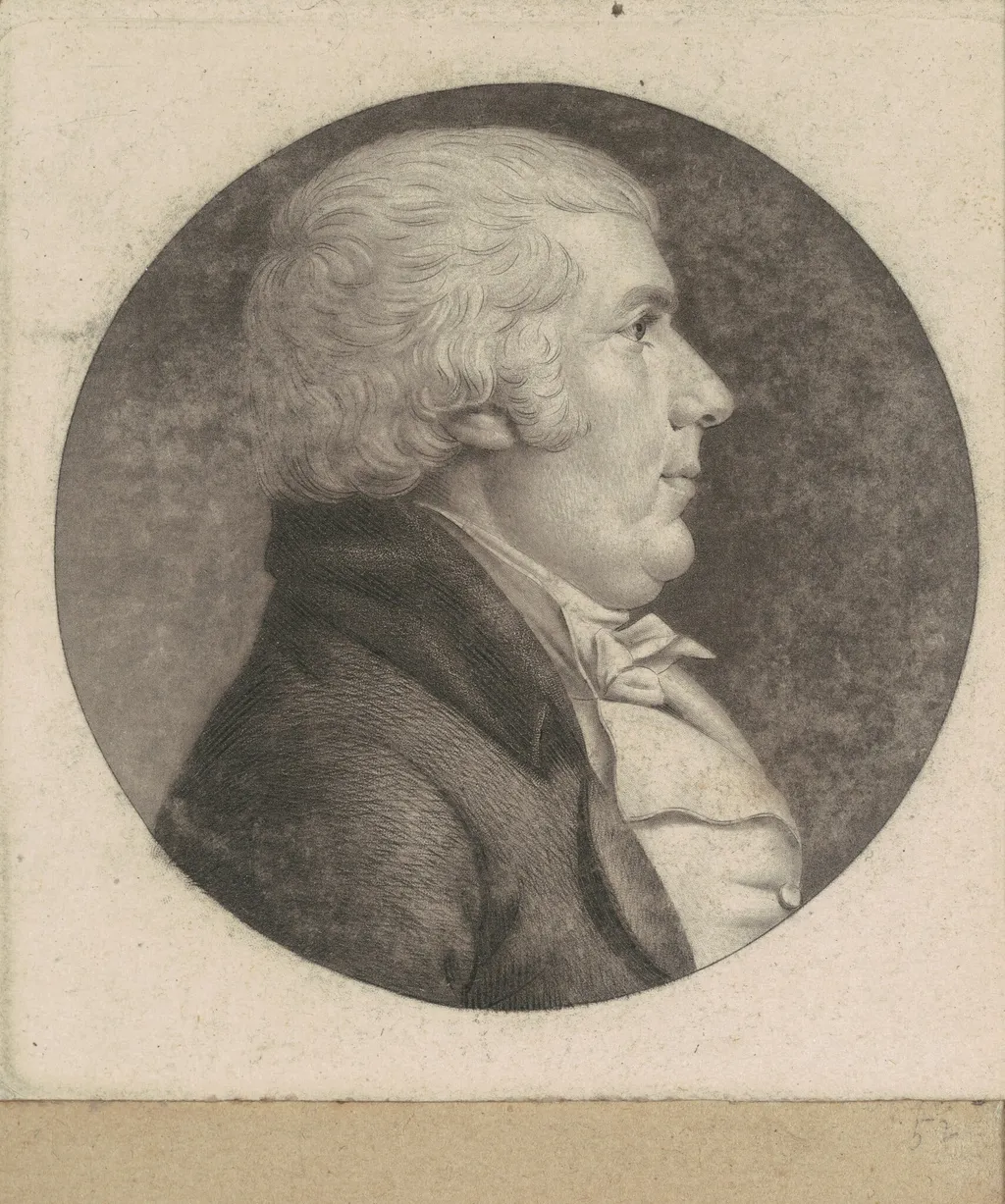
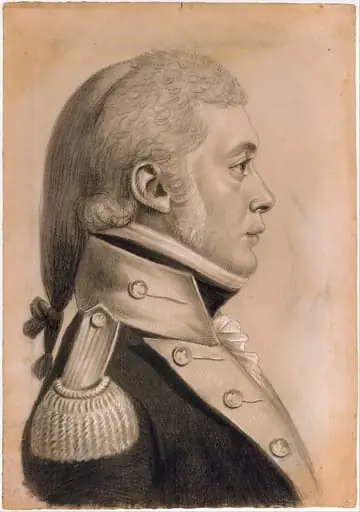
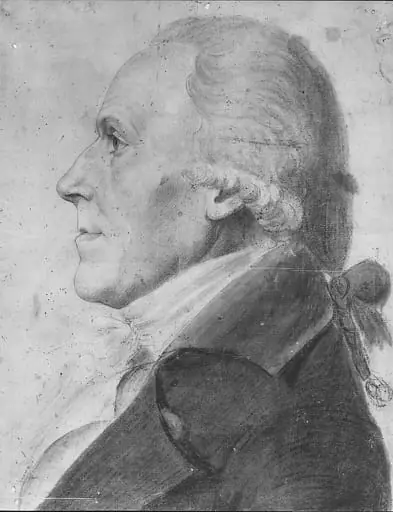
James Riddle is an ink print by the Romanticist artist Charles Balthazar Julien Févret de Saint-Mémin. It dates from 1800 and is held in the collection of the National Gallery of Art.
About this work
You can learn more about this type of art by looking at the work of artist: Saint-Mémin, Charles B.
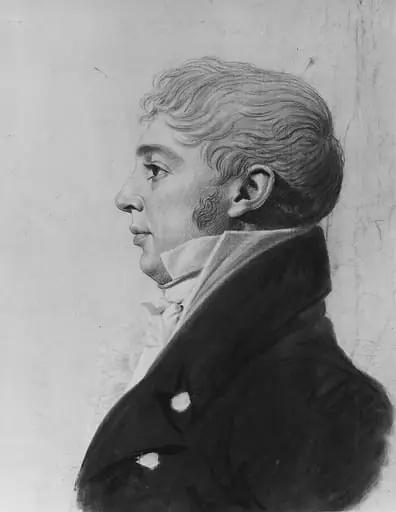
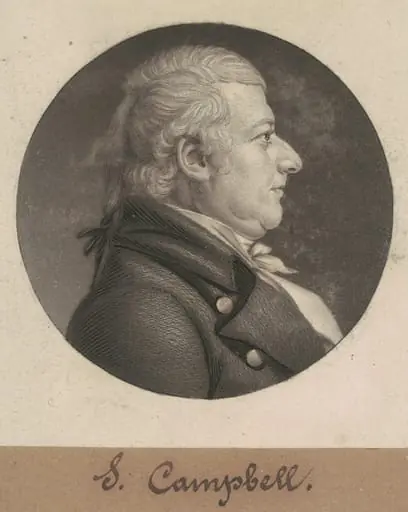
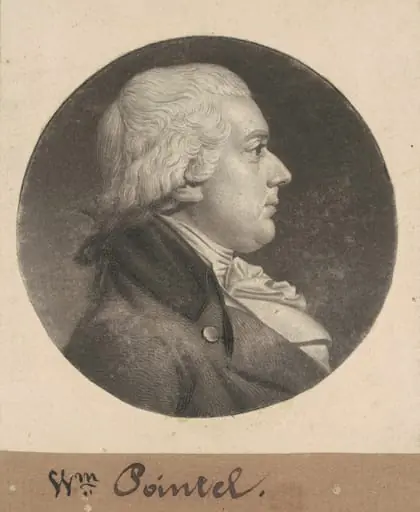
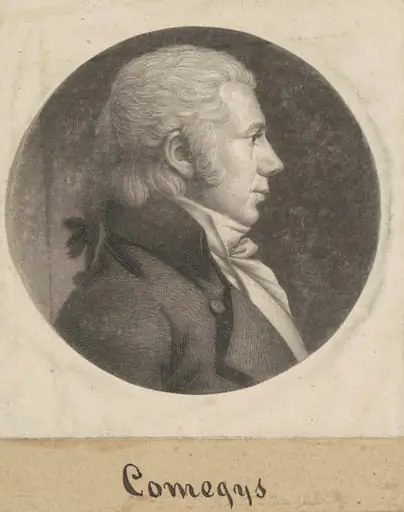
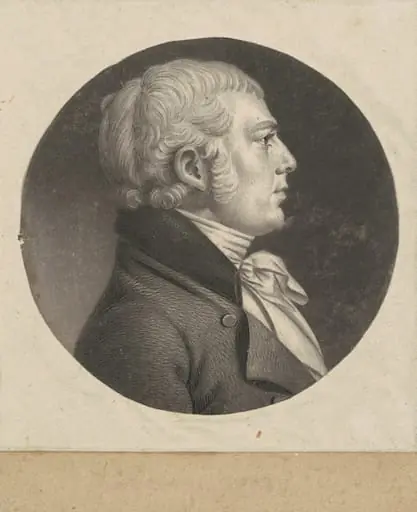
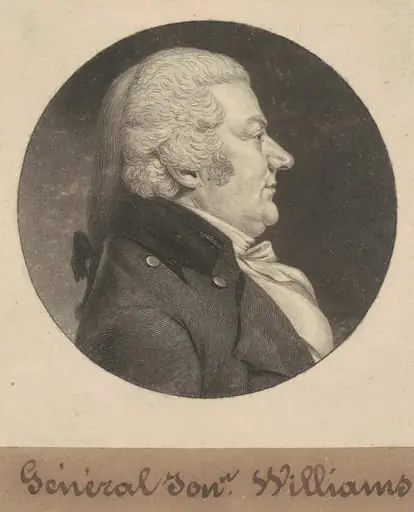
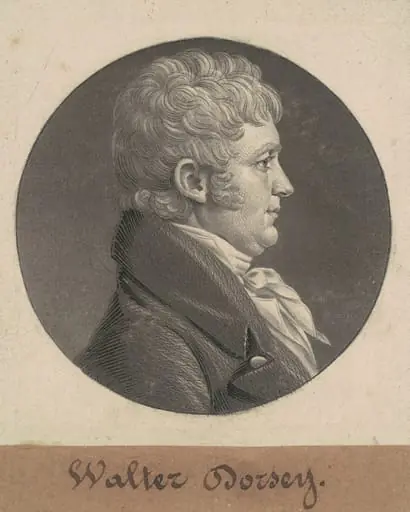
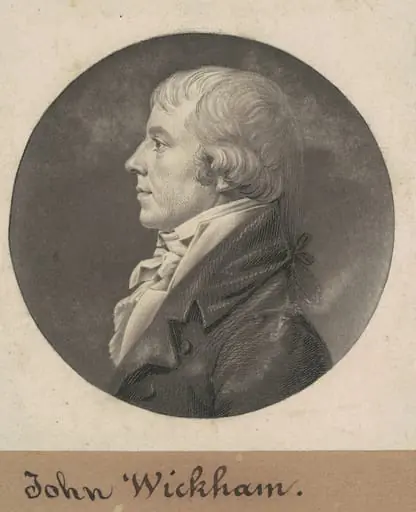
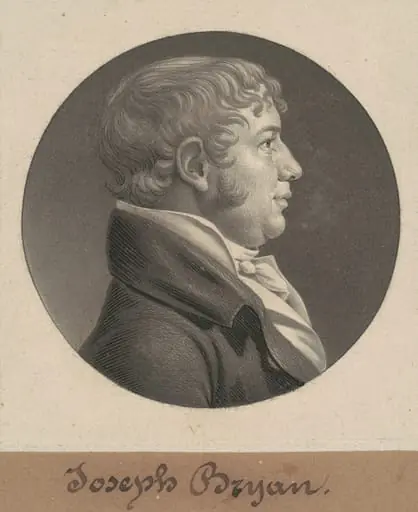
This portrait shows a man with a serious face.
He is dressed in old-fashioned clothes.
The artist used a special technique to create lots of shades and details in the picture.
The portrait is interesting because it was made a long time ago, between 1798 and 1802. The artist used a combination of mezzotint and engraving to create the image. This was a common way to make portraits back then.
You can learn more about this type of art by looking at the work of artist: Saint-Mémin, Charles B. J. Févret de.
Overview
This portrait of James Riddle was produced by Charles B. J. Févret de Saint-Mémin between 1798 and 1802 using mezzotint and engraving techniques on wove paper. The image is mounted on brown wove paper, a common practice for preserving delicate prints. It belongs to the Corcoran Collection, now held by the National Gallery of Art in Washington, D.C., and represents one of many portraits Saint-Mémin made during his time in the United States.
Subject & Meaning
James Riddle, the subject, is depicted with a composed, solemn expression and dressed in attire typical of the late 18th century. His clothing and posture suggest a man of modest social standing, possibly a professional or civic figure. The portrait does not idealize its subject but presents a restrained, factual representation, reflecting the period’s emphasis on individual character over grandeur.
Technique & Style
Saint-Mémin combined mezzotint, which allows rich tonal gradations, with fine engraving lines to define facial features and fabric textures. The mezzotint ground creates deep blacks and subtle mid-tones, while engraved details sharpen contours and add precision. This hybrid method was favored for its ability to render lifelike skin tones and intricate clothing, making it ideal for portrait reproduction in an era before photography.
History & Provenance
The print was created during Saint-Mémin’s years in the United States, where he produced hundreds of portraits for American patrons. It entered the Corcoran Collection in the 19th century and was transferred to the National Gallery of Art in 1996 following the dissolution of the Corcoran Gallery. Its preservation reflects its value as a historical document of early American portraiture.
Context
In the late 1790s and early 1800s, mezzotint and engraving were primary methods for disseminating portraits among the American middle and upper classes. Saint-Mémin, a French émigré, became a leading practitioner of this craft in the U.S., adapting European techniques to meet local demand for personal likenesses. His work helped establish a visual record of early American society.
Legacy
Saint-Mémin’s portraits, including this one of James Riddle, remain important for their technical precision and historical documentation. They offer insight into the aesthetics and social values of early republican America. While not widely known today, his prints are studied for their role in shaping the visual culture of the period and for preserving the likenesses of ordinary citizens alongside prominent figures.
Artist & collection

Artist
Charles Balthazar Julien Févret de Saint-Mémin
Charles Balthazar Julien Févret de Saint-Mémin (French pronunciation: ; 1770–1852) was a French portrait painter and museum director.