Artwork
John Moore White
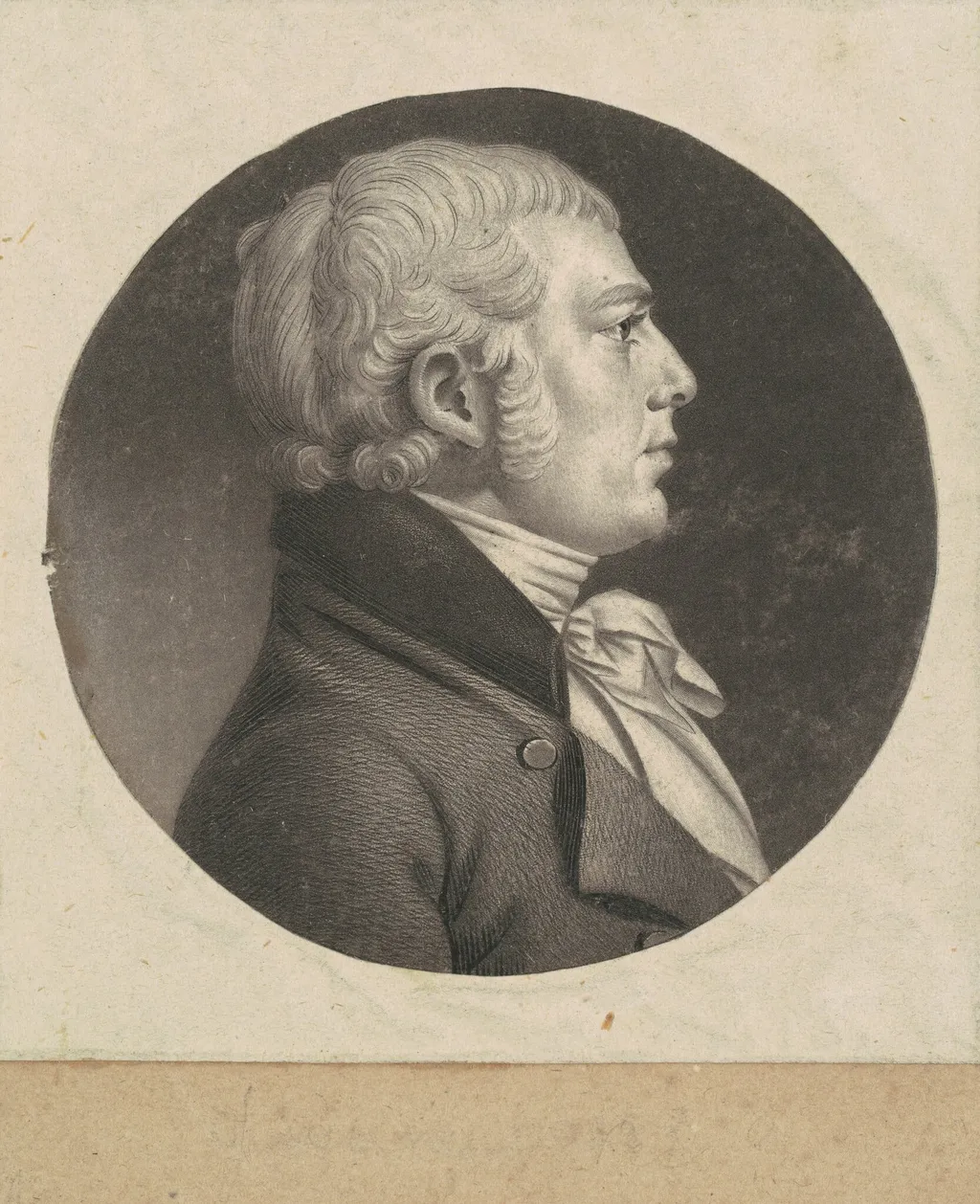
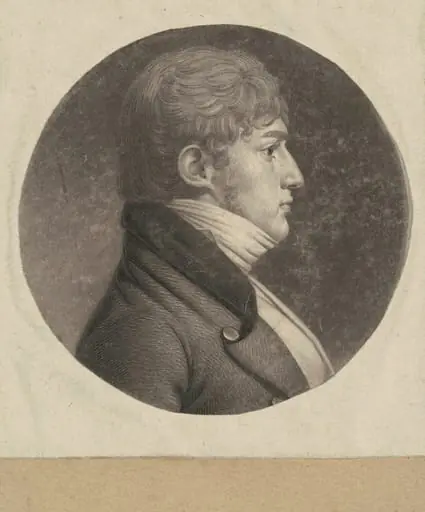
John Moore White is an ink print by the Romanticist artist Charles Balthazar Julien Févret de Saint-Mémin. It dates from 1800 and is held in the collection of the National Gallery of Art.
About this work
Overview
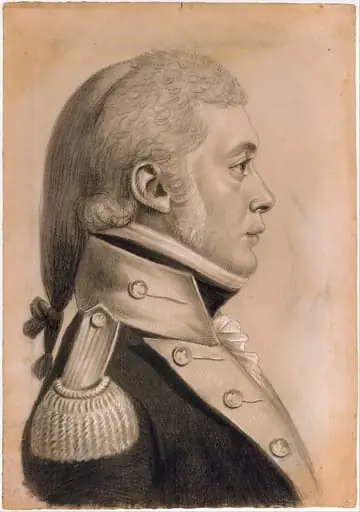
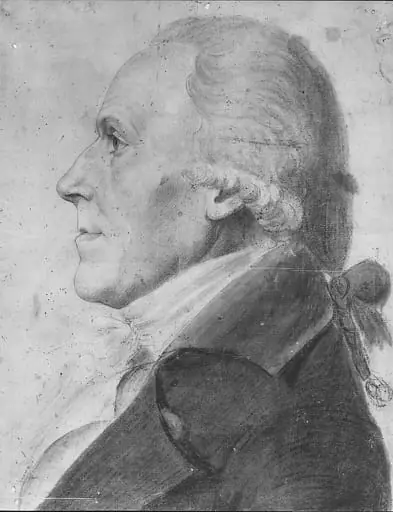
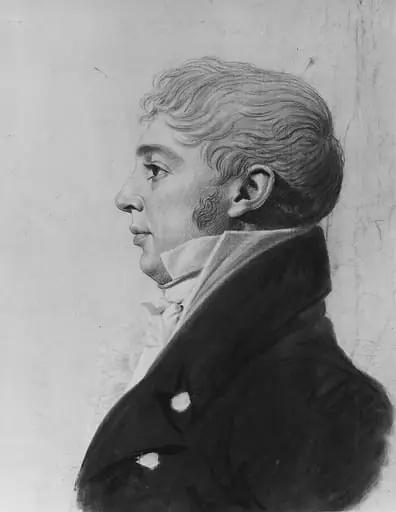
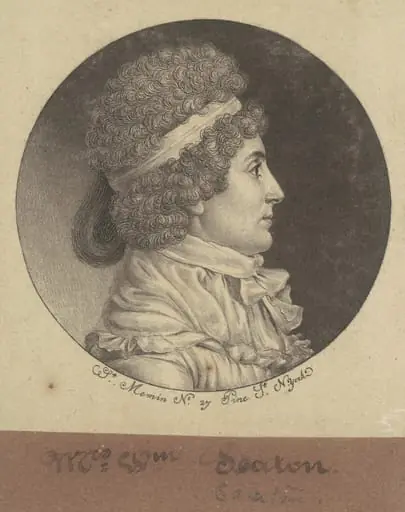
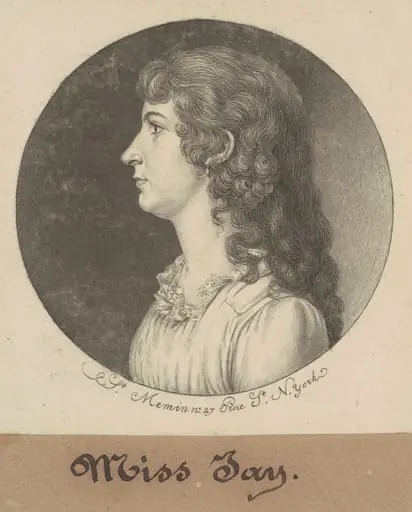
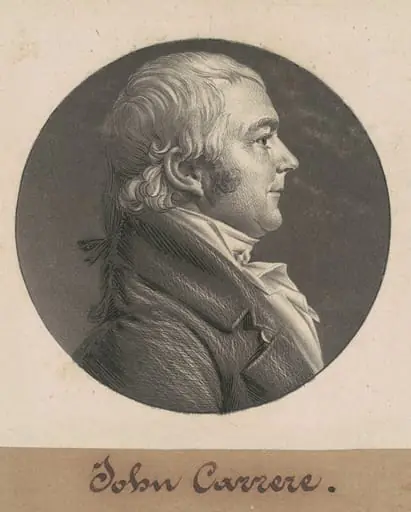
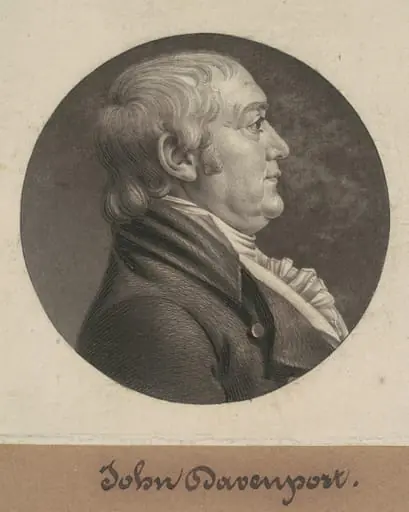
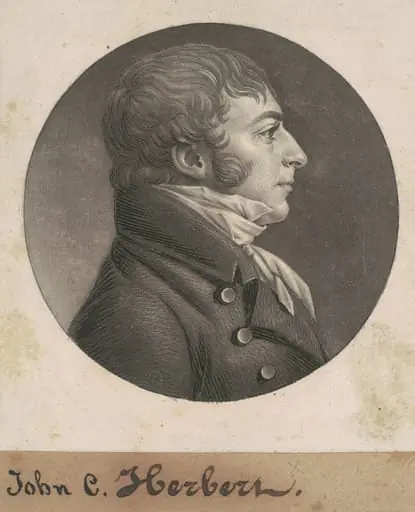
This small portrait print, created between 1798 and 1803, depicts John Moore White in right-facing profile. Executed in mezzotint and engraving on wove paper, it is mounted on a brown wove support. Measuring just over five centimeters square, the work exemplifies the precision possible in intimate portrait prints of the period, using fine line work to render form despite its diminutive scale.
Subject & Meaning
The sitter, John Moore White, is portrayed without adornment or context, emphasizing his individual presence rather than social status. The profile view, common in neoclassical portraiture, suggests restraint and clarity of character. The absence of background or symbolic elements directs focus entirely to the subtle modeling of facial features, conveying a quiet, contemplative demeanor.
Technique & Style
The technique’s labor-intensive nature reflects a commitment to detail, typical of Saint-Mémin’s approach to portrait miniatures in print.
The artist employed mezzotint to achieve rich tonal gradations, complemented by fine engraving lines that define contours and texture. This combination allowed for nuanced shading within a tiny format, capturing the soft transitions of skin and the crispness of hair. The technique’s labor-intensive nature reflects a commitment to detail, typical of Saint-Mémin’s approach to portrait miniatures in print.
History & Provenance
Charles B. J. Févret de Saint-Mémin, a French émigré artist, produced this portrait during his years in the United States, where he specialized in profile portraits for the American elite. The work likely originated as part of a series commissioned by patrons seeking compact, durable likenesses. Its survival in original mounting suggests careful preservation by early collectors.
Context
In the late 18th and early 19th centuries, profile portraits in print were popular among the educated middle class as affordable alternatives to painted miniatures. Saint-Mémin’s use of mezzotint elevated these works beyond mere likenesses, aligning them with fine art traditions. The format also suited the era’s interest in scientific observation and precise representation.
Legacy
Saint-Mémin’s small-scale mezzotints influenced American portraiture by demonstrating how technical mastery could achieve dignity and depth in modest formats. Though not widely exhibited today, these prints remain important examples of early American graphic art, illustrating the intersection of European technique and New World patronage.
Artist & collection

Artist
Charles Balthazar Julien Févret de Saint-Mémin
Charles Balthazar Julien Févret de Saint-Mémin (French pronunciation: ; 1770–1852) was a French portrait painter and museum director.