Artwork
John C. Hubner
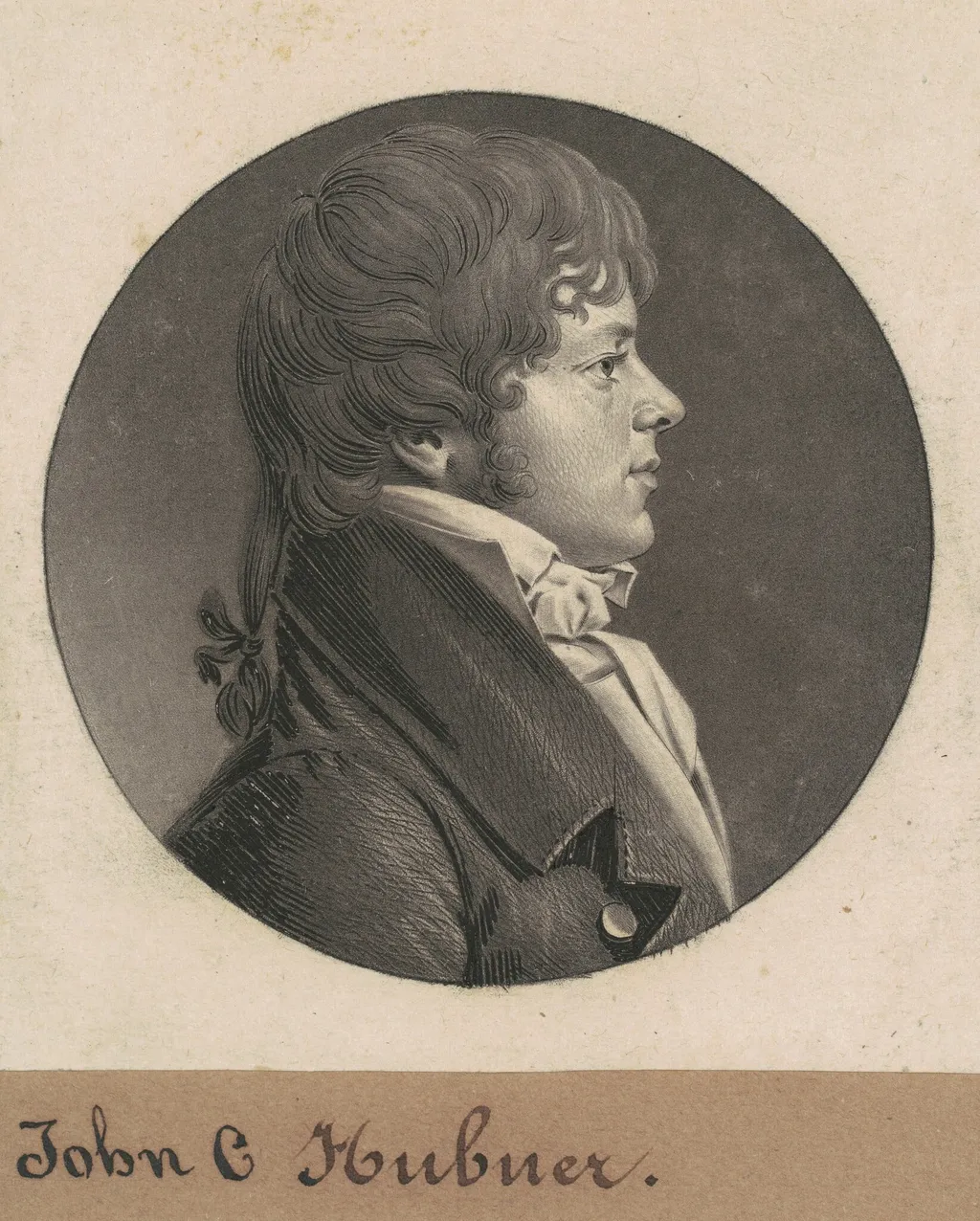
John C. Hubner is an ink print by the Romanticist artist Charles Balthazar Julien Févret de Saint-Mémin. It dates from 1808 and is held in the collection of the National Gallery of Art. John C.
About this work
Saint-Mémin used a rare style called cross-hatching to shade the skin.
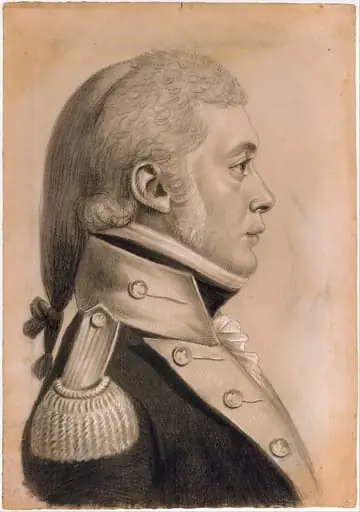
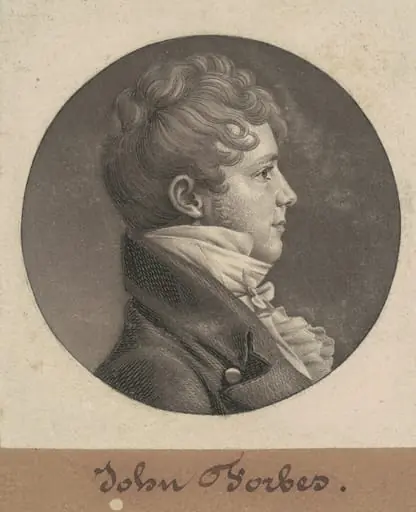
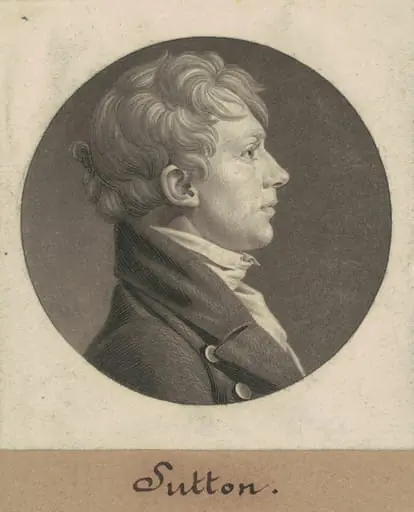
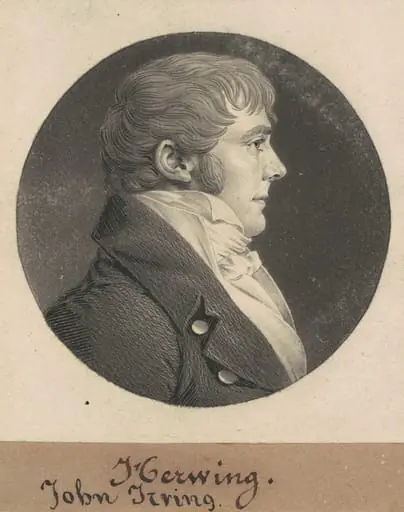
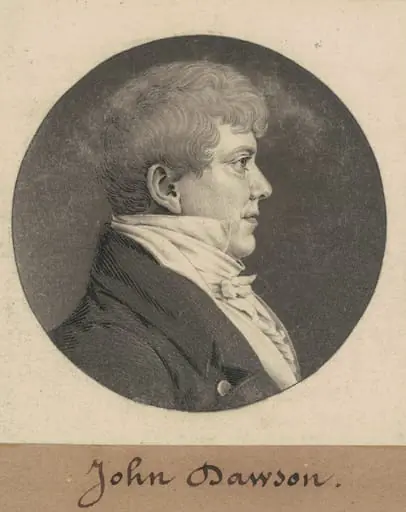
This tiny 1808 print shows John C. Hubner’s face in soft dark tones. His hair curls under a high collar. The background blurs to keep focus on him.
Saint-Mémin used a rare style called cross-hatching to shade the skin. Tiny lines build up smooth shadows without smudging. The paper feels stiff under the ink.
Look closer to see each hair-like line. It’s like a secret code of light and dark. Try comparing it to Saint-Mémin, Charles B. J. Févret de.
Overview
John C. Hubner is a portrait print by Charles B. J. Févret de Saint-Mémin, dated 1808. Executed in mezzotint and engraving on wove paper, the work measures 5.56 × 5.56 cm and is mounted on brown wove paper.
Subject & Meaning
The portrait focuses on John C. Hubner, rendered in soft dark tones with attention drawn to his face. His hair is depicted curling under a high collar, set against a blurred background that emphasizes the subject.
Technique & Style
Saint-Mémin employed cross-hatching to achieve smooth, smudge-free shadows on Hubner's skin. This technique involves layering tiny, hair-like lines to modulate light and dark, demonstrating the artist's mastery of subtle texture and depth.
History & Provenance
The print is part of the Corcoran Collection, indicating its inclusion in a notable art assembly. The specific history of ownership or exhibition before its incorporation into the collection is not detailed here.
Context
Created in 1808, the work reflects the artistic preferences of the late 18th to early 19th century, where detailed, intimate portraits were valued. Saint-Mémin's use of mezzotint and engraving aligns with the period's printmaking techniques.
Artist & collection

Artist
Charles Balthazar Julien Févret de Saint-Mémin
Charles Balthazar Julien Févret de Saint-Mémin (French pronunciation: ; 1770–1852) was a French portrait painter and museum director.