Artwork
John Sutton
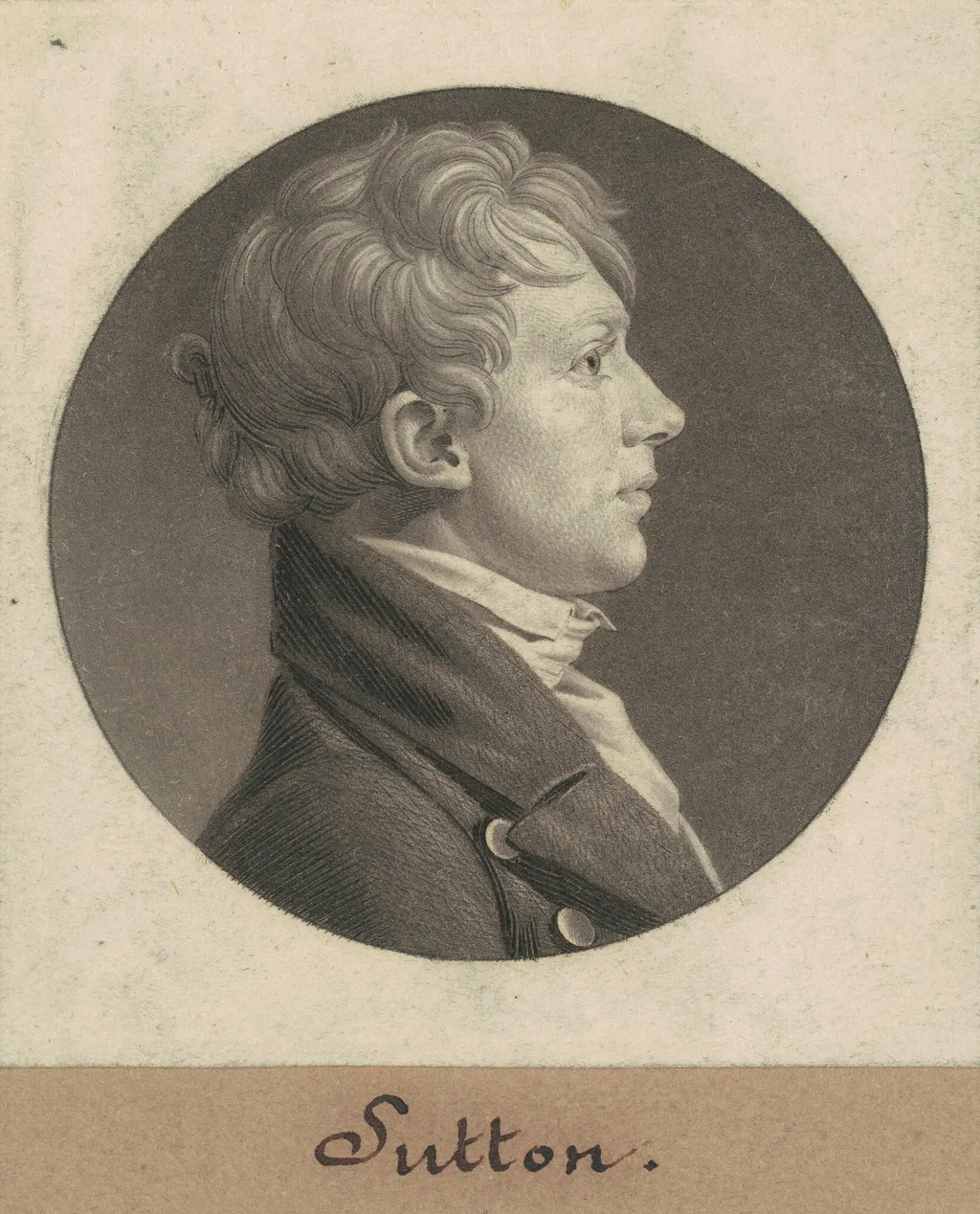
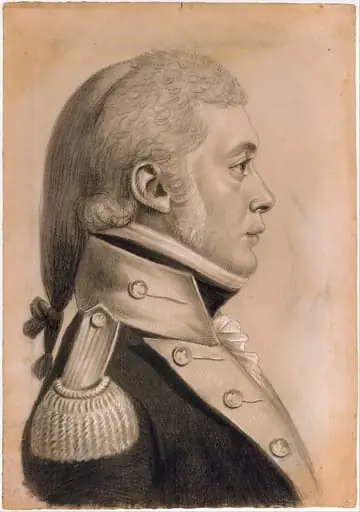
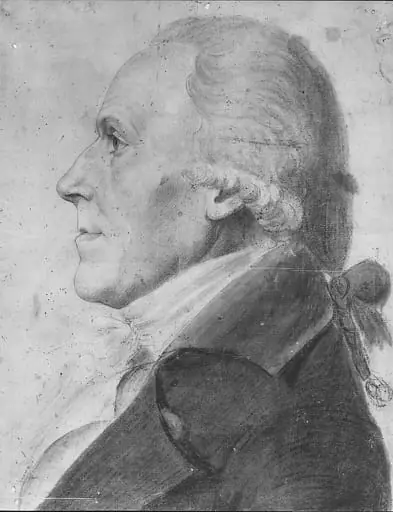
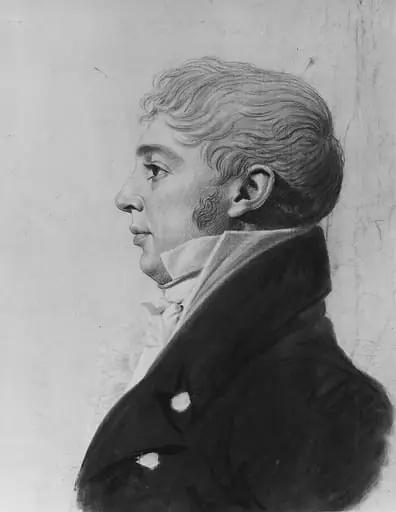
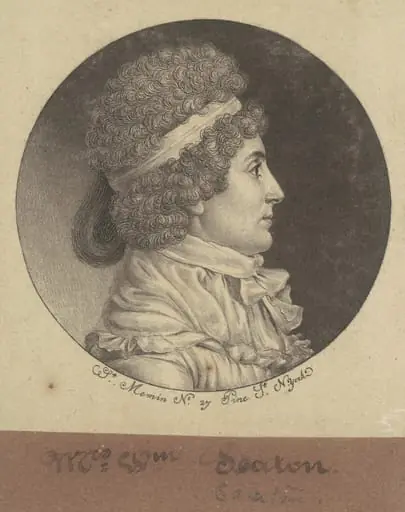
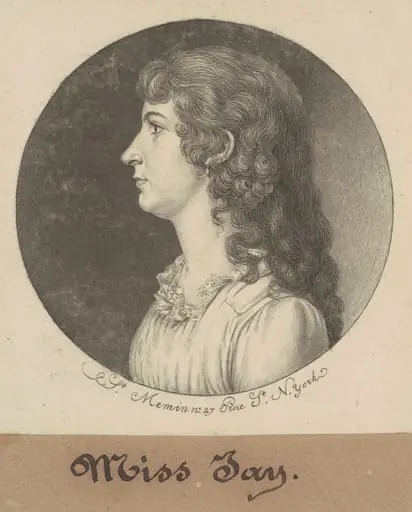
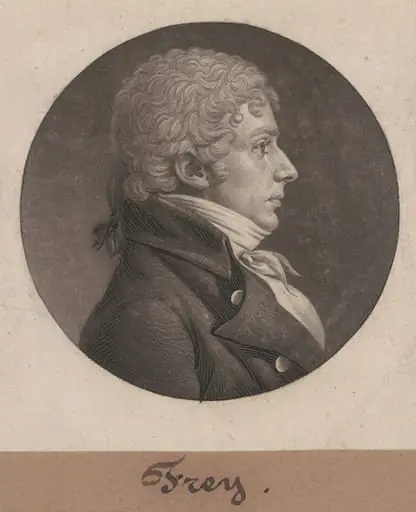
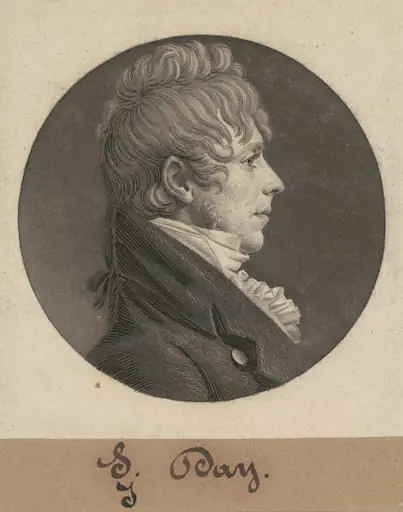
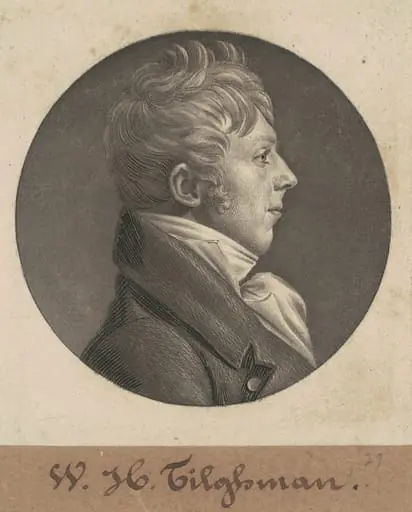
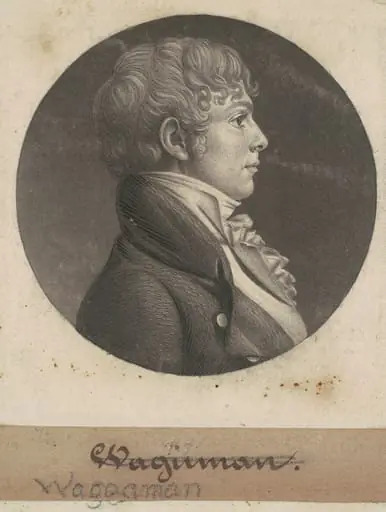
John Sutton is an ink print by the Romanticist artist Charles Balthazar Julien Févret de Saint-Mémin. It dates from 1805 and is held in the collection of the National Gallery of Art. This small print, created in 1805, is a mezzotint and engraving by Charles B.
About this work
Overview
Executed in black ink on wove paper and mounted to a brown wove support, it measures just over five and a half centimeters square.
This small print, created in 1805, is a mezzotint and engraving by Charles B. J. Févret de Saint-Mémin, depicting John Sutton. Executed in black ink on wove paper and mounted to a brown wove support, it measures just over five and a half centimeters square. Part of the Corcoran Collection, now held by the National Gallery of Art, the work exemplifies the precision possible in intimate portrait formats during the early 19th century.
Subject & Meaning
John Sutton, the subject, is portrayed with a composed, direct gaze that conveys quiet presence rather than dramatic expression. The portrait lacks overt symbolism or contextual elements, focusing solely on the individual’s likeness. Its scale suggests it was intended for private contemplation, perhaps as a keepsake or personal memento, emphasizing the sitter’s identity over narrative or status.
Technique & Style
Saint-Mémin employed mezzotint to achieve subtle tonal gradations, complemented by fine engraving lines to define features such as the collar and hair. The miniature format demanded exceptional control, with each mark contributing to the illusion of volume and texture. The result is a highly detailed likeness rendered in monochrome, showcasing the artist’s mastery of light and surface within a constrained space.
History & Provenance
The print entered the Corcoran Collection in the 19th century and was transferred to the National Gallery of Art in 1990 following the dissolution of the Corcoran Gallery. Its provenance reflects its status as a modest but carefully executed portrait, likely acquired for its technical merit rather than the sitter’s public prominence. No earlier ownership records are widely documented.
Context
In early 19th-century America, mezzotint portraiture was a favored medium for reproducing likenesses among the educated and affluent. Saint-Mémin, a French émigré, became known for his small-scale portraits of prominent figures. This work aligns with his broader practice of capturing individuals in intimate formats, often for private circulation rather than public display.
Legacy
Though not widely exhibited, the portrait remains a representative example of Saint-Mémin’s skill in translating three-dimensional presence into a tiny, finely detailed print. It contributes to the historical record of American portraiture in print form, illustrating how personal identity was preserved through meticulous craftsmanship in an era before photography.
Artist & collection

Artist
Charles Balthazar Julien Févret de Saint-Mémin
Charles Balthazar Julien Févret de Saint-Mémin (French pronunciation: ; 1770–1852) was a French portrait painter and museum director.