Artwork
John Gibbes Barnwell
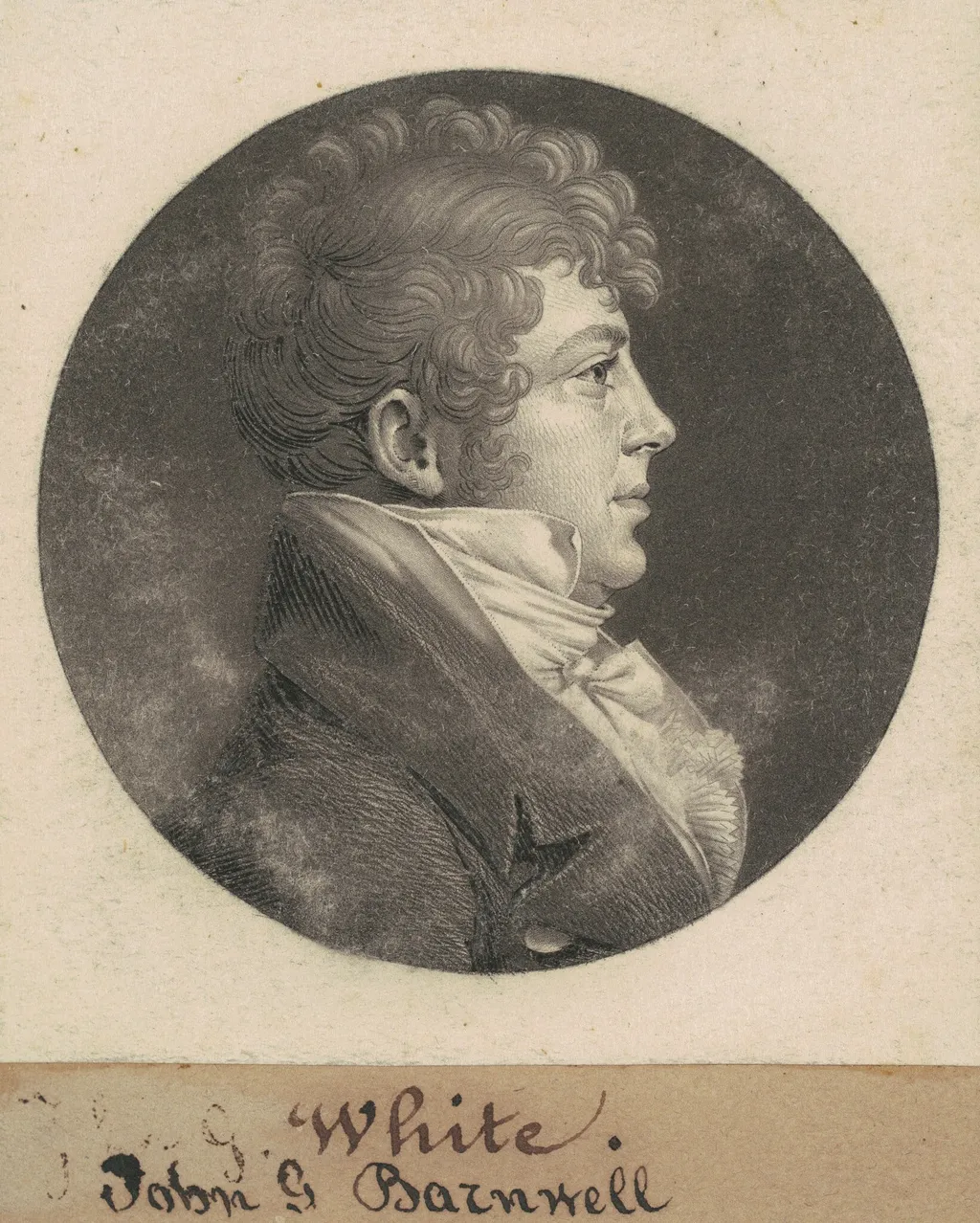
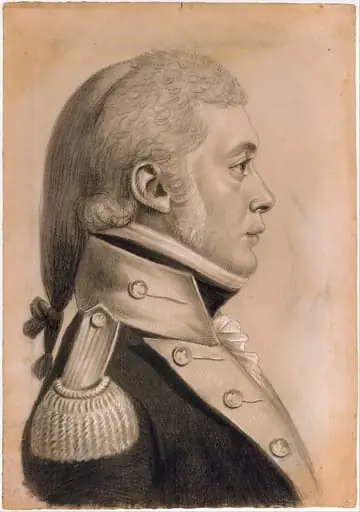
John Gibbes Barnwell is an ink print by the Romanticist artist Charles Balthazar Julien Févret de Saint-Mémin. It dates from 1809 and is held in the collection of the National Gallery of Art.
About this work
Overview
This 1809 portrait of John Gibbes Barnwell is a small-scale print combining mezzotint and engraving techniques on wove paper, mounted to a brown wove support. Created by Charles B. J. Févret de Saint-Mémin, it measures approximately 5.72 by 5.56 centimeters. The work belongs to the Corcoran Collection, reflecting its historical placement within American institutional holdings of portraiture.
Subject & Meaning
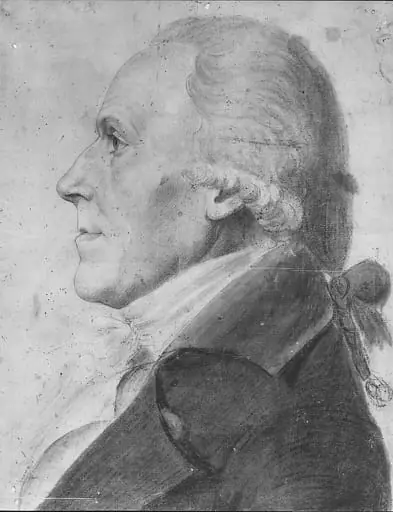
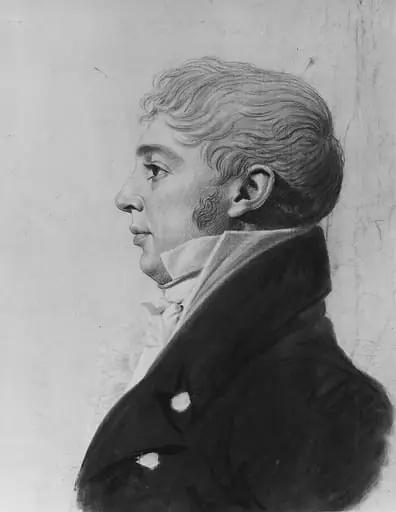
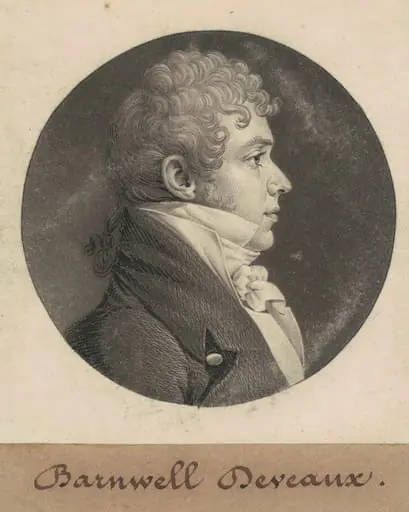
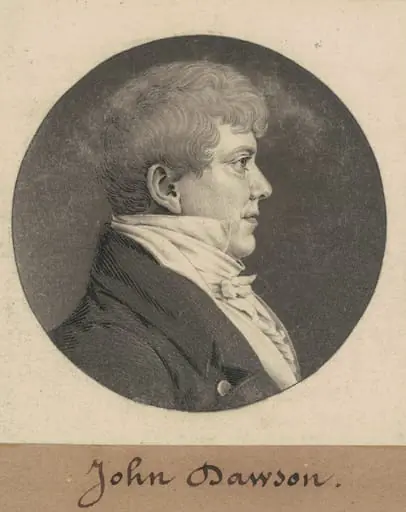
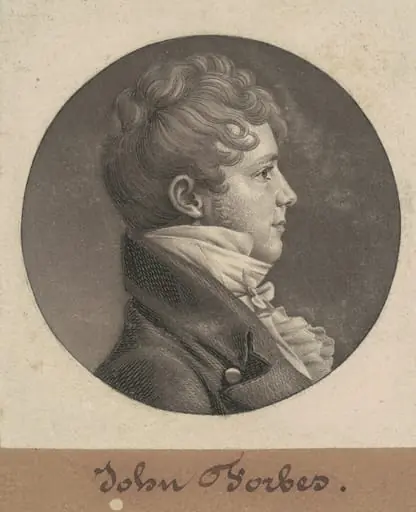
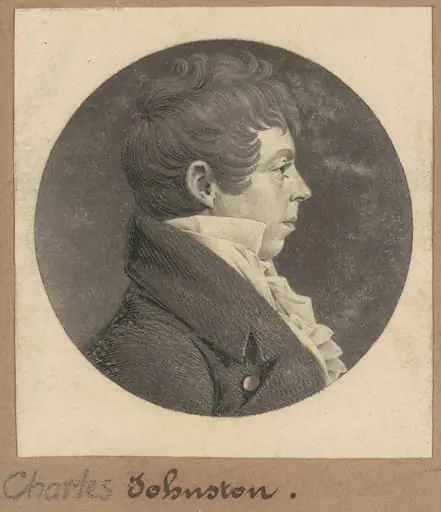
The portrait depicts John Gibbes Barnwell, a figure of early 19th-century American society, rendered with solemn expression and formal attire.
The portrait depicts John Gibbes Barnwell, a figure of early 19th-century American society, rendered with solemn expression and formal attire. His clothing suggests a conservative, perhaps aristocratic sensibility, aligning with the era’s conventions for dignified representation. The image functions as a record of personal identity, emphasizing gravity and social standing rather than individual personality.
Technique & Style
Saint-Mémin employed mezzotint to achieve subtle tonal gradations, enhanced by fine engraving lines that define facial features and fabric textures. The process involved roughening a metal plate with a rocker, then smoothing areas to hold ink, allowing for rich blacks and delicate midtones. This method, favored for its ability to capture likeness with depth, was characteristic of Saint-Mémin’s approach to portraiture.
History & Provenance
The print was produced in 1809 during Saint-Mémin’s active years in the United States, where he created numerous portraits of prominent figures. It entered the Corcoran Collection, a significant American art repository, and remained there until the collection’s redistribution in the 21st century. Its survival reflects the enduring interest in early American portraiture and the technical precision of its maker.
Context
In the early 1800s, mezzotint was a favored medium for portraiture in America due to its capacity for lifelike detail. Saint-Mémin, a French émigré, brought European printmaking traditions to the U.S., adapting them to document the nation’s emerging elite. Barnwell’s portrait fits within this broader project of visualizing civic leadership through refined graphic art.
Legacy
Though modest in size, the portrait exemplifies Saint-Mémin’s influence on American print culture. His technique set a standard for detailed portraiture in the early republic, and works like this one remain valuable for understanding how identity and status were visually constructed before photography. The print endures as a quiet artifact of its time.
Artist & collection

Artist
Charles Balthazar Julien Févret de Saint-Mémin
Charles Balthazar Julien Févret de Saint-Mémin (French pronunciation: ; 1770–1852) was a French portrait painter and museum director.