Artwork
Joseph McIlvaine
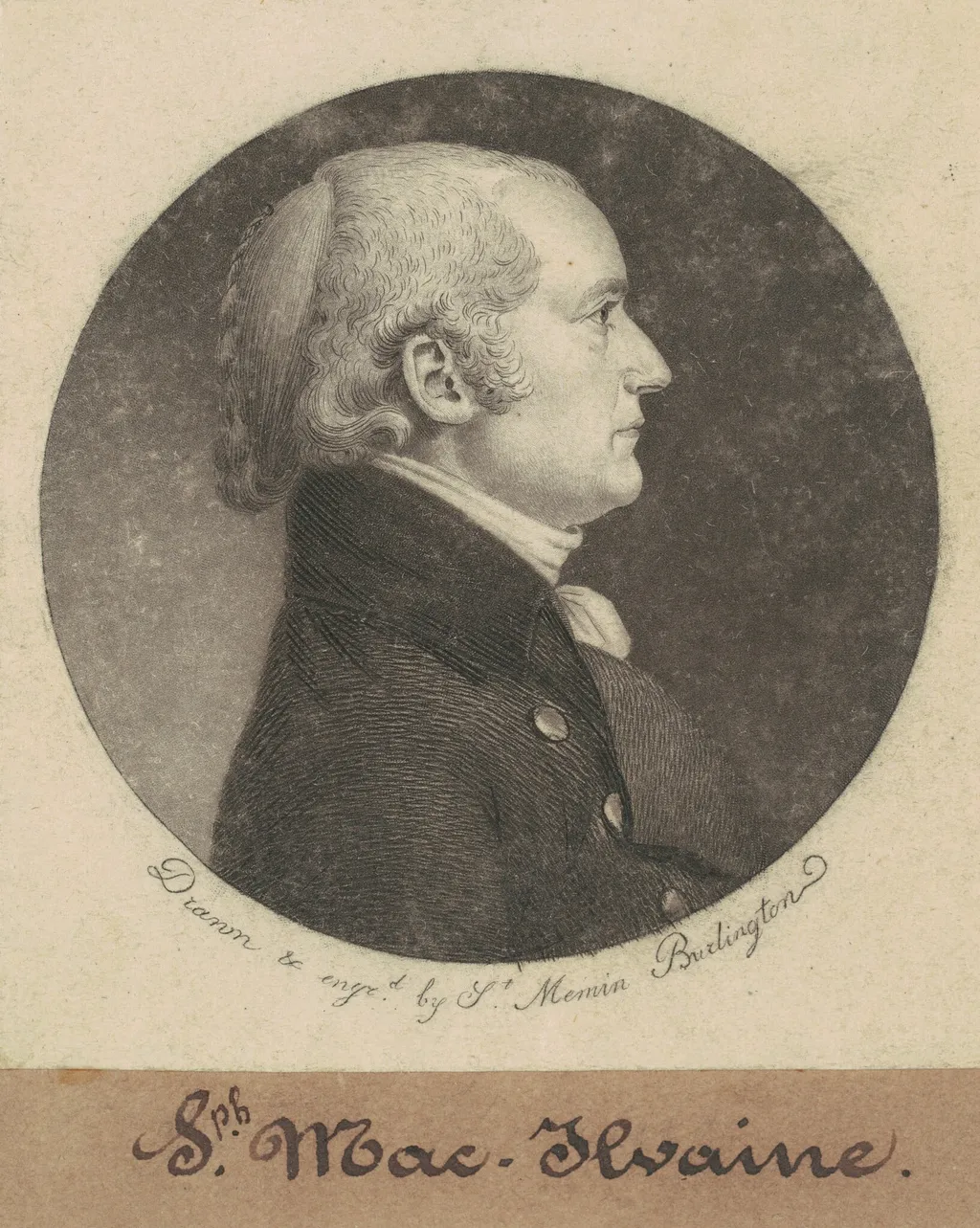
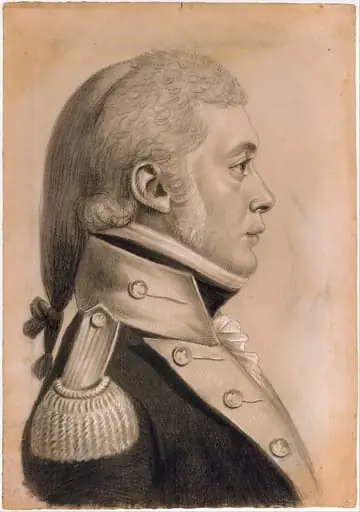
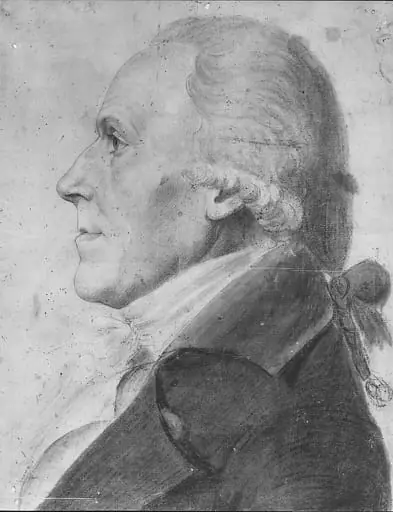
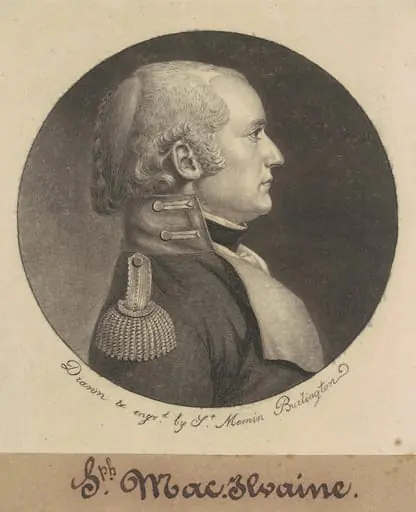
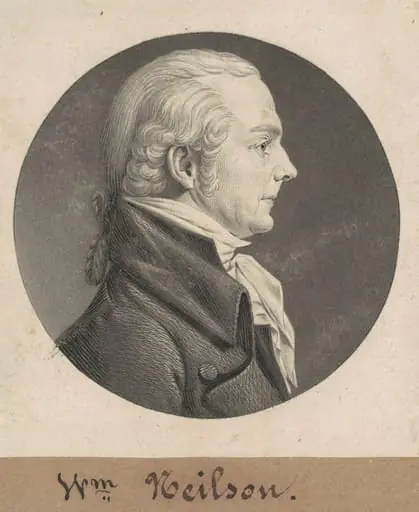
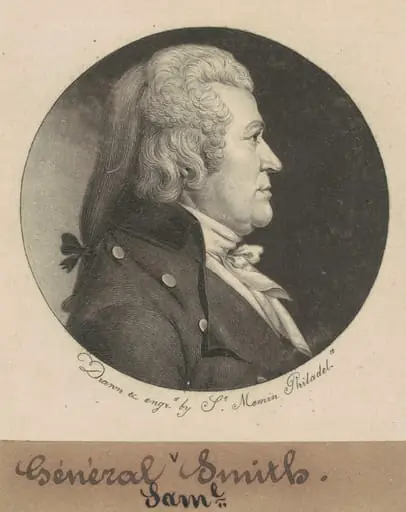
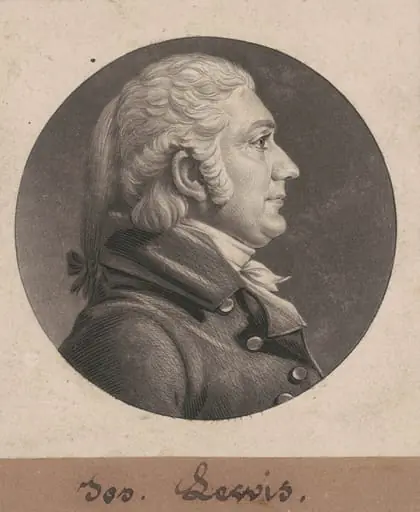
Joseph McIlvaine is an ink print by the Romanticist artist Charles Balthazar Julien Févret de Saint-Mémin. It dates from 1798 and is held in the collection of the National Gallery of Art.
About this work
The artist used a lot of detail to show his face and clothes, which is interesting because it shows the artist's skill.
You see a portrait of Joseph McIlvaine in this painting.
He's dressed in formal clothes and looks serious.
The artist used a lot of detail to show his face and clothes, which is interesting because it shows the artist's skill.
The artist, Saint-Mémin, made this portrait in 1798.
It's a mezzotint and engraving on wove paper, which was a common technique back then.
The fact that it's part of the Corcoran Collection says something about its history.
Check out the work of artist: Saint-Mémin, Charles B. J. Févret de to see more portraits like this.
Overview
This print is a portrait of Joseph McIlvaine, created in 1798 by Charles Balthazar Julien Févret de Saint-Mémin. Executed in mezzotint and engraving on wove paper, it was later mounted on brown wove paper for preservation. The work belongs to the Corcoran Collection, reflecting its historical significance within American art documentation of the late 18th century.
Subject & Meaning
Joseph McIlvaine is depicted in formal attire, conveying his social standing and professional demeanor. His expression is composed and introspective, typical of portraiture intended to communicate dignity and restraint. The image serves as a record of an individual within early American society, emphasizing identity and status rather than emotional expression.
Technique & Style
Saint-Mémin employed mezzotint to achieve subtle tonal gradations, particularly in the rendering of facial features and fabric textures. Engraving added fine linear detail to the collar and hair, enhancing precision. The combination of these techniques allowed for rich depth and clarity, characteristic of his method in producing detailed portrait prints during this period.
History & Provenance
The print was created during Saint-Mémin’s time in the United States, where he produced numerous portraits of prominent figures. It entered the Corcoran Collection in the 19th century, a repository known for its focus on American art. Its preservation there underscores its role in documenting the nation’s early elite through visual means.
Context
In the late 1790s, mezzotint was a favored medium for portrait reproduction in America, especially among those seeking to establish personal or familial legacy. Saint-Mémin, a French émigré, brought European printmaking traditions to the U.S., adapting them to meet the demand for dignified likenesses among the emerging American upper class.
Legacy
Saint-Mémin’s portraits, including this one, remain important references for understanding early American visual culture. His technical approach influenced subsequent generations of printmakers. The survival of this work in a major institutional collection ensures its continued availability for study and historical analysis.
Artist & collection

Artist
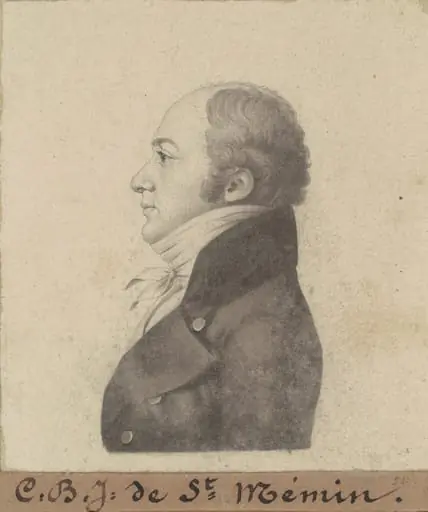
Charles Balthazar Julien Févret de Saint-Mémin
Charles Balthazar Julien Févret de Saint-Mémin (French pronunciation: ; 1770–1852) was a French portrait painter and museum director.