Artwork
Samuel Smith
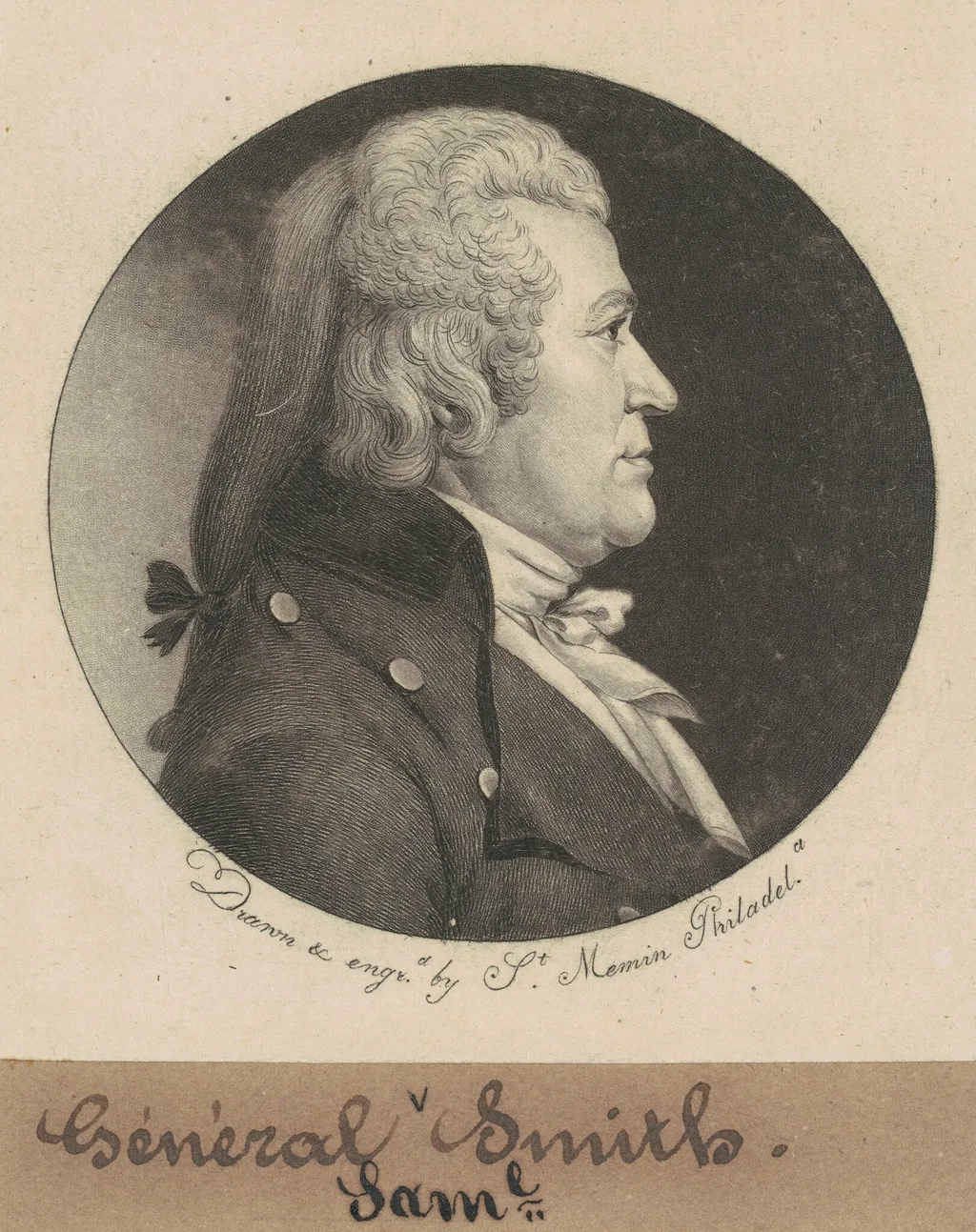
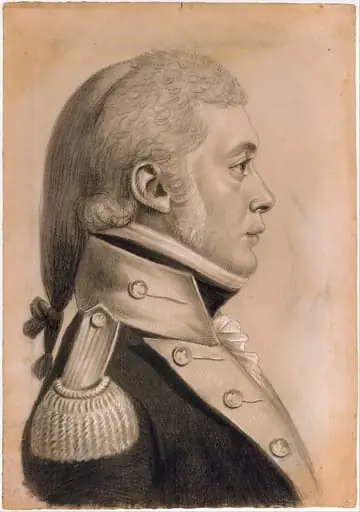
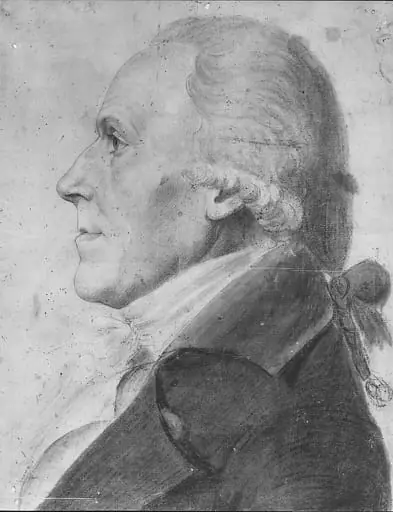
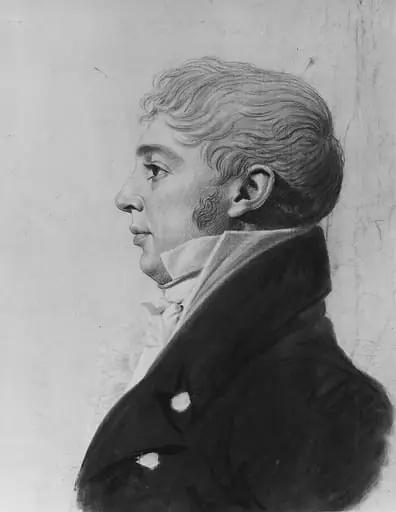
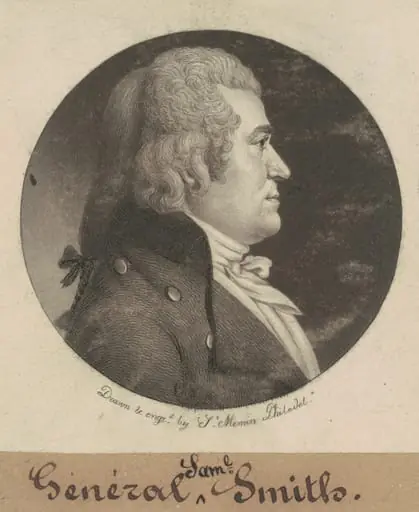
Samuel Smith is an ink print by the Romanticist artist Charles Balthazar Julien Févret de Saint-Mémin. It dates from 1798 and is held in the collection of the National Gallery of Art.
About this work
Overview
The work is a portrait print of Samuel Smith, executed in both mezzotint and engraving. Rendered entirely in black, the image appears on wove paper that has been affixed to a brown wove backing. The piece belongs to the Corcoran Collection of the National Gallery of Art.
Subject & Meaning
Samuel Smith is depicted in modest attire, his features rendered with careful attention to convey a lifelike presence. The simplicity of his clothing and the directness of the composition suggest a focus on personal character rather than status or allegory.
Technique & Style
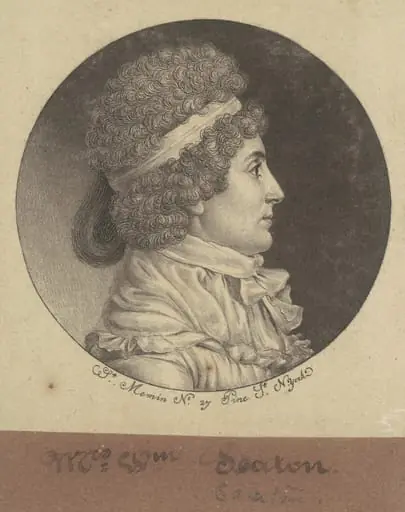
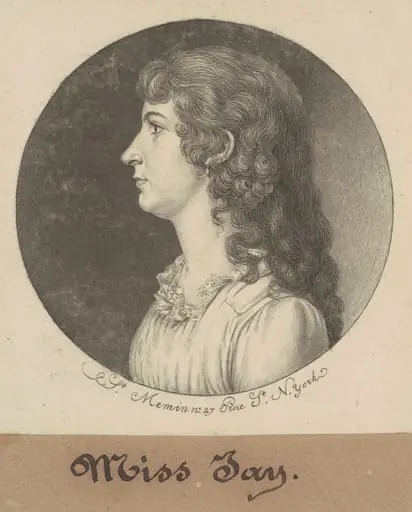
The artist employed a combined mezzotint and engraving process, incising fine lines into a metal plate before transferring the image onto paper. This hybrid method allowed for rich tonal gradations alongside crisp linear detail, a common approach for portraiture in the late eighteenth and early nineteenth centuries.
History & Provenance
Created by Charles B. J. Févret de Saint‑Mémin, a noted French-American printmaker, the portrait entered the National Gallery of Art’s holdings as part of the Corcoran Collection. Its documented provenance traces back to the artist’s original output and subsequent acquisition by the museum.
Context
Saint‑Mémin specialized in portrait prints that combined the tonal softness of mezzotint with the precision of engraving, catering to a market that valued realistic likenesses. This work reflects the broader trend of using print media to disseminate images of prominent individuals during the period.
Artist & collection

Artist
Charles Balthazar Julien Févret de Saint-Mémin
Charles Balthazar Julien Févret de Saint-Mémin (French pronunciation: ; 1770–1852) was a French portrait painter and museum director.