Artwork
Leven Powell
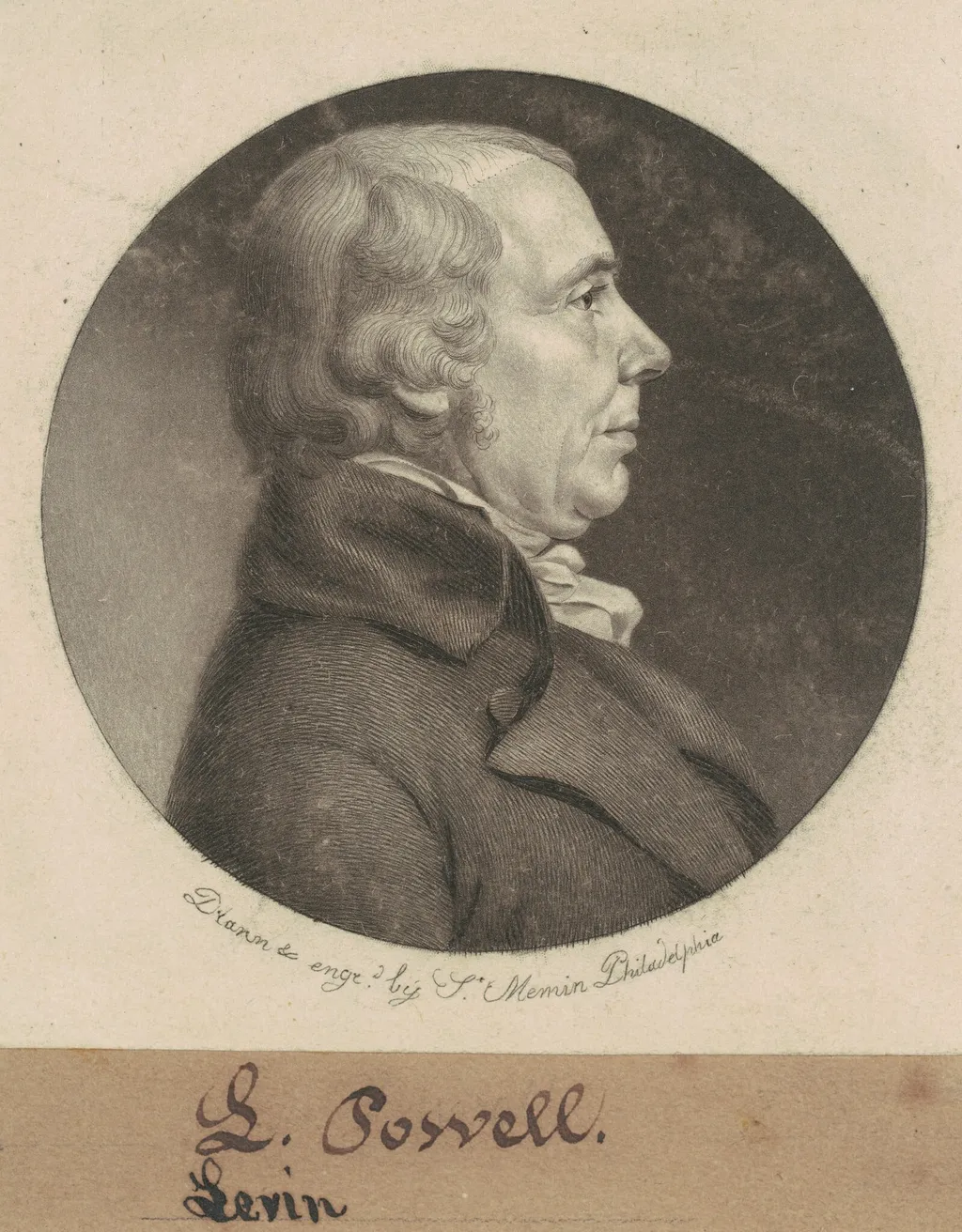
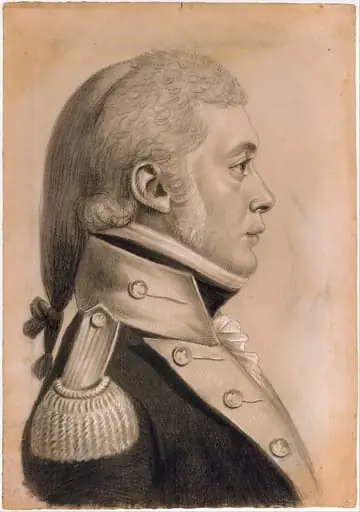
Leven Powell is an ink print by the Romanticist artist Charles Balthazar Julien Févret de Saint-Mémin. It dates from 1800 and is held in the collection of the National Gallery of Art. This print is a mezzotint and engraving on wove paper, mounted to a brown wove support.
About this work
Overview
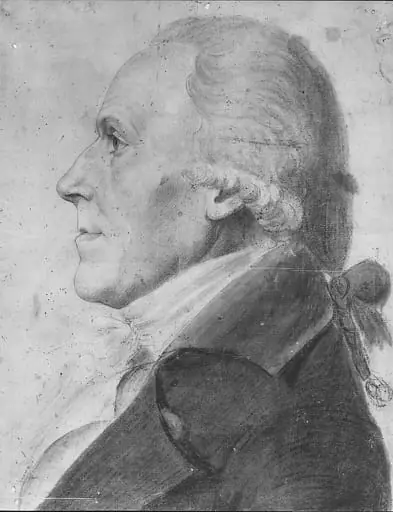
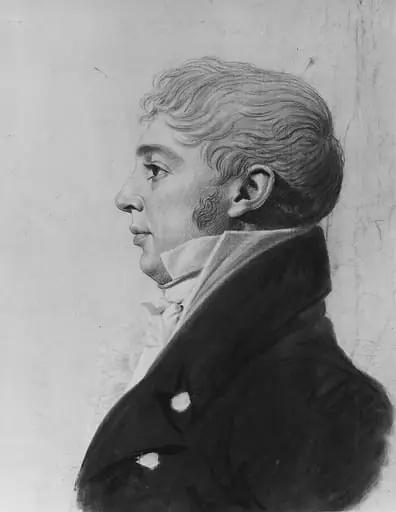
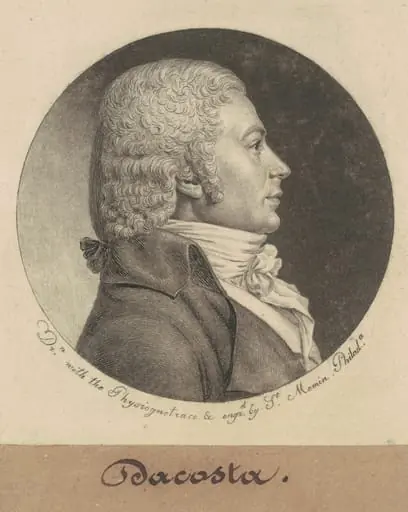
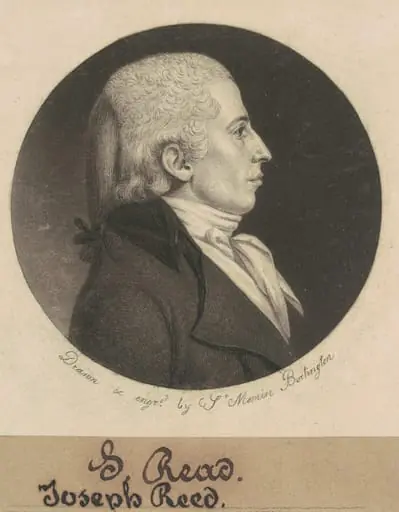
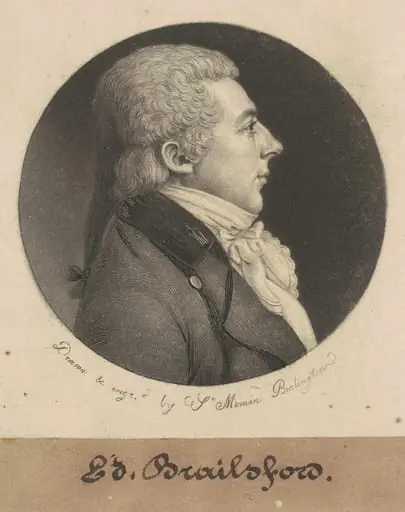
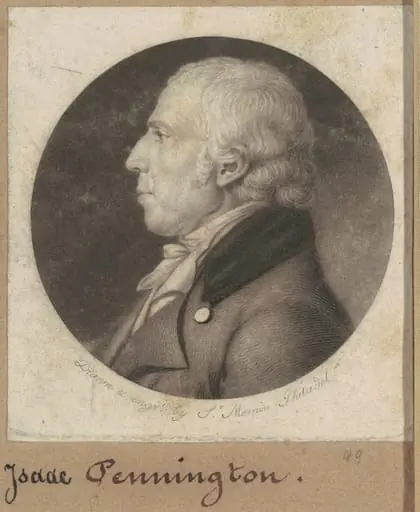
It depicts a male subject in strict profile, rendered with fine linear detail characteristic of early 19th-century American portraiture.
This print is a mezzotint and engraving on wove paper, mounted to a brown wove support. It depicts a male subject in strict profile, rendered with fine linear detail characteristic of early 19th-century American portraiture. The work is attributed to Charles B. J. Févret de Saint-Mémin, a French-born artist known for his precision in portraiture. The image is housed in the collection of the Smithsonian Institution.
Subject & Meaning
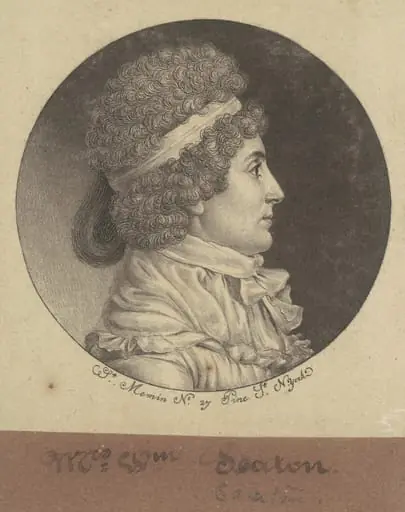
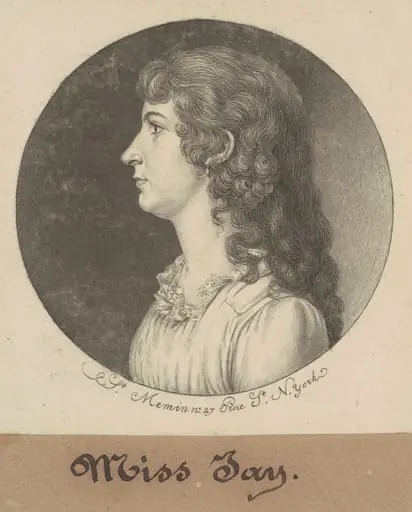
The subject is identified as Leven Powell, though the inclusion of the names 'L. Possell' and 'Levin' in the circular border suggests possible confusion or alternative identification. These inscriptions may reference the sitter’s full name, a patron, or collaborators involved in the print’s production. The portrait’s formal composition emphasizes dignity and social standing, typical of elite portraiture of the period.
Technique & Style
Saint-Mémin employed mezzotint and engraving to achieve subtle tonal gradations and crisp detail, particularly in the texture of the sitter’s curly hair and the folds of his dark coat. The white cravat contrasts sharply against the darker tones, drawing focus to the face. The circular format frames the profile with classical restraint, reflecting the influence of Neoclassical ideals in American portraiture.
History & Provenance
Created during Saint-Mémin’s active years in the United States, this print likely dates to the early 1800s. It was produced as part of a series of profile portraits commissioned by wealthy patrons or institutions. The work entered the Smithsonian’s collection through documented acquisition, preserving its place in the archive of early American graphic art.
Context
Saint-Mémin’s profile portraits were part of a broader trend in post-Revolutionary America, where citizens sought visual records of their identity without the cost of oil painting. His technique, adapted from European traditions, allowed for mass production of likenesses. These prints served as both personal mementos and markers of social status among the emerging middle and upper classes.
Legacy
Saint-Mémin’s profile portraits, including this one, remain significant for their technical precision and historical documentation of early American figures. Though often overlooked in favor of painted portraits, his prints offer insight into the dissemination of portraiture beyond elite circles. They continue to inform studies of identity, print culture, and artistic practice in the young republic.
Artist & collection

Artist
Charles Balthazar Julien Févret de Saint-Mémin
Charles Balthazar Julien Févret de Saint-Mémin (French pronunciation: ; 1770–1852) was a French portrait painter and museum director.