Artwork
Isaac Penington
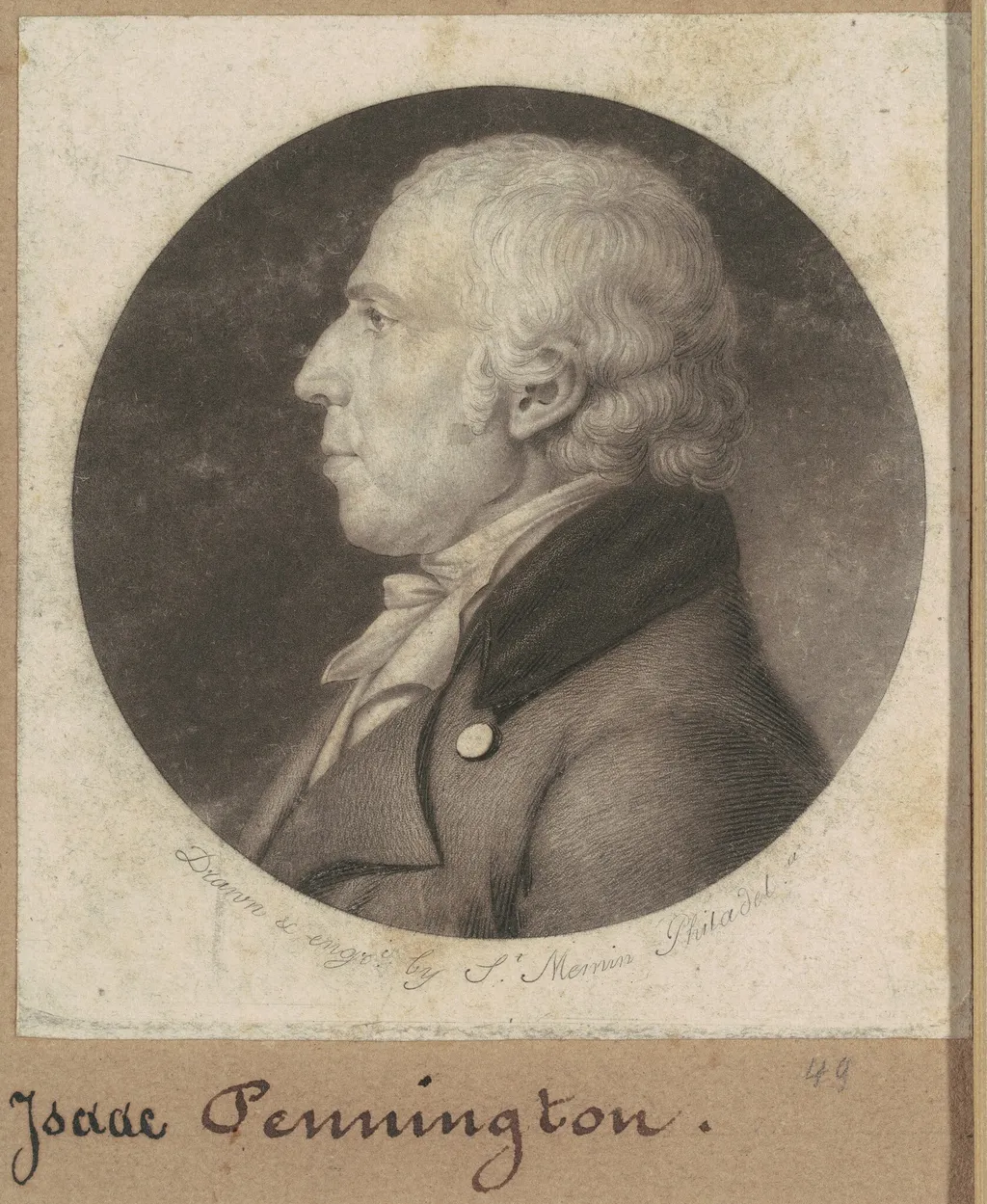
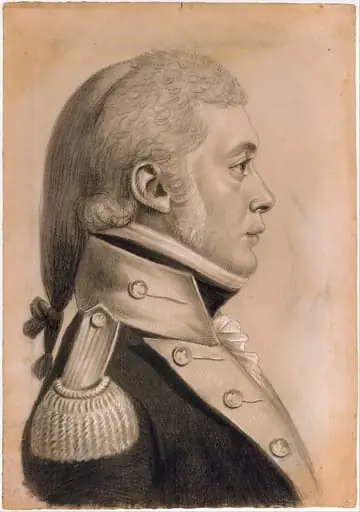
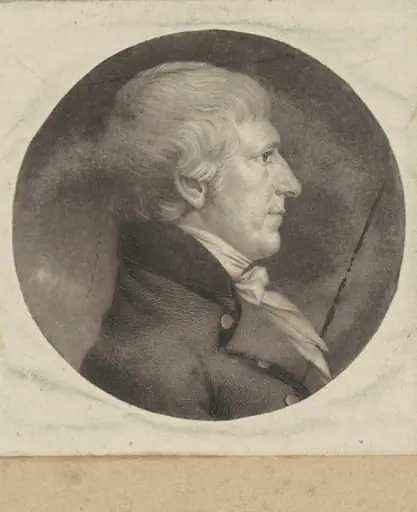
Isaac Penington is an ink print by the Romanticist artist Charles Balthazar Julien Févret de Saint-Mémin. It dates from 1802 and is held in the collection of the National Gallery of Art. Created in 1802, this small circular print measures just 5.
About this work
Overview
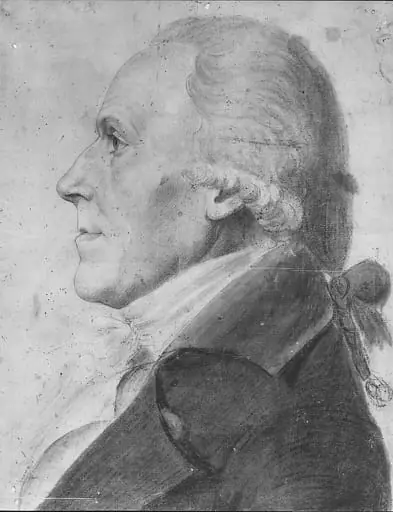
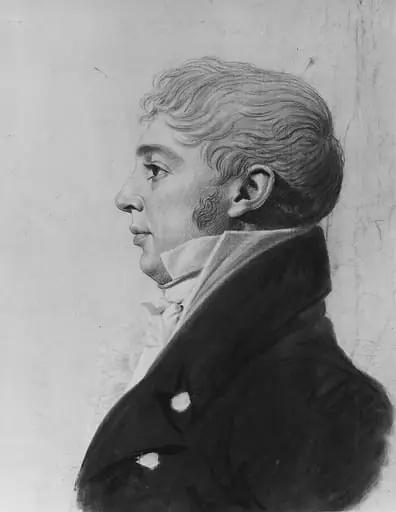
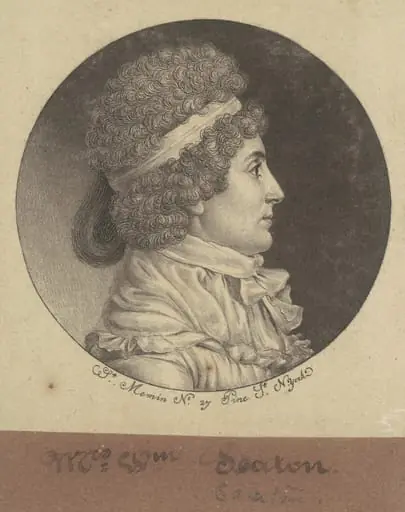
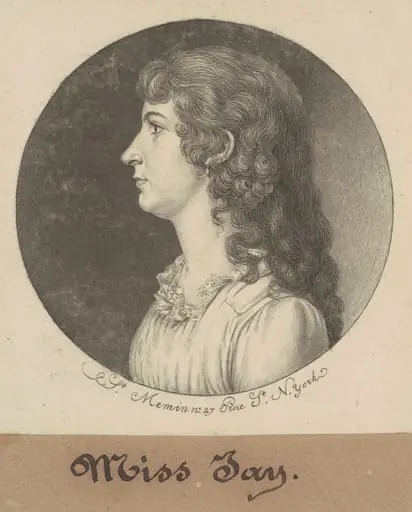
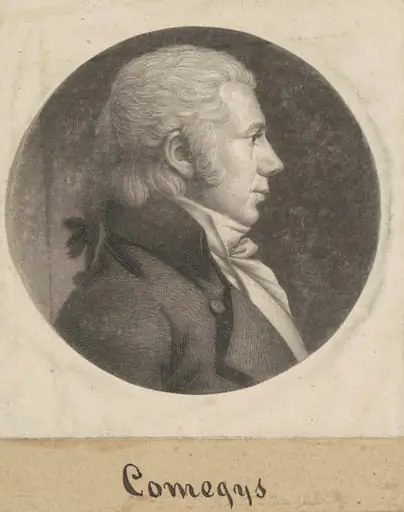
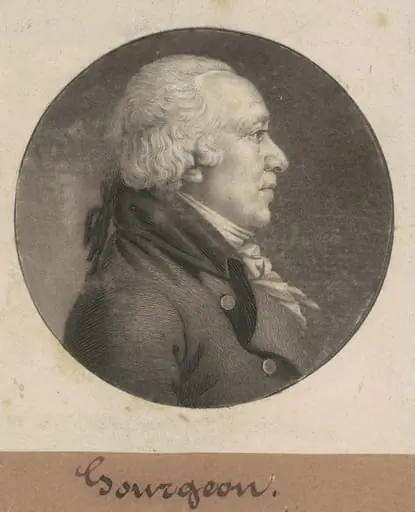
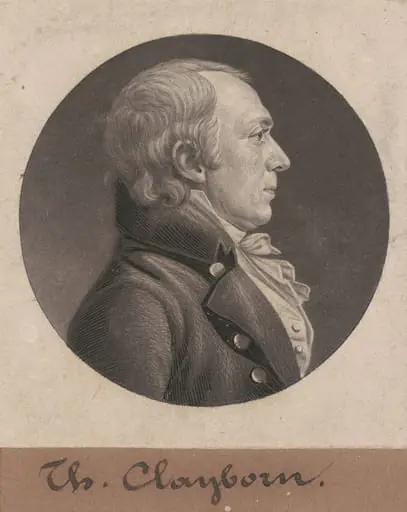
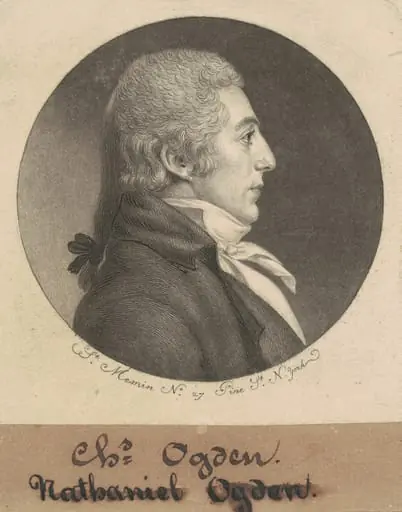
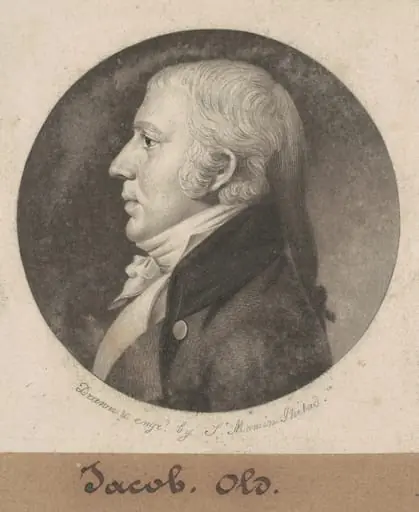
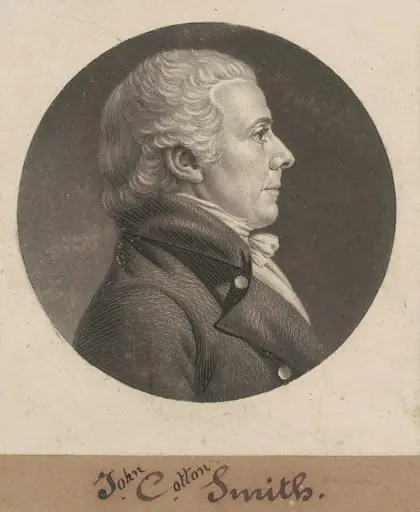
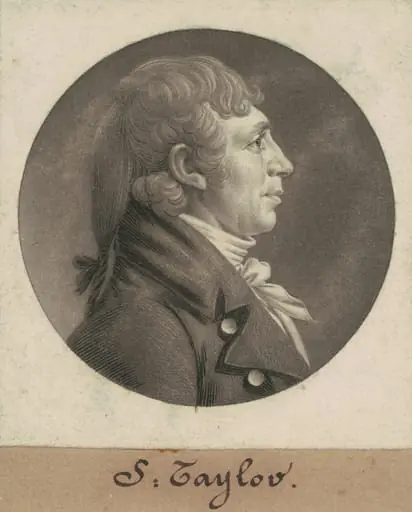
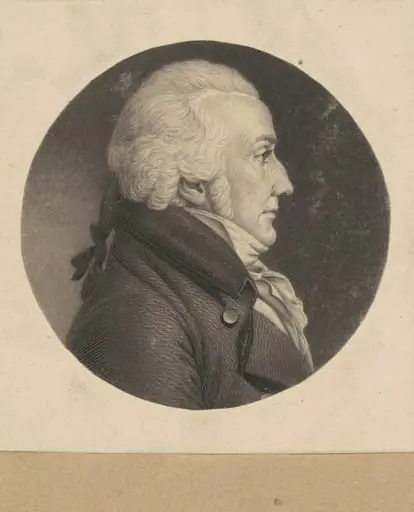
Created in 1802, this small circular print measures just 5.56 cm across. It presents Isaac Penington in profile, his strong nose and neatly curled gray hair rendered against an unadorned background. The work is executed in black ink on wove paper, which has been mounted onto a brown wove backing, giving the piece a compact, framed appearance.
Subject & Meaning
The portrait isolates Penington’s likeness, emphasizing facial features rather than narrative context. The stark, plain backdrop directs attention to the sitter’s profile, suggesting a focus on individual identity and status typical of early‑19th‑century portraiture, where the subject’s character is conveyed through subtle line and tone rather than elaborate scenery.
Technique & Style
Charles B. J. Févret de Saint‑Mémin employed the mezzotint process, a form of intaglio engraving that begins with a uniformly roughened metal plate. By smoothing areas with a burnisher, he created gradations of tone that produce velvety blacks and delicate mid‑tones without visible brushwork. The final print combines this tonal richness with fine line engraving for detail.
History & Provenance
Saint‑Mémin, a French artist trained in Paris, turned to mezzotint after his exile following the Revolution. He produced a series of portrait miniatures for American patrons, among them Isaac Penington. The print’s mounting on brown wove paper reflects a common practice of the period to reinforce delicate sheets for handling and display.
Context
At the turn of the 19th century, portrait miniatures served both as personal mementos and as symbols of social connection across the Atlantic. Saint‑Mémin’s work bridges French engraving traditions with the emerging American market, offering a portable, affordable alternative to painted miniatures while retaining a high level of craftsmanship.
Artist & collection

Artist
Charles Balthazar Julien Févret de Saint-Mémin
Charles Balthazar Julien Févret de Saint-Mémin (French pronunciation: ; 1770–1852) was a French portrait painter and museum director.