Artwork
Mrs. Cox
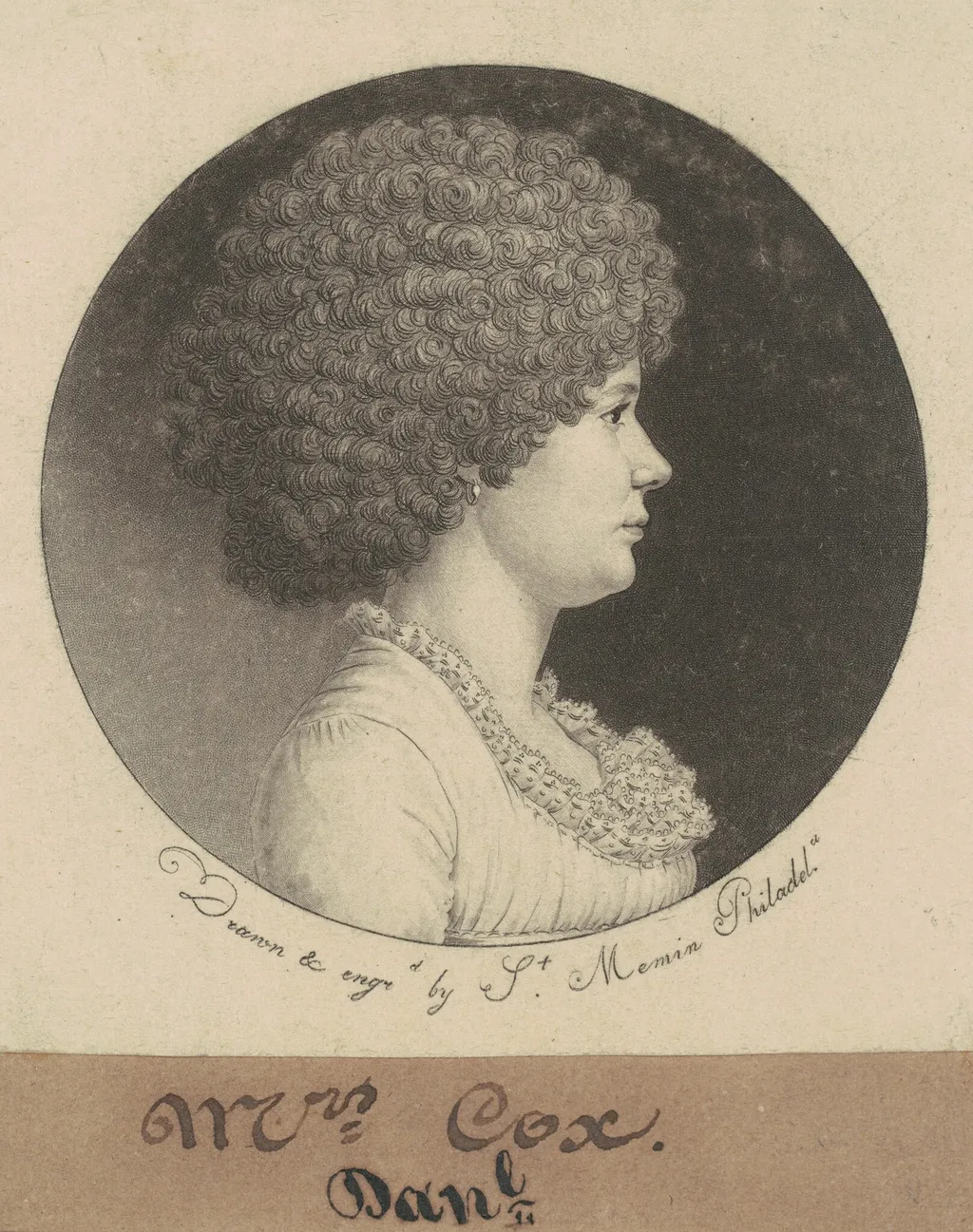
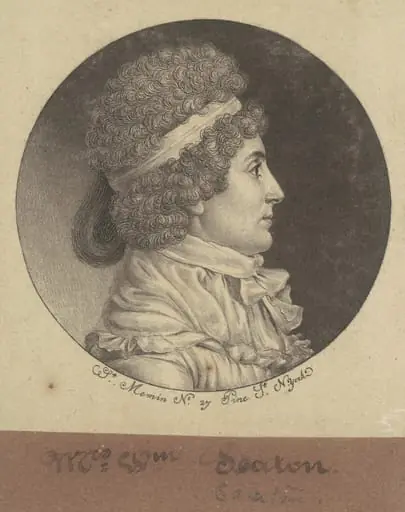
Mrs. Cox is an ink print by the Romanticist artist Charles Balthazar Julien Févret de Saint-Mémin. It dates from 1798 and is held in the collection of the National Gallery of Art. Created in 1798 by Charles B.
About this work
Overview
Its intimate scale and detailed rendering reflect a tradition of personal commemoration through printmaking.
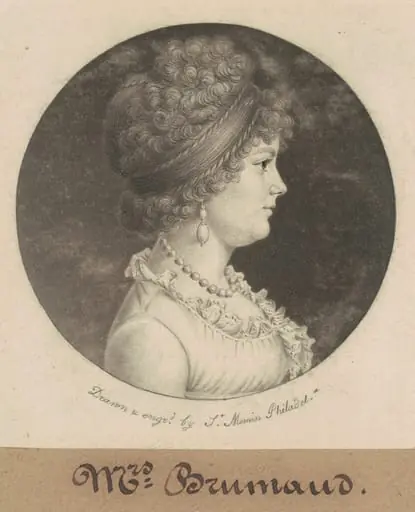
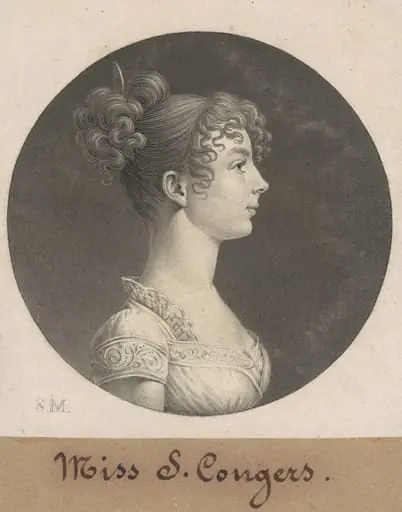
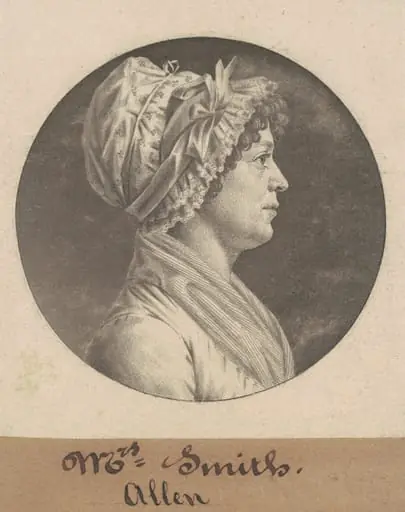
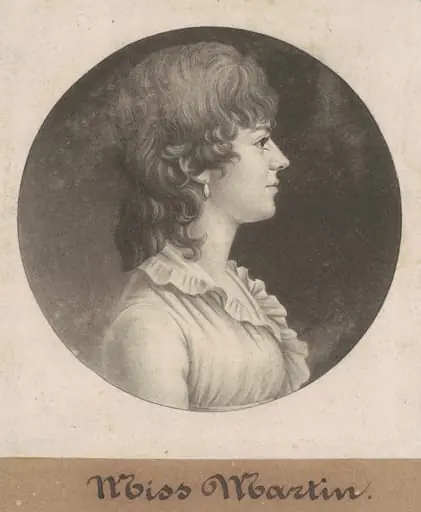
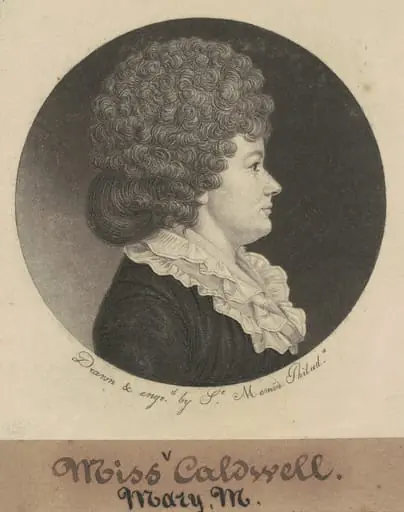
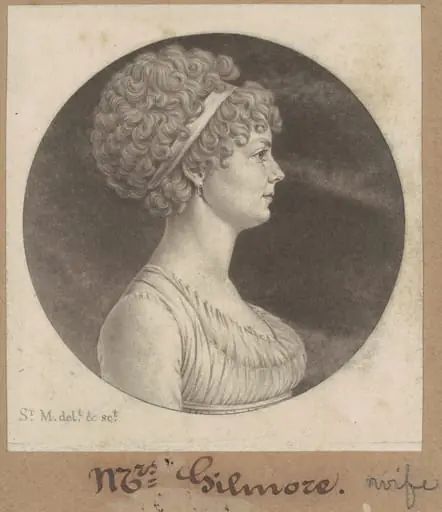
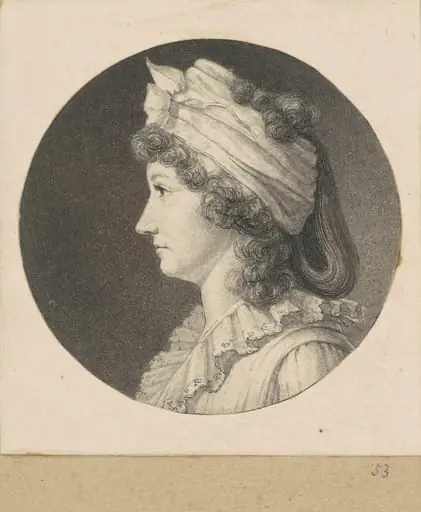
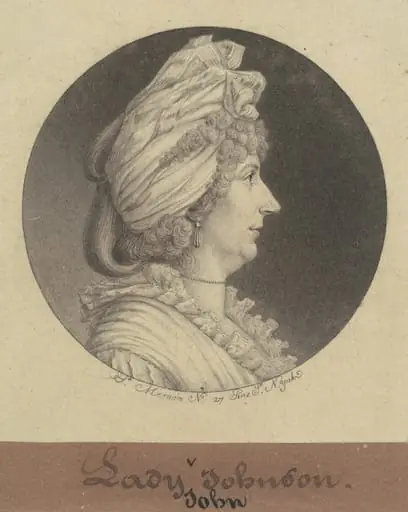
Created in 1798 by Charles B. J. Févret de Saint-Mémin, this small print portrays Mrs. Cox in profile. Executed in mezzotint and engraving on wove paper, it measures just over five centimeters square. Mounted on a darker paper, the work exemplifies the precision possible in pre-photographic portraiture. Its intimate scale and detailed rendering reflect a tradition of personal commemoration through printmaking.
Subject & Meaning
The sitter, identified as Mrs. Cox, is depicted in quiet dignity, facing slightly to the viewer’s left. Her dark dress and restrained posture suggest modesty and social standing. The focused lighting emphasizes her facial contours, inviting contemplation rather than display. No accessories or background elements distract, centering attention on her presence as an individual, not a symbol.
Technique & Style
Saint-Mémin employed mezzotint to achieve deep, velvety blacks and subtle gradations of tone. The plate was roughened then selectively smoothed to control ink retention, allowing fine transitions from shadow to light. Engraved lines define the hair and lace details with precision. The result is a tactile realism, where texture and form emerge through controlled contrast rather than outline.
History & Provenance
The print was produced during Saint-Mémin’s time in the United States, where he made numerous portrait plates for elite patrons. Mrs. Cox was likely a member of the American upper class who commissioned a likeness for private circulation. The work entered public collections after passing through private hands, eventually becoming part of a museum’s permanent holdings.
Context
Before photography, mezzotint was a favored medium for reproducing portraits due to its ability to capture tonal nuance. Saint-Mémin, trained in France, adapted his technique to American tastes, producing hundreds of such miniatures. These prints served as personal mementos, bridging the gap between painted portraits and the later accessibility of photographic images.
Legacy
This work stands as a representative example of early American print portraiture, showcasing the technical skill required to render likeness without color or scale. Though small in size, it reflects broader cultural practices of identity preservation. Saint-Mémin’s output helped establish mezzotint as a vital medium in the transition from hand-crafted to mechanical image reproduction.
Artist & collection

Artist
Charles Balthazar Julien Févret de Saint-Mémin
Charles Balthazar Julien Févret de Saint-Mémin (French pronunciation: ; 1770–1852) was a French portrait painter and museum director.