Artwork
Nathaniel Williams
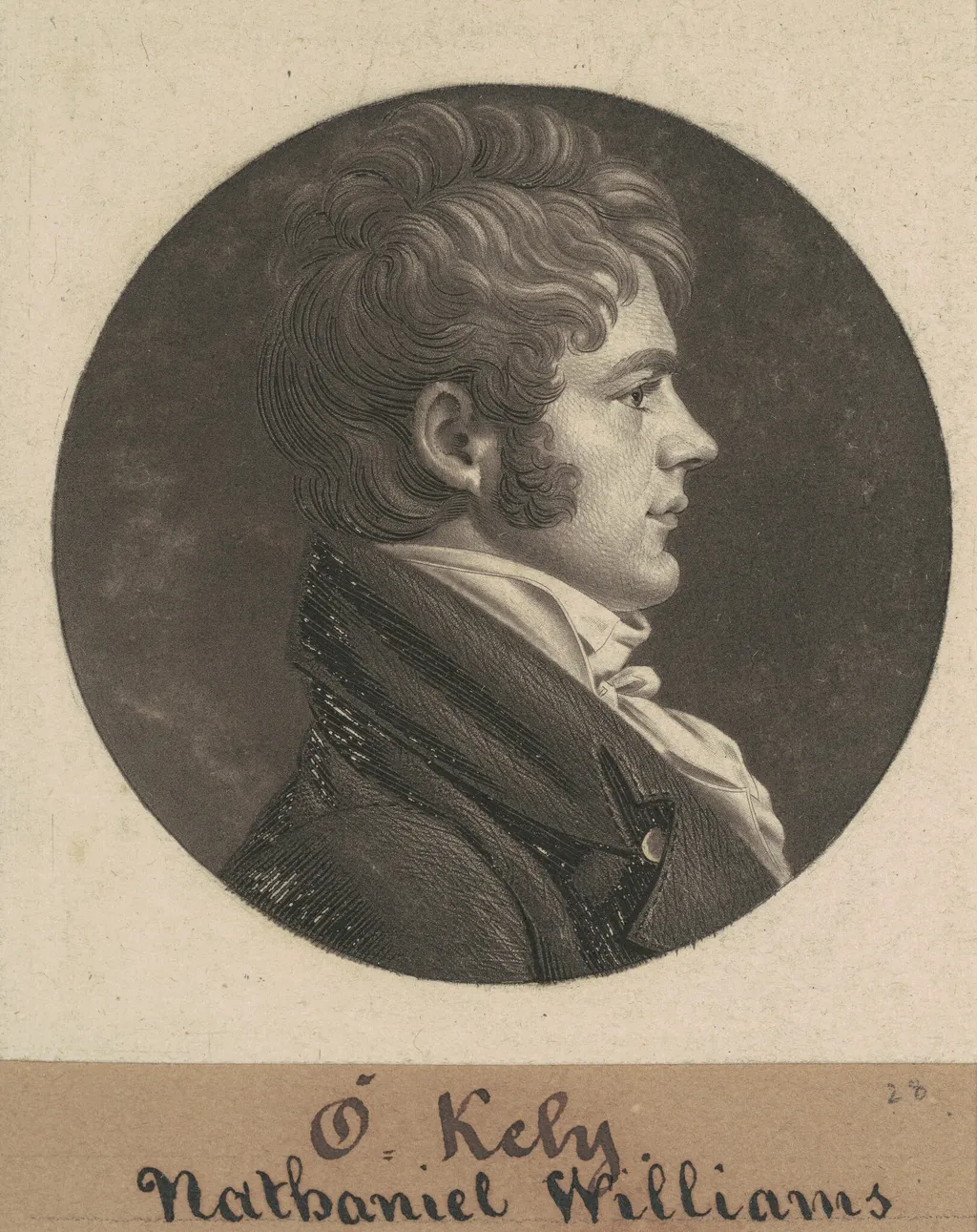
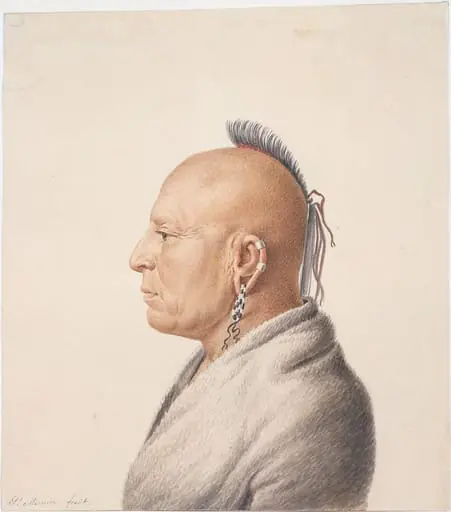
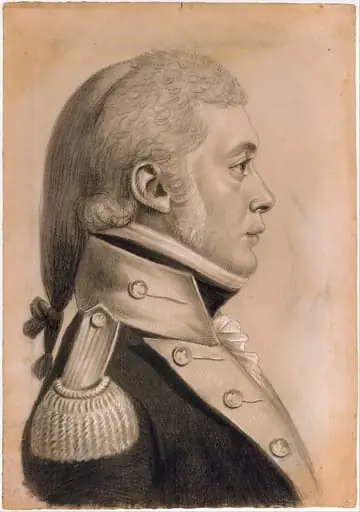
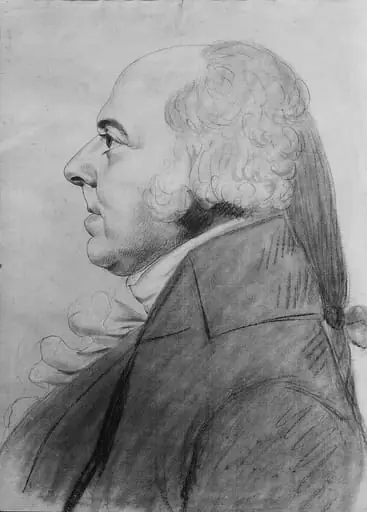
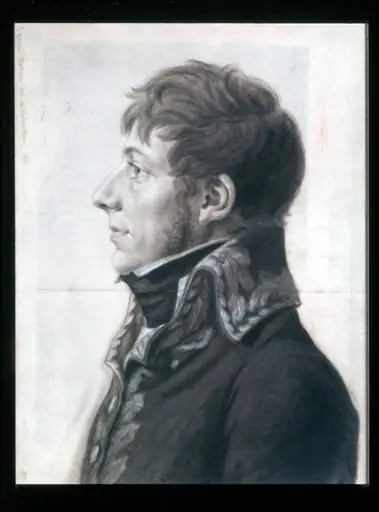
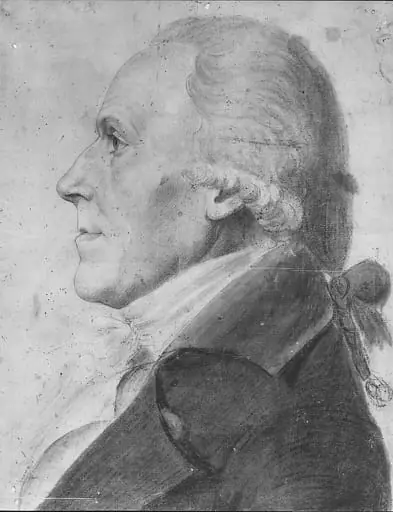
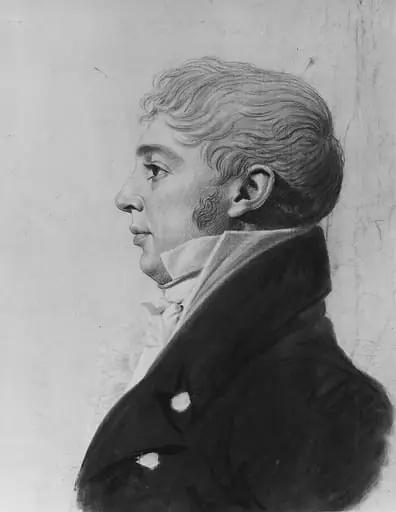
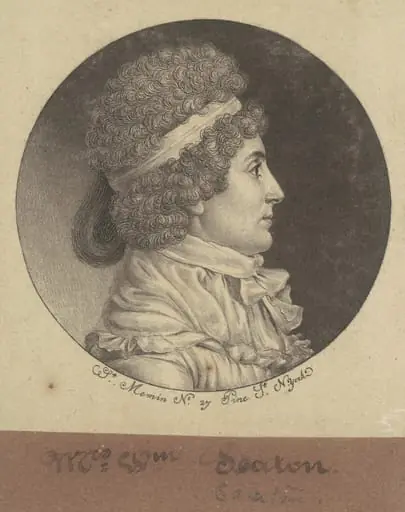
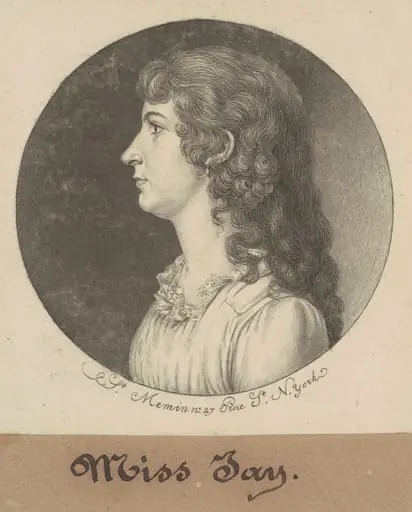
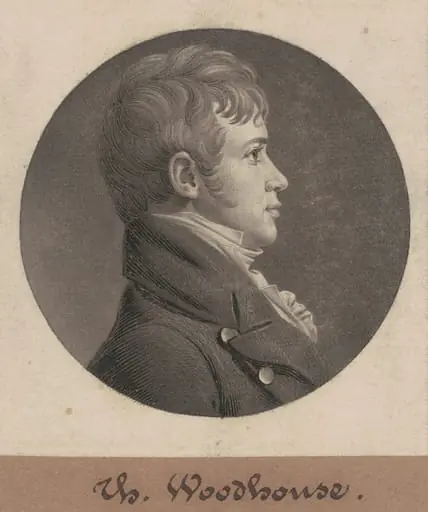
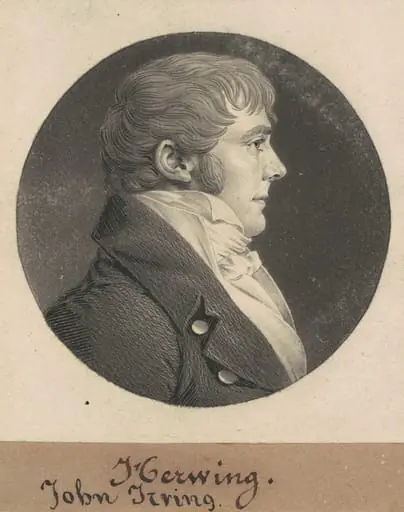
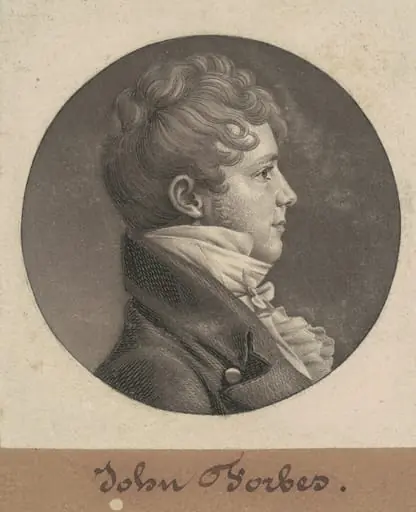
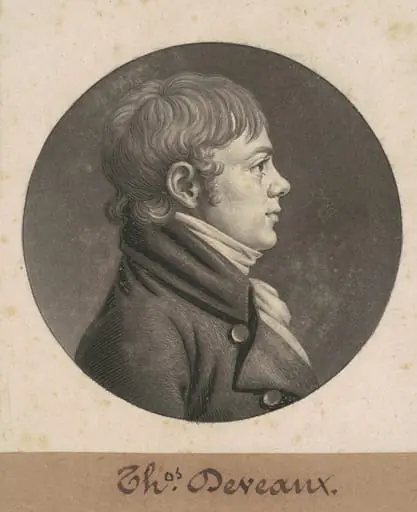
Nathaniel Williams is an ink print by the Romanticist artist Charles Balthazar Julien Févret de Saint-Mémin. It dates from 1804 and is held in the collection of the National Gallery of Art. This small print, created in 1804 by Charles B.
About this work
Overview
Measuring just over five centimeters square, the work is part of the Corcoran Collection, now held by the National Gallery of Art in Washington, D.
This small print, created in 1804 by Charles B. J. Févret de Saint-Mémin, depicts Nathaniel Williams in profile. Executed in mezzotint and engraving on wove paper, it is mounted on a brown wove support. Measuring just over five centimeters square, the work is part of the Corcoran Collection, now held by the National Gallery of Art in Washington, D.C. Its compact scale invites close observation, emphasizing precision over grandeur.
Subject & Meaning
Nathaniel Williams, a figure of modest historical record, is portrayed with quiet dignity. His dark coat and crisp white collar suggest formal attire, possibly indicating professional or social standing. The stark contrast between his illuminated face and the deep black background focuses attention on his expression—a composed, introspective gaze. The absence of context or symbolism points to a portrait intended for personal or familial commemoration rather than public display.
Technique & Style
Saint-Mémin employed mezzotint to achieve subtle tonal gradations, using a rocker tool to create a textured ground that holds ink for rich blacks. Engraved lines define fine details like the collar and facial features. Cross-hatching adds depth to the shadows, while the smooth transition from light to dark gives the image a smoky, atmospheric quality. The technique prioritizes texture and nuance over bold outlines, characteristic of late 18th-century American portrait prints.
History & Provenance
The print was produced in 1804 during Saint-Mémin’s active years in the United States, where he made numerous portrait prints of prominent individuals. It entered the Corcoran Collection in the 19th century and was later transferred to the National Gallery of Art following the Corcoran’s dissolution. Its survival in near-original condition reflects careful preservation, though its small size likely limited its public visibility during its early years.
Context
In early 19th-century America, mezzotint portraiture served as an accessible medium for capturing likenesses before photography. Saint-Mémin, a French émigré, became a leading practitioner of this technique, producing hundreds of portraits for patrons seeking affordable, reproducible images. This work reflects a broader cultural trend: the democratization of portraiture through print, allowing middle-class individuals to commission personal likenesses.
Legacy
Saint-Mémin’s mezzotints, including this one, remain significant for their technical refinement and historical documentation. Though not widely exhibited, they form a vital record of early American sitters and the printmaking practices of the period. The work contributes to scholarly understanding of how portraiture functioned in private life and how European techniques were adapted in the young republic.
Artist & collection

Artist
Charles Balthazar Julien Févret de Saint-Mémin
Charles Balthazar Julien Févret de Saint-Mémin (French pronunciation: ; 1770–1852) was a French portrait painter and museum director.