Artwork
Thomas Woodhouse
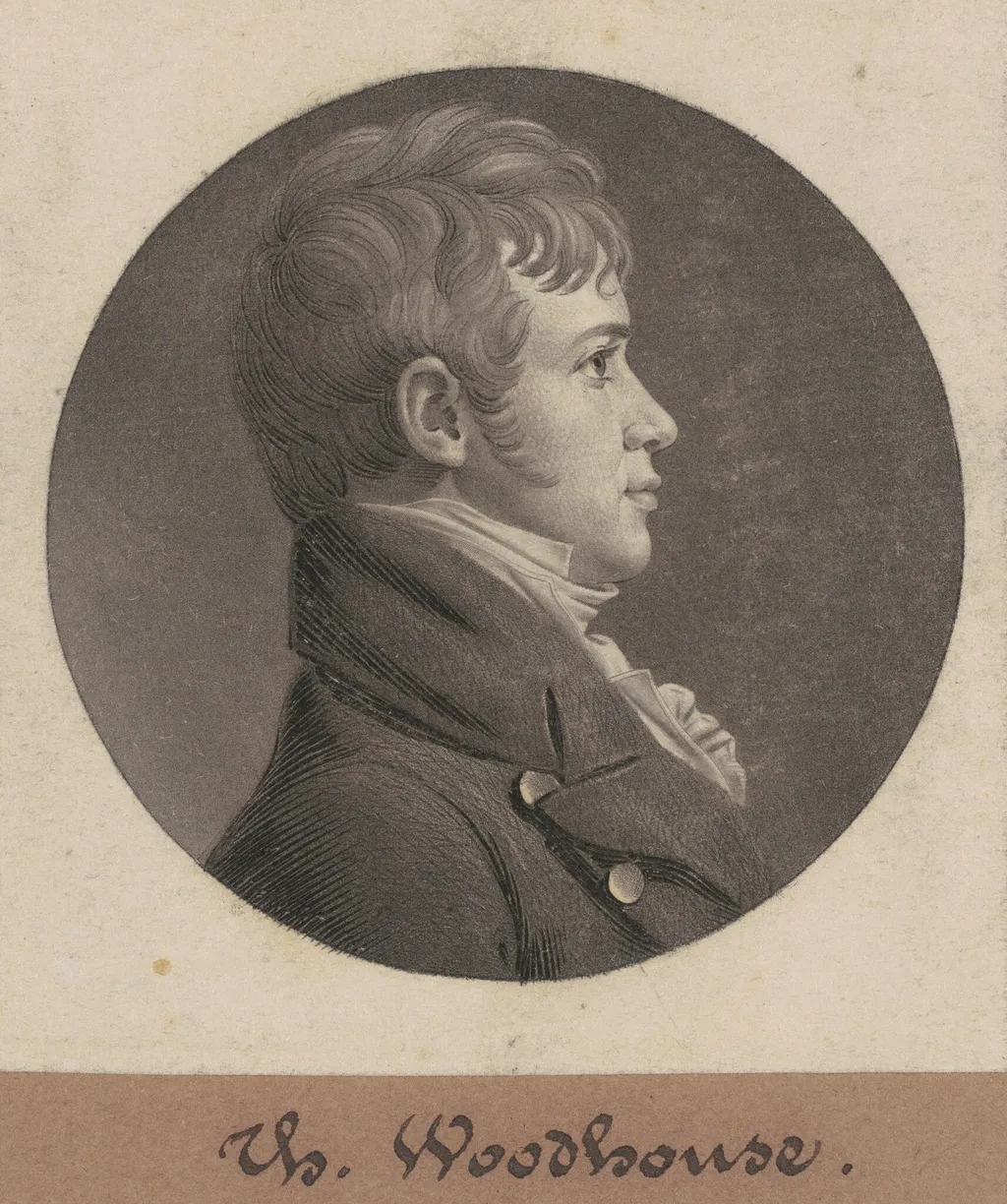
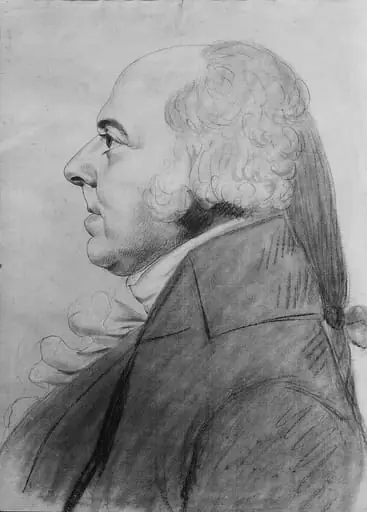
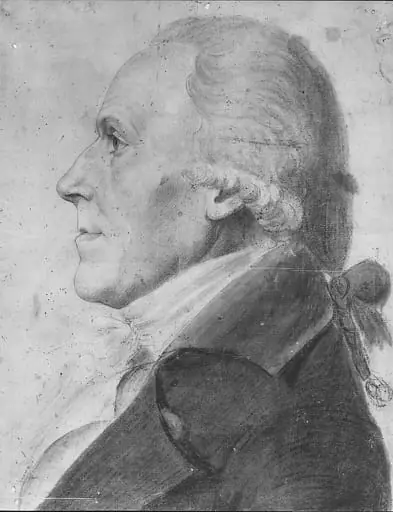
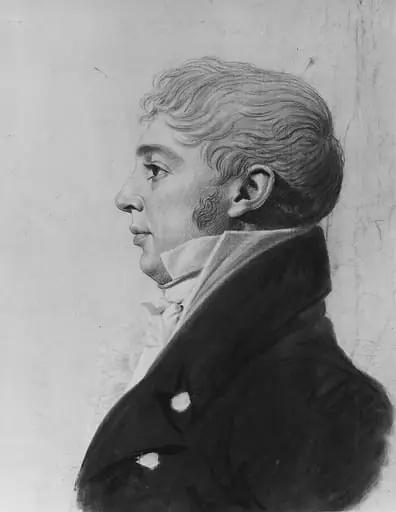
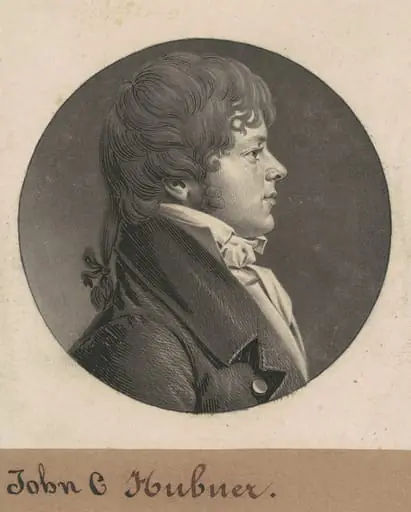
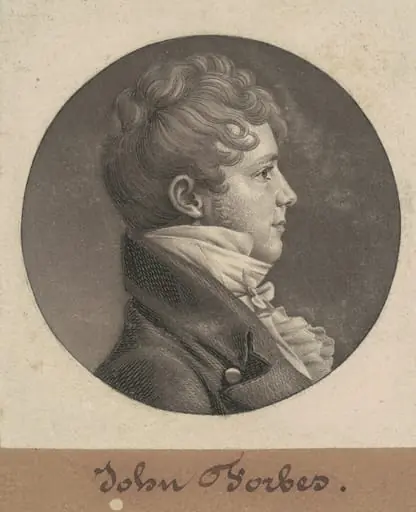
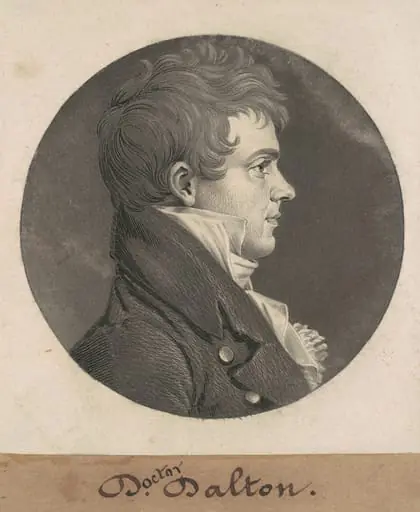
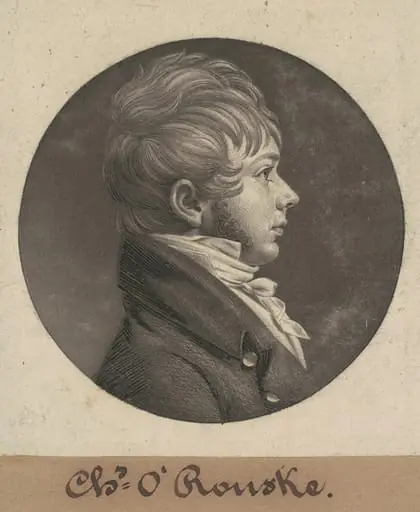
Thomas Woodhouse is an ink print by the Romanticist artist Charles Balthazar Julien Févret de Saint-Mémin. It dates from 1805 and is held in the collection of the National Gallery of Art.
About this work
Overview
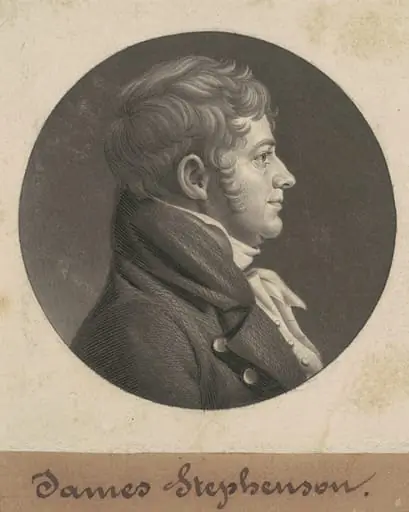
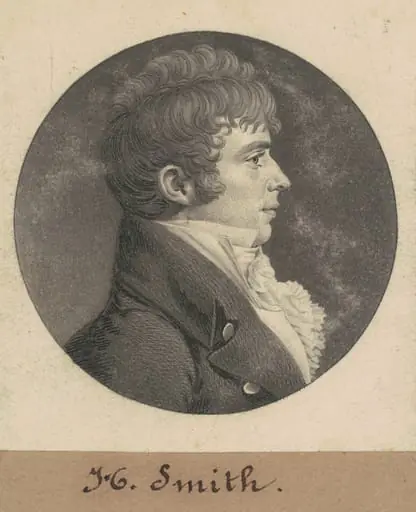
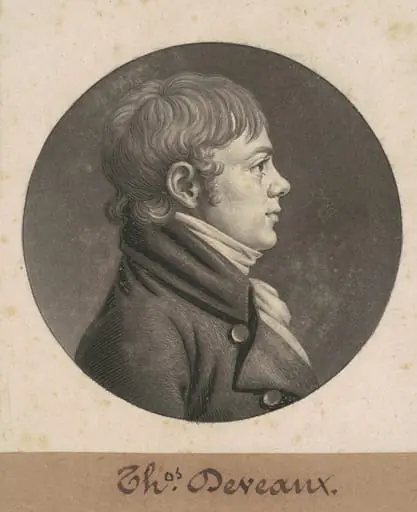
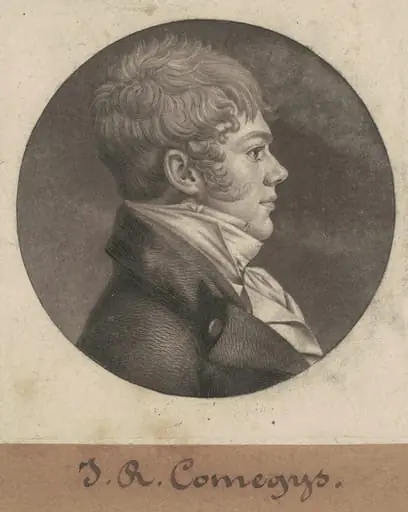
The work is a black-and-white print depicting Thomas Woodhouse, rendered in a straightforward composition that presents the sitter directly facing the viewer with a composed expression. Executed in 1805, the image is attributed to the French artist Charles B. J. Févret de Saint‑Mémin and is held by the National Gallery of Art under accession number NGA 204778.
Subject & Meaning
Thomas Woodhouse is portrayed in a modest interior, his attire and demeanor suggesting a middle‑class status of the early nineteenth century. The lack of elaborate background or symbolic objects focuses attention on his individual presence, reflecting the period’s interest in personal portraiture as a record of identity.
Technique & Style
The image was produced by mezzotint, a printmaking method that begins with a uniformly roughened copper plate. The artist smooths areas to create lighter tones, allowing for a rich gradation of shadows and a velvety texture. This approach, common in the late eighteenth and early nineteenth centuries, enables fine detail and subtle modeling of the figure’s features.
History & Provenance
Created in 1805, the print entered the National Gallery of Art’s collection, where it is catalogued as NGA 204778. Its attribution to Févret de Saint‑Mémin, a noted French engraver who worked in the United States, situates the piece within his broader output of portrait mezzotints made for American patrons during his American sojourn.
Artist & collection

Artist
Charles Balthazar Julien Févret de Saint-Mémin
Charles Balthazar Julien Févret de Saint-Mémin (French pronunciation: ; 1770–1852) was a French portrait painter and museum director.