Artwork
Nicholas Brice
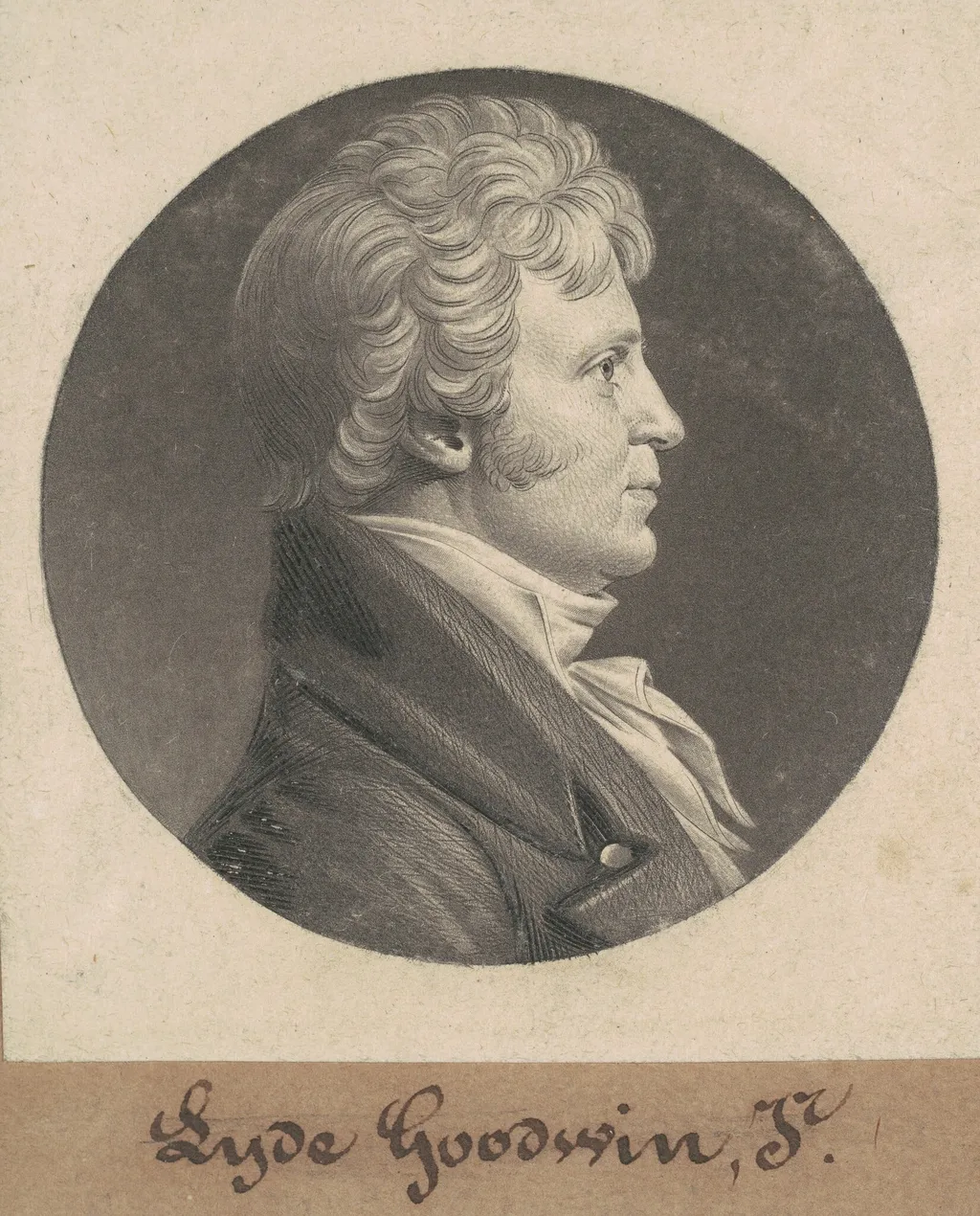
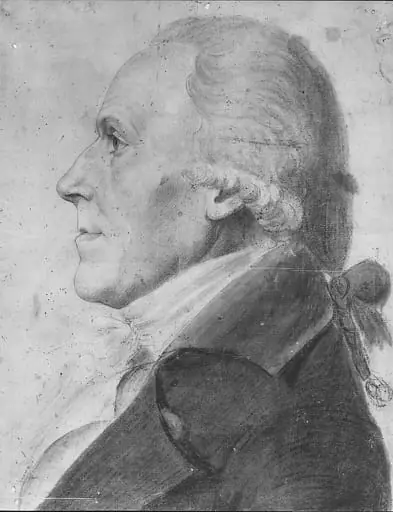
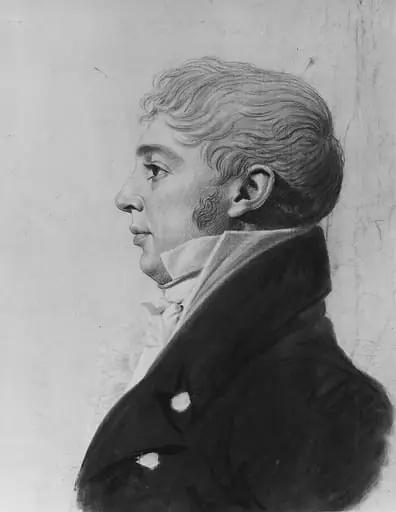
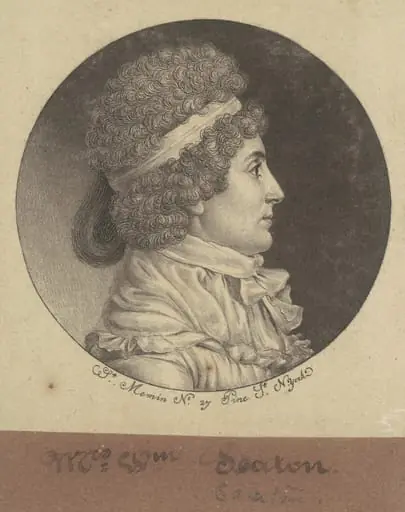
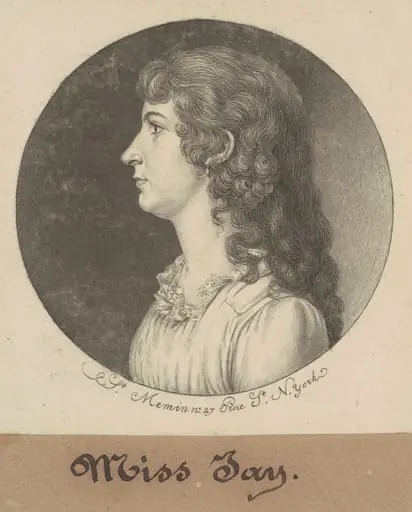
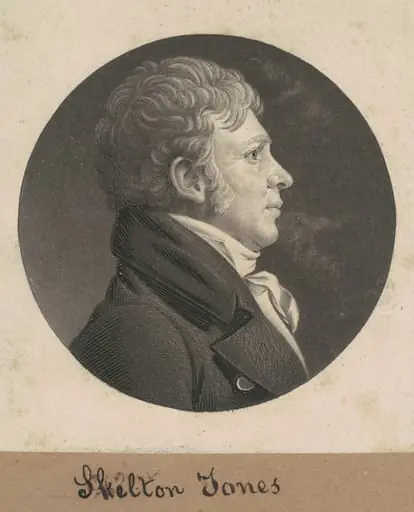
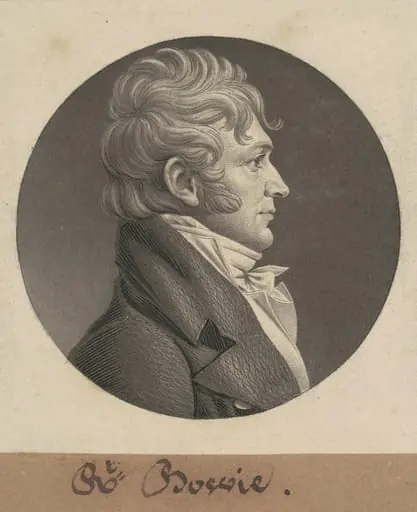
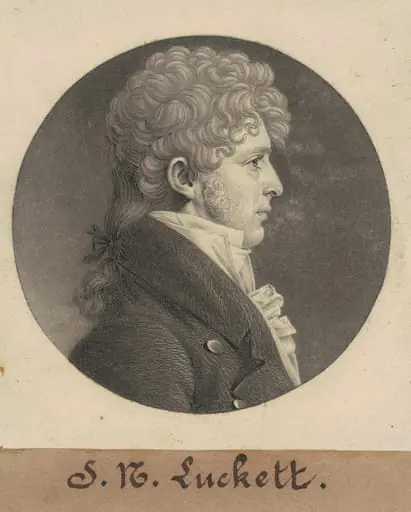
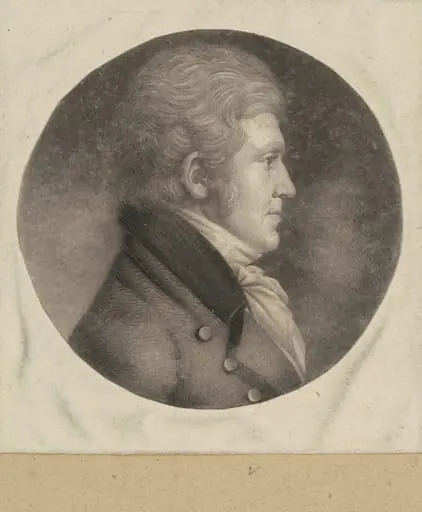
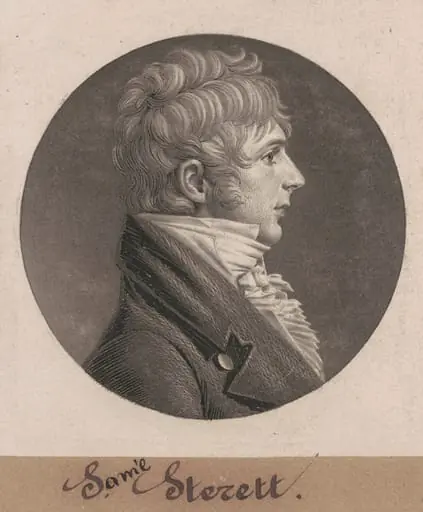
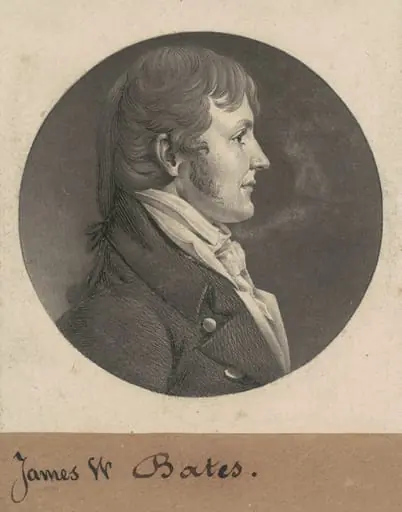
Nicholas Brice is an ink print by the Romanticist artist Charles Balthazar Julien Févret de Saint-Mémin. It dates from 1803 and is held in the collection of the National Gallery of Art. In 1803, Charles B.
About this work
Overview
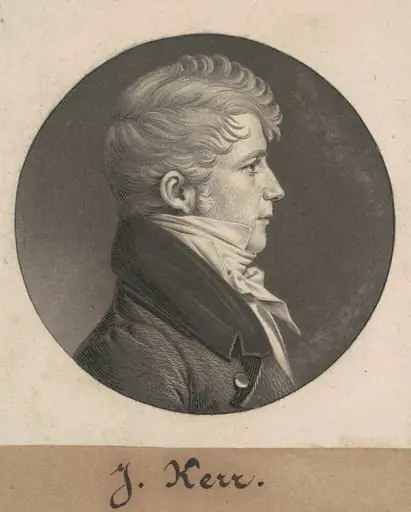
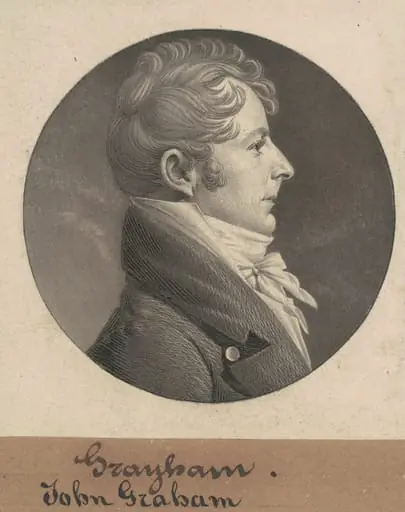
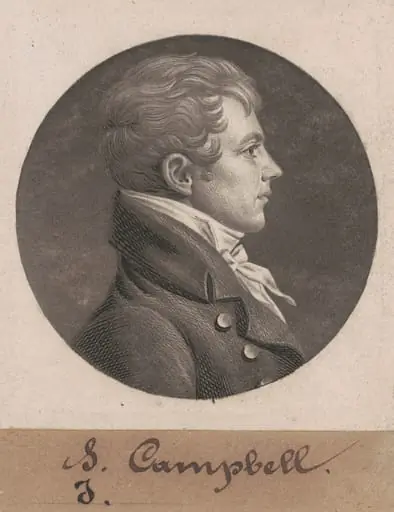
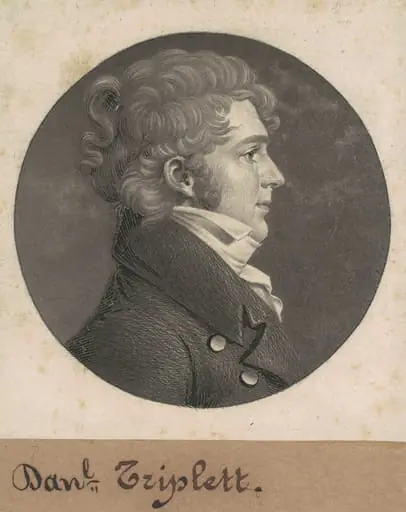
Févret de Saint‑Mémin produced a black‑ink mezzotint and engraving portraying the English stage performer Nicholas Brice.
In 1803, Charles B. J. Févret de Saint‑Mémin produced a black‑ink mezzotint and engraving portraying the English stage performer Nicholas Brice. Executed on wove paper that has been affixed to a brown‑toned backing, the print presents a single‑figure portrait rendered with careful attention to facial features and attire. The work belongs to the Corcoran Collection and exemplifies early‑19th‑century printmaking for theatrical portraiture.
Subject & Meaning
The image captures Nicholas Brice, a noted actor of his era, in a straightforward, dignified pose. By focusing on the sitter’s expression and costume, the portrait conveys both the professional stature and the personal presence of the performer, reflecting contemporary interest in documenting cultural figures for public recognition.
Technique & Style
Saint‑Mémin combined mezzotint—a tonal method that allows rich gradations of light and shadow—with fine engraving lines to achieve detailed rendering of texture and facial nuance. The monochrome palette emphasizes contrast, while the use of wove paper, later mounted on a brown sheet, provides a smooth surface that supports the delicate tonal work characteristic of the period’s print practices.
History & Provenance
Created in the early 1800s, the portrait entered the Corcoran Collection, a major repository of American art and prints. Its documented ownership traces back to the artist’s original output, and the piece has remained in institutional care, ensuring its preservation as part of the museum’s holdings.
Context
Mezzotint and engraving were popular mediums for disseminating likenesses of public personalities in the post‑Napoleonic era, when portraiture extended beyond painted canvases to reach broader audiences. Saint‑Mémin, a French émigré active in the United States, applied these techniques to capture figures like Brice, aligning with the period’s demand for accessible, reproducible images of cultural icons.
Artist & collection

Artist
Charles Balthazar Julien Févret de Saint-Mémin
Charles Balthazar Julien Févret de Saint-Mémin (French pronunciation: ; 1770–1852) was a French portrait painter and museum director.