Artwork
Paul Revere
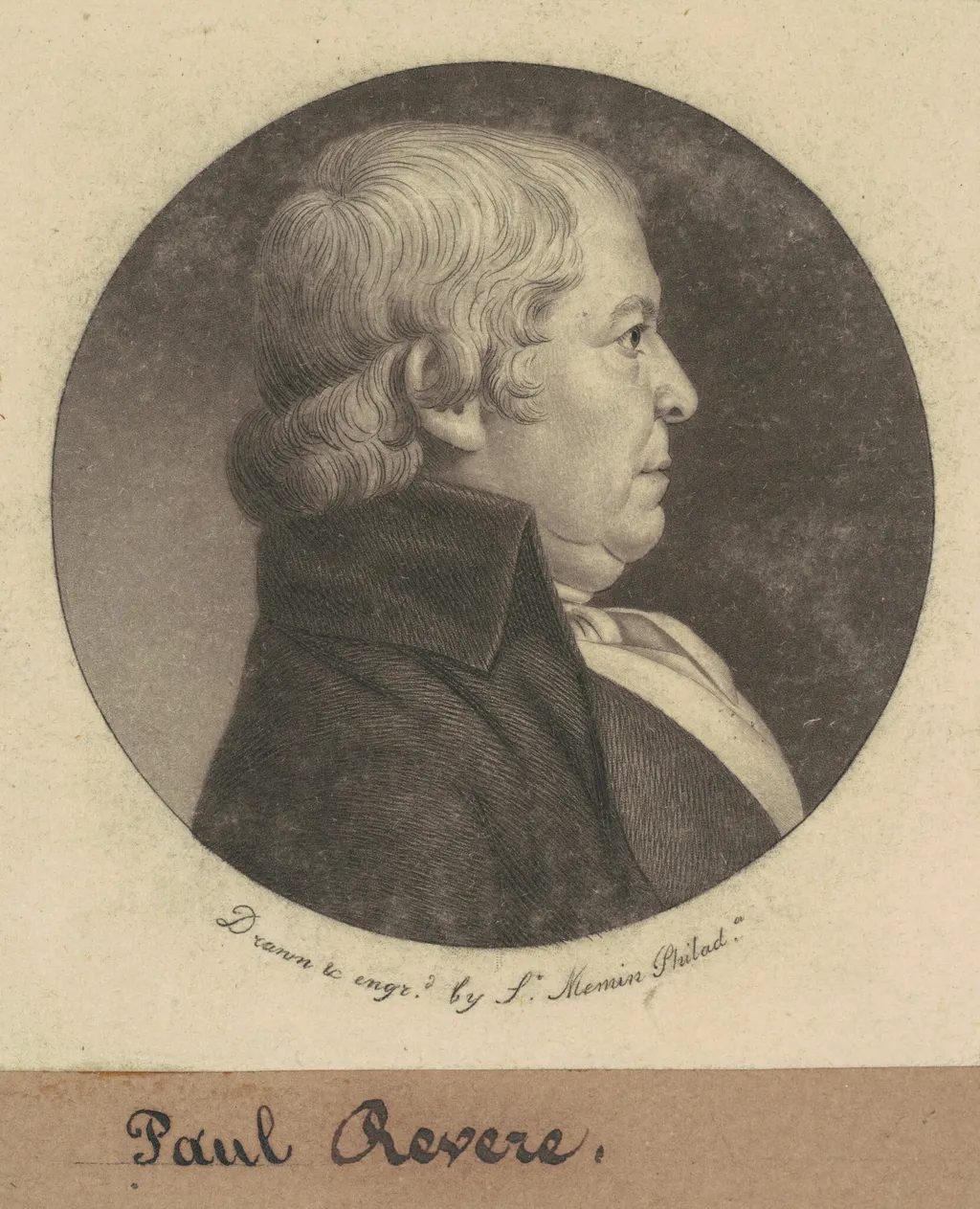
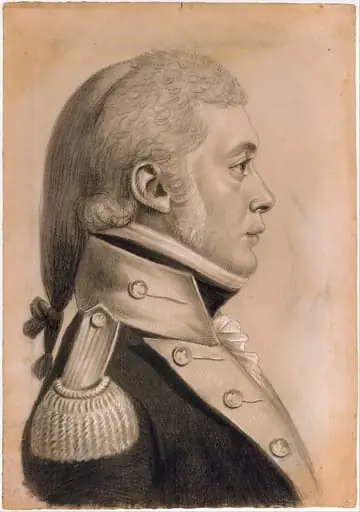
Paul Revere is an ink print by the Romanticist artist Charles Balthazar Julien Févret de Saint-Mémin. It dates from 1800 and is held in the collection of the National Gallery of Art.
About this work
He was a silversmith and patriot, and this portrait gives us a glimpse of what he looked like.
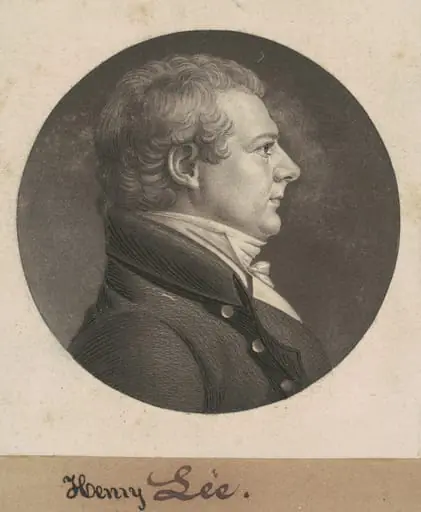
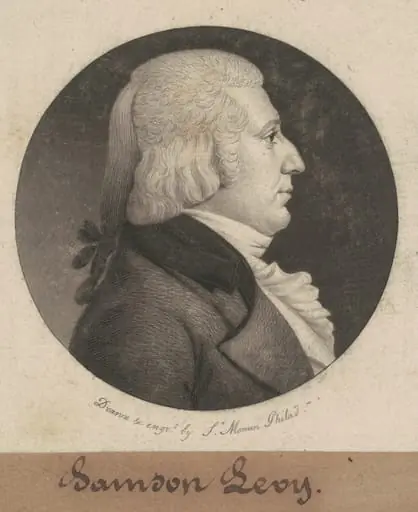
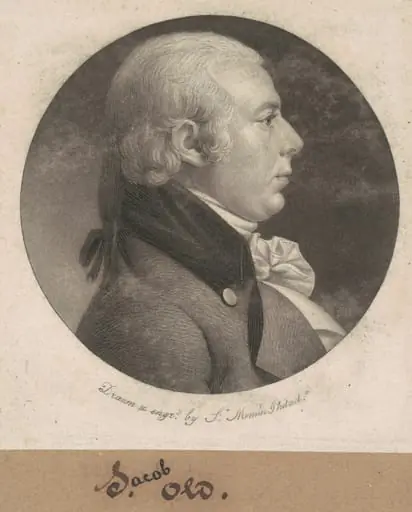
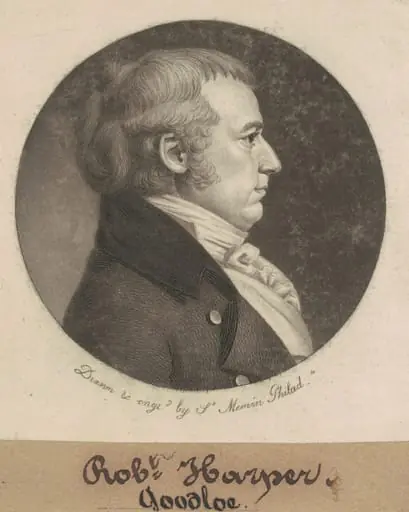
You see Paul Revere's profile in this portrait.
He's facing right with a round face and light skin.
The artist used a lot of detail to show Revere's features.
The portrait was created in 1804, which is interesting because it shows Revere later in life.
He was a silversmith and patriot, and this portrait gives us a glimpse of what he looked like.
You can learn more about this style by looking into the technique of engraving.
Overview
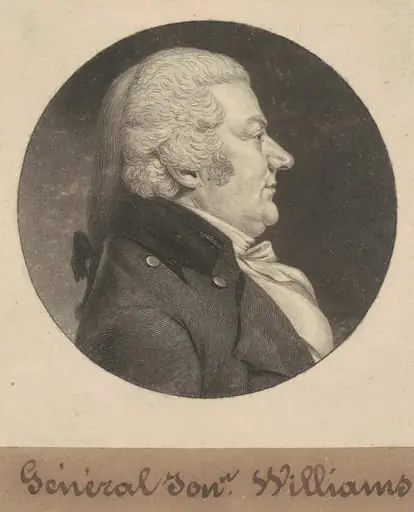
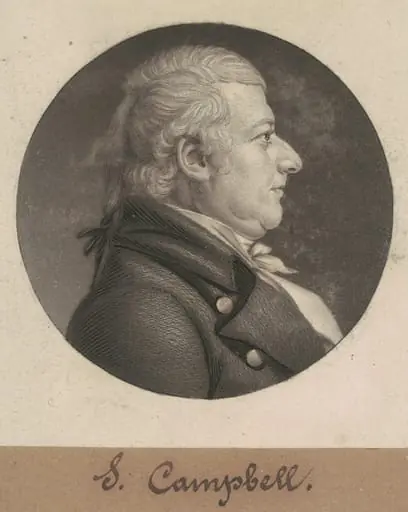
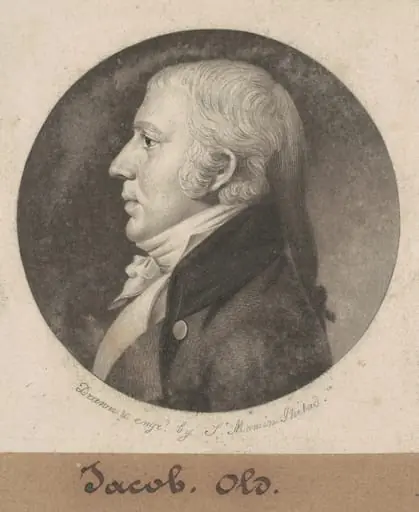
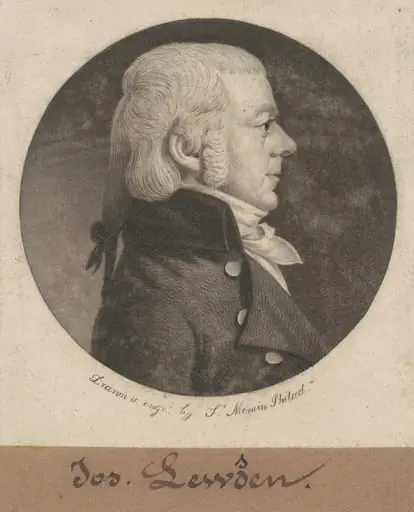
This 1804 print depicts Paul Revere in profile, facing right, rendered in mezzotint and engraving on wove paper. The image is mounted on a brown wove support, a common practice for preserving delicate prints. The work captures Revere in middle age, more than two decades after his famous midnight ride, offering a quiet, contemplative portrait rather than a heroic tableau.
Subject & Meaning
Paul Revere, known for his role as a silversmith and revolutionary figure, is portrayed without symbols of his political deeds. The focus on his facial structure and calm expression suggests an interest in personal identity over public legend. The portrait reflects a broader trend of documenting prominent citizens through intimate, lifelike likenesses during the early American republic.
Technique & Style
Charles B. J. Févret de Saint-Mémin employed mezzotint for tonal depth and engraving for fine linear detail, combining techniques to render Revere’s rounded features and textured skin with precision. The monochrome palette enhances the sculptural quality of the face, while the careful hatching and stippling convey subtle gradations of light and shadow, characteristic of academic portraiture of the period.
History & Provenance
Created in 1804, the print was made during Saint-Mémin’s time in the United States, where he produced a series of profile portraits of notable Americans. This work likely originated as part of a commissioned project to document civic leaders. The mounting on brown paper suggests it was intended for preservation or inclusion in a collection, possibly for educational or archival purposes.
Context
In the early 19th century, profile portraits were favored for their clarity and association with classical antiquity. Saint-Mémin’s method, derived from French academic traditions, aligned with American efforts to establish a visual record of its founding generation. Revere’s inclusion among these figures underscores his transition from revolutionary actor to respected community elder.
Legacy
The portrait remains one of the most recognizable images of Paul Revere, frequently reproduced in historical texts. Though not created during his lifetime of activism, it contributes to the visual memory of early American figures by capturing their physical presence with technical care, offering a tangible link to individuals who shaped the nation’s foundations.
Artist & collection

Artist
Charles Balthazar Julien Févret de Saint-Mémin
Charles Balthazar Julien Févret de Saint-Mémin (French pronunciation: ; 1770–1852) was a French portrait painter and museum director.