Artwork
William Rodman
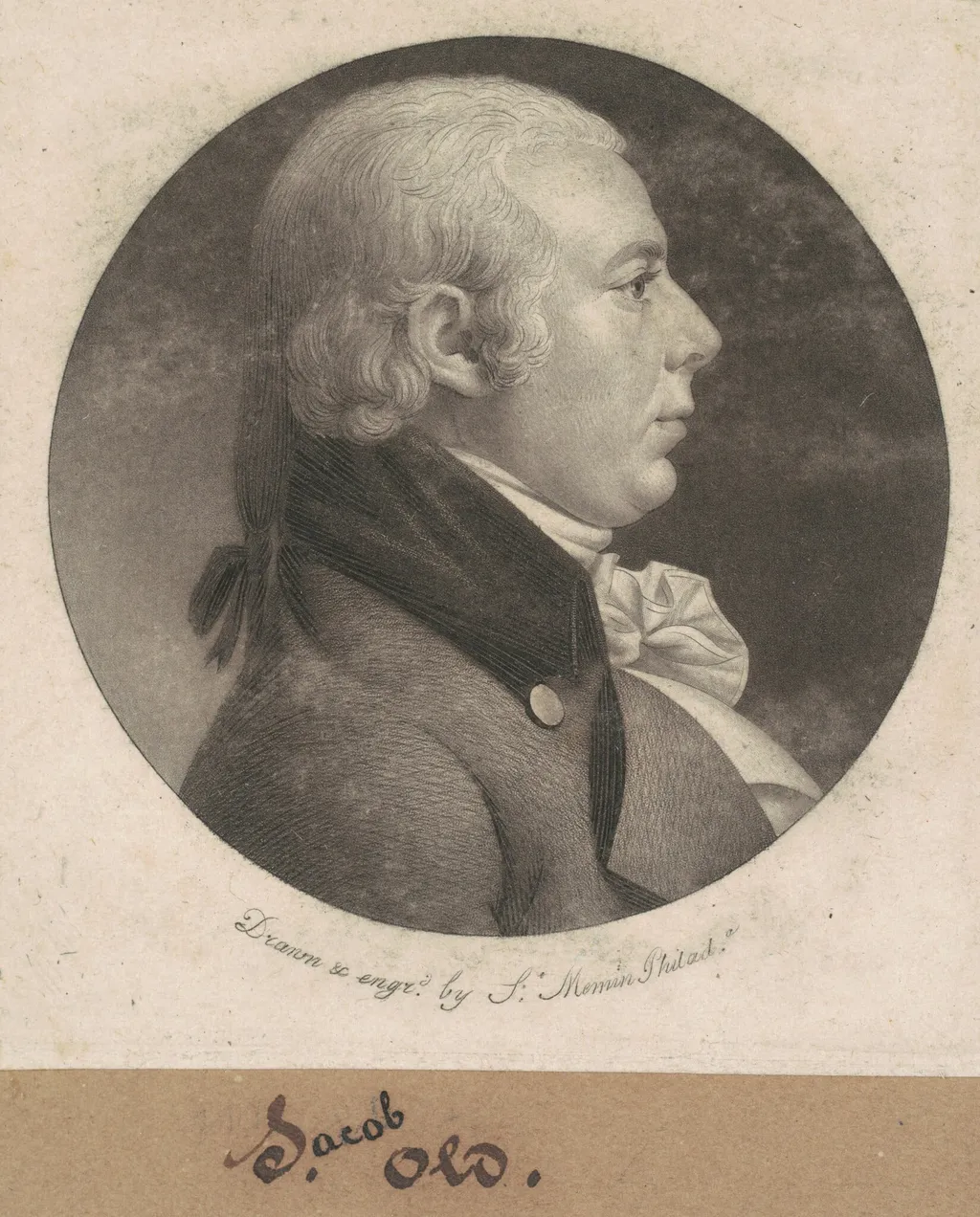
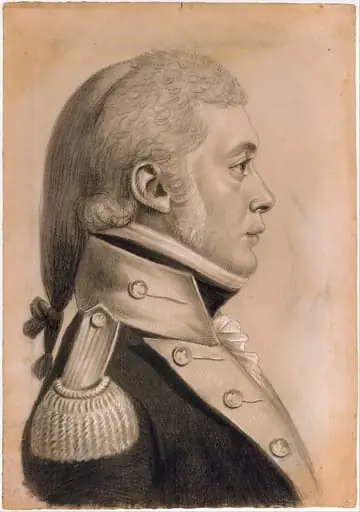
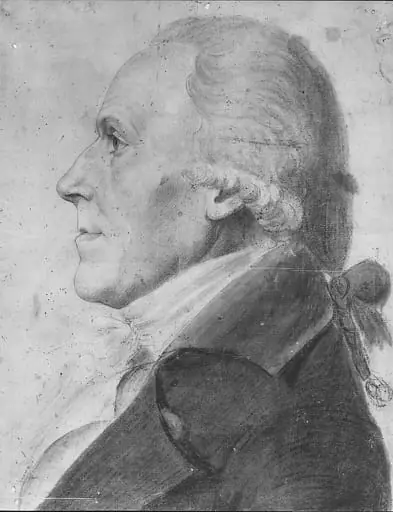
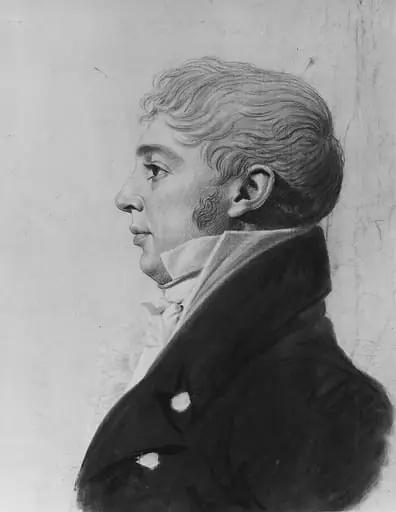
William Rodman is an ink print by the Romanticist artist Charles Balthazar Julien Févret de Saint-Mémin. It dates from 1799 and is held in the collection of the National Gallery of Art.
About this work
Overview
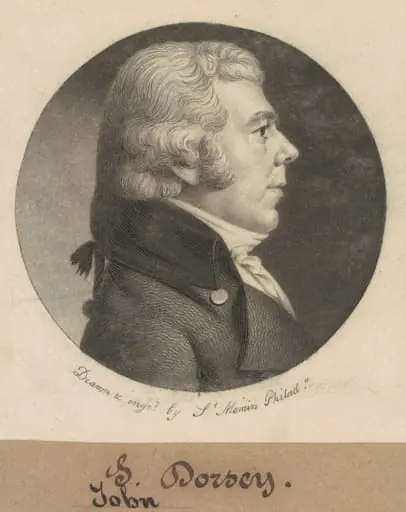
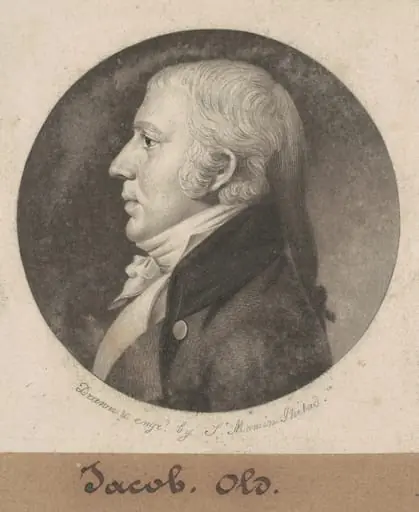
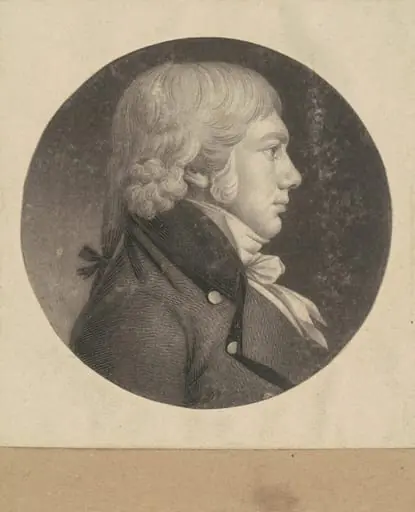
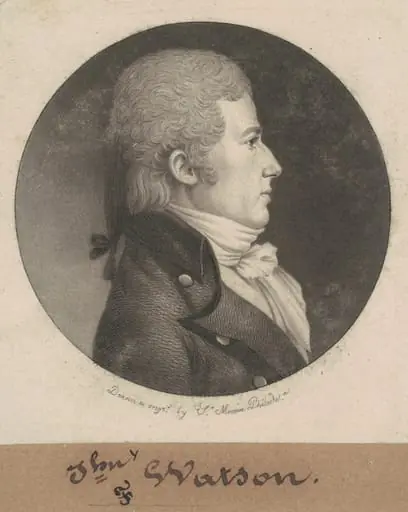
Created around 1799, this print presents a likeness of William Rodman. Executed by the French-American artist Charles B. J. Févret de Saint‑Mémin, the work combines mezzotint and engraving techniques on wove paper, later mounted on a brown‑toned sheet. It resides in the Corcoran Collection and exemplifies early American portrait printmaking.
Subject & Meaning
The image depicts Rodman in a sober pose, his expression serious and his attire reflecting late‑eighteenth‑century fashion. The restrained demeanor and formal dress suggest a portrait intended for personal commemoration or social standing, typical of the period’s emphasis on dignity and propriety.
Technique & Style
Saint‑Mémin employed a hybrid process: mezzotint provided rich, velvety tonal gradations, while engraving added precise line work for facial features and clothing details. This combination allowed a high degree of texture and depth, showcasing the artist’s skill in manipulating light and shadow on paper.
History & Provenance
The print was produced in the United States shortly after Saint‑Mémin settled in Washington, D.C., where he catered to a growing elite clientele. It entered the Corcoran Collection, a major repository of American art, where it has been preserved as part of the museum’s early portrait holdings.
Context
During the late 1790s, mezzotint and engraving were among the most popular methods for reproducing portraits, offering a relatively affordable alternative to painted likenesses. Saint‑Mémin’s work reflects this trend, bridging European print traditions with the emerging American market for personal portraiture.
Artist & collection

Artist
Charles Balthazar Julien Févret de Saint-Mémin
Charles Balthazar Julien Févret de Saint-Mémin (French pronunciation: ; 1770–1852) was a French portrait painter and museum director.