Artwork
Pierre Sauvé
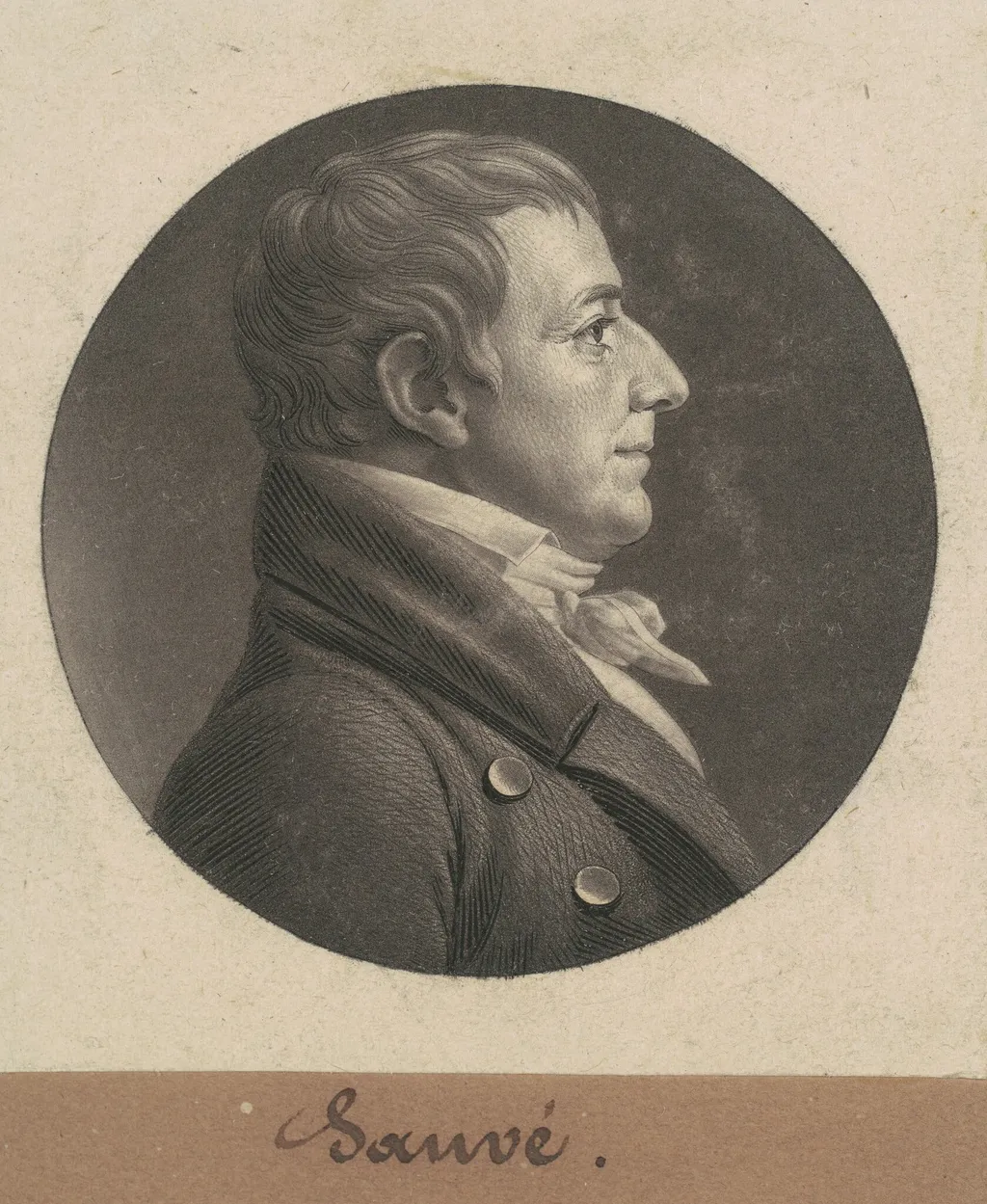
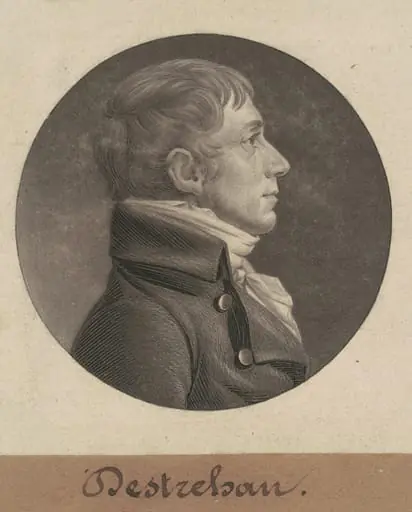
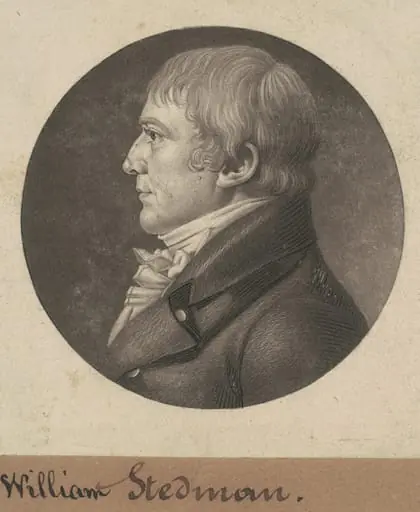
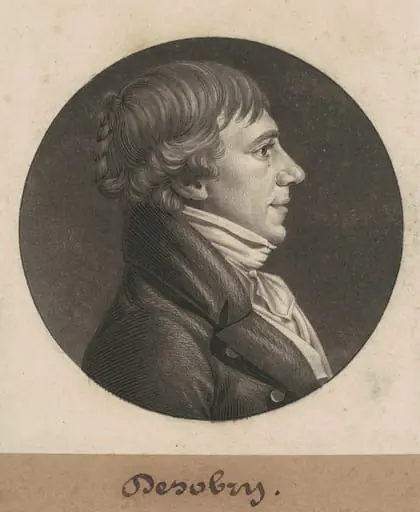
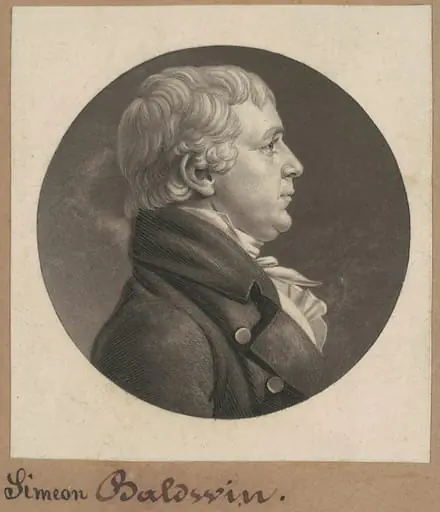
Pierre Sauvé is an ink print by the Romanticist artist Charles Balthazar Julien Févret de Saint-Mémin. It dates from 1805 and is held in the collection of the National Gallery of Art. Created in 1805, this print by Charles‑Baptiste‑Jean Févret de Saint‑Mémin depicts a solitary male figure rendered in a dark oval format.
About this work
Overview
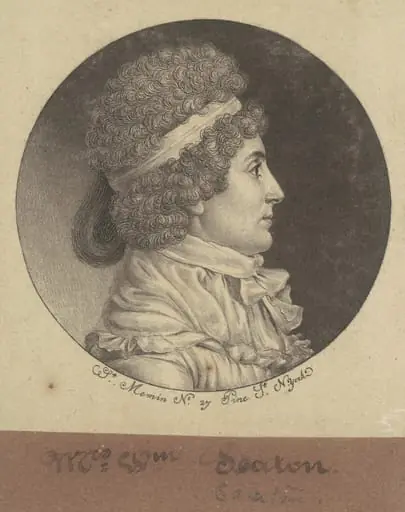
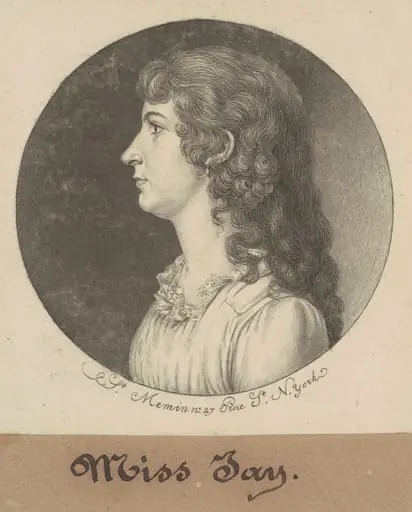
Created in 1805, this print by Charles‑Baptiste‑Jean Févret de Saint‑Mémin depicts a solitary male figure rendered in a dark oval format. The sitter wears a white cravat and a dark coat, his face illuminated from the left against an unadorned background. Executed as a mezzotint and engraving on wove paper, the work now belongs to the Corcoran Collection within the National Gallery of Art.
Technique & Style
The resulting contrast of deep shadows and subtle highlights gives the portrait a three‑dimensional presence uncommon in early‑19th‑century prints.
The image was produced by first roughening a metal plate to hold ink, then selectively burnishing areas to achieve smooth gradations of tone—a hallmark of the mezzotint process. Saint‑Mémin combined this with fine engraving lines to define details such as the cravat and facial features. The resulting contrast of deep shadows and subtle highlights gives the portrait a three‑dimensional presence uncommon in early‑19th‑century prints.
Subject & Meaning
The portrait presents an individual of some standing, suggested by the formal attire and composed demeanor. The stark, plain backdrop focuses attention on the sitter’s expression, while the left‑hand lighting creates a modest chiaroscuro effect that emphasizes the contours of his face, perhaps indicating a desire to convey personal gravitas rather than elaborate narrative.
History & Provenance
First issued in 1805, the print entered the Corcoran Collection, which later merged with the National Gallery of Art. Its attribution to Saint‑Mémin, a French émigré active in the United States, reflects the transatlantic circulation of printmaking techniques during the early Republic era. The work has remained in institutional holdings, providing scholars with an example of early American portrait print culture.
Artist & collection

Artist
Charles Balthazar Julien Févret de Saint-Mémin
Charles Balthazar Julien Févret de Saint-Mémin (French pronunciation: ; 1770–1852) was a French portrait painter and museum director.