Artwork
Desobry
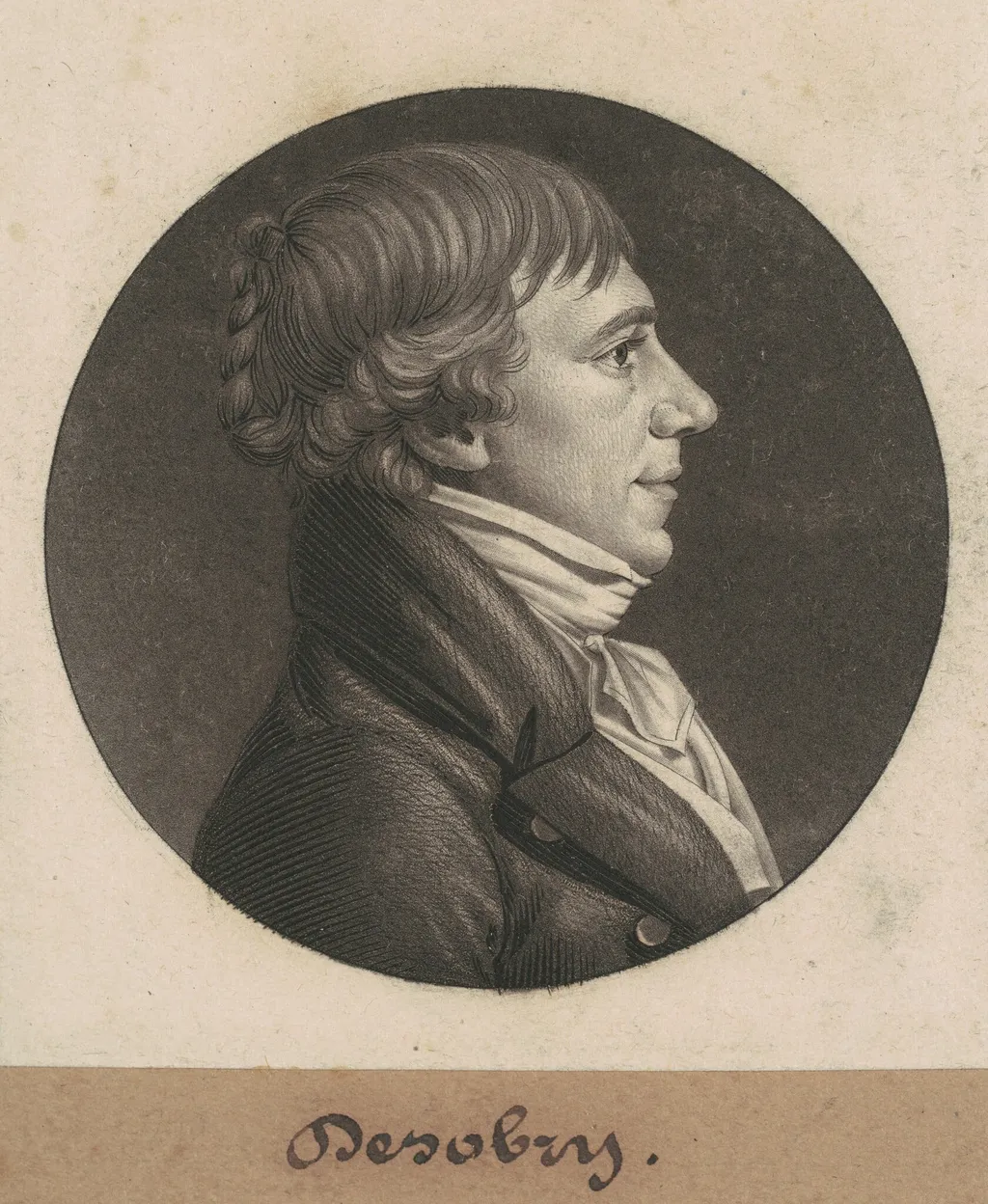
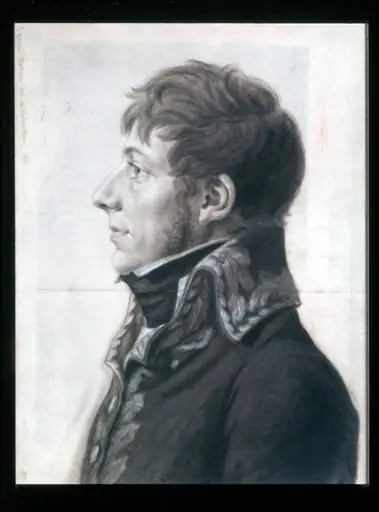
Desobry is an ink print by the Romanticist artist Charles Balthazar Julien Févret de Saint-Mémin. It dates from 1803 and is held in the collection of the National Gallery of Art. Charles B.
About this work
Overview
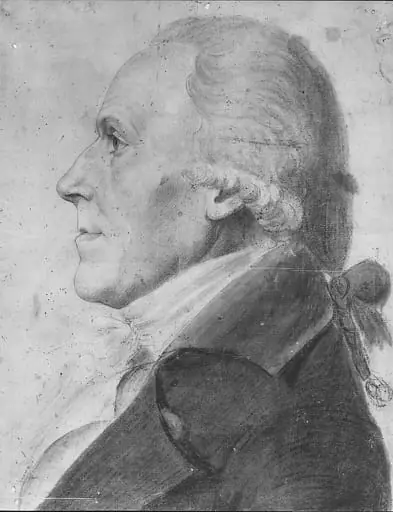
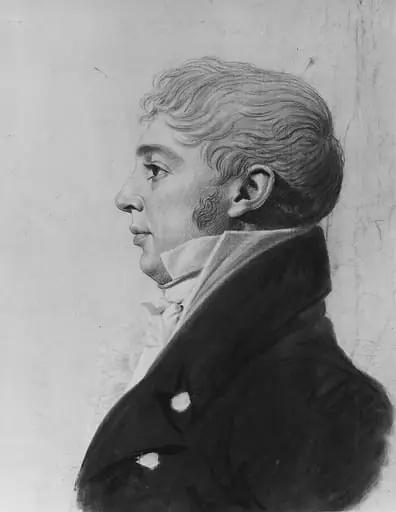
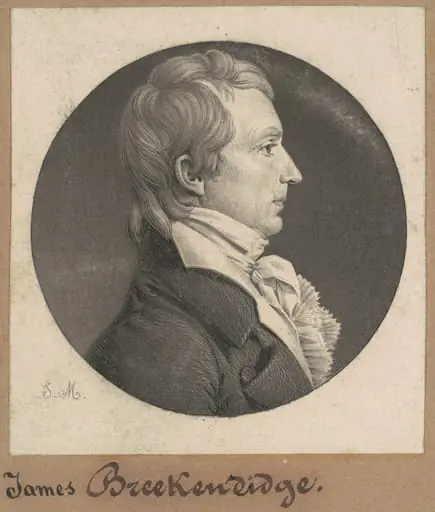
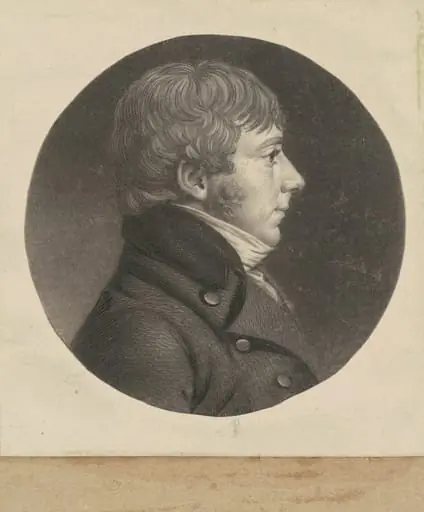
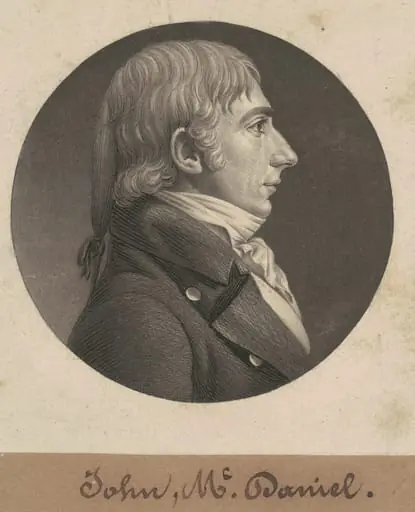
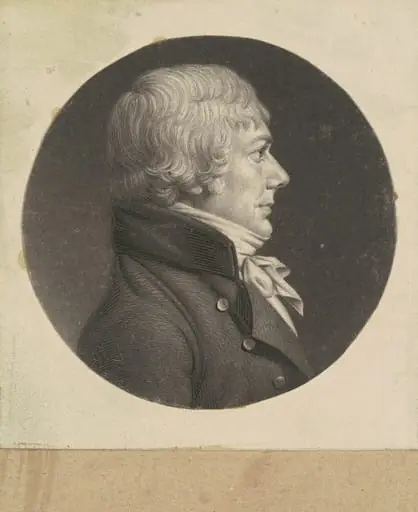
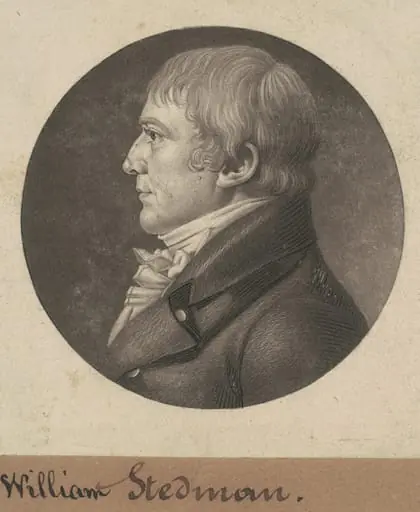
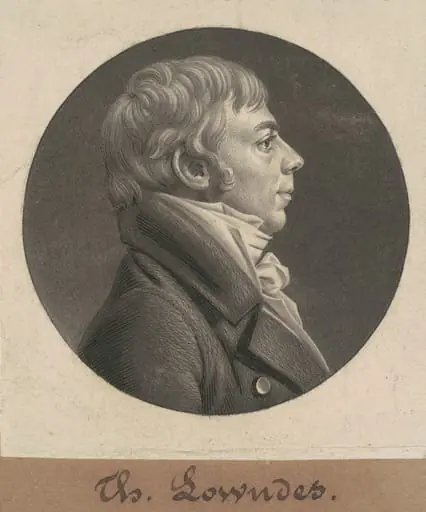
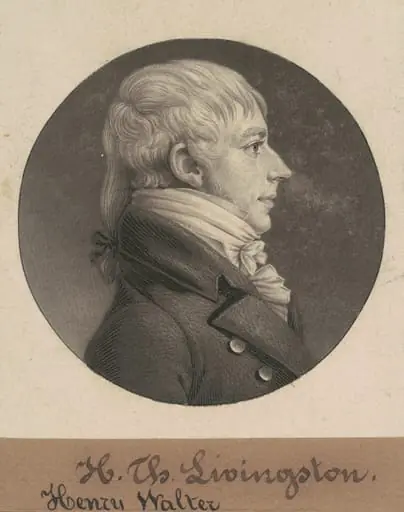
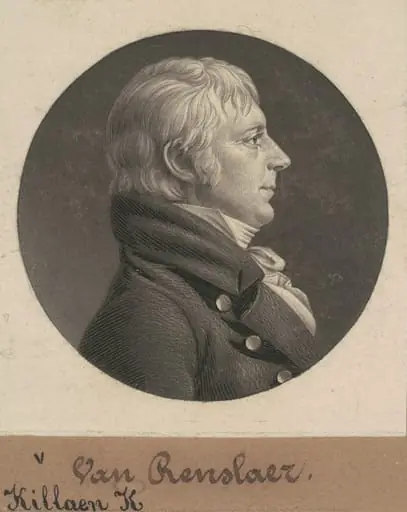
Charles B. J. Févret de Saint‑Mémin’s 1803 print, titled Desobry, is a black‑and‑white portrait executed in mezzotint and engraving. The image, mounted on brown wove paper, presents a young French aristocrat from the waist upward, his body turned slightly toward the viewer’s left.
Subject & Meaning
The sitter, identified only by the title Desobry, appears as a member of the French elite of the early nineteenth century. His refined attire and composed pose convey the social status and genteel bearing expected of a young nobleman during the post‑revolutionary period.
Technique & Style
Saint‑Mémin combined mezzotint’s rich tonal gradations with the precise line work of engraving, allowing subtle modeling of flesh and fabric while retaining crisp detail in the clothing. The use of wove paper, both for the print and its mounting, contributes to a smooth surface that enhances the delicate shading.
History & Provenance
Created in 1803, the print entered the collection of the National Gallery of Art, where it remains on view. Its acquisition reflects the museum’s interest in French printmaking of the Napoleonic era and the work of Saint‑Mémin, a noted portraitist of his time.
Context
During the early 1800s, French portrait prints served both as personal mementos and as a means of disseminating the images of the newly re‑established aristocracy. Saint‑Mémin’s practice of rendering such subjects in mezzotint aligns with contemporary tastes for finely detailed, reproducible portraiture.
Artist & collection

Artist
Charles Balthazar Julien Févret de Saint-Mémin
Charles Balthazar Julien Févret de Saint-Mémin (French pronunciation: ; 1770–1852) was a French portrait painter and museum director.