Artwork
Robert Wilson
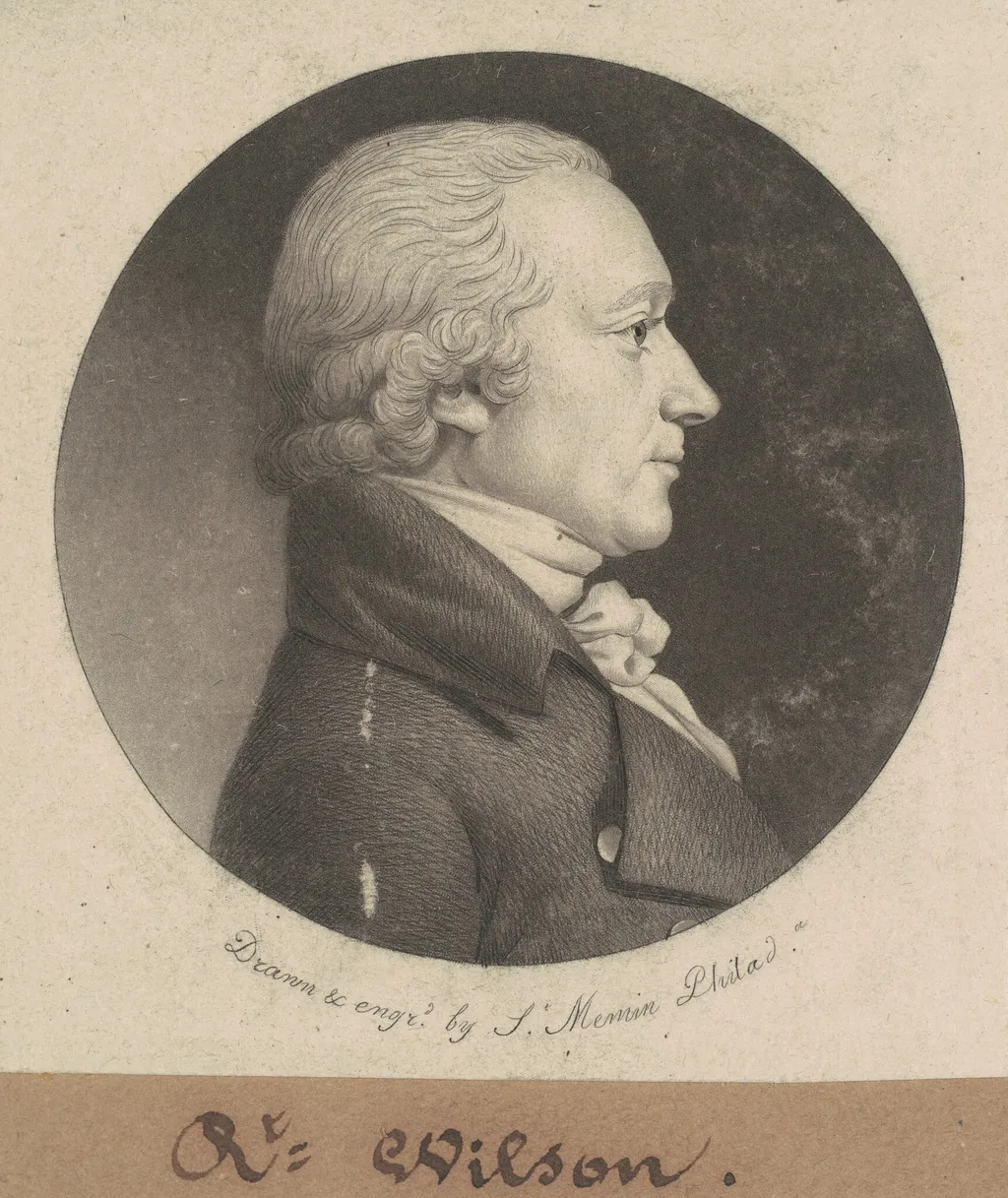
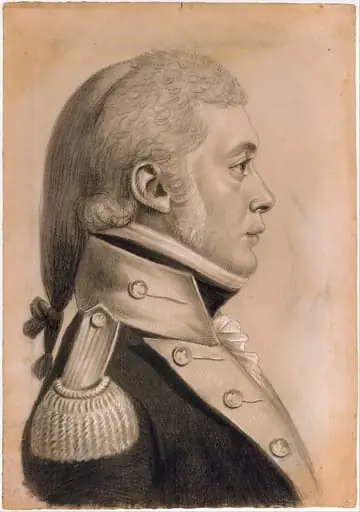
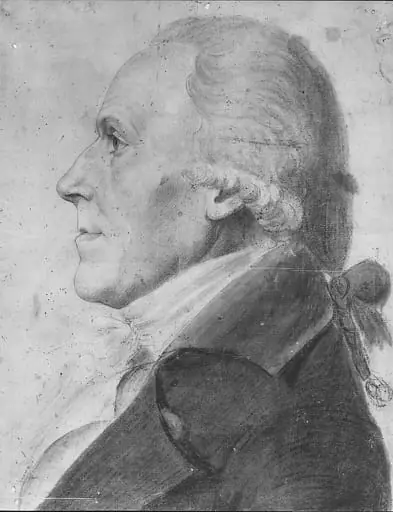
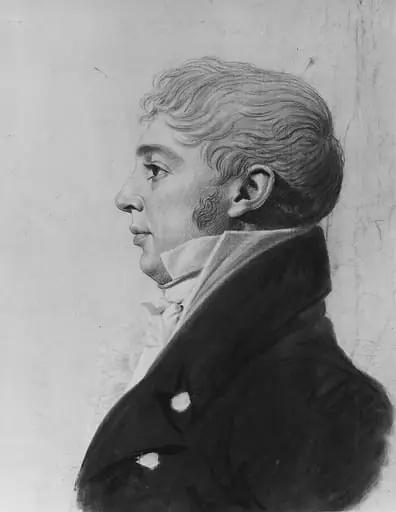
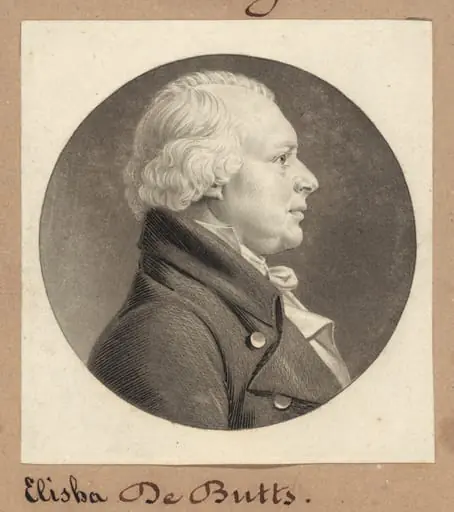
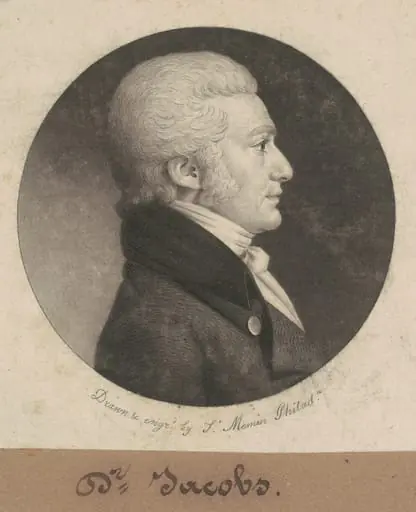
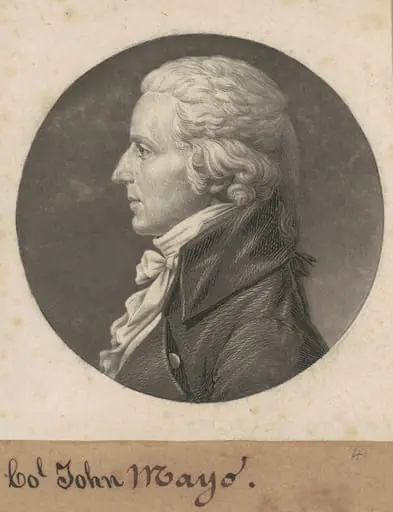
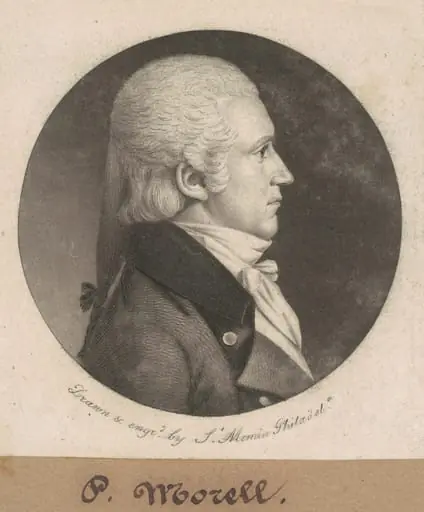
Robert Wilson is an ink print by the Romanticist artist Charles Balthazar Julien Févret de Saint-Mémin. It dates from 1802 and is held in the collection of the National Gallery of Art. Created in 1802, this print is a composite of mezzotint and engraving techniques on wove paper, mounted to a brown wove backing.
About this work
Overview
Févret de Saint-Mémin, a French-born artist known for his portrait prints of prominent American figures during the early republic.
Created in 1802, this print is a composite of mezzotint and engraving techniques on wove paper, mounted to a brown wove backing. It portrays Robert Wilson, a figure recognized for his service during the American Revolutionary War. The work was executed by Charles B. J. Févret de Saint-Mémin, a French-born artist known for his portrait prints of prominent American figures during the early republic.
Subject & Meaning
Robert Wilson is depicted in full military uniform, his posture upright and gaze direct, conveying quiet authority. The portrait was not merely a likeness but a tribute to his wartime contributions, aligning with early national efforts to memorialize individuals who embodied civic virtue. The absence of overt symbolism emphasizes restraint, reflecting the era’s preference for dignified, understated heroism.
Technique & Style
Saint-Mémin employed mezzotint to render subtle gradations of light and shadow across Wilson’s uniform and face, while fine engraving defined crisp details like buttons, epaulets, and hair. The combination allowed for both tonal richness and precise line work, characteristic of his method. The composition is tightly framed, focusing attention on the subject’s expression and attire without distraction.
History & Provenance
The print was produced during Saint-Mémin’s time in the United States, where he created a series of portraits of notable Americans at the request of patrons and institutions. This particular image was likely commissioned or circulated to honor Wilson’s military service. Its mounting on brown paper suggests it was intended for preservation or display in a private or institutional collection.
Context
In the early 19th century, portrait prints like this one served as accessible means of commemorating public figures, especially in a young nation seeking to establish its own visual culture. Saint-Mémin’s works were among the most widely distributed likenesses of Revolutionary figures, bridging European engraving traditions with American civic ideals.
Legacy
Though Wilson is less remembered today than contemporaries like Washington or Greene, this print remains a representative example of early American portraiture in print. Saint-Mémin’s technique influenced subsequent generations of American engravers, and this work contributes to the visual record of lesser-known but respected figures of the Revolutionary era.
Artist & collection

Artist
Charles Balthazar Julien Févret de Saint-Mémin
Charles Balthazar Julien Févret de Saint-Mémin (French pronunciation: ; 1770–1852) was a French portrait painter and museum director.