Artwork
John Mayo II
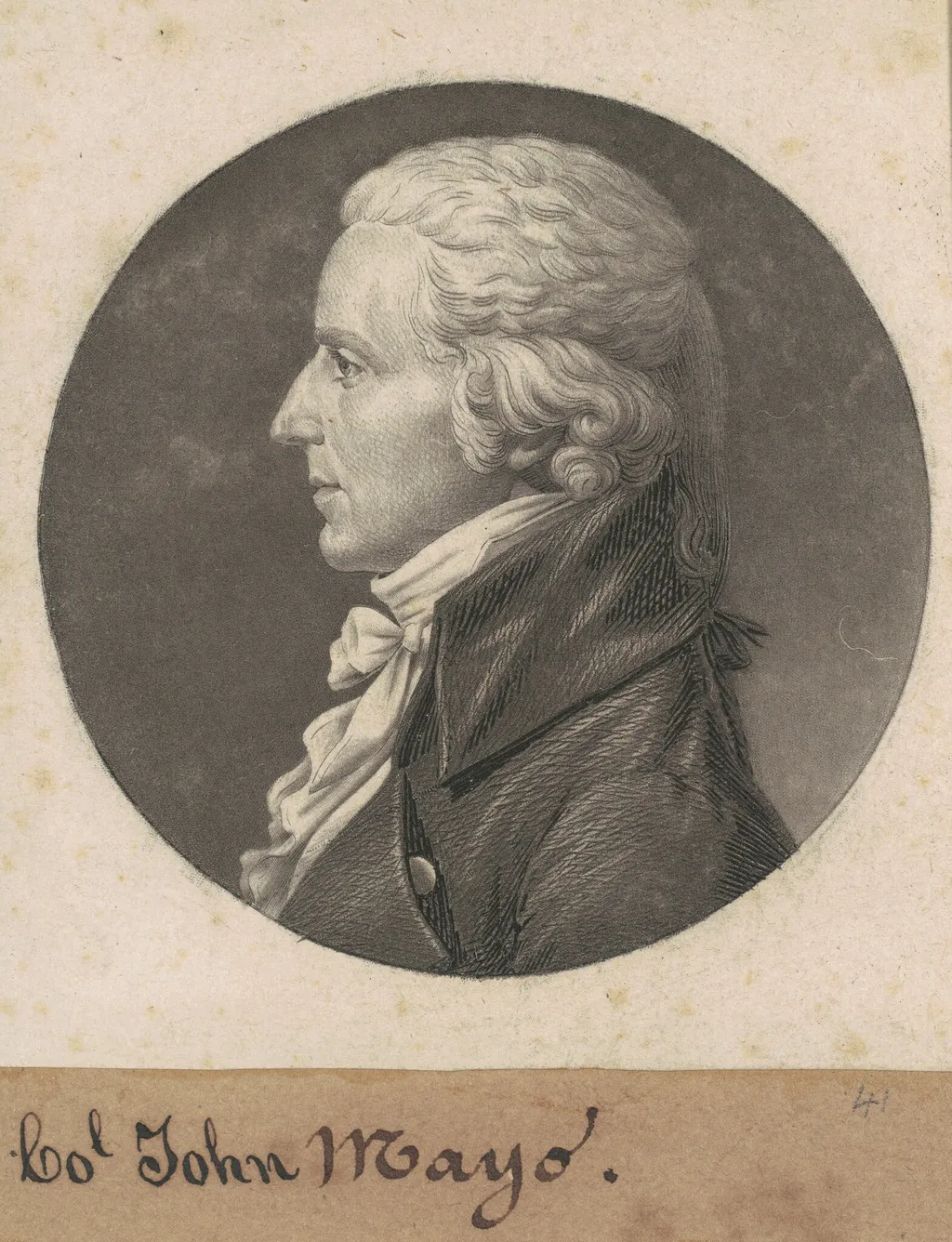
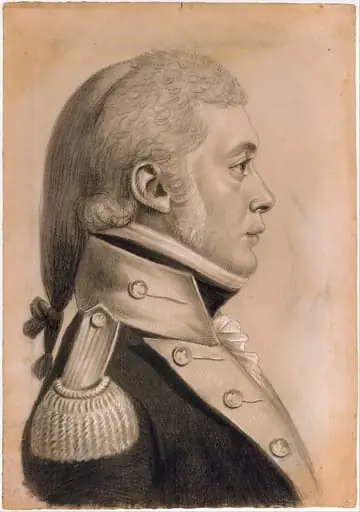
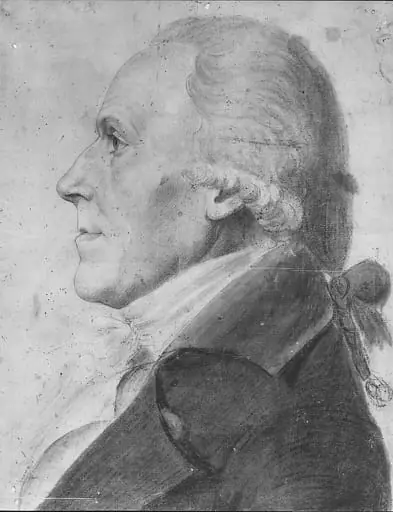
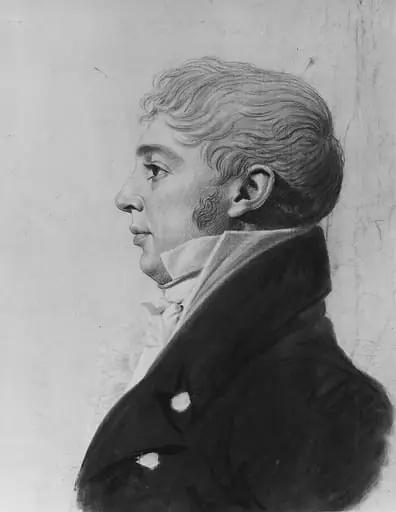
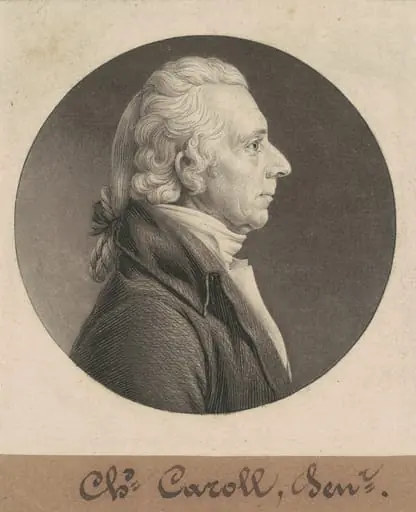
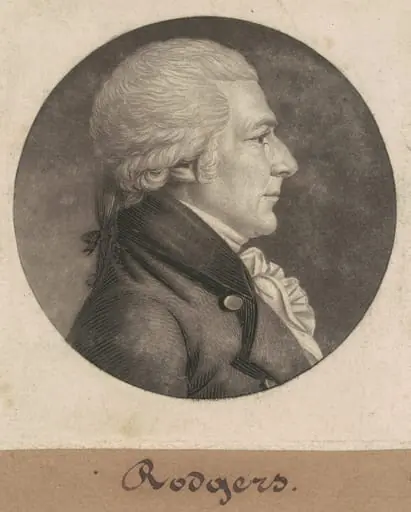
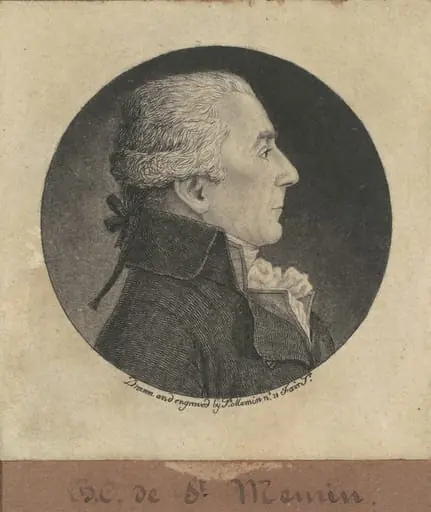
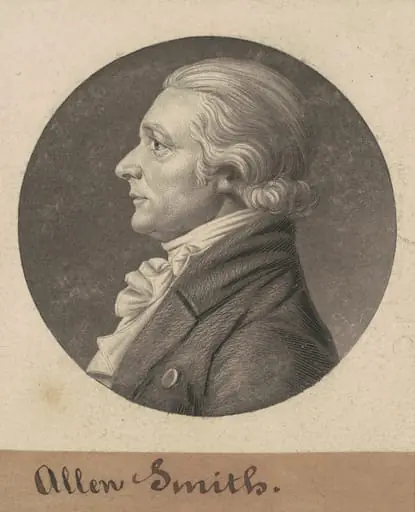
John Mayo II is an ink print by the Romanticist artist Charles Balthazar Julien Févret de Saint-Mémin. It dates from 1808 and is held in the collection of the National Gallery of Art.
About this work
Overview
The image, rendered in black ink on wove paper and mounted to a brown backing, belongs to a series of portraits the artist produced in the United States.
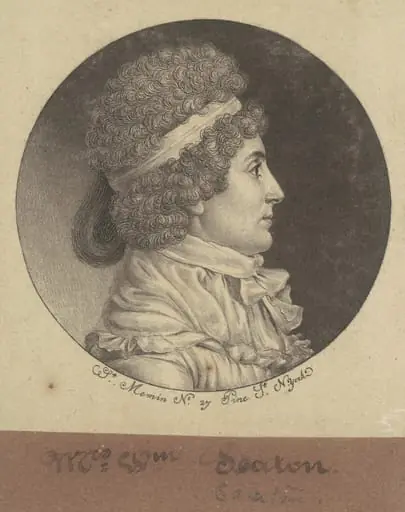
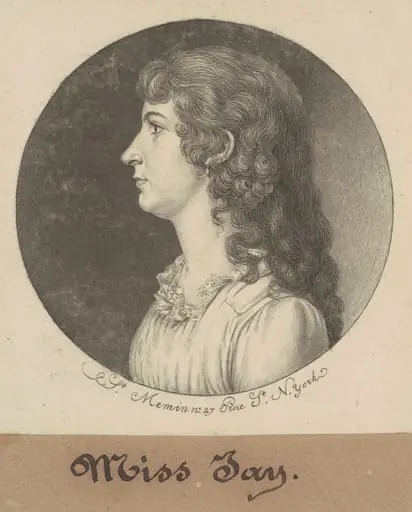
John Mayo II is a printed portrait created in 1808 by Charles Balthazar Julien Févret de Saint-Mémin using mezzotint and engraving techniques. The image, rendered in black ink on wove paper and mounted to a brown backing, belongs to a series of portraits the artist produced in the United States. Unlike painted portraits, this work was designed for reproduction, allowing multiple impressions to be made from a single metal plate.
Subject & Meaning
The sitter, John Mayo II, is depicted with a composed, solemn demeanor, reflecting the gravity expected of public figures in early 19th-century America. His attire, though stylized, suggests a man of standing, dressed in the formal dress of the period. The portrait serves less as a personal likeness and more as a documented representation of civic identity, aligning with the era’s interest in preserving the likenesses of notable individuals through reproducible media.
Technique & Style
Saint-Mémin employed mezzotint, a method that textures metal plates with tiny pits to achieve tonal gradations, combined with fine engraving lines for sharp detail. This hybrid approach allowed subtle modeling of the face and intricate rendering of fabric folds. The resulting image balances the softness of tone with the precision of line, characteristic of the artist’s technical mastery and his adaptation of European printmaking methods to American portraiture.
History & Provenance
Created during Saint-Mémin’s time in the United States, the portrait was likely commissioned or produced as part of his broader project to document prominent American citizens. The print entered the collection of the National Gallery of Art in Washington, D.C., where it remains today. Its preservation reflects the institution’s commitment to early American graphic arts and the role of print in shaping public memory.
Context
In the early 1800s, portraiture in America was increasingly accessible through printmaking, as painted images remained costly and time-intensive. Saint-Mémin’s use of mezzotint and engraving aligned with a growing demand for standardized, reproducible likenesses of political and social figures. His work contributed to a visual culture that valued documentation over idealization, bridging European techniques with American civic identity.
Legacy
Saint-Mémin’s portraits, including that of John Mayo II, represent a significant chapter in American print history. His method enabled the dissemination of recognizable images of individuals who might otherwise have been known only through word or written record. These prints remain valuable as both artistic artifacts and historical records, illustrating how technology influenced the perception and preservation of personal identity in the young republic.
Artist & collection

Artist
Charles Balthazar Julien Févret de Saint-Mémin
Charles Balthazar Julien Févret de Saint-Mémin (French pronunciation: ; 1770–1852) was a French portrait painter and museum director.