Artwork
Rodgers
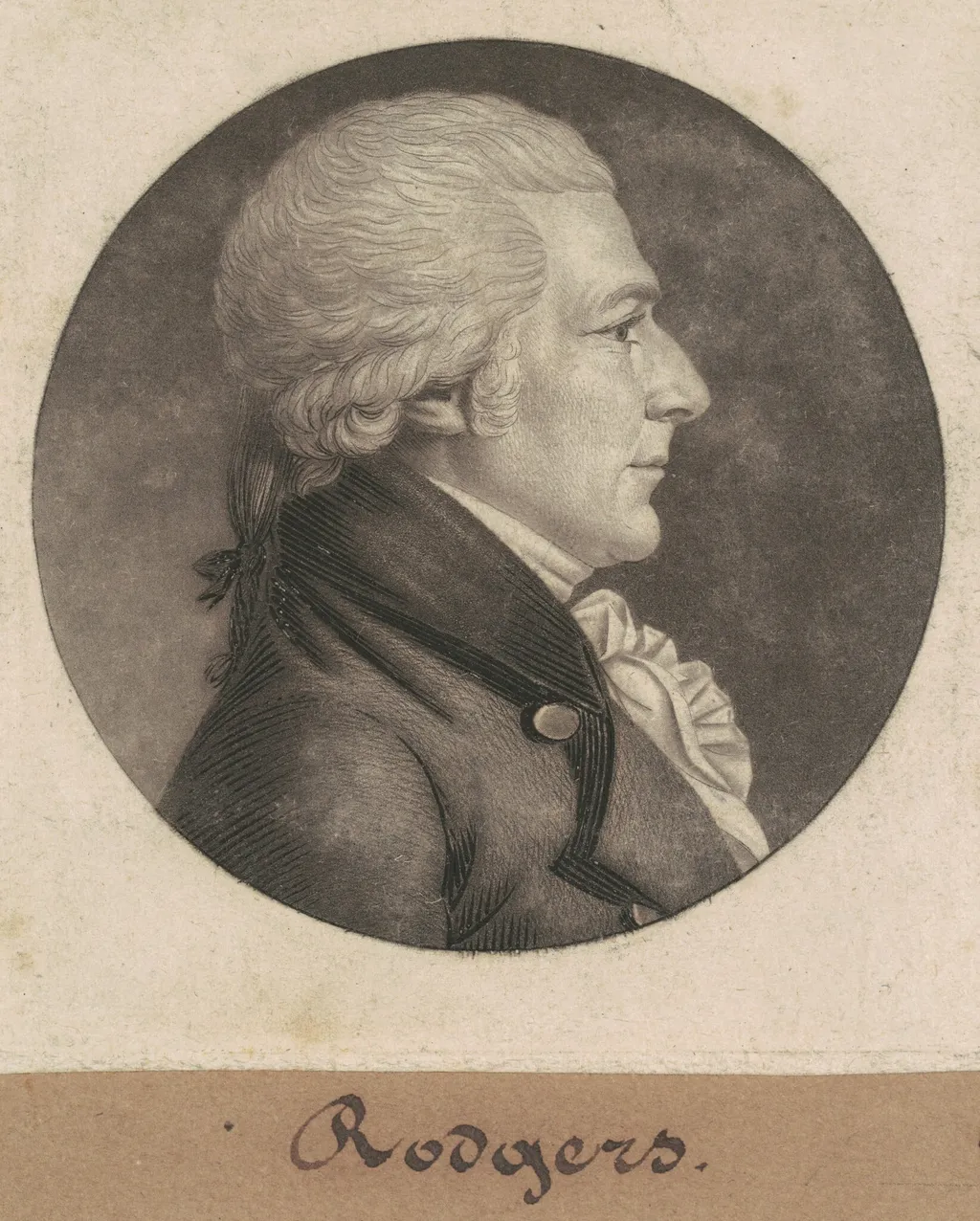
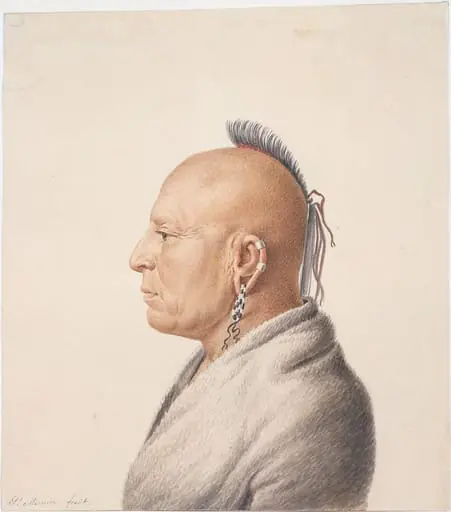
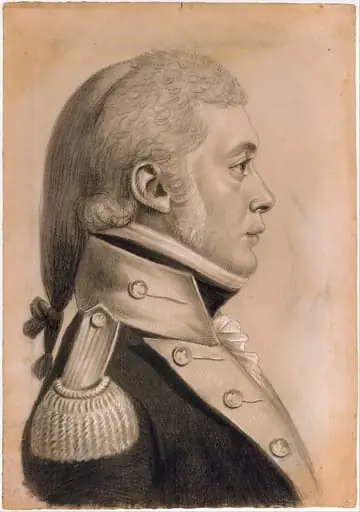
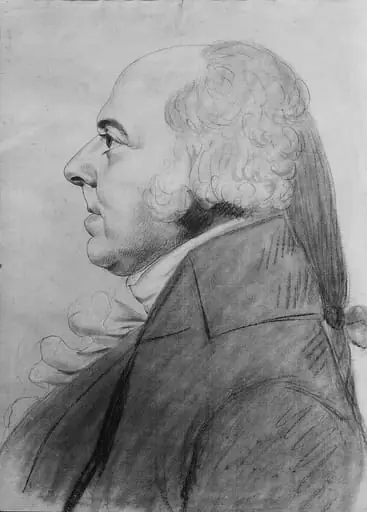
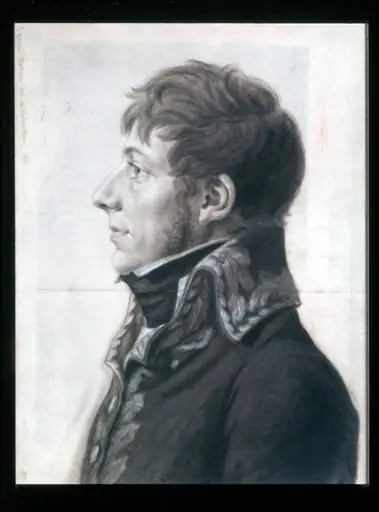
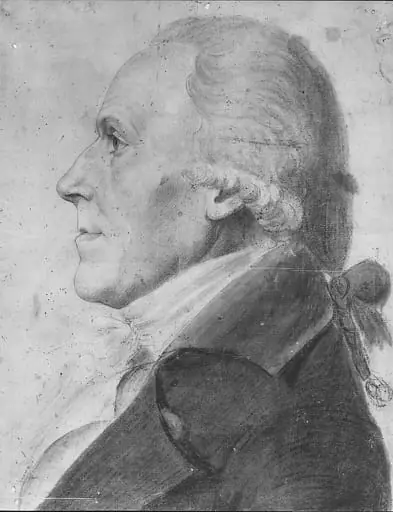
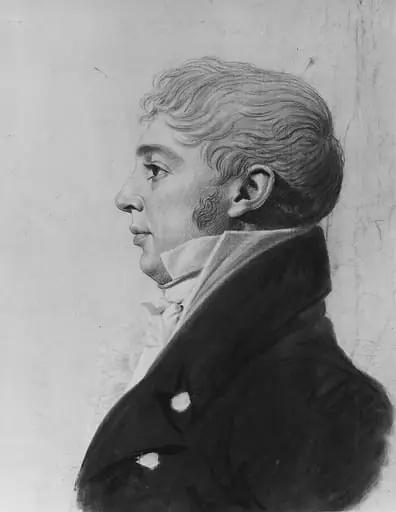
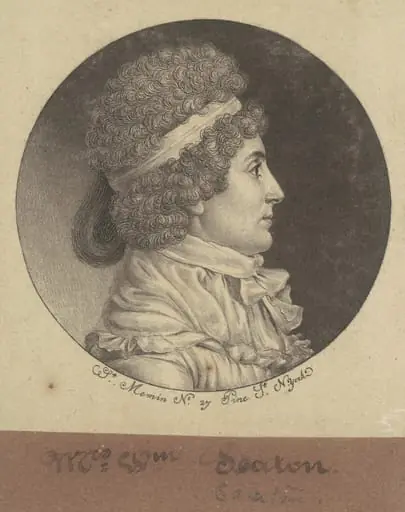
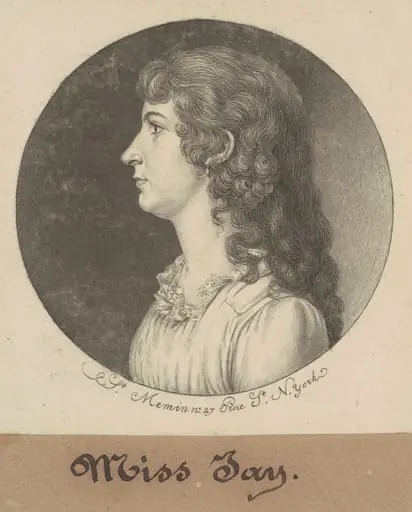
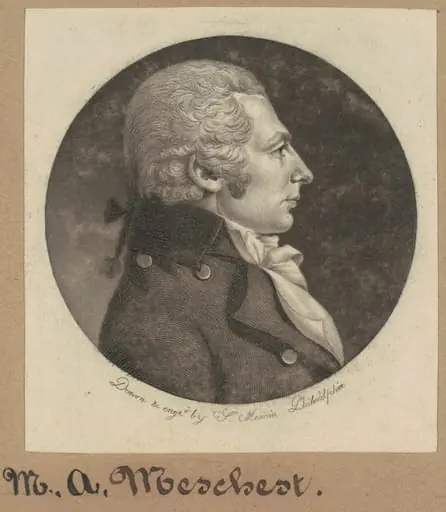
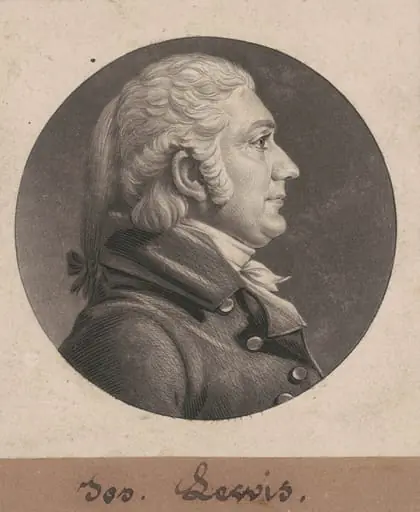
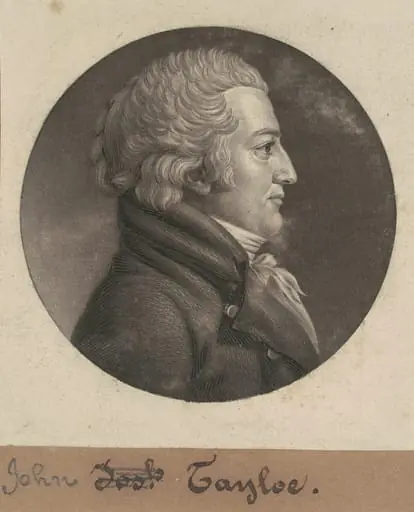
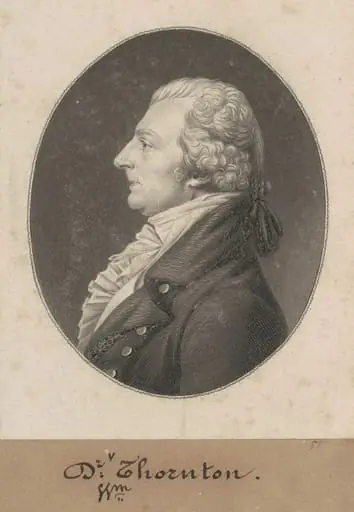
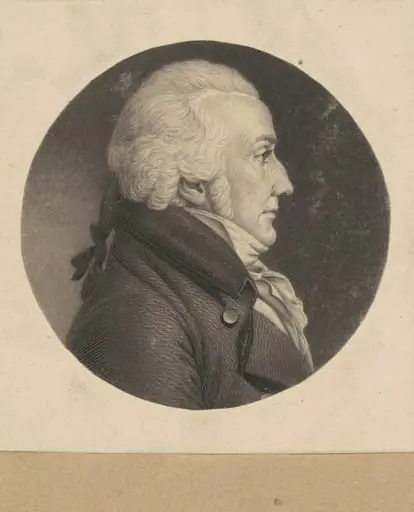
Rodgers is an ink print by the Romanticist artist Charles Balthazar Julien Févret de Saint-Mémin. It dates from 1802 and is held in the collection of the National Gallery of Art. Created in 1802, this small oval print measures just over 5.
About this work
Overview
The composition’s compact size and monochrome palette focus the viewer’s attention on the sitter’s direct gaze and the subtle modeling of his features.
Created in 1802, this small oval print measures just over 5.7 by 5.5 centimeters. Executed in black on wove paper that has been mounted to a brown backing, the work presents a solitary male sitter rendered in a delicate balance of light and shadow. The composition’s compact size and monochrome palette focus the viewer’s attention on the sitter’s direct gaze and the subtle modeling of his features.
Subject & Meaning
The portrait depicts a gentleman dressed in a dark coat and a white cravat, his expression steady and confrontational. The lack of ornamental background suggests an emphasis on individual identity rather than status symbols, a common approach in early‑nineteenth‑century portraiture that sought to capture the sitter’s character through facial nuance and pose.
Technique & Style
The image combines mezzotint and engraving processes. The artist prepared the copper plate by roughening it for mezzotint, then burnished areas to create smooth transitions from deep shadow to luminous highlights, giving the face a velvety realism. Engraving lines add definition to details such as the cravat and coat, resulting in a print where soft tonal modeling coexists with crisp linear accents.
History & Provenance
Attributed to Charles B. J. Févret de Saint‑Mémin, a French artist known for his portrait prints, the work reflects his mastery of the mezzotint medium during the post‑Revolutionary period. Though specific ownership records are sparse, the piece aligns with Saint‑Mémin’s practice of producing intimate, individualized likenesses for a European clientele in the early 1800s.
Artist & collection

Artist
Charles Balthazar Julien Févret de Saint-Mémin
Charles Balthazar Julien Févret de Saint-Mémin (French pronunciation: ; 1770–1852) was a French portrait painter and museum director.