Artwork
Unidentified Man
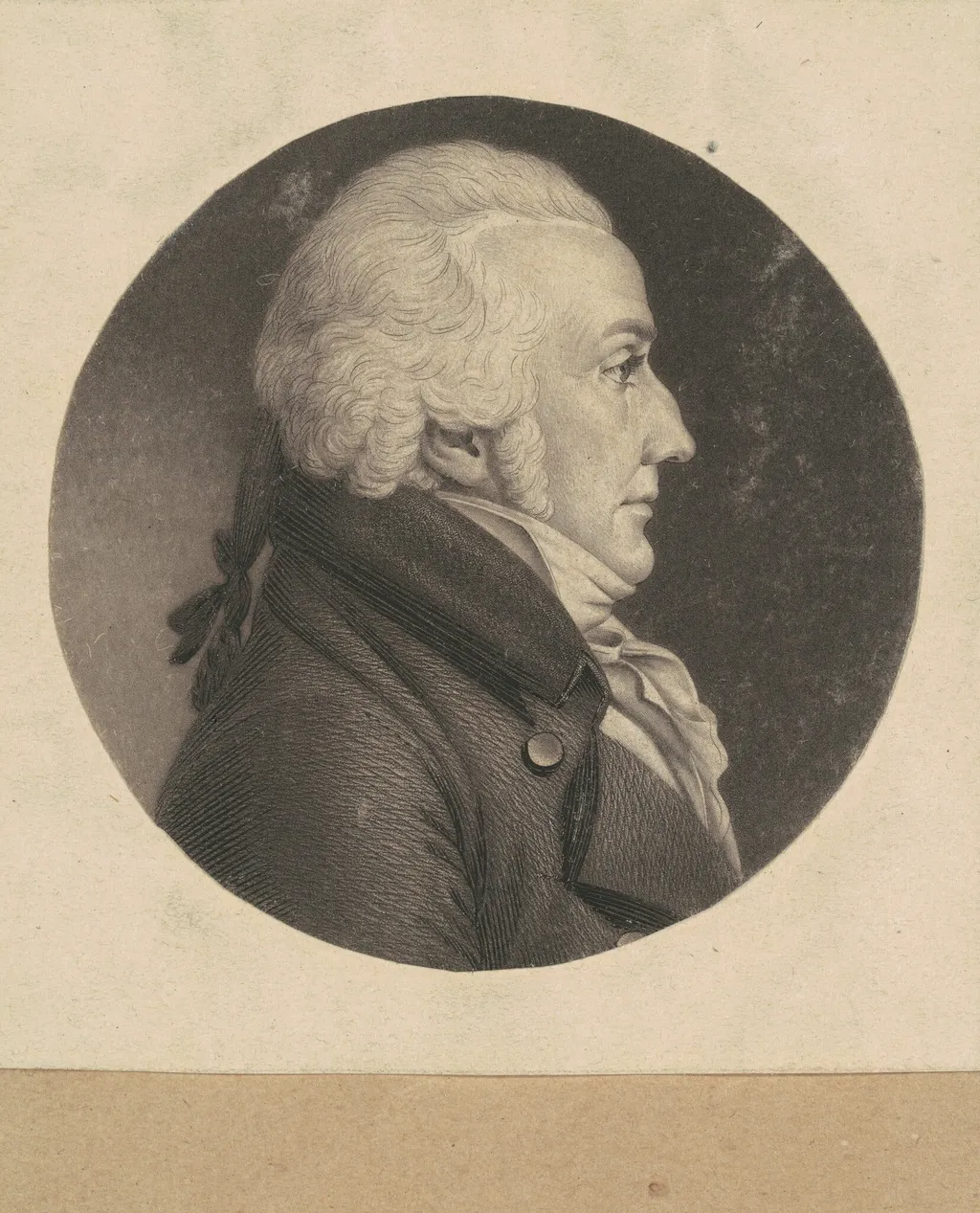
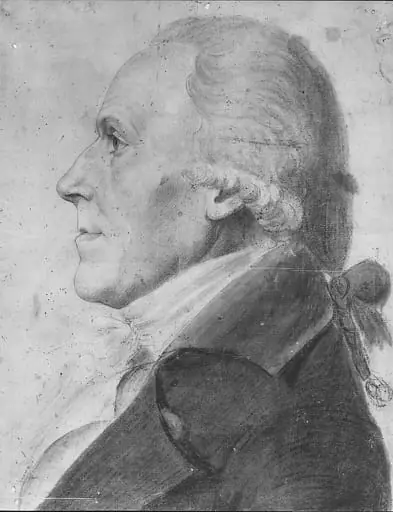
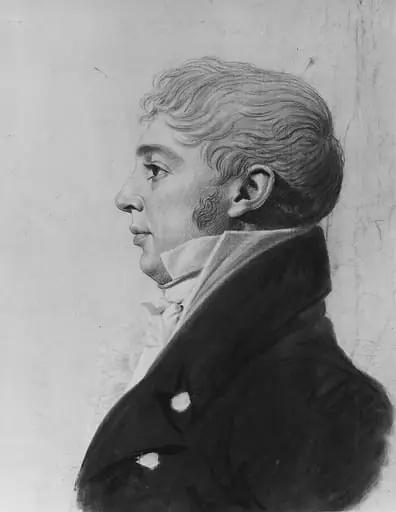
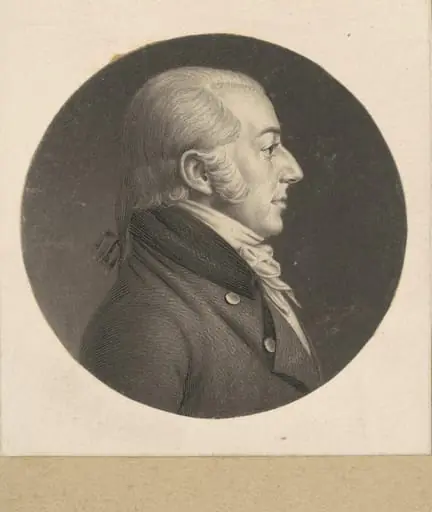
Unidentified Man is an ink print by the Romanticist artist Charles Balthazar Julien Févret de Saint-Mémin. It dates from 1800 and is held in the collection of the National Gallery of Art.
About this work
Overview
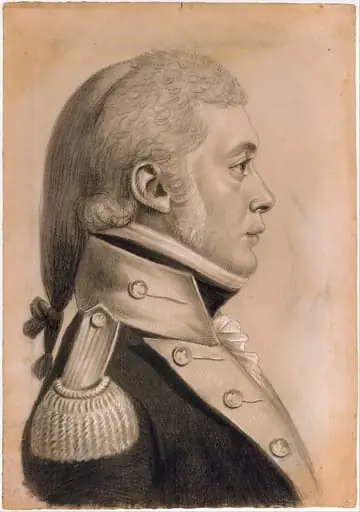
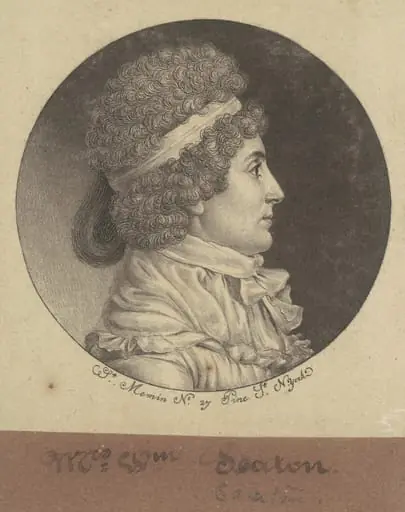
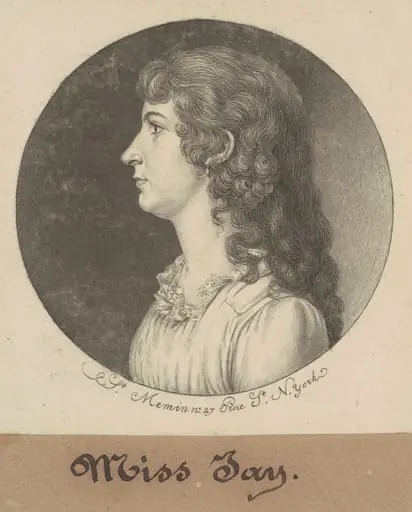
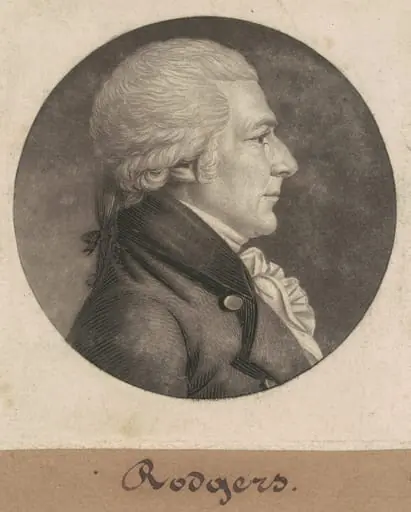
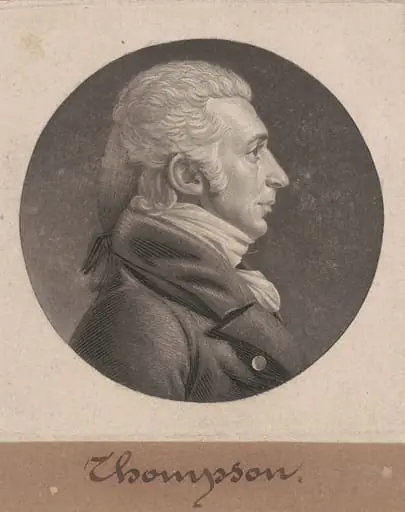
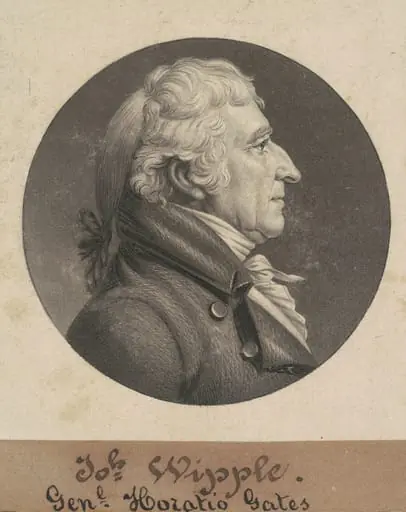
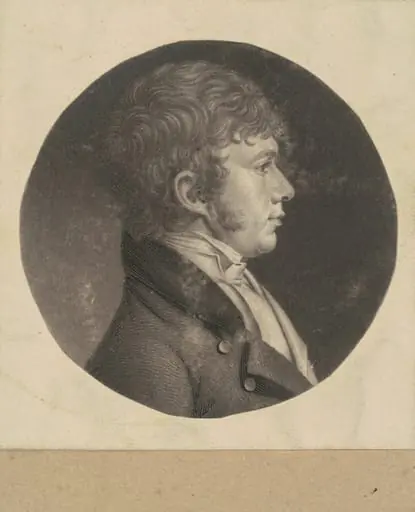
This print is a small circular portrait of an unidentified man, created around 1800 using mezzotint and engraving techniques on wove paper.
This print is a small circular portrait of an unidentified man, created around 1800 using mezzotint and engraving techniques on wove paper. The image is mounted on a brown wove paper support, typical of the period’s preservation practices. It belongs to a series of profile portraits produced by Charles B. J. Févret de Saint-Mémin, who specialized in reproducing likenesses for private collections and institutional archives.
Subject & Meaning
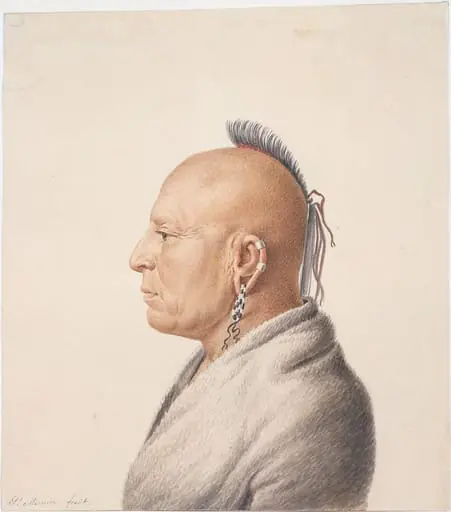
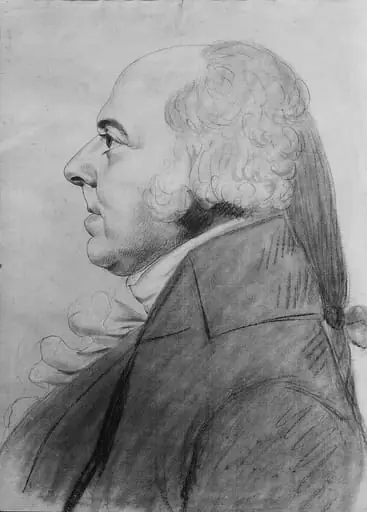
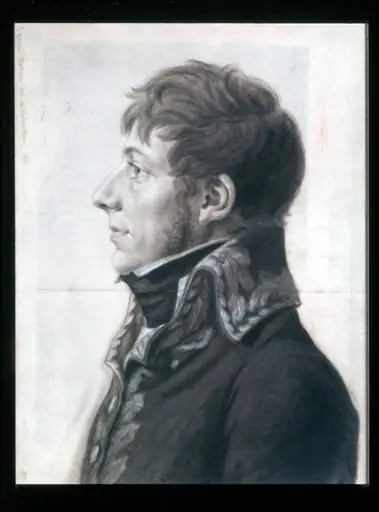
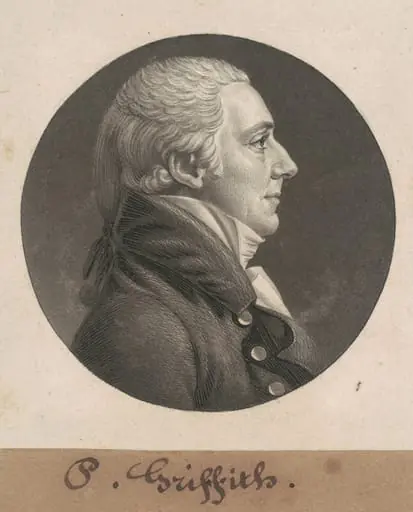
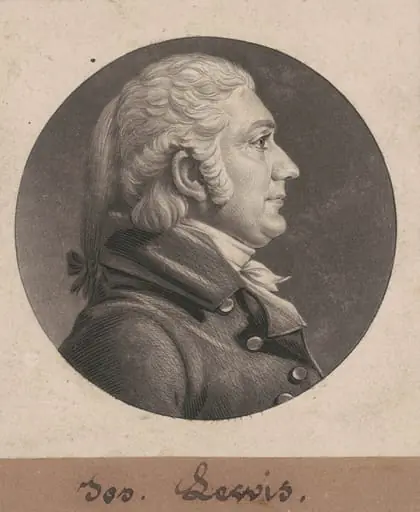
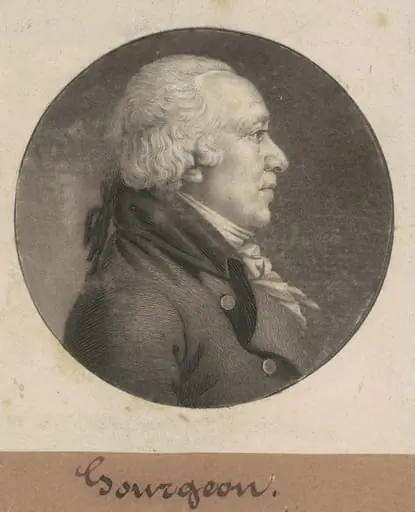
The subject is a man rendered in strict profile, his dark coat and pale cravat contrasting sharply to define his form. His identity remains unknown, which is common in this type of work, where the focus was on capturing a recognizable likeness rather than personal narrative. The format suggests the portrait was intended for private use—perhaps as a keepsake, a diplomatic gift, or a record of a notable individual.
Technique & Style
Saint-Mémin employed mezzotint for subtle tonal gradations and engraving for fine linear detail, combining both to achieve a crisp, sculptural effect. The circular format, framed by a tight composition, emphasizes the sitter’s facial structure and eliminates extraneous detail. This method allowed for multiple impressions, making the portrait suitable for reproduction and distribution among collectors and institutions.
History & Provenance
The print originates from a broader project by Saint-Mémin to document American figures during his time in the United States. Many of these portraits were commissioned by government officials or wealthy patrons seeking to preserve their likenesses. This particular work likely entered a public collection in the 19th century, where it was preserved as part of a growing archive of early American portraiture.
Context
Circular profile portraits were popular in the late 18th and early 19th centuries, influenced by classical medallions and the rise of physiognomic studies. Saint-Mémin’s approach aligned with contemporary interests in scientific documentation and personal identification. His technique was widely adopted by American artists seeking to produce affordable, repeatable likenesses of public figures.
Legacy
Saint-Mémin’s profile portraits established a visual standard for early American portraiture, bridging European engraving traditions with American civic culture. Though often overlooked, these works contributed to the development of archival portraiture in the United States, influencing later methods of documenting identity through print media.
Artist & collection

Artist
Charles Balthazar Julien Févret de Saint-Mémin
Charles Balthazar Julien Févret de Saint-Mémin (French pronunciation: ; 1770–1852) was a French portrait painter and museum director.