Artwork
Thomas Wright Armat
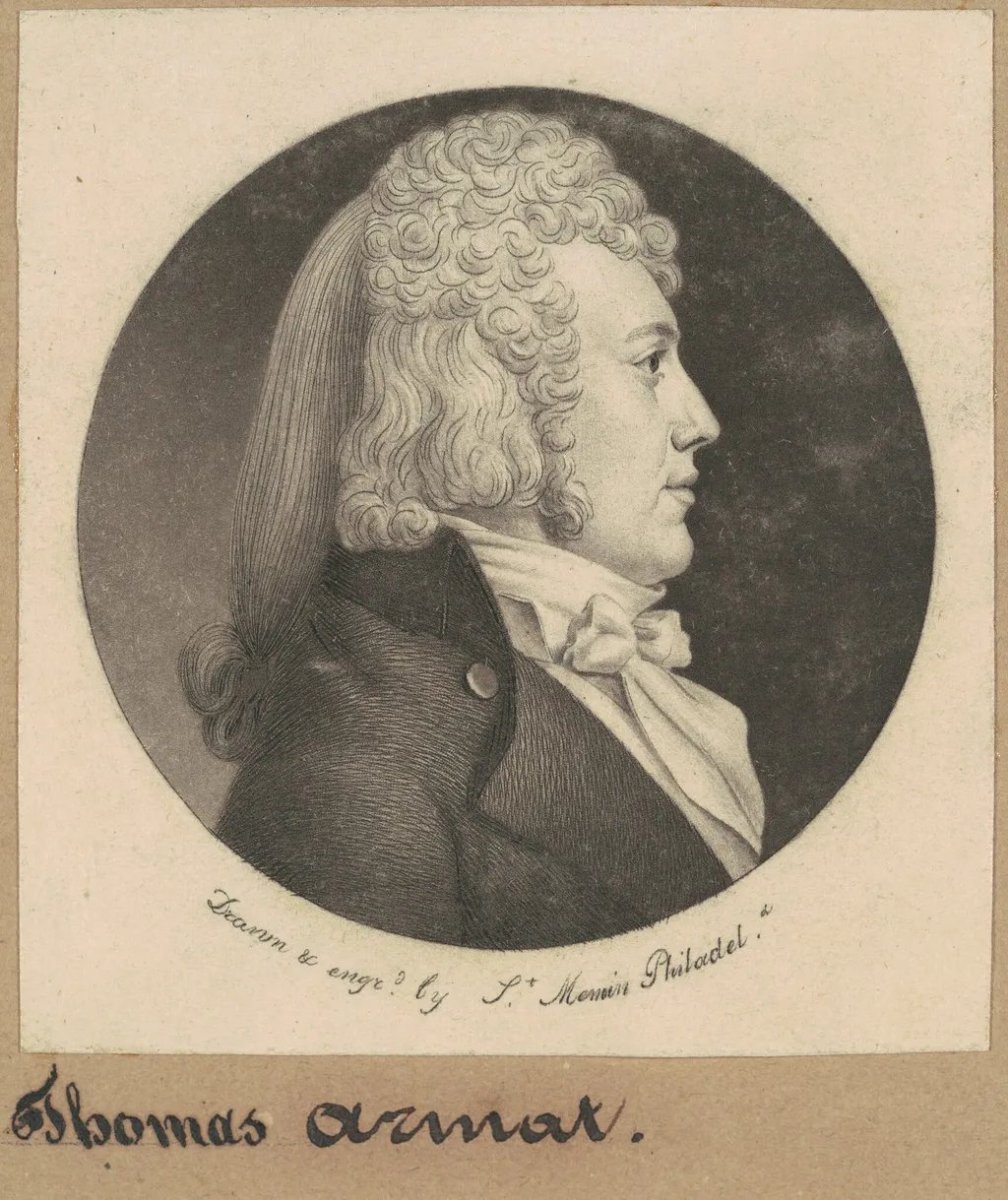
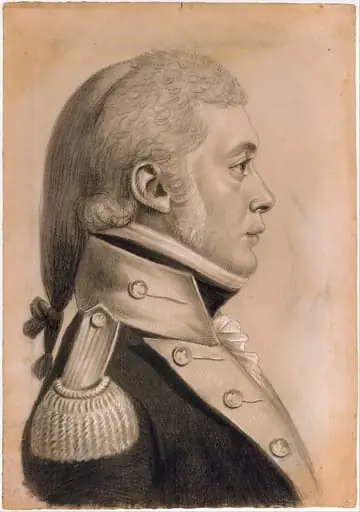
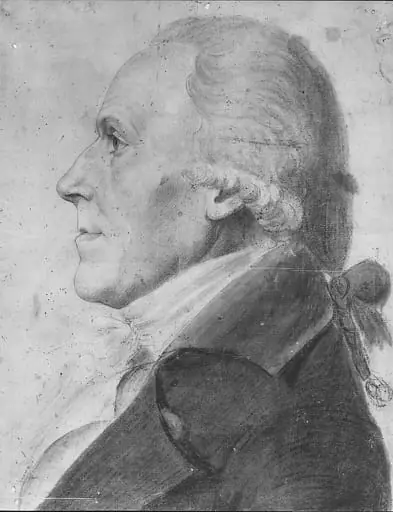
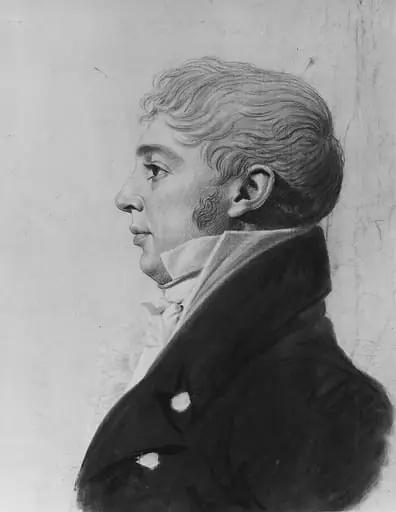
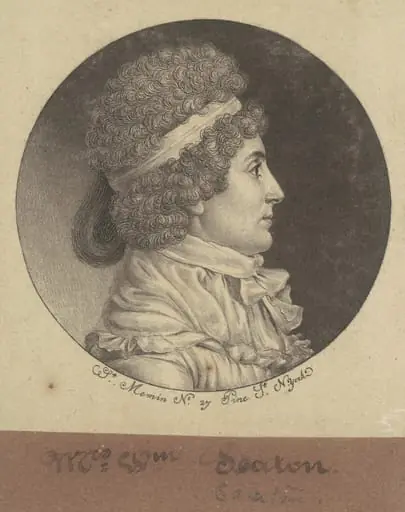
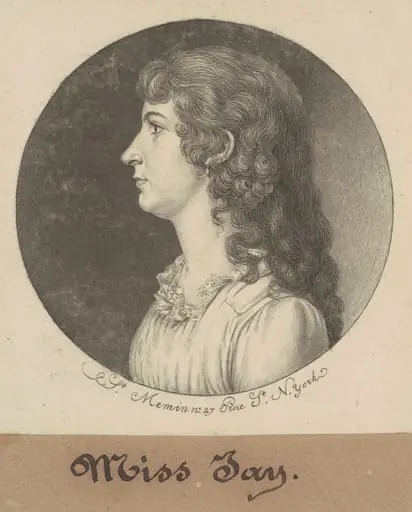
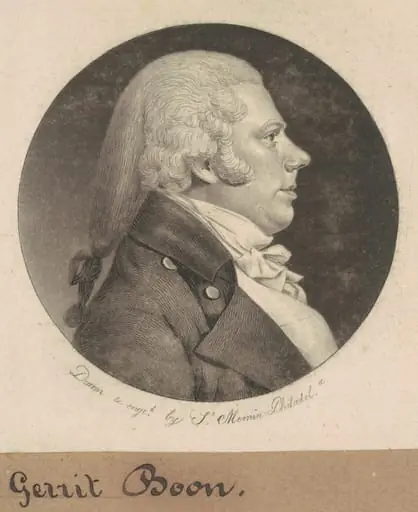
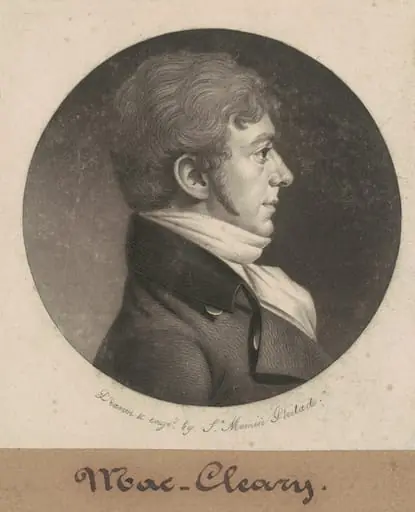
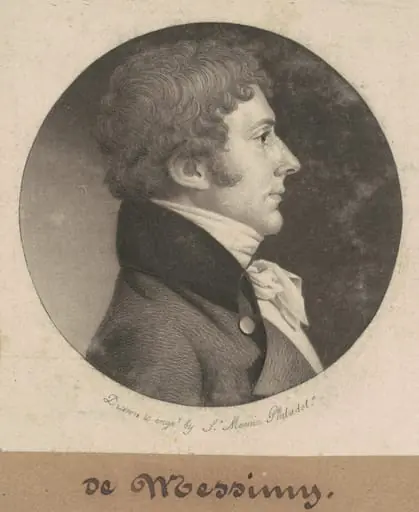
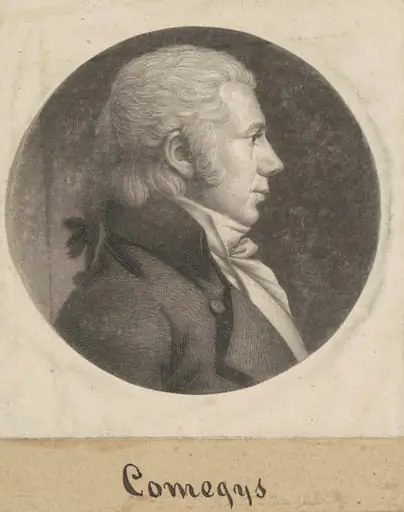
Thomas Wright Armat is an ink print by the Romanticist artist Charles Balthazar Julien Févret de Saint-Mémin. It dates from 1799 and is held in the collection of the National Gallery of Art.
About this work
The man's hairstyle is from the late 18th or early 19th century, which helps date the portrait.
This portrait shows a man with tightly curled hair and a serene expression.
He's dressed in formal clothes.
The man's hairstyle is from the late 18th or early 19th century, which helps date the portrait.
The artist paid close attention to details like his hair and clothes.
The portrait is very detailed, which suggests the artist was skilled.
You can learn more about this style by looking at the work of artist: Saint-Mémin, Charles B. J. Févret de.
Overview
This black-and-white print, executed in mezzotint and engraving on wove paper, presents a formal profile of Thomas Wright Armat. The work belongs to the Saint‑Mémin Collection of Portraits housed at the National Gallery of Art. Its meticulous rendering and careful tonal gradations reflect the technical demands of the print medium.
Subject & Meaning
The sitter, Thomas Wright Armat, is shown with tightly curled hair and a calm expression, dressed in attire appropriate to a gentleman of his era. The portrait’s restrained demeanor and dignified pose convey a sense of personal steadiness and social standing typical of late‑18th‑ to early‑19th‑century portraiture.
Technique & Style
Combining mezzotint’s rich, velvety shadows with the precise line work of engraving, the artist achieves a high level of detail in hair, fabric texture, and facial features. The contrast between deep blacks and delicate mid‑tones underscores the print’s three‑dimensional quality while maintaining a uniform tonal harmony.
History & Provenance
Created by Charles B. J. Févret de Saint‑Mémin, the print entered the National Gallery of Art as part of its dedicated Saint‑Mémin Collection of Portraits. Its acquisition history reflects the museum’s focus on assembling representative works by the French printmaker, who was active in the United States during the early 1800s.
Context
The portrait aligns with a broader trend of transatlantic portraiture in which European-trained artists produced likenesses of American figures. Saint‑Mémin’s practice of rendering American subjects in the French mezzotint tradition illustrates cultural exchange during the post‑Revolutionary period.
Legacy
As a well‑preserved example of early American portrait printmaking, the work offers scholars insight into both the technical evolution of mezzotint engraving and the visual conventions used to depict professional men of the early republic.
Artist & collection

Artist
Charles Balthazar Julien Févret de Saint-Mémin
Charles Balthazar Julien Févret de Saint-Mémin (French pronunciation: ; 1770–1852) was a French portrait painter and museum director.