Artwork
de Messimy
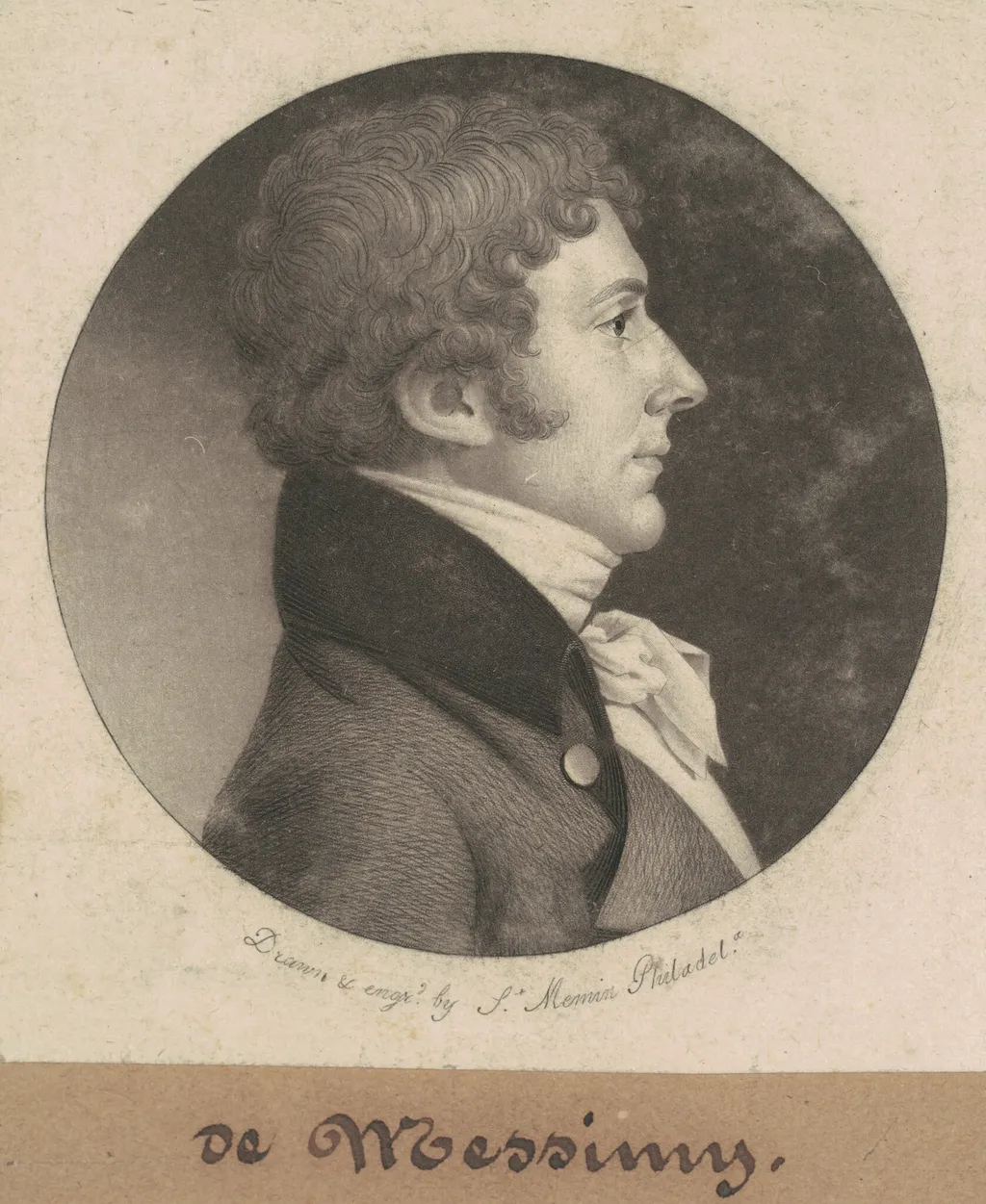
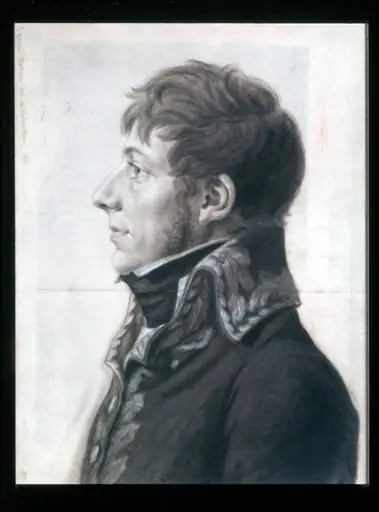
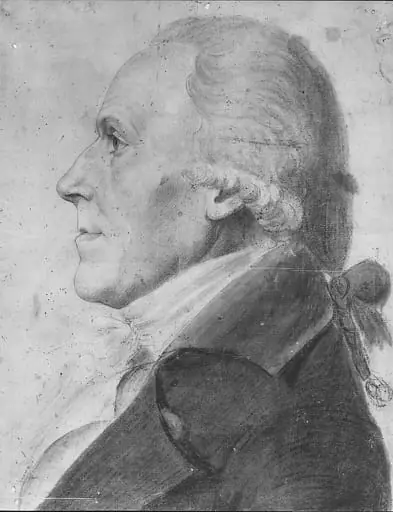
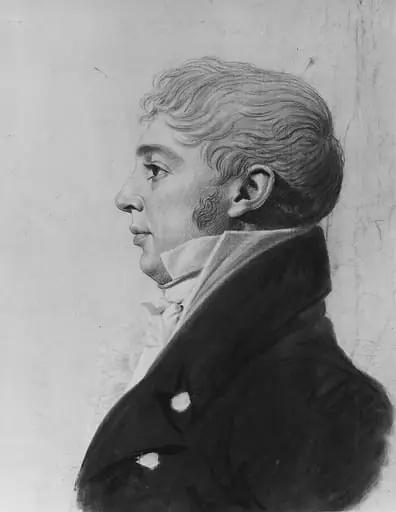
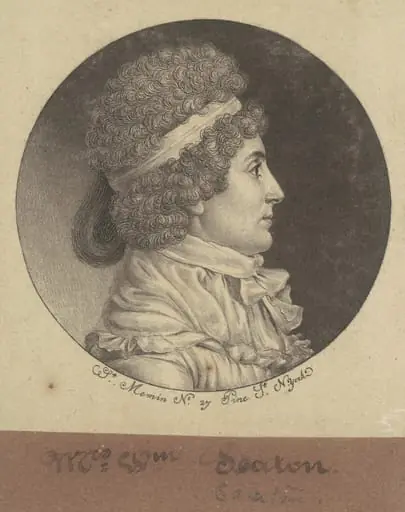
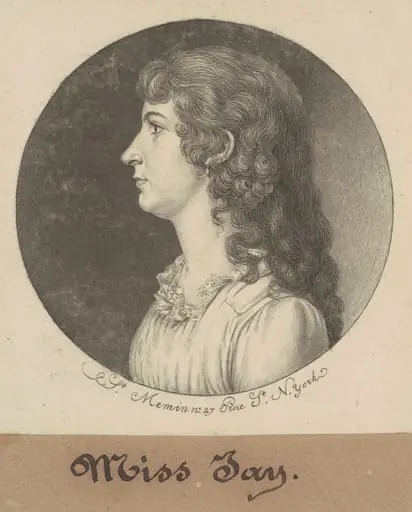
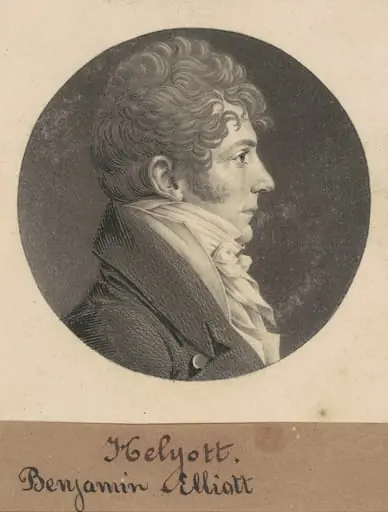
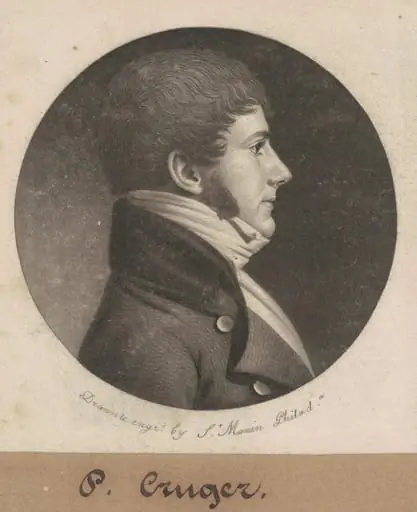
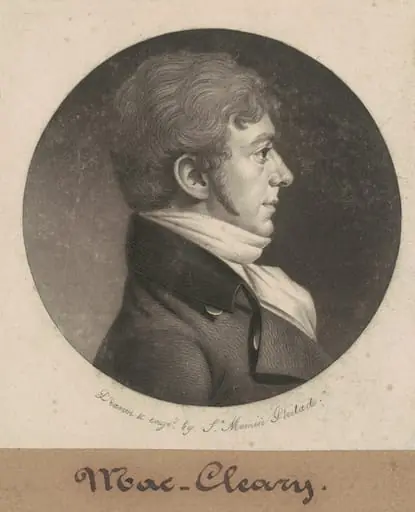
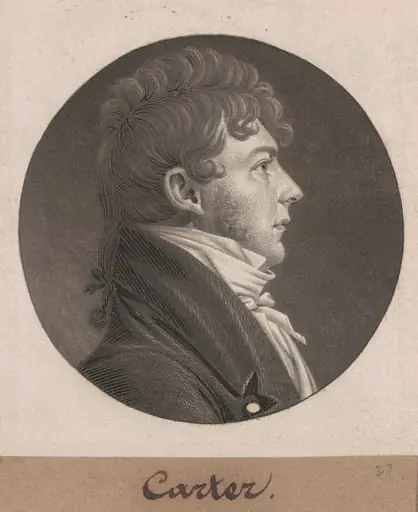
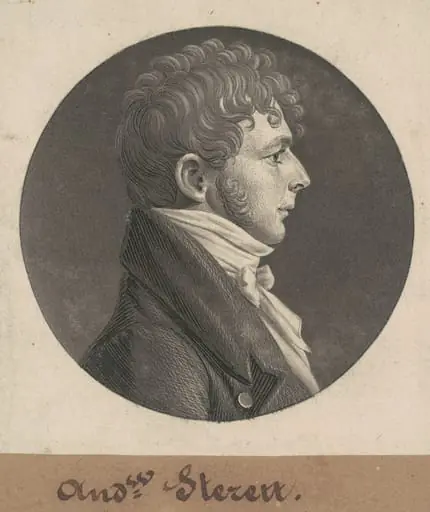
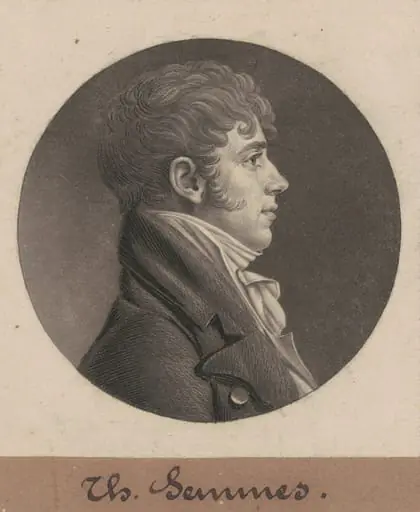
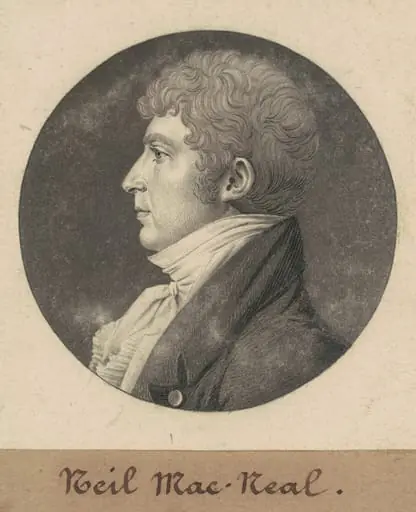
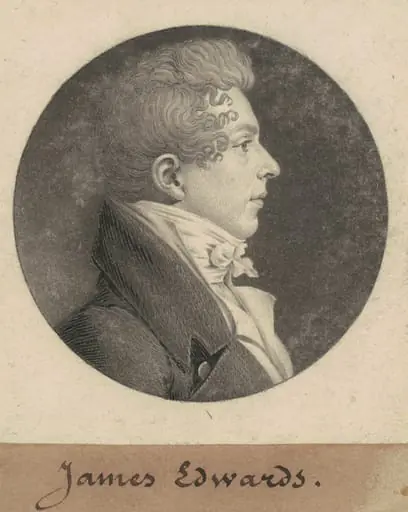
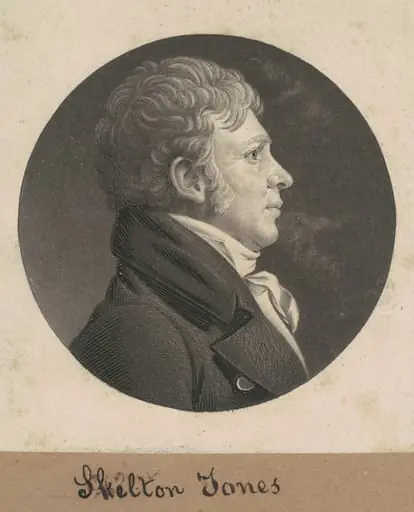
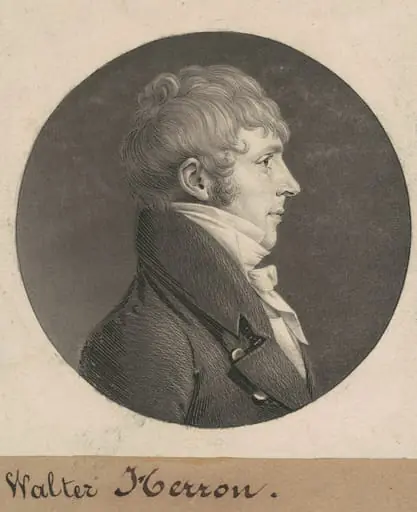
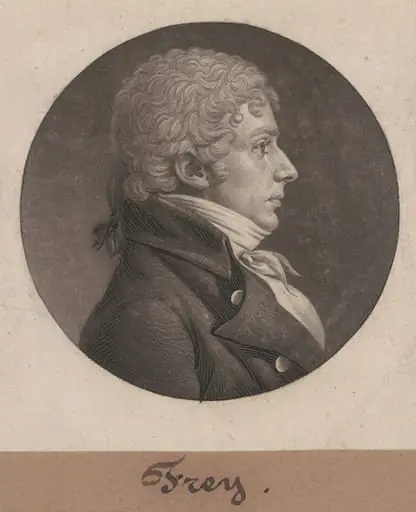
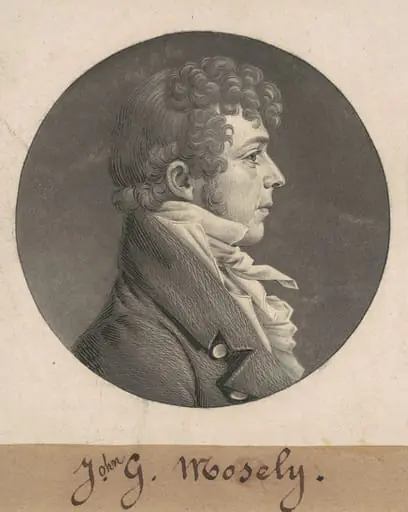
de Messimy is an ink print by the Romanticist artist Charles Balthazar Julien Févret de Saint-Mémin. It dates from 1801 and is held in the collection of the National Gallery of Art. Created in 1801, this intimate print measures just under six centimeters on each side.
About this work
Overview
Created in 1801, this intimate print measures just under six centimeters on each side. Executed in black on wove paper, it presents a portrait of a gentleman identified as de Messimy, rendered in a combination of mezzotint and engraving techniques. The work belongs to the Corcoran Collection and exemplifies early nineteenth‑century French printmaking.
Subject & Meaning
The figure is shown in three‑quarter profile, turned toward the left, his attire highlighted by a crisp white collar. The expression is composed, with a subtle illumination that catches the cheekbone while the surrounding features recede into gentle shadow, suggesting a restrained dignity typical of portraiture of the period.
Technique & Style
The image merges mezzotint’s tonal richness with the linear precision of engraving. The artist roughened the copper plate to hold ink, then selectively burnished areas to produce delicate gradations of dark and light. Fine cross‑hatching was added to smooth transitions and define edges, creating a nuanced interplay of depth and texture uncommon in portrait prints of the era.
History & Provenance
Attributed to Charles B. J. Févret de Saint‑MÉmin, a French émigré known for his portrait prints, the piece entered the Corcoran Collection, where it remains documented. Its small size and mixed technique reflect Saint‑MÉmin’s experimental approach during his early career in the United States after fleeing the Revolution.
Context
During the early 1800s, mezzotint was primarily employed for reproducing paintings, making its use for original portraiture relatively rare. Saint‑MÉmin’s adoption of the method for a personal likeness illustrates a transitional moment in print culture, where artists explored new possibilities for individual representation beyond conventional engraving.
Artist & collection

Artist
Charles Balthazar Julien Févret de Saint-Mémin
Charles Balthazar Julien Févret de Saint-Mémin (French pronunciation: ; 1770–1852) was a French portrait painter and museum director.