Artwork
Simmons
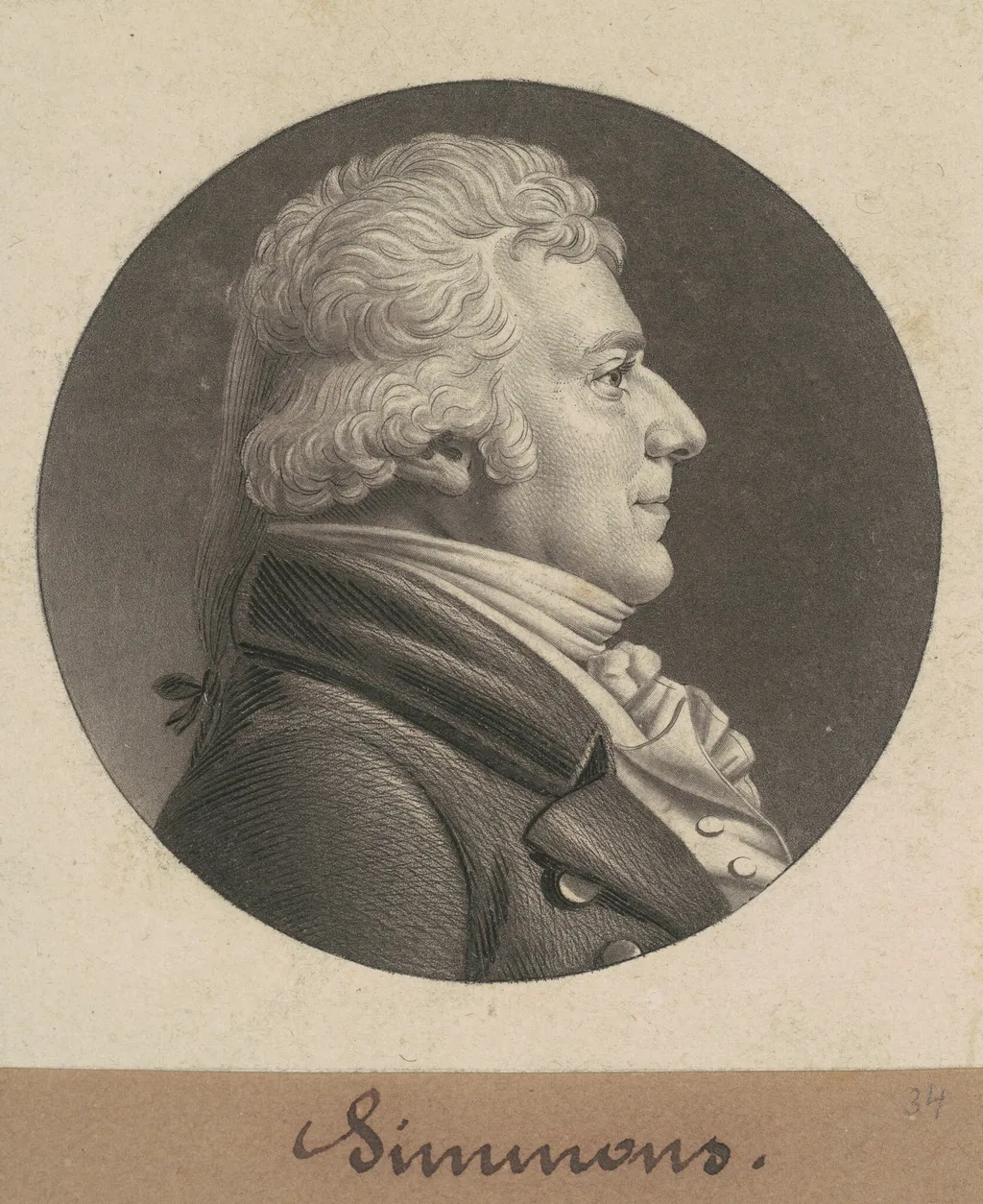
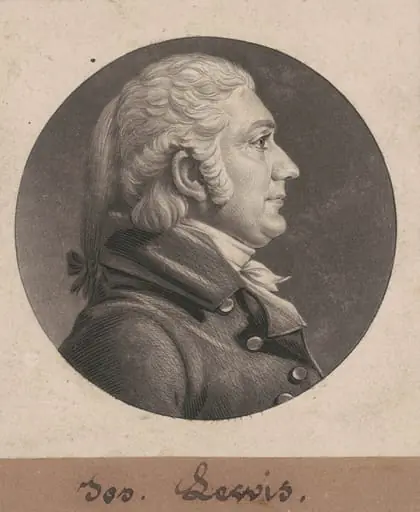
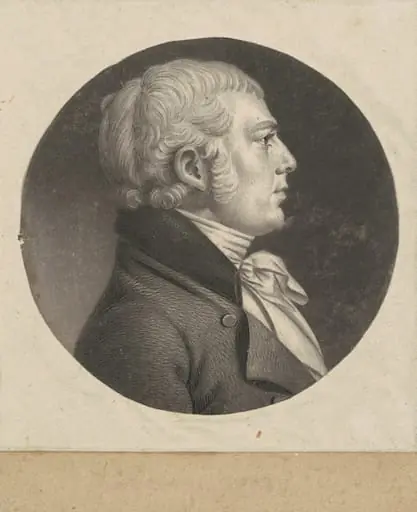
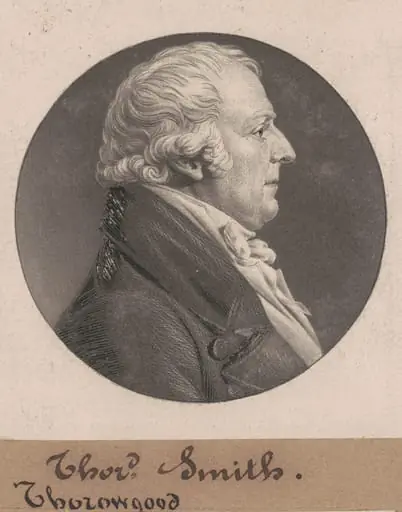
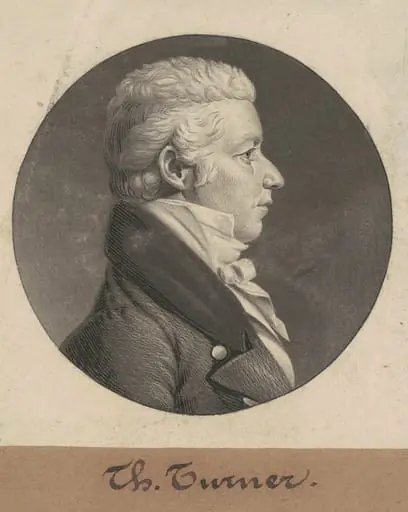
Simmons is an ink print by the Romanticist artist Charles Balthazar Julien Févret de Saint-Mémin. It dates from 1806 and is held in the collection of the National Gallery of Art. This small print, created in 1806 by Charles B.
About this work
Overview
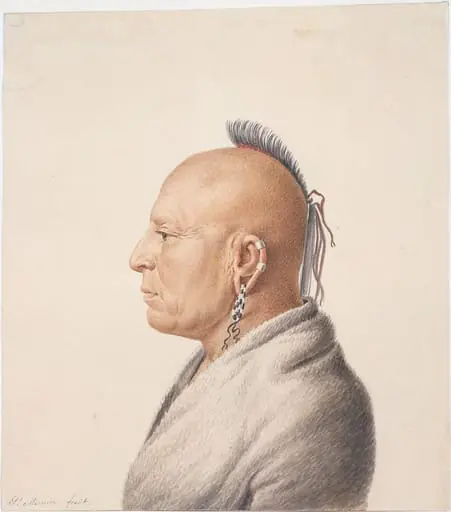
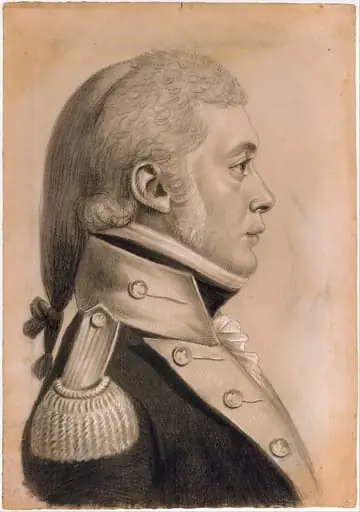
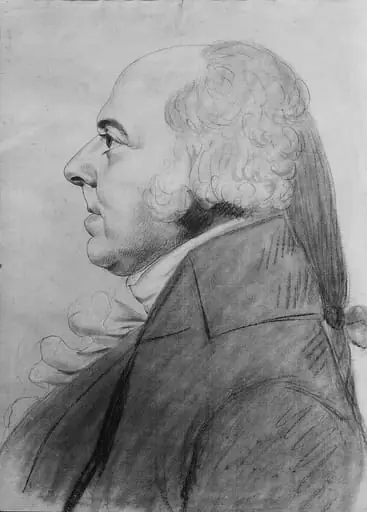
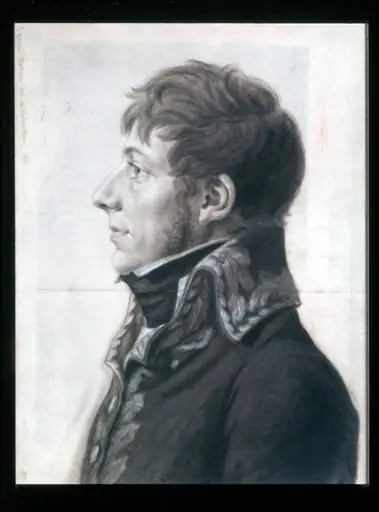
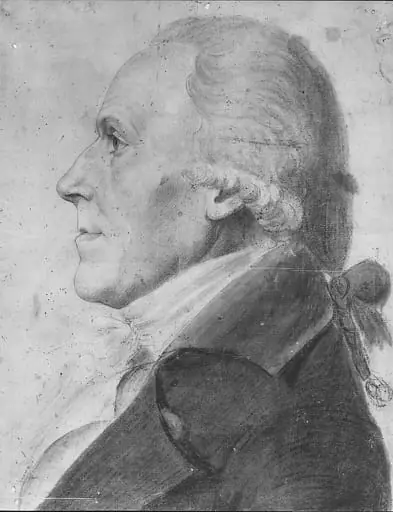
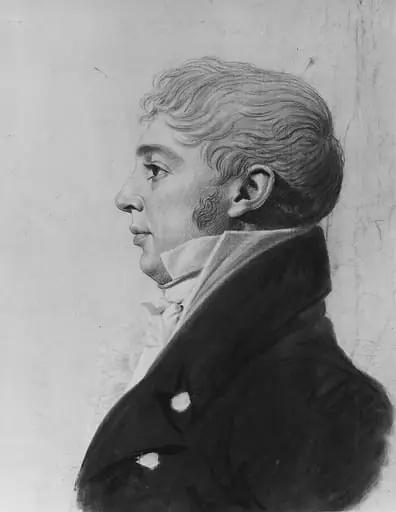
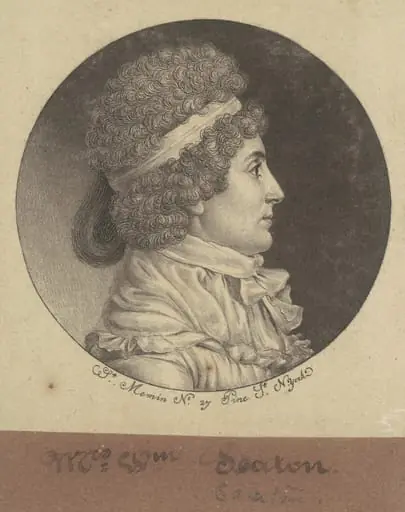
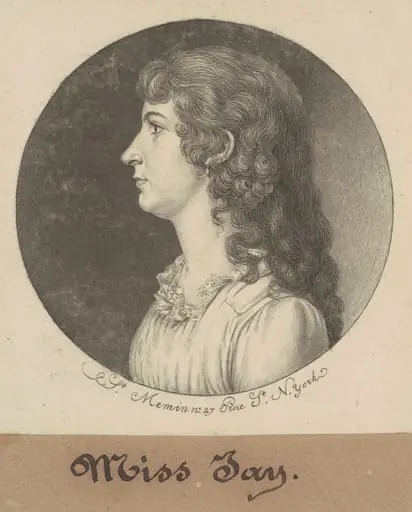
This small print, created in 1806 by Charles B. J. Févret de Saint-Mémin, depicts a male profile in mezzotint and engraving on wove paper. Measuring just over five centimeters in width, it is mounted on a brown wove support. Part of the Corcoran Collection, the work exemplifies the precision possible in intimate portraiture using labor-intensive print techniques of the early 19th century.
Subject & Meaning
The subject is an unidentified man, rendered in profile with quiet dignity. No contextual clues or inscriptions accompany the image, suggesting its purpose was purely representational. The focus on facial structure and subtle tonal gradations implies an interest in capturing individual likeness, consistent with the era’s broader fascination with portraiture as a record of personal identity.
Technique & Style
Saint-Mémin employed mezzotint to achieve a painterly range of grays, beginning with a roughened copper plate then selectively smoothing areas to hold ink.
Saint-Mémin employed mezzotint to achieve a painterly range of grays, beginning with a roughened copper plate then selectively smoothing areas to hold ink. Fine engraving lines define edges and contours, particularly around the jaw and brow. The result is a luminous, almost sculptural effect—light glances off the cheekbone, while shadows recede with remarkable softness, despite the print’s diminutive scale.
History & Provenance
The print originates from Saint-Mémin’s series of portrait studies produced in the United States between 1796 and 1814. It was likely made as part of a private commission or as a demonstration of technical skill. The work entered the Corcoran Collection in the 19th century and remains there today, preserved as an example of early American printmaking.
Context
During the early 1800s, mezzotint was prized for its ability to render subtle tonal transitions, making it ideal for portraiture. Saint-Mémin, a French émigré, became one of the few American practitioners to master the technique at a high level. His small-scale prints were often used as keepsakes or gifts, reflecting a culture where personal likenesses were treasured but rarely mass-produced.
Legacy
This print stands as a testament to the patience and skill required in pre-industrial printmaking. Though modest in size, it demonstrates how technical mastery could convey presence and character within minimal space. Saint-Mémin’s approach influenced later American portraitists and remains a reference point in studies of early 19th-century graphic arts.
Artist & collection

Artist
Charles Balthazar Julien Févret de Saint-Mémin
Charles Balthazar Julien Févret de Saint-Mémin (French pronunciation: ; 1770–1852) was a French portrait painter and museum director.