Artwork
John Dorsey
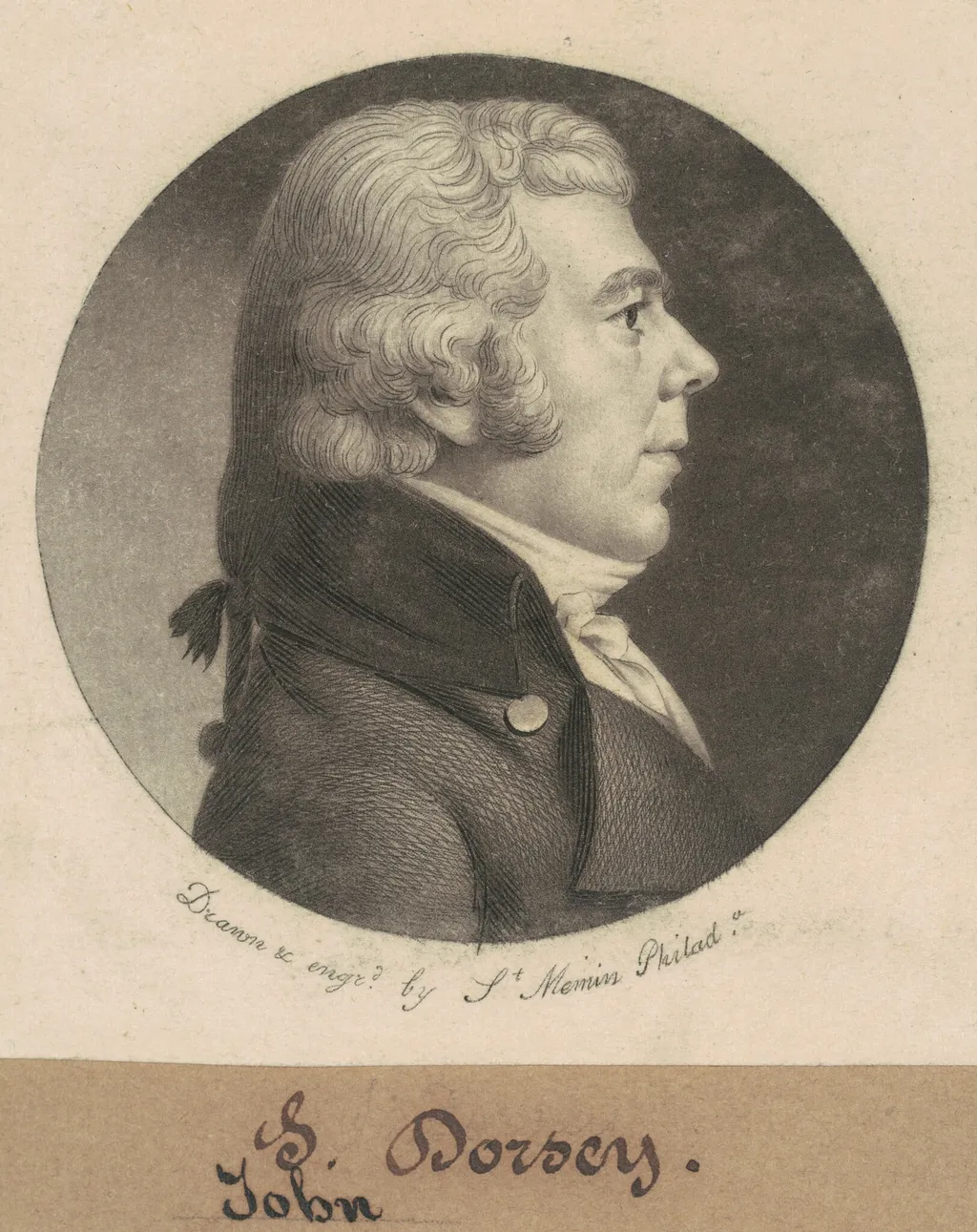
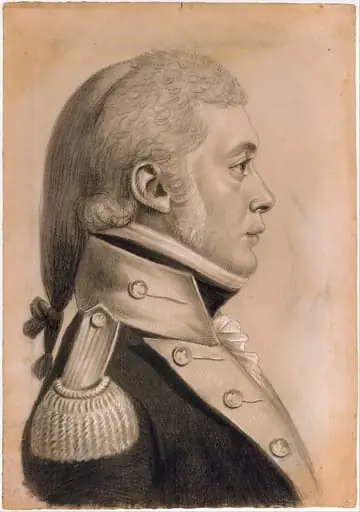
John Dorsey is an ink print by the Romanticist artist Charles Balthazar Julien Févret de Saint-Mémin. It dates from 1800 and is held in the collection of the National Gallery of Art.
About this work
Overview
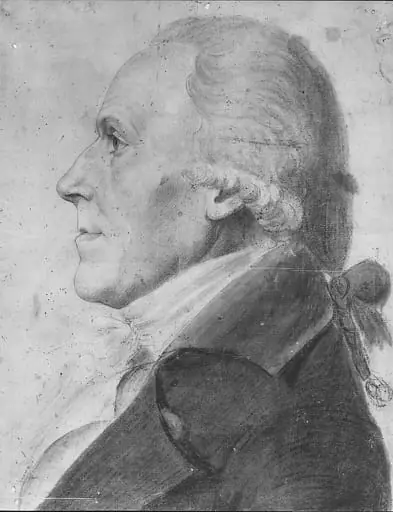
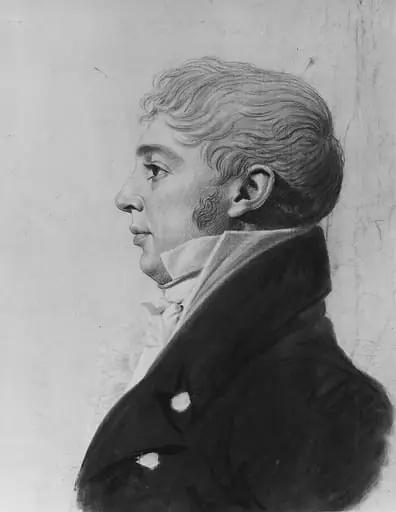
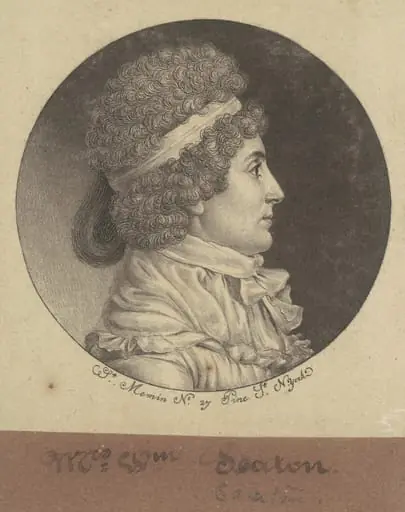
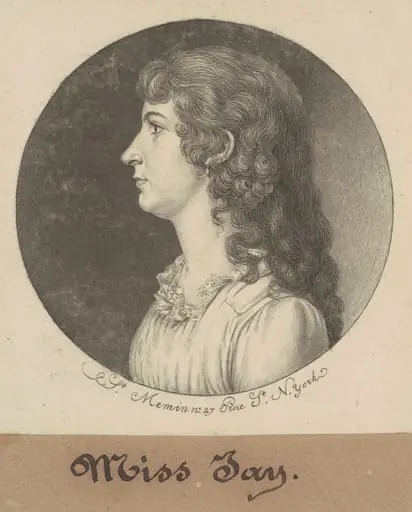
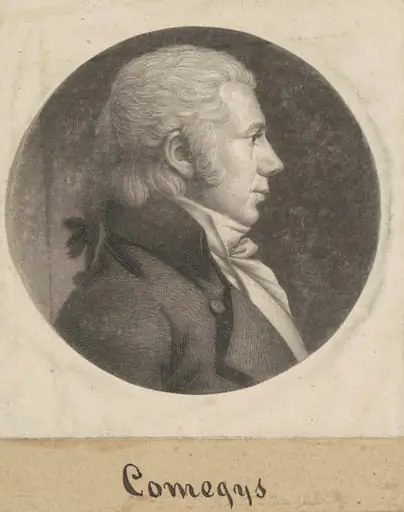
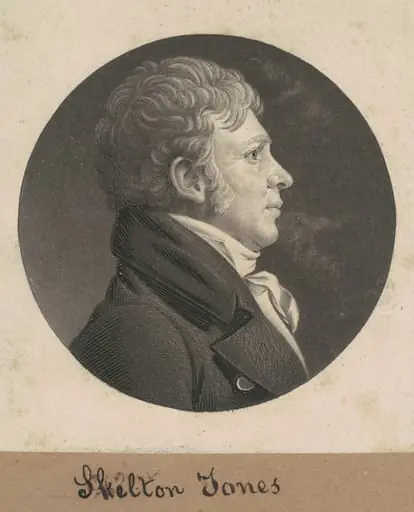
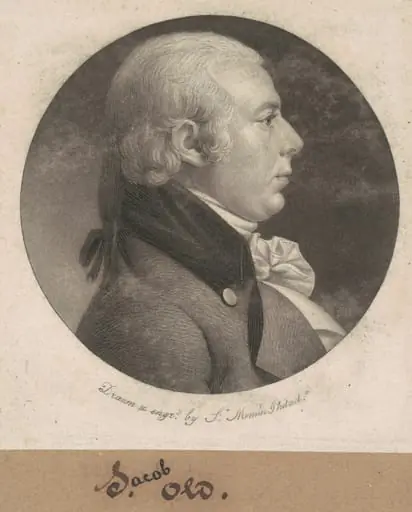
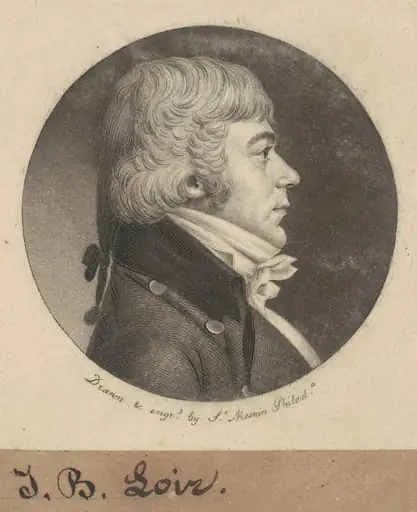
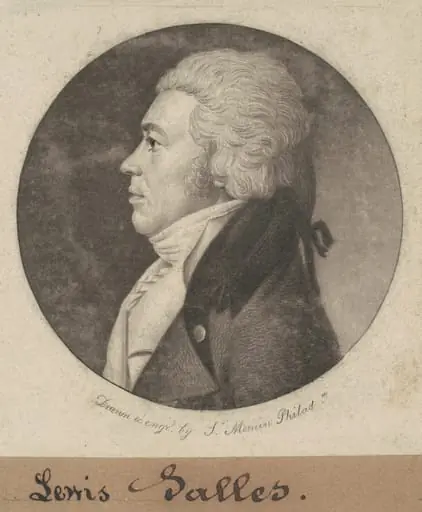
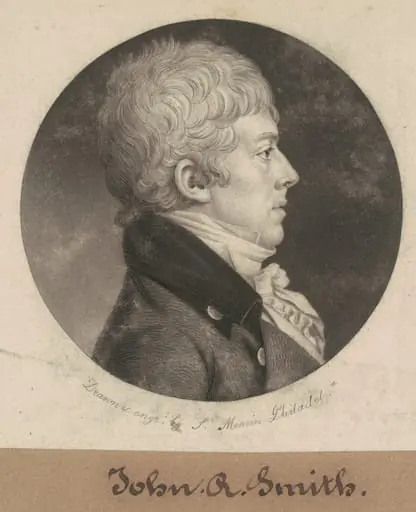
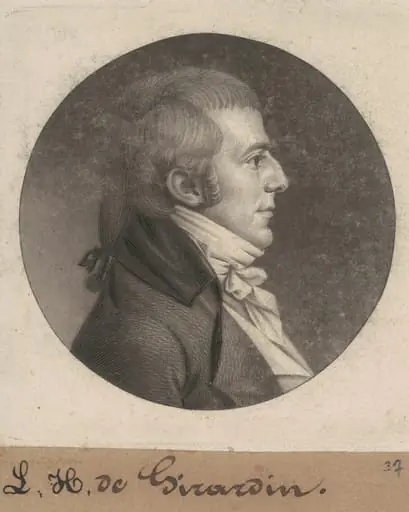
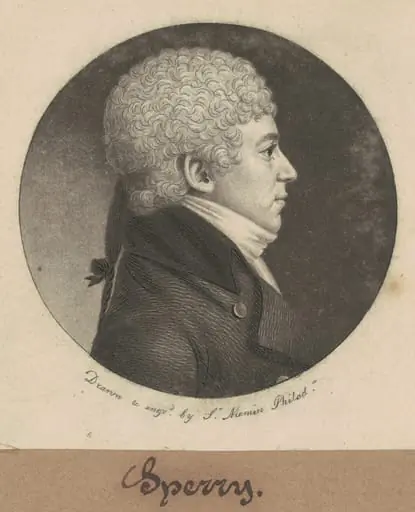
This small portrait of John Dorsey is a mezzotint and engraving on wove paper, mounted to a brown wove support. Created in 1800 by French artist Charles B. J. Févret de Saint-Mémin, it captures Dorsey in a strict profile view. The work belongs to a series of intimate portrait prints the artist produced during his time in the United States, characterized by fine linear detail and tonal precision.
Subject & Meaning
John Dorsey, a figure of modest historical record, is depicted without adornment or context, emphasizing his individual presence.
John Dorsey, a figure of modest historical record, is depicted without adornment or context, emphasizing his individual presence. The profile format, common in early American portraiture, conveys dignity and restraint. The focus on facial structure and texture of curly hair suggests an interest in personal identity rather than social status, aligning with the era’s growing emphasis on the individual.
Technique & Style
Saint-Mémin employed mezzotint and engraving to achieve subtle gradations of tone and sharp definition. The dark, velvety blacks of the background contrast with finely incised lines that model Dorsey’s features—his brow, nose, and curls. This labor-intensive method allowed for high-fidelity reproduction, making it ideal for disseminating likenesses among a literate, middle-class audience in early 19th-century America.
History & Provenance
The portrait was produced during Saint-Mémin’s years in the United States, when he traveled extensively to create commissioned profiles of public figures. Though Dorsey’s identity remains obscure, the work’s survival indicates it was likely part of a private collection or civic archive. Its mounting on brown paper reflects period conservation practices, preserving the delicate print from deterioration.
Context
In the early 1800s, portrait engravings served as accessible alternatives to painted likenesses, especially for those outside elite circles. Saint-Mémin’s practice reflected a transatlantic exchange of techniques, blending French academic precision with American democratic ideals of representation. His output helped standardize the profile portrait as a visual norm in the young republic.
Legacy
Saint-Mémin’s series of mezzotint portraits, including this one, contributed to the development of American print culture. Though not widely known today, these works remain important examples of how technology and art intersected to document ordinary citizens. They offer insight into the visual language of identity before the advent of photography.
Artist & collection

Artist
Charles Balthazar Julien Févret de Saint-Mémin
Charles Balthazar Julien Févret de Saint-Mémin (French pronunciation: ; 1770–1852) was a French portrait painter and museum director.