Artwork
William Spaight
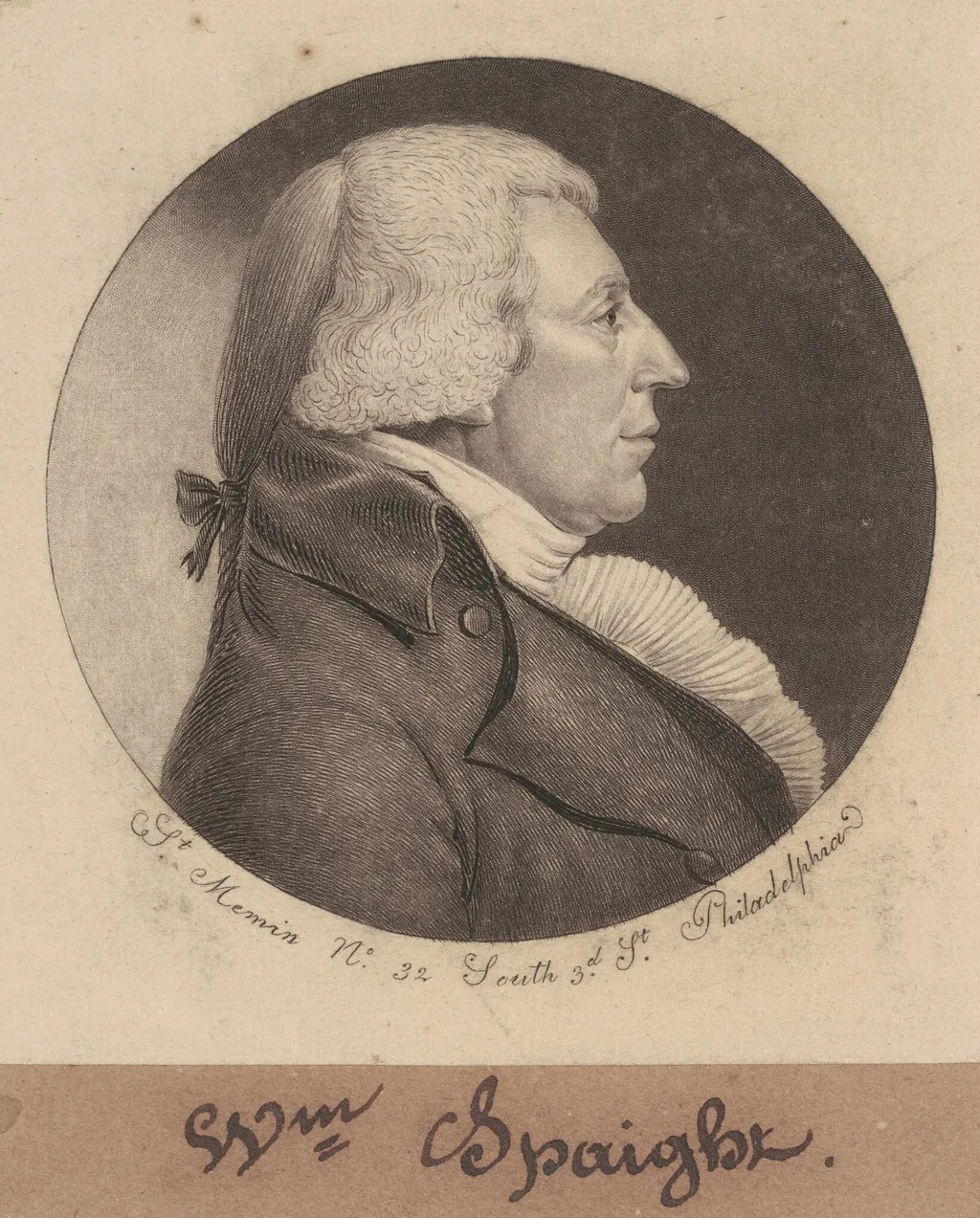
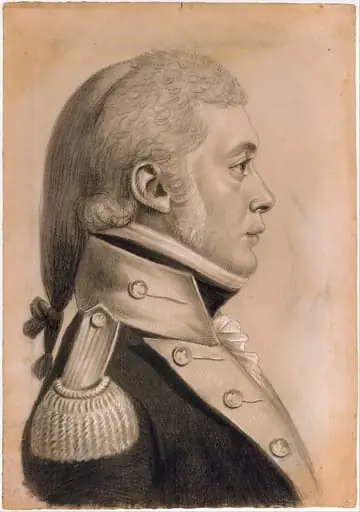
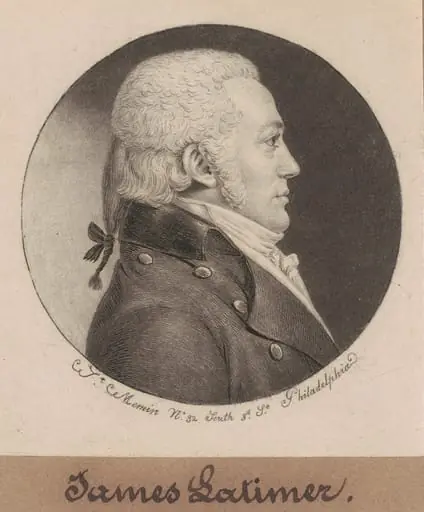
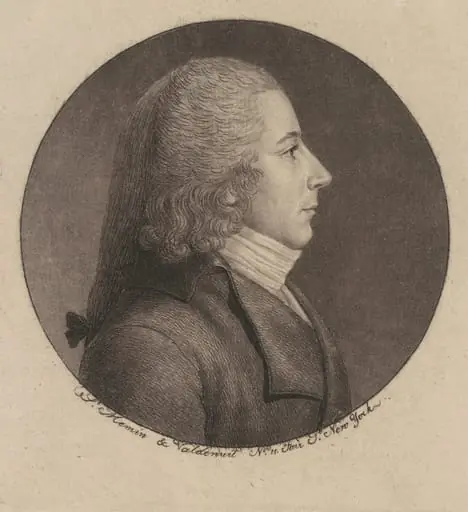
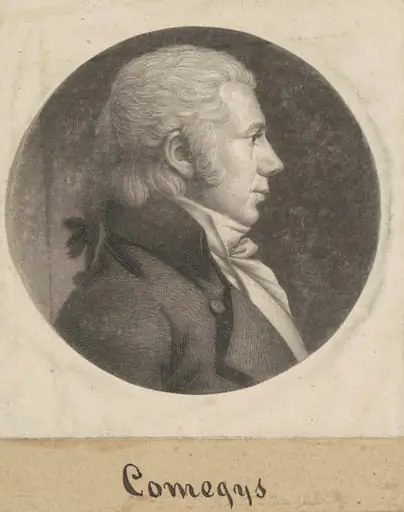
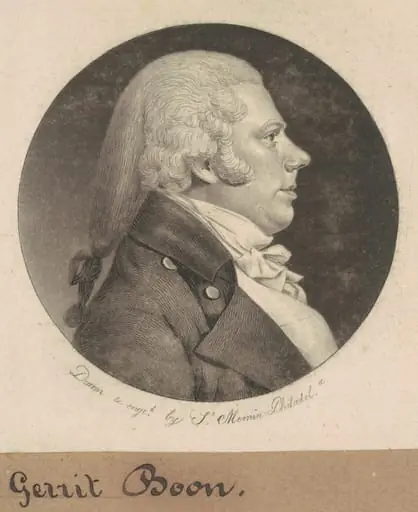
William Spaight is an ink print by the Romanticist artist Charles Balthazar Julien Févret de Saint-Mémin. It dates from 1798 and is held in the collection of the National Gallery of Art.
About this work
Overview
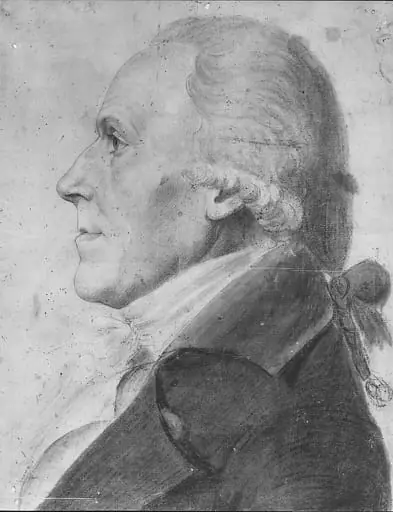
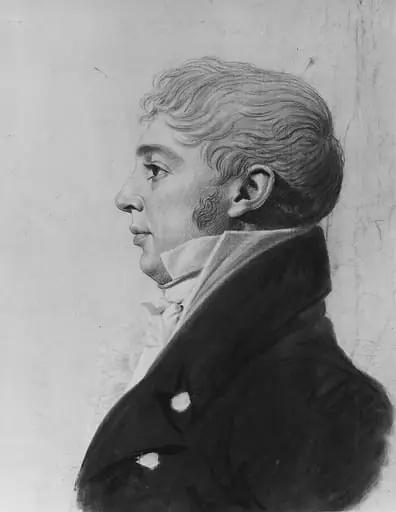
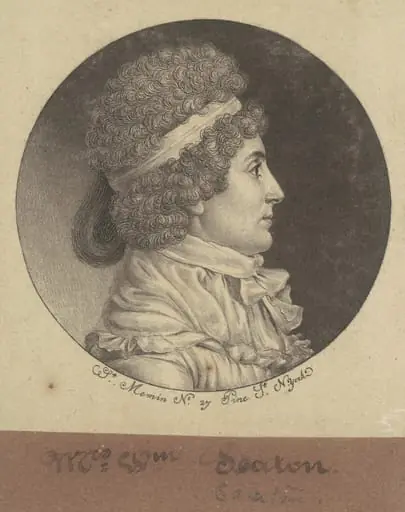
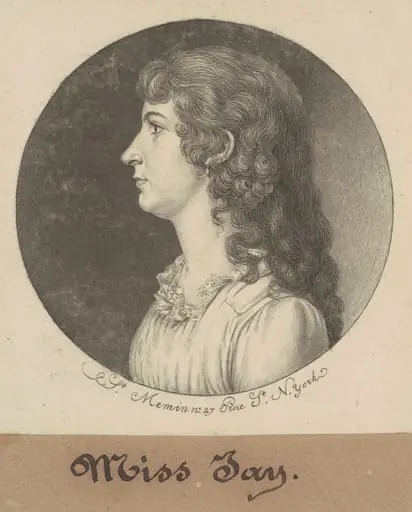
The work is a black‑and‑white print portraying William Spaight in strict profile. Executed as a mezzotint and engraving on wove paper, the image is mounted on a brown backing sheet. The composition isolates the sitter’s face against an unadorned background, emphasizing his distinctive nose and the curl of his white hair, hallmarks of eighteenth‑century portraiture.
Subject & Meaning
Spaight is presented in a dignified, frontal silhouette that conveys both individuality and the genteel bearing expected of a man of his standing. The emphasis on facial features, particularly the pronounced nose, reflects contemporary interests in physiognomy, while the white, curled hair signals fashionable grooming of the period.
Technique & Style
Charles B. J. Févret de Saint‑Mémin employed a combination of mezzotint shading and fine line engraving to achieve subtle tonal gradations and crisp detail. The print exemplifies the neoclassical profile portrait tradition popular in early American art, characterized by restrained composition, minimal background, and a focus on the sitter’s physiognomy.
History & Provenance
Created by French‑American artist Saint‑Mémin, the portrait was likely produced in the early nineteenth century for a private patron. The print’s mounting on brown wove paper suggests a later conservation effort, and it has since circulated among collections documenting the transatlantic exchange of portraiture techniques.
Artist & collection

Artist
Charles Balthazar Julien Févret de Saint-Mémin
Charles Balthazar Julien Févret de Saint-Mémin (French pronunciation: ; 1770–1852) was a French portrait painter and museum director.