Artwork
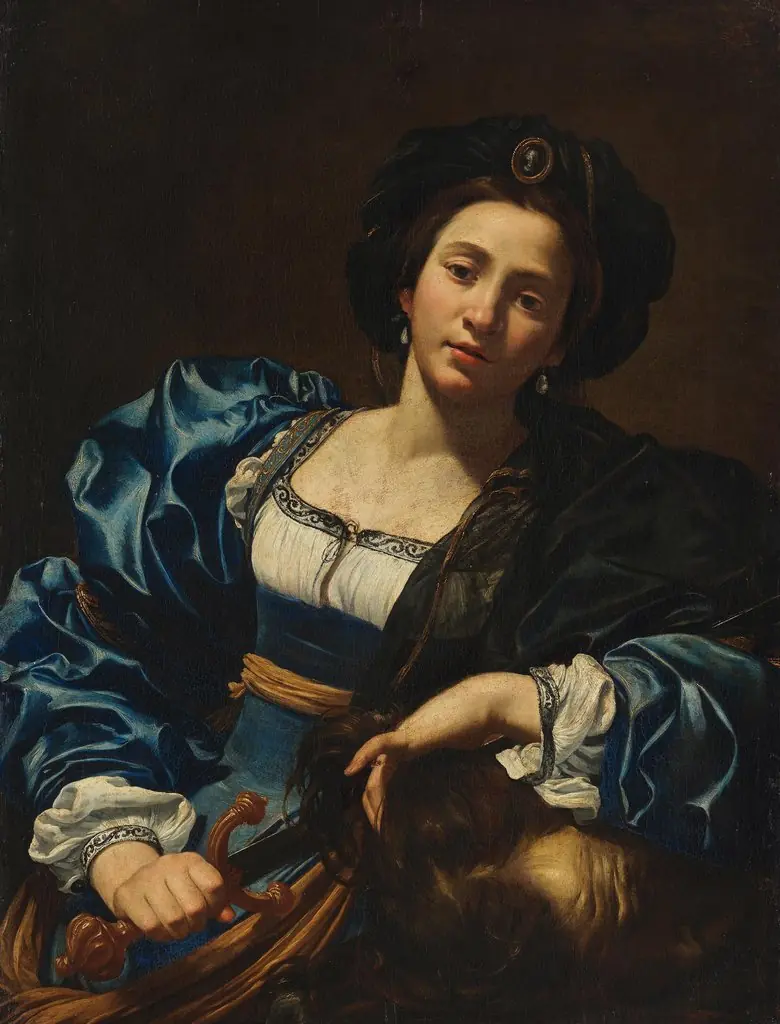
Judith offering the Head of Holofernes
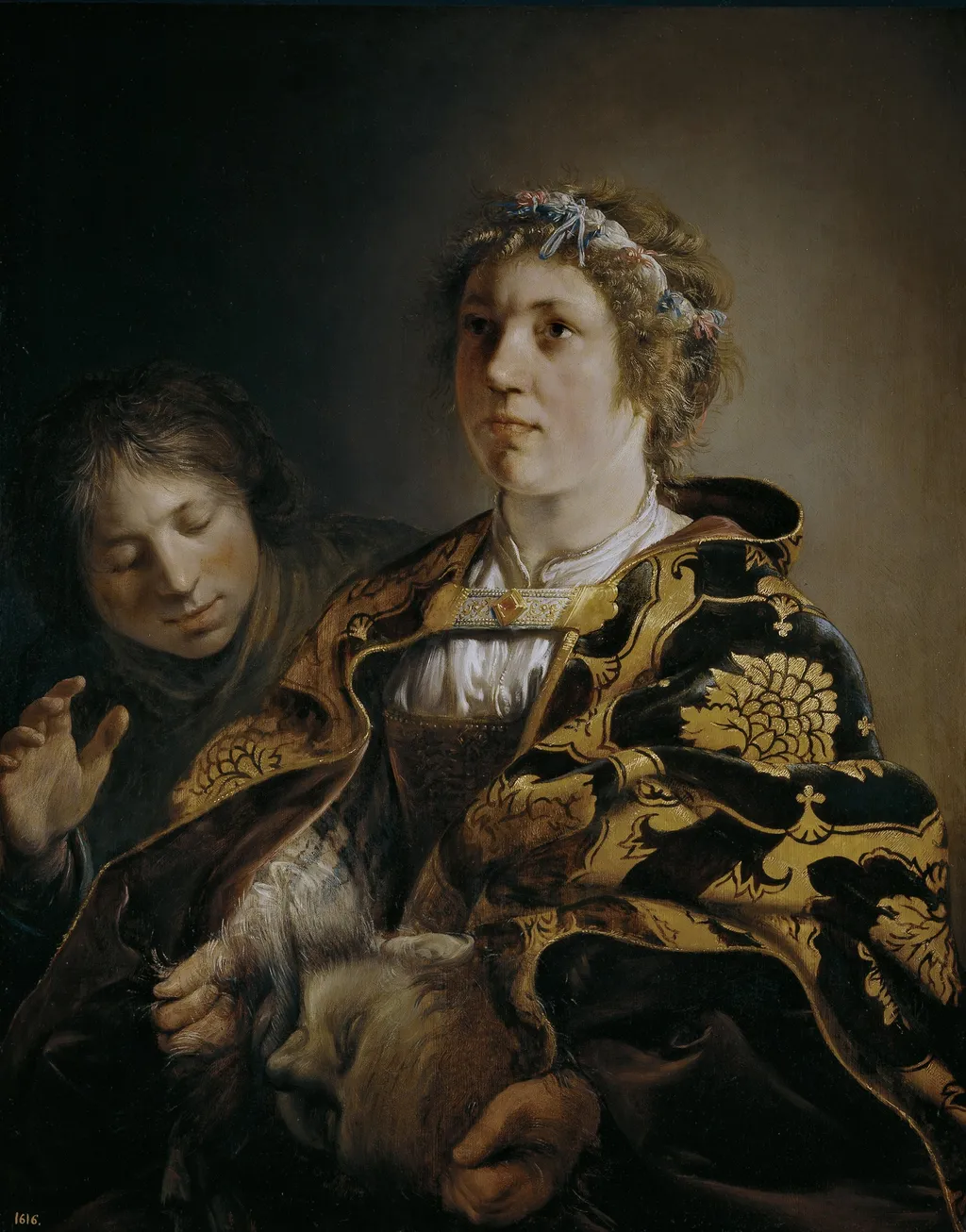
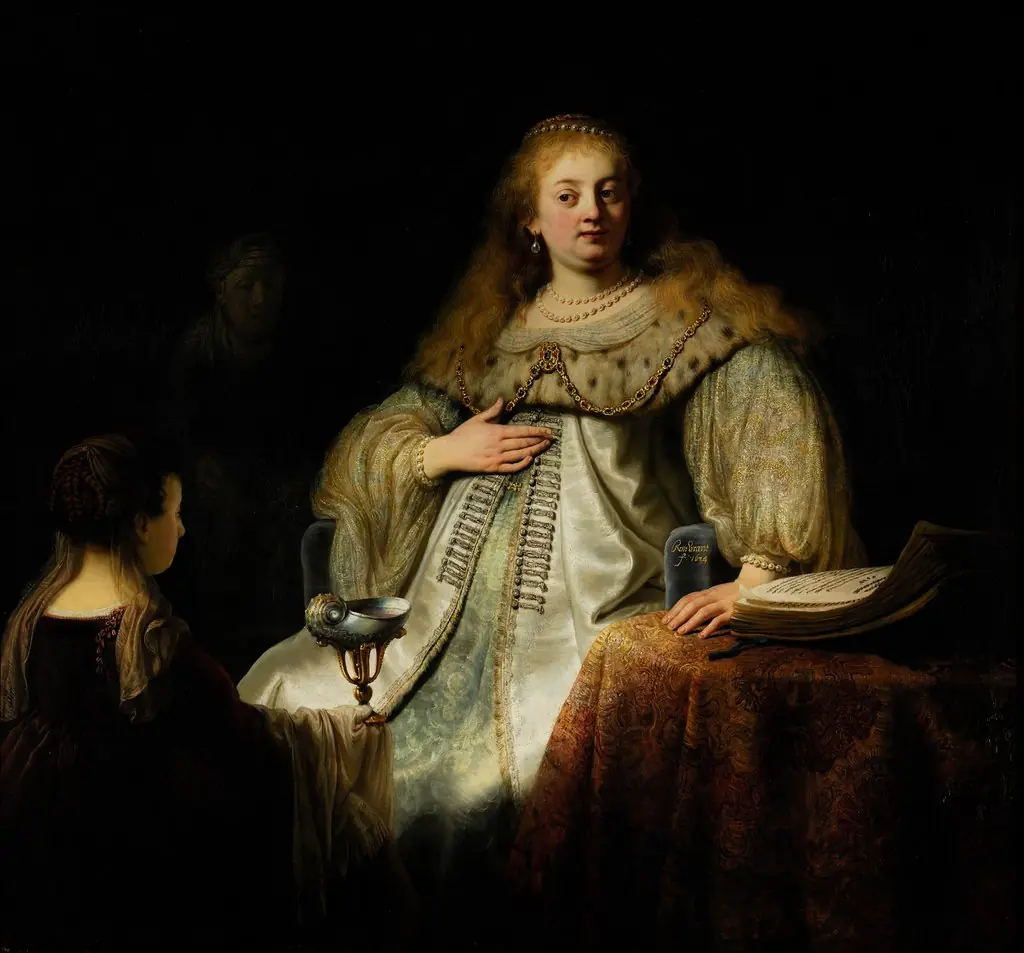
Judith offering the Head of Holofernes is an oil painting by the Dutch Golden Age artist Salomon de Bray. It dates from 1636 and is held in the collection of the Museo del Prado.
About this work
Overview
Salomon de Bray’s 1636 oil on canvas, titled Judith offering the Head of Holofernes, is part of the collection at Madrid’s Museo del Prado. The work presents a biblical scene rendered in a compact composition, focusing on a dignified woman in elaborate attire as she presents a concealed object, while a secondary figure watches from behind.
Subject & Meaning
The painting interprets the apocryphal story of Judith, who beheads the Assyrian general Holofernes and brings his head to her people. Here, Judith is shown in the act of offering the severed head, symbolized by the draped cloth, emphasizing themes of virtue, sacrifice, and divine justice.
Technique & Style
De Bray employs a chiaroscuro scheme, contrasting deep shadows with illuminated areas to heighten the drama. The gold‑embroidered garments feature intricate leaf motifs, and the careful modeling of folds and facial expression demonstrates a refined handling of oil paint to convey texture and emotional gravity.
History & Provenance
Executed in the Dutch Golden Age, the canvas entered the Prado’s holdings in the 19th century, though its precise acquisition trail remains sparsely documented. Its presence in a major national museum reflects the work’s recognized value within the broader corpus of 17th‑century religious painting.
Context
Created during a period when biblical narratives were popular subjects for moral instruction, the painting aligns with contemporary Dutch Protestant sensibilities. De Bray, known for both architectural and figural works, integrates a theatrical staging that mirrors the era’s interest in dramatic storytelling through visual art.
Own this work as a print
Artist & collection