Artwork
The watering place
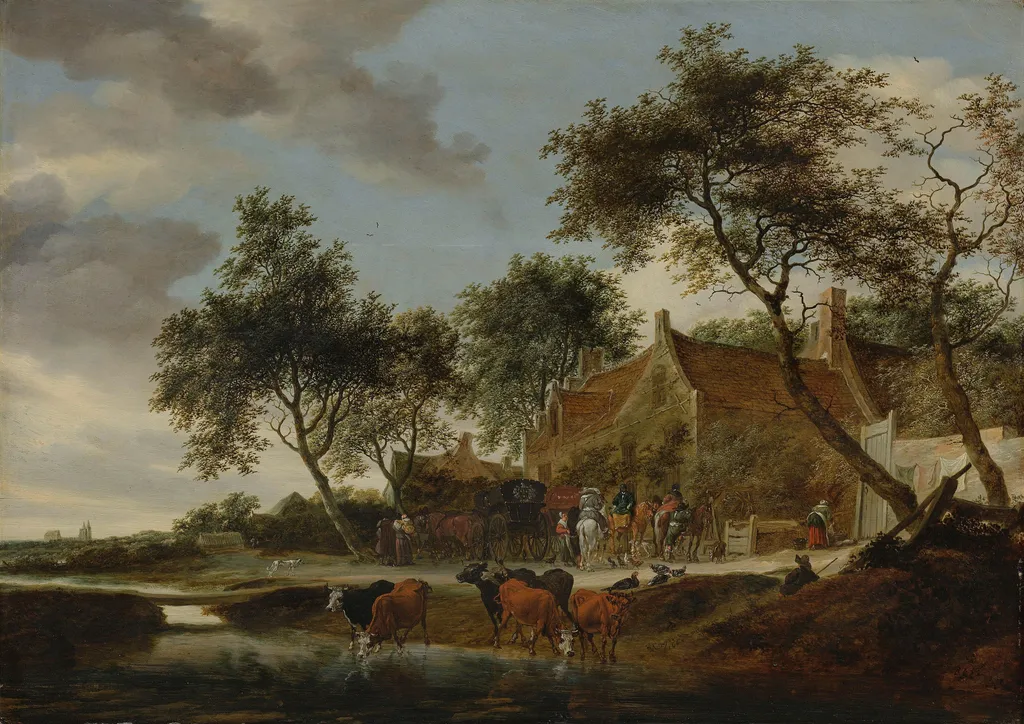
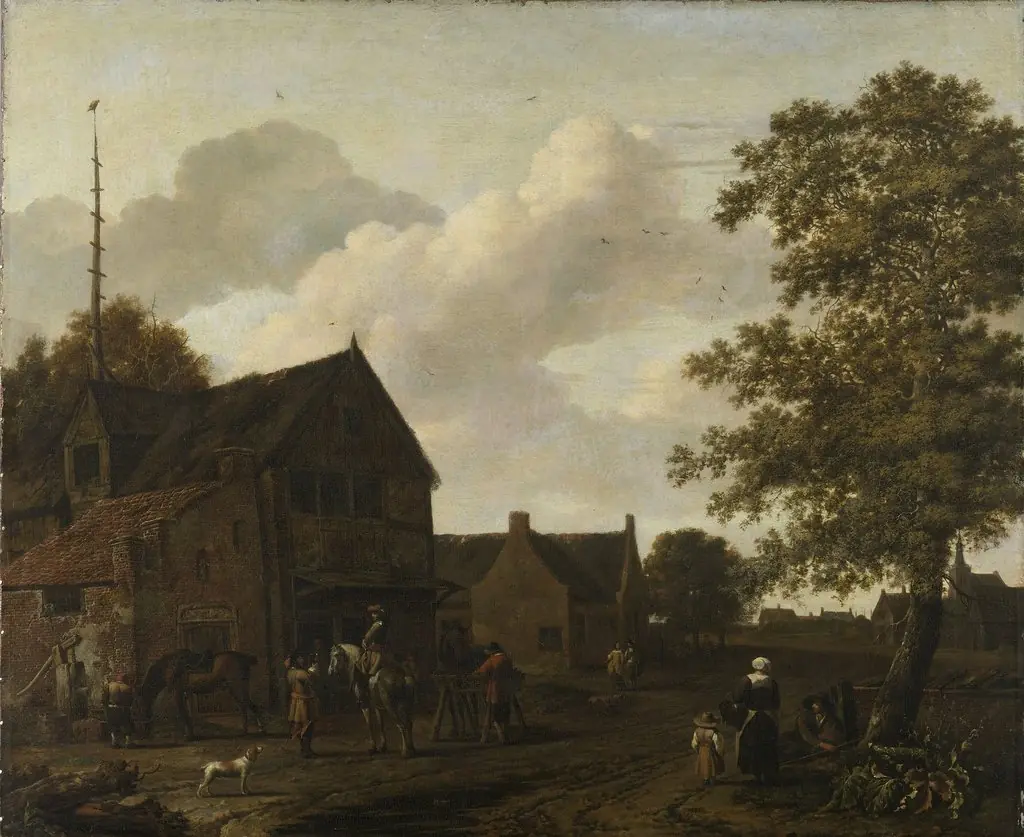
The watering place is an oil painting by the Dutch Golden Age artist Salomon van Ruysdael. It dates from 1660 and is held in the collection of the Rijksmuseum.
About this work
Overview
The Watering Place is a 1660 oil painting by Salomon van Ruysdael, a prominent Dutch Golden Age landscape painter. The work is part of the Rijksmuseum's collection.
Subject & Meaning
The painting depicts a tranquil scene of daily life, with animals and people gathered at a watering hole. Figures engage in quiet activities amidst the natural setting, conveying a sense of serene coexistence between humans, animals, and landscape.
Technique & Style
Van Ruysdael employed chiaroscuro to create depth and atmosphere, leveraging contrasts between light and dark to introduce subtle drama into the otherwise peaceful composition. The use of light and shadow enhances the spatial relationships within the scene.
History & Provenance
Created in 1660, the painting exemplifies the Dutch Golden Age landscape tradition. It is now part of the Rijksmuseum's holdings, though its history prior to acquisition is not detailed here.
Context
As a Dutch Golden Age work, The Watering Place reflects the period's emphasis on capturing everyday life and the natural world. It shares thematic and stylistic affinities with other landscape paintings of the era.
Own this work as a print
Artist & collection
Artist
Salomon van Ruysdael (c. 1602, Naarden – buried 3 November 1670, Haarlem) was a Dutch Golden Age landscape painter. He was the uncle of Jacob van Ruisdael.

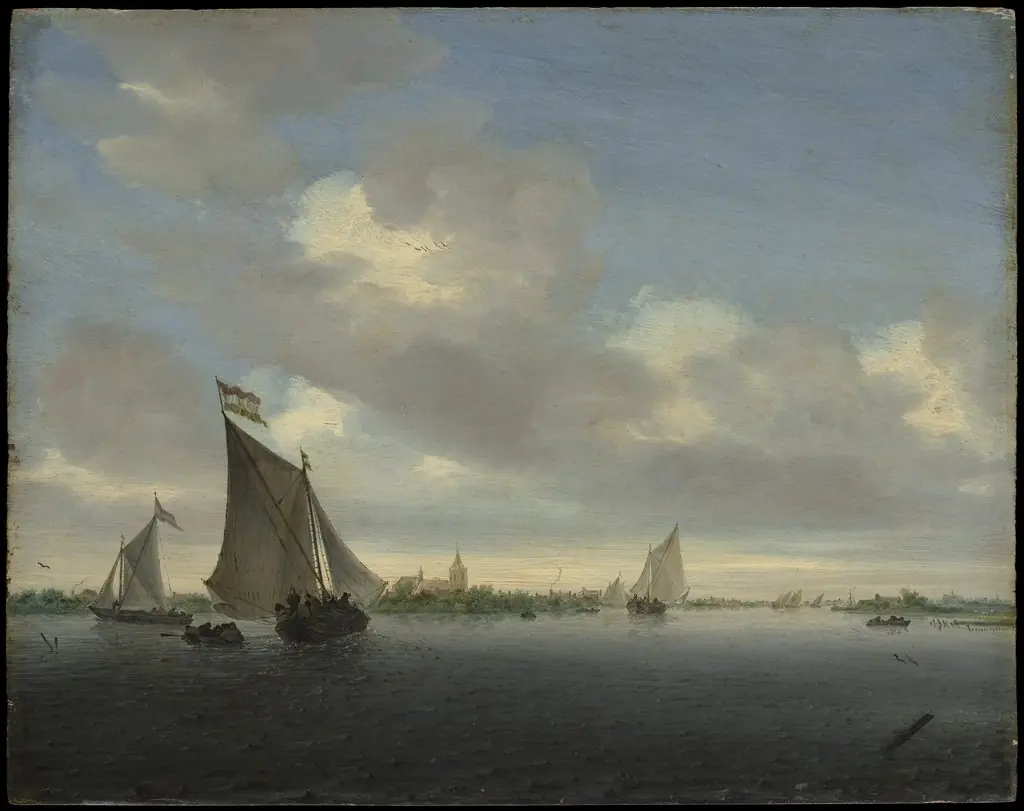
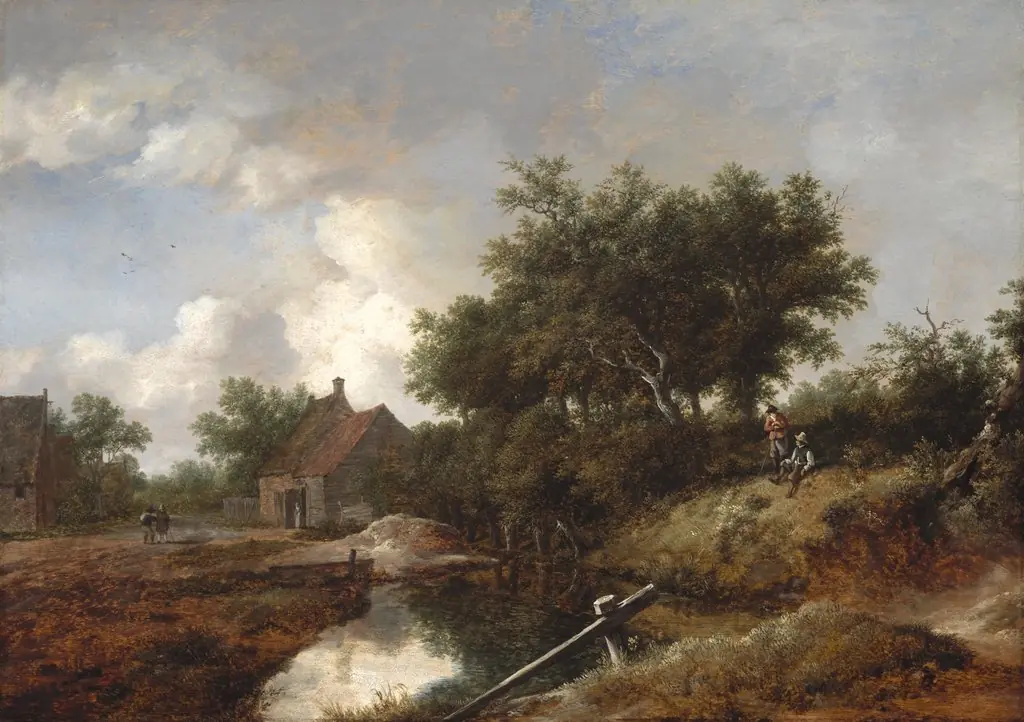 Path Leading to Farms by a Wooded Brook, ca. 1645
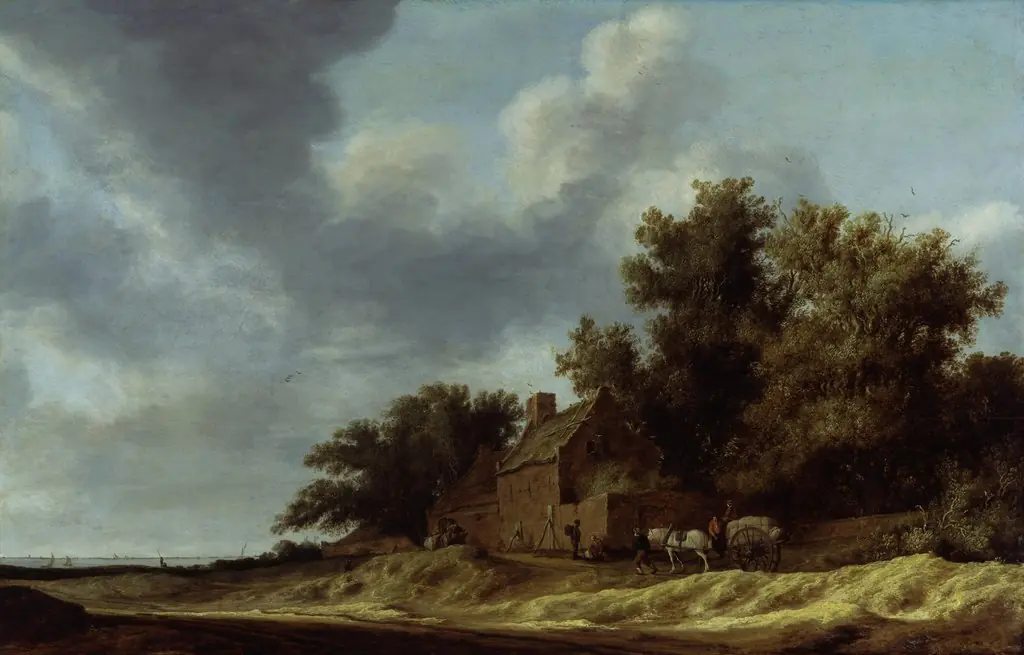 A Landscape with a Farmstead
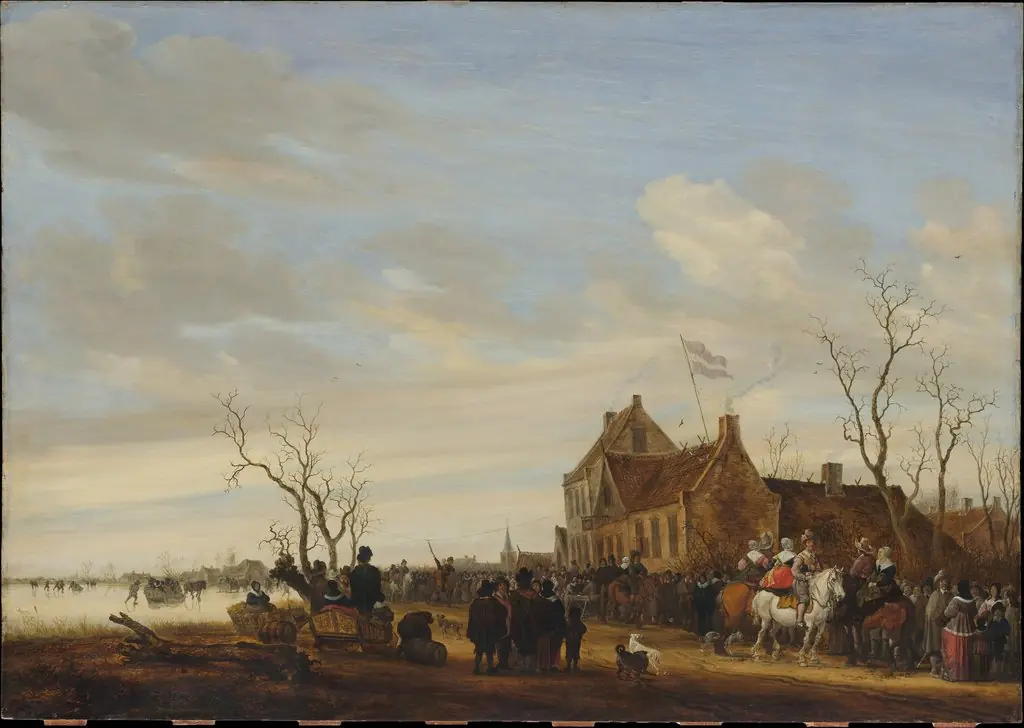
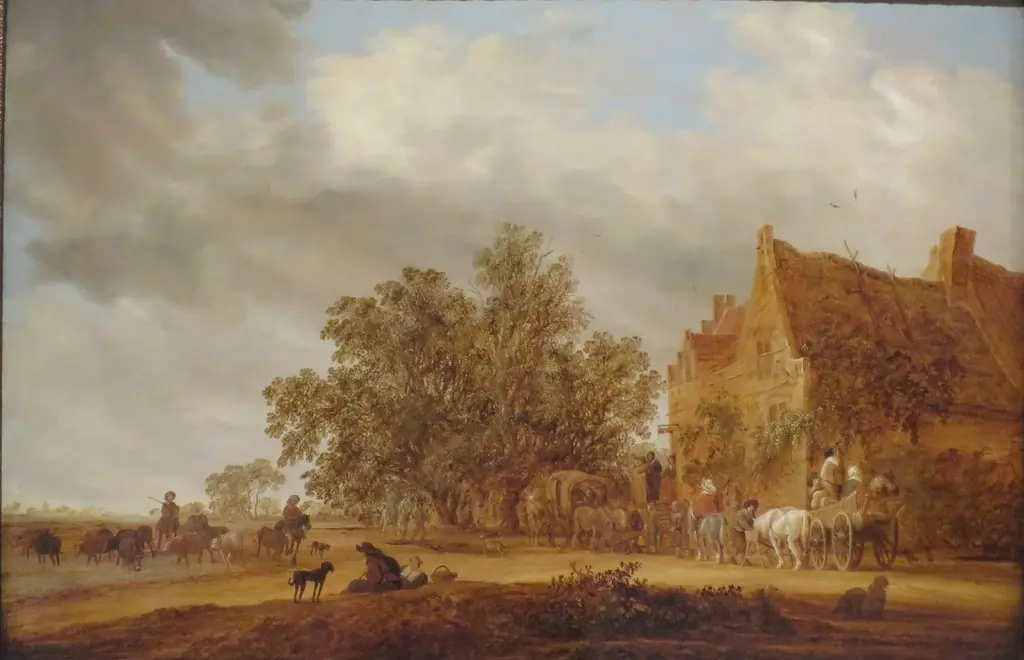 Halt in Front of an Inn
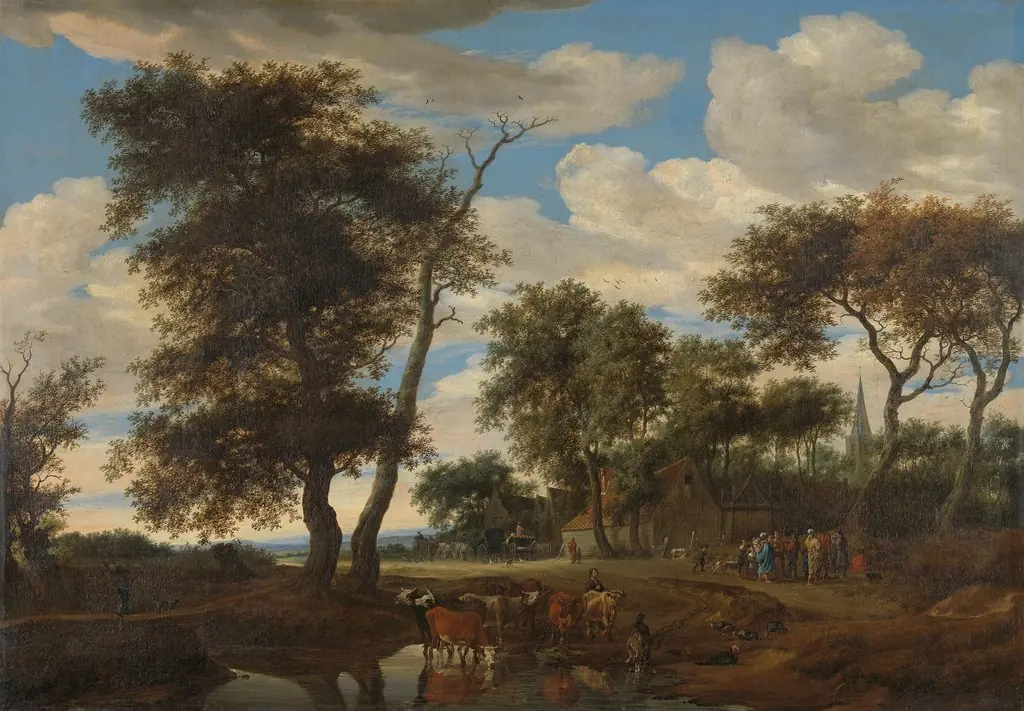 View of a village
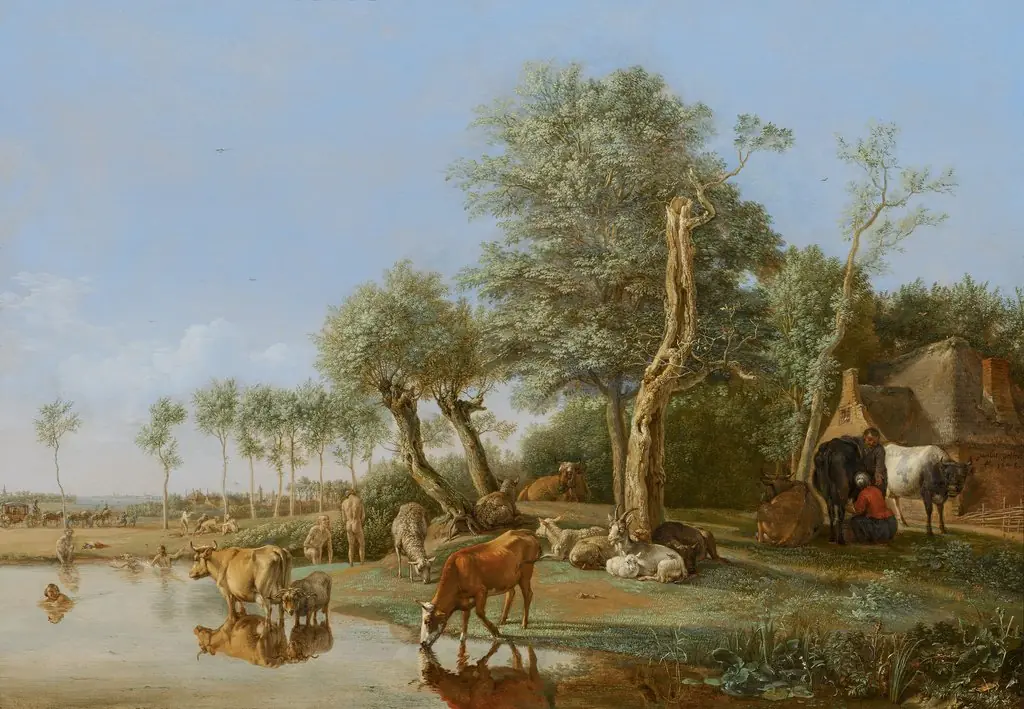 Cows reflected in the water
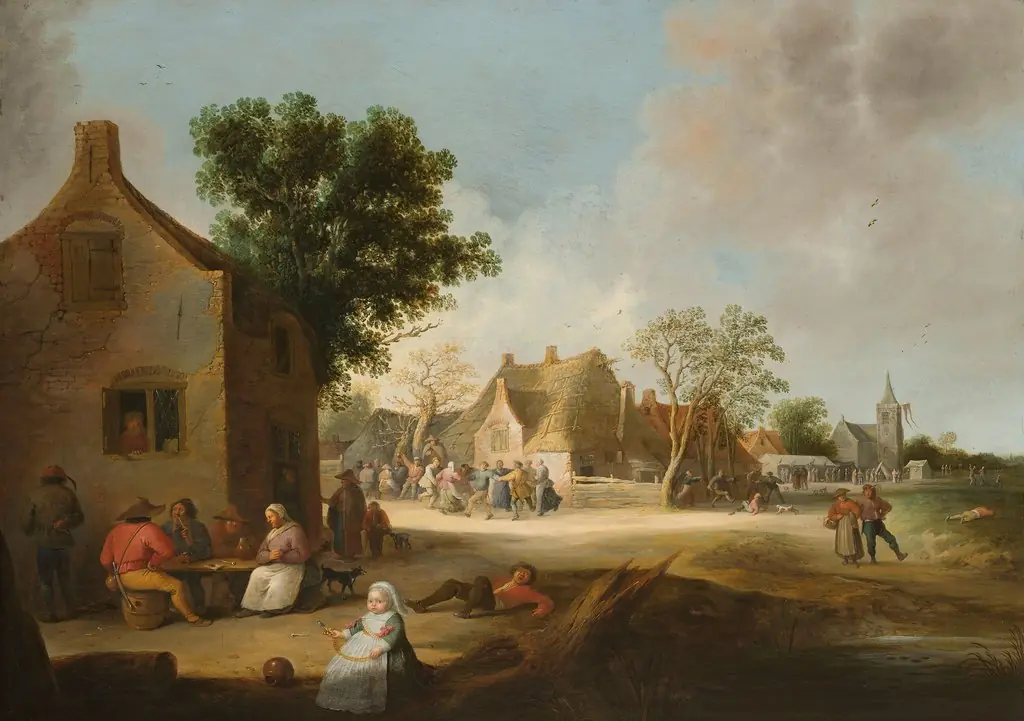 Country kermis
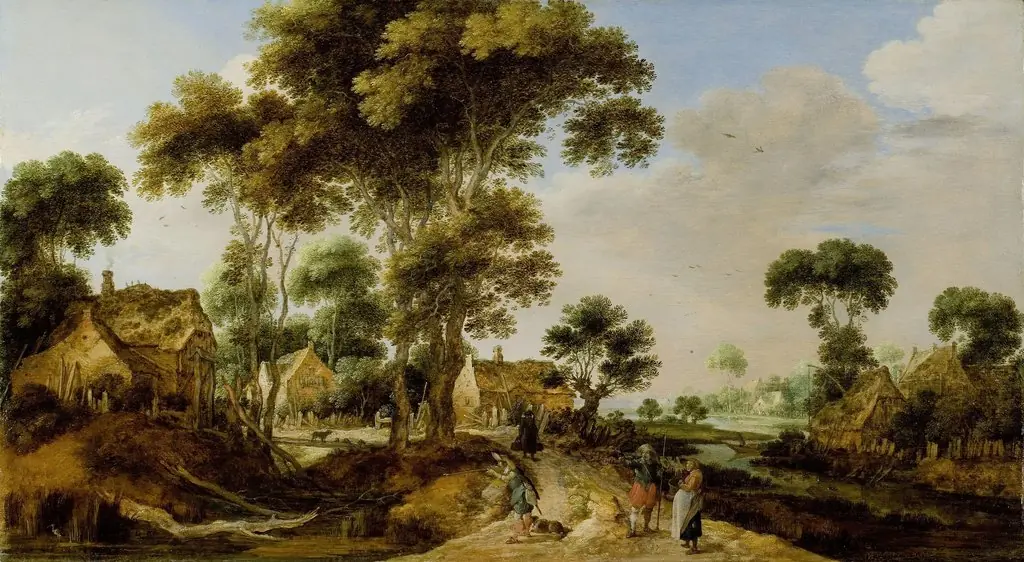 The country road
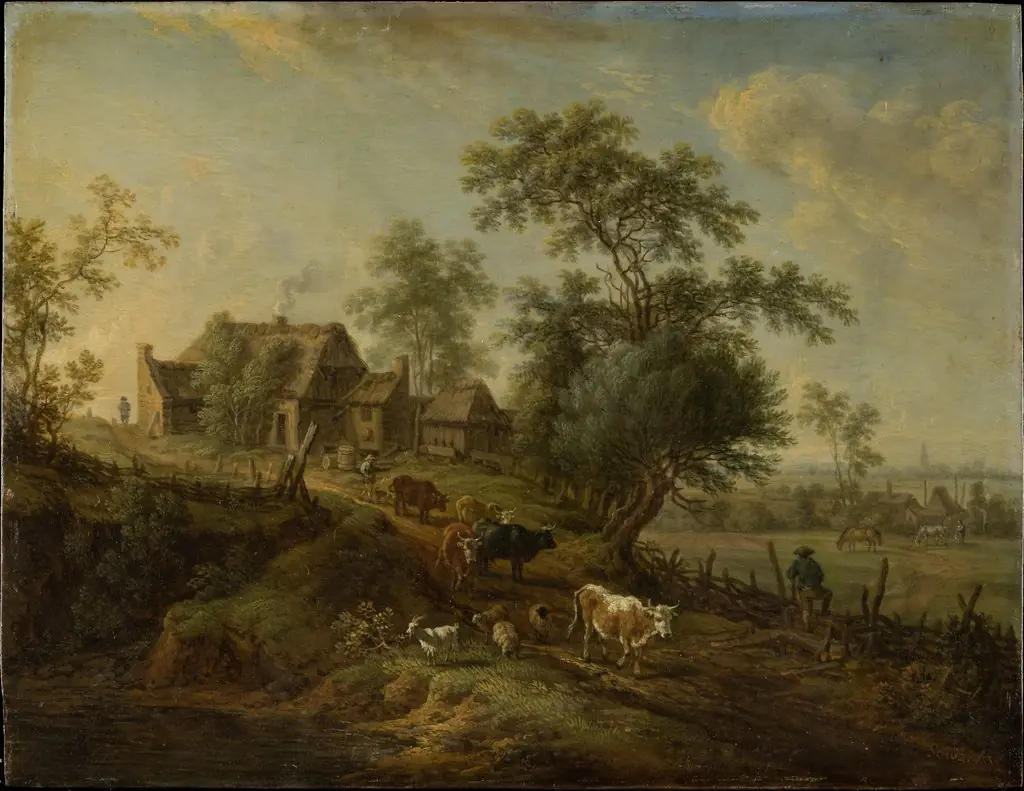 Landscape with Farm Animals on a Road
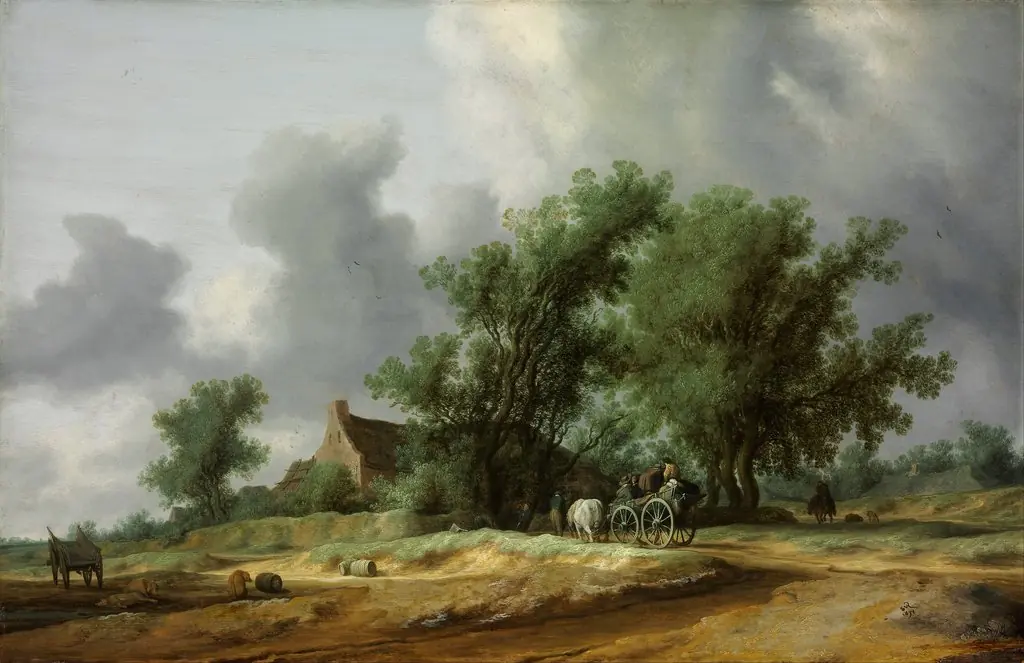 Road in the Dunes
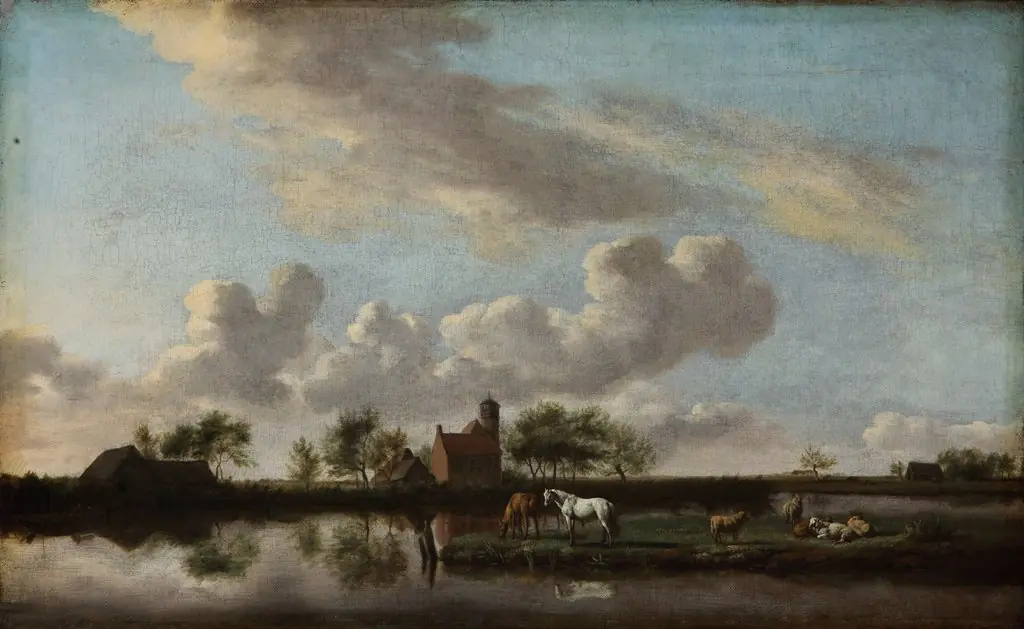 A Flat Canal Landscape
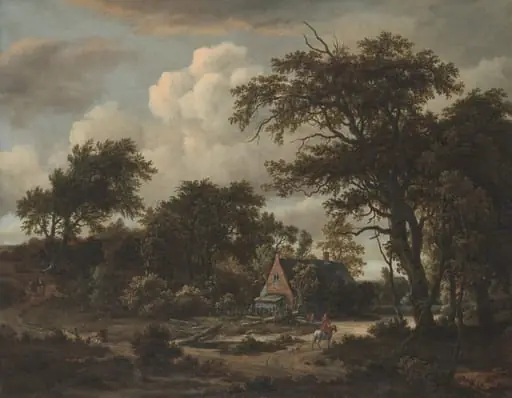 Wooded Landscape with Cottage and Horseman
 The watering place