Artwork
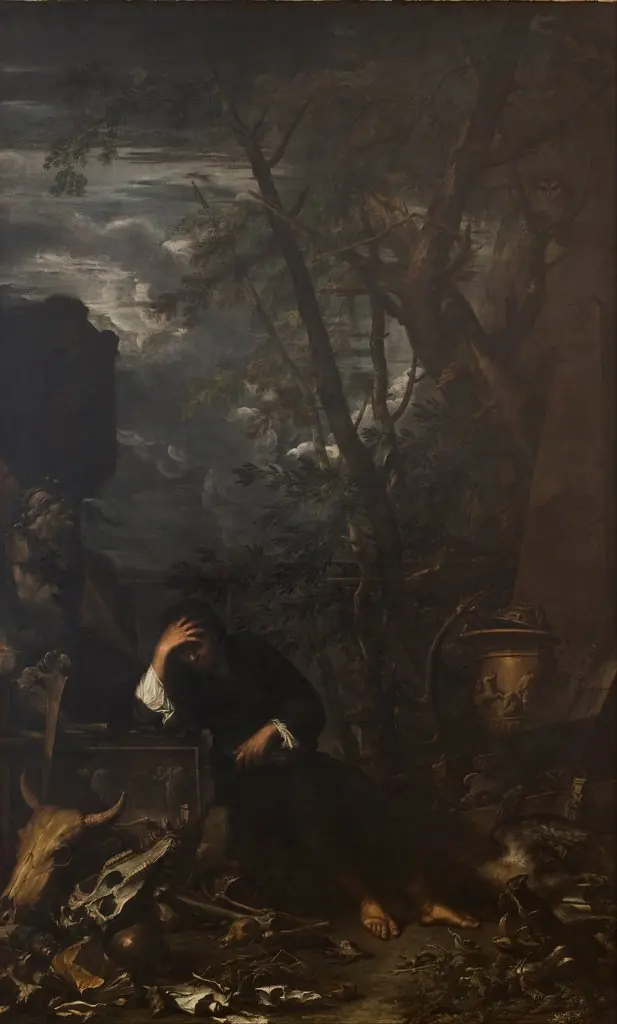
Democritus and Protagoras
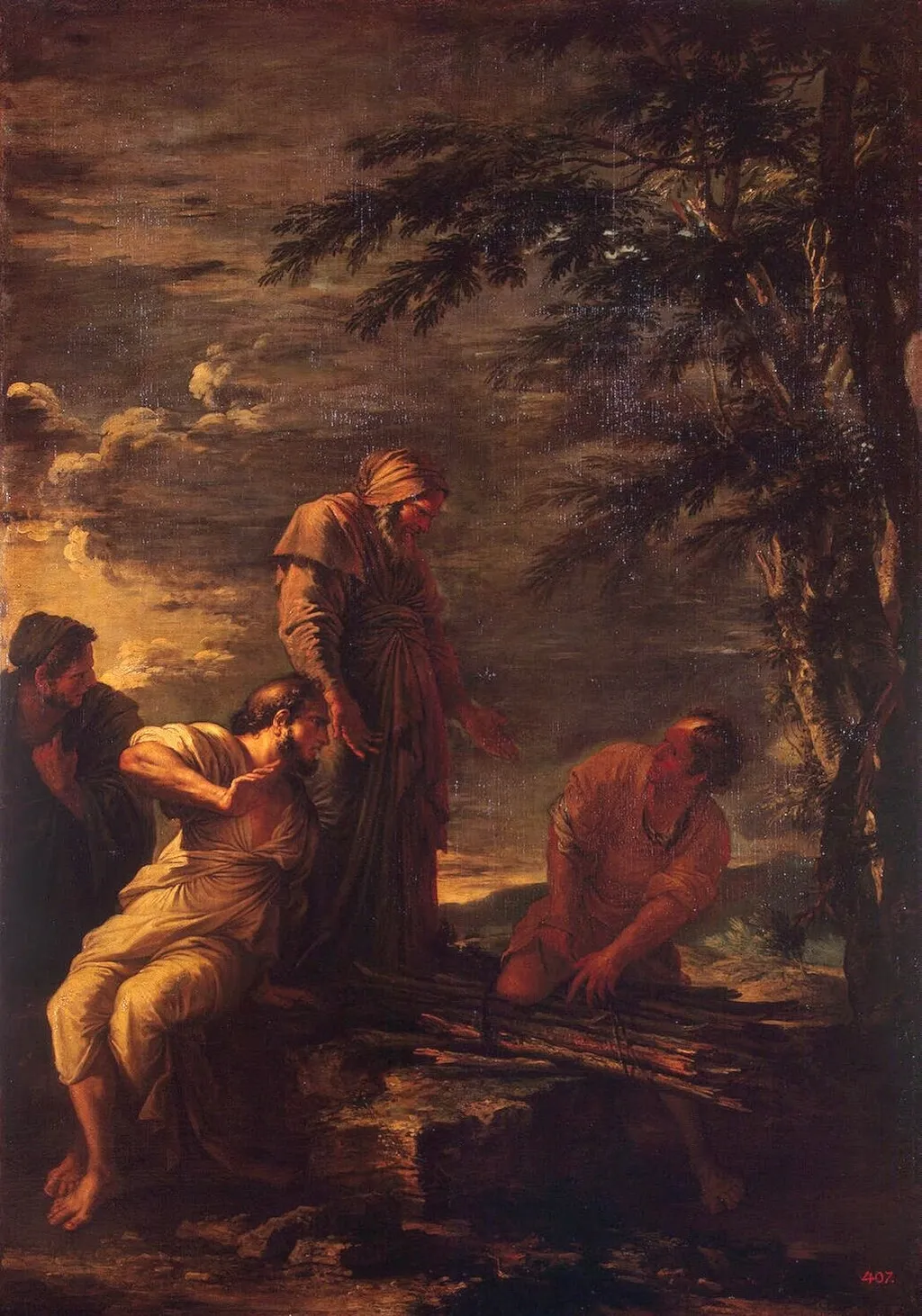
Democritus and Protagoras is an oil painting by the Early Baroque Italian artist Salvator Rosa. It dates from 1663 and is held in the collection of the Hermitage Museum.
About this work
Overview
Democritus and Protagoras is a 1663 oil painting by Italian Baroque artist Salvator Rosa, characterized by his distinctive fusion of philosophical themes and dramatic natural backdrops.
Subject & Meaning
The painting depicts a scene of ancient figures, likely illustrating a philosophical discussion or encounter between the titular figures, Democritus and Protagoras, set amidst a contemplative outdoor setting.
Technique & Style
Rosa employs chiaroscuro to create depth and volume, contrasting light and dark to heighten dramatic tension and focus attention on the central figures, typical of his Baroque style.
History & Provenance
Created in 1663, the work is part of the State Hermitage Museum's collection, reflecting Rosa's activity within the early Baroque Italian movement across Naples, Rome, and Florence.
Context
Rosa's work, including this painting, was influenced by his travels and reputation across major Italian cities, blending philosophical subjects with the emotional intensity of Baroque aesthetics.
Legacy
As part of Rosa's oeuvre, Democritus and Protagoras contributes to the broader legacy of Baroque painting, notable for its thematic depth and technical innovation, particularly in the use of chiaroscuro.
Artist & collection
Artist
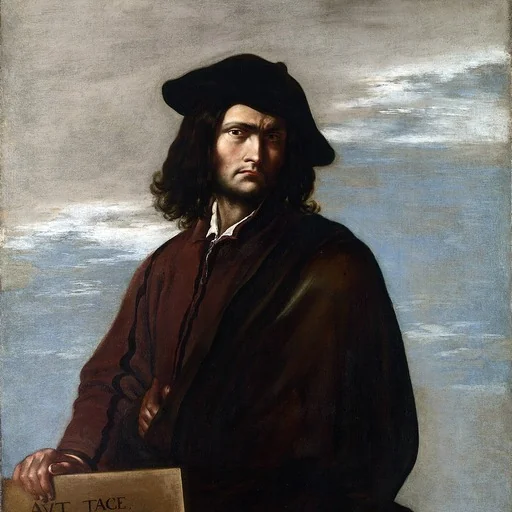
Salvator Rosa (1615 – 15 March 1673) is best known today as an Italian Baroque painter, whose romanticised landscapes and history paintings, often set in dark and untamed nature, exerted considerable influence from the 17th century into…

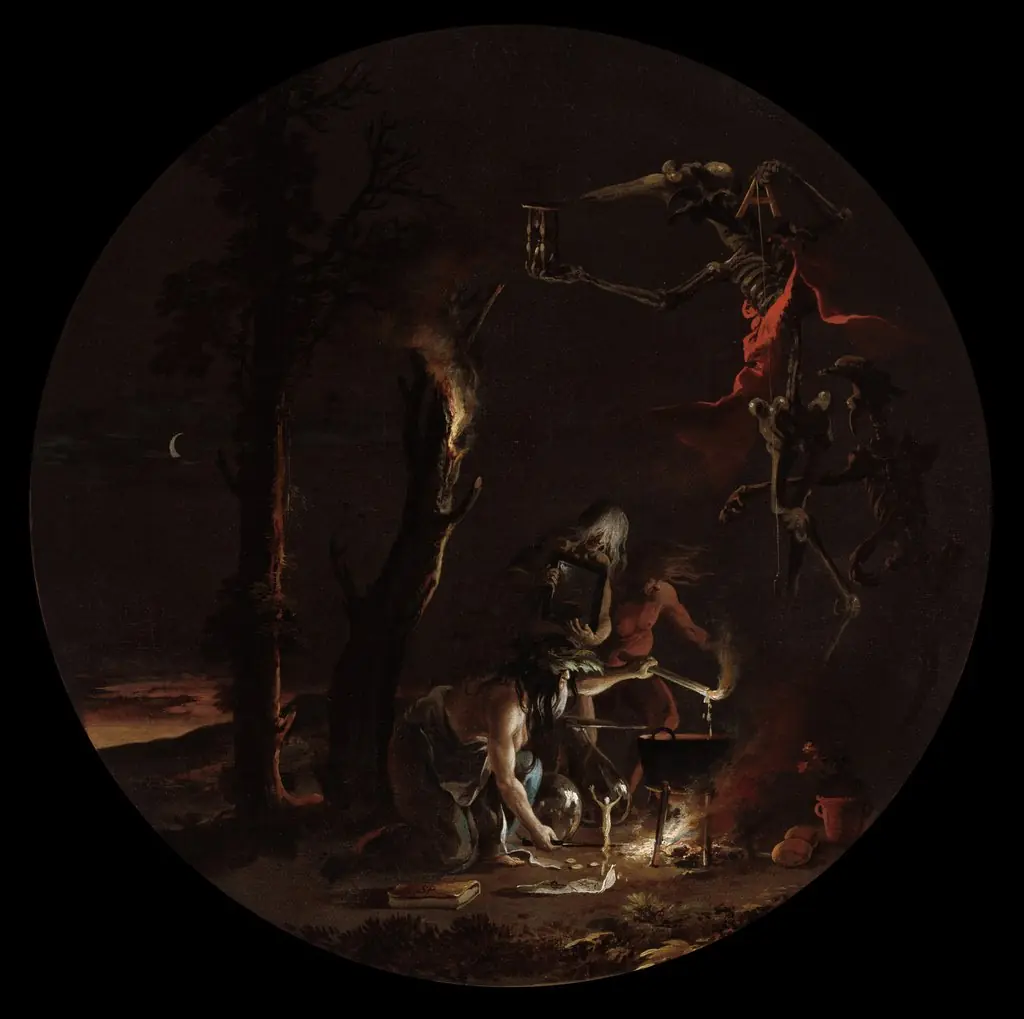
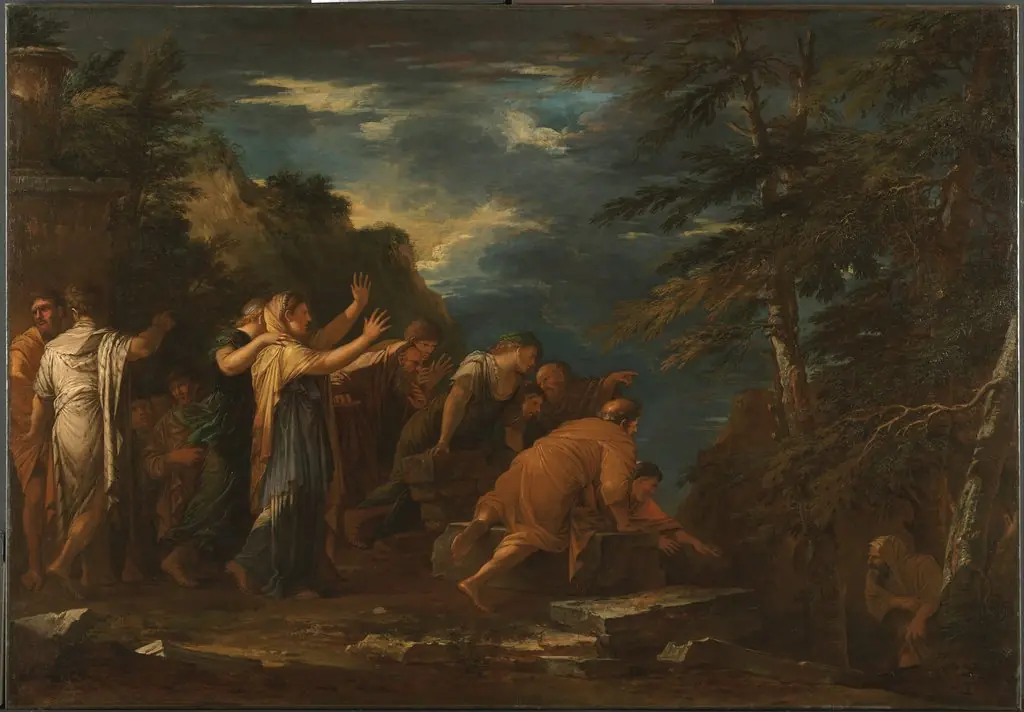 Pythagoras Emerging from the Underworld
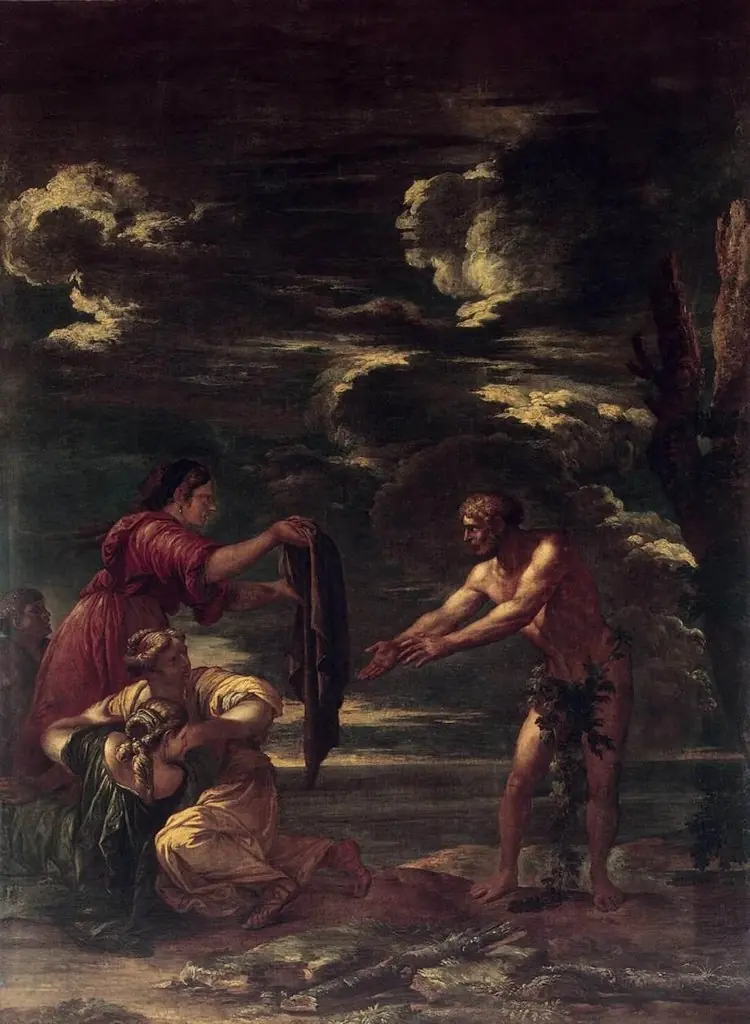 Odysseus and Nausicaa (Ulysses and Nausicaa)
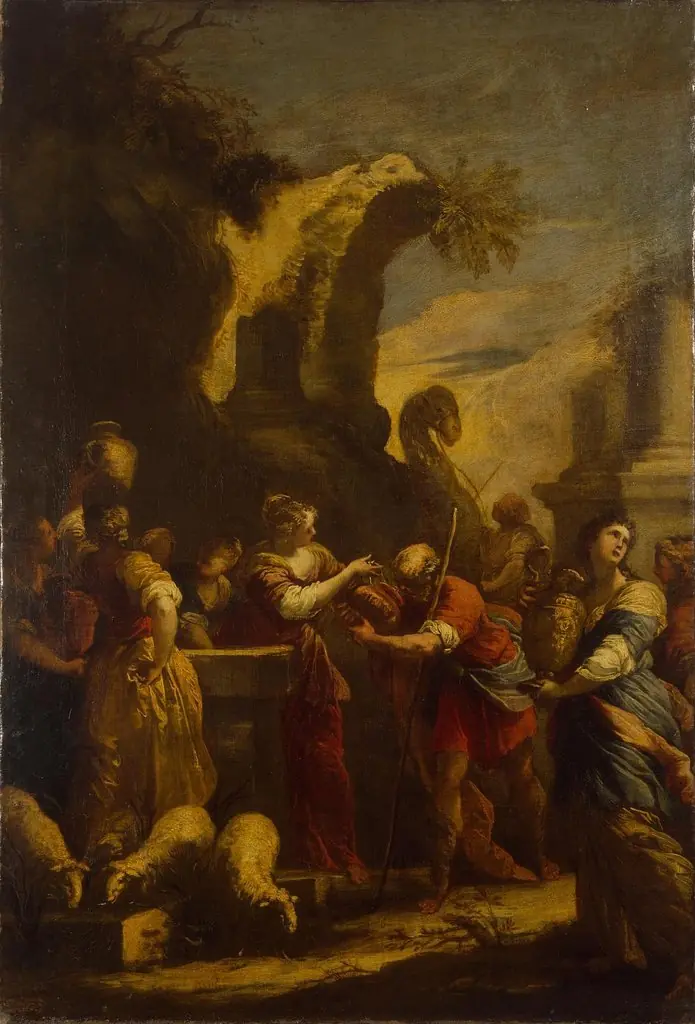 Rebecca at the Well
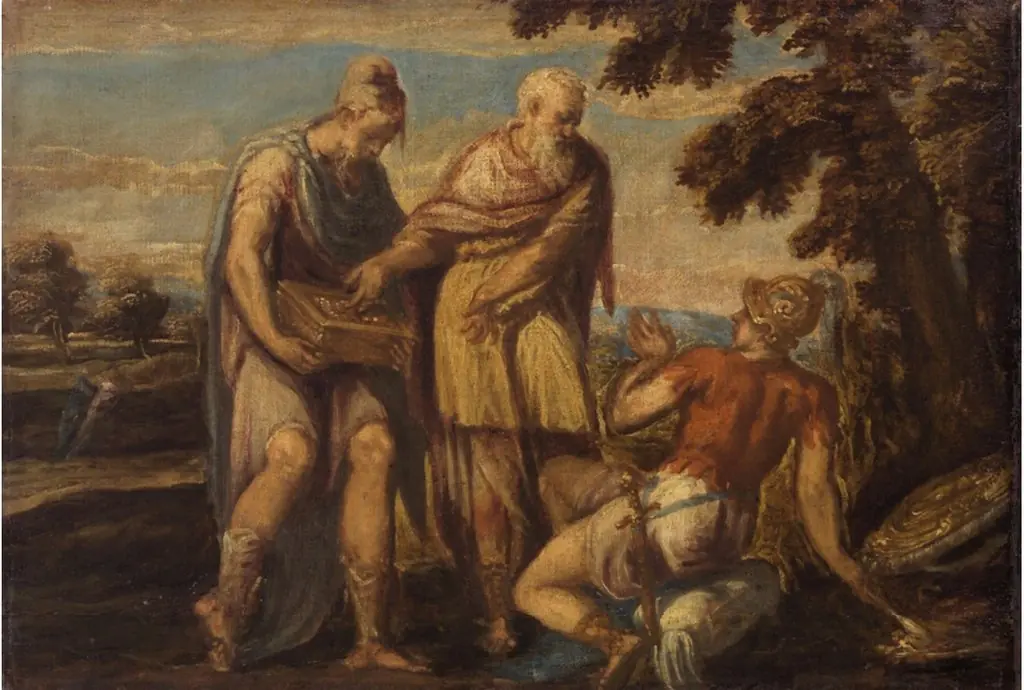 Marius Curius Dentatus
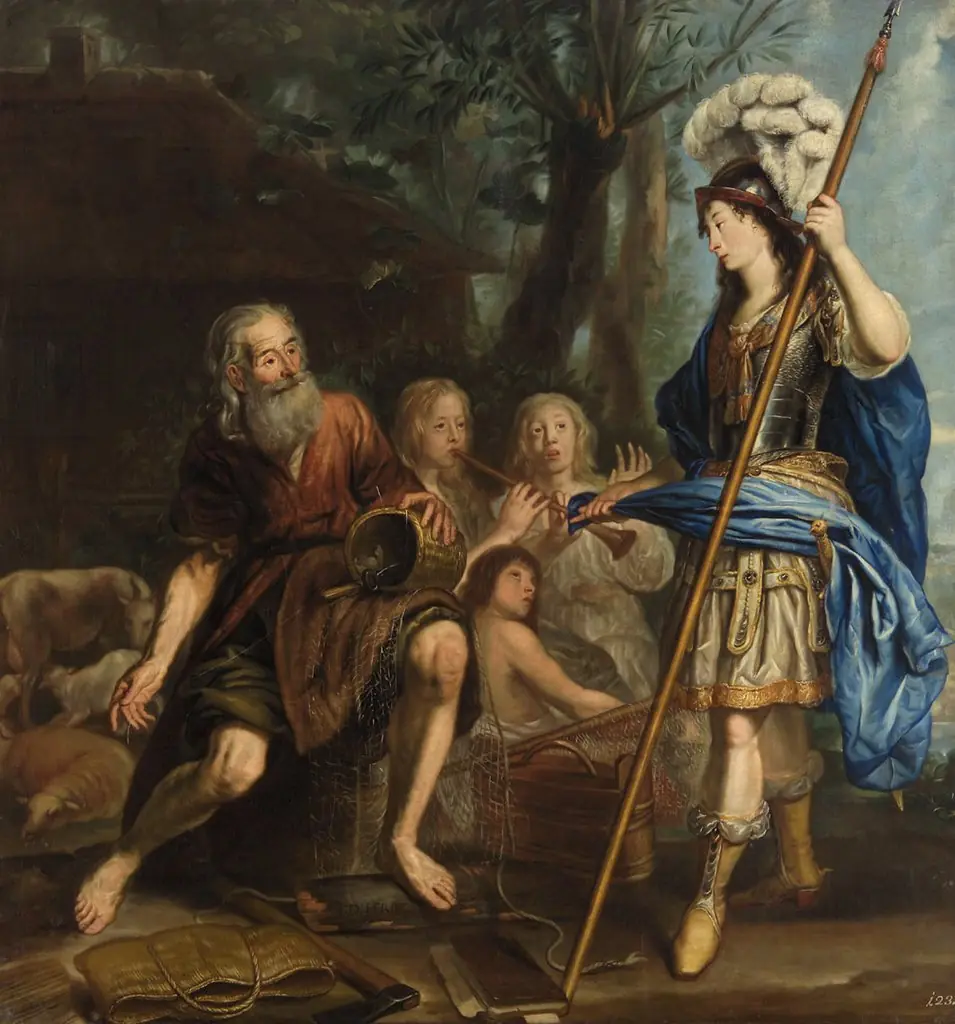 Erminia and the shepherds
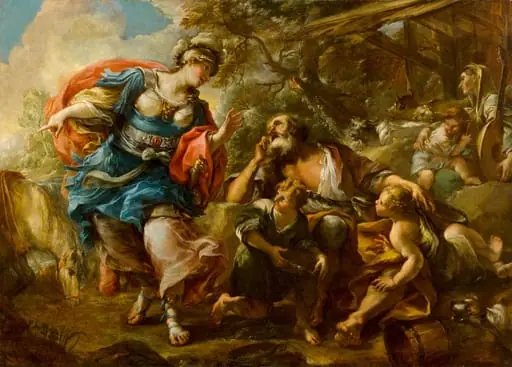 Erminia ja paimenet
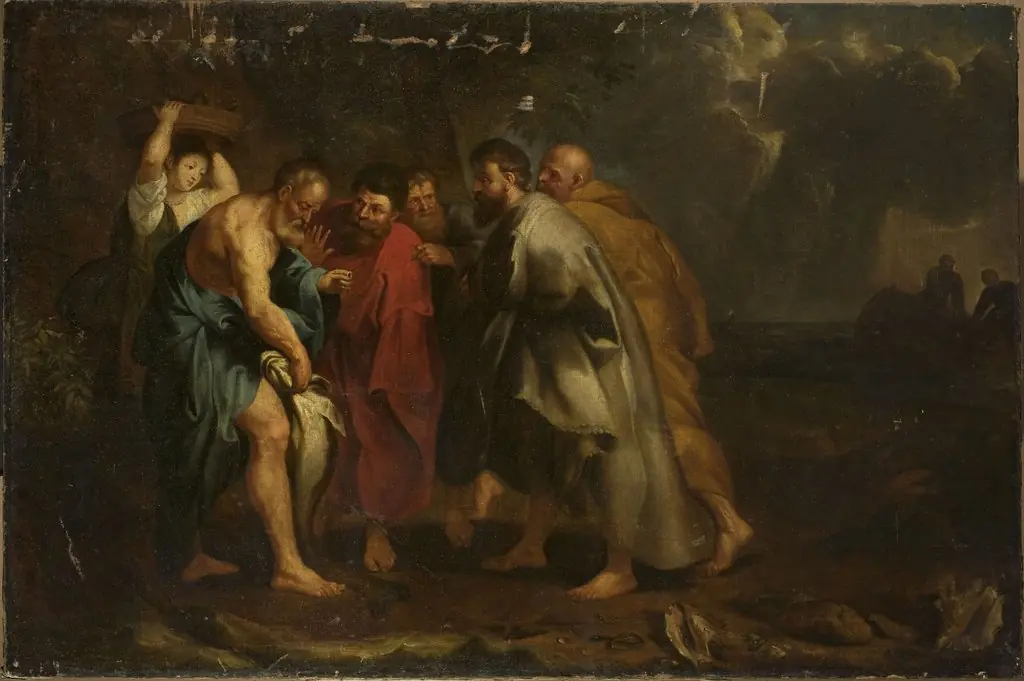 Apostles finding a coin inside a fish (Matthew 17:27)
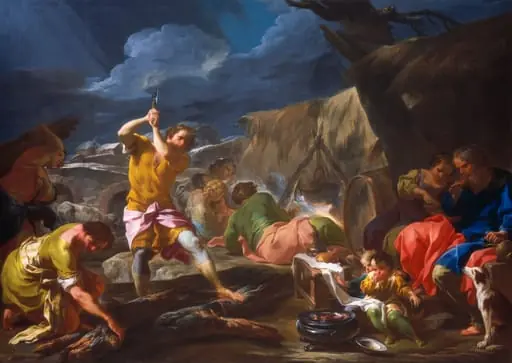 Winter
 Peisaj cu pescari; pandant: Peisaj cu pescari și băiat cu flaut
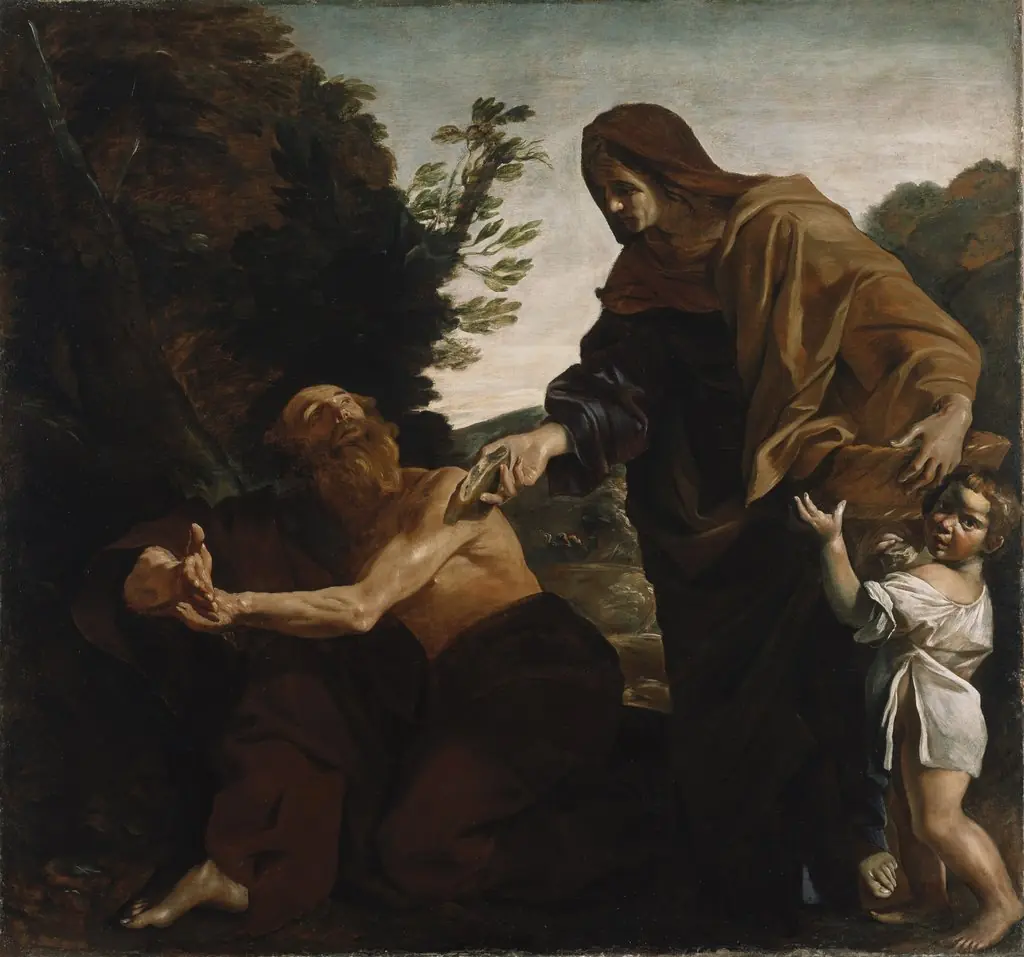 Elijah Receiving Bread from the Widow of Zarephath
 Abraham and the Angels
 The Sacrifice of Isaac