Artwork
Jason Charming the Dragon
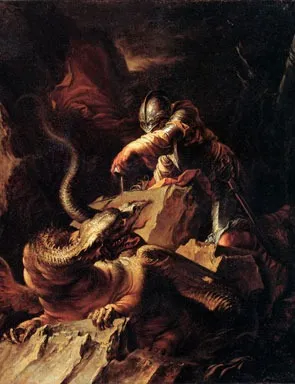
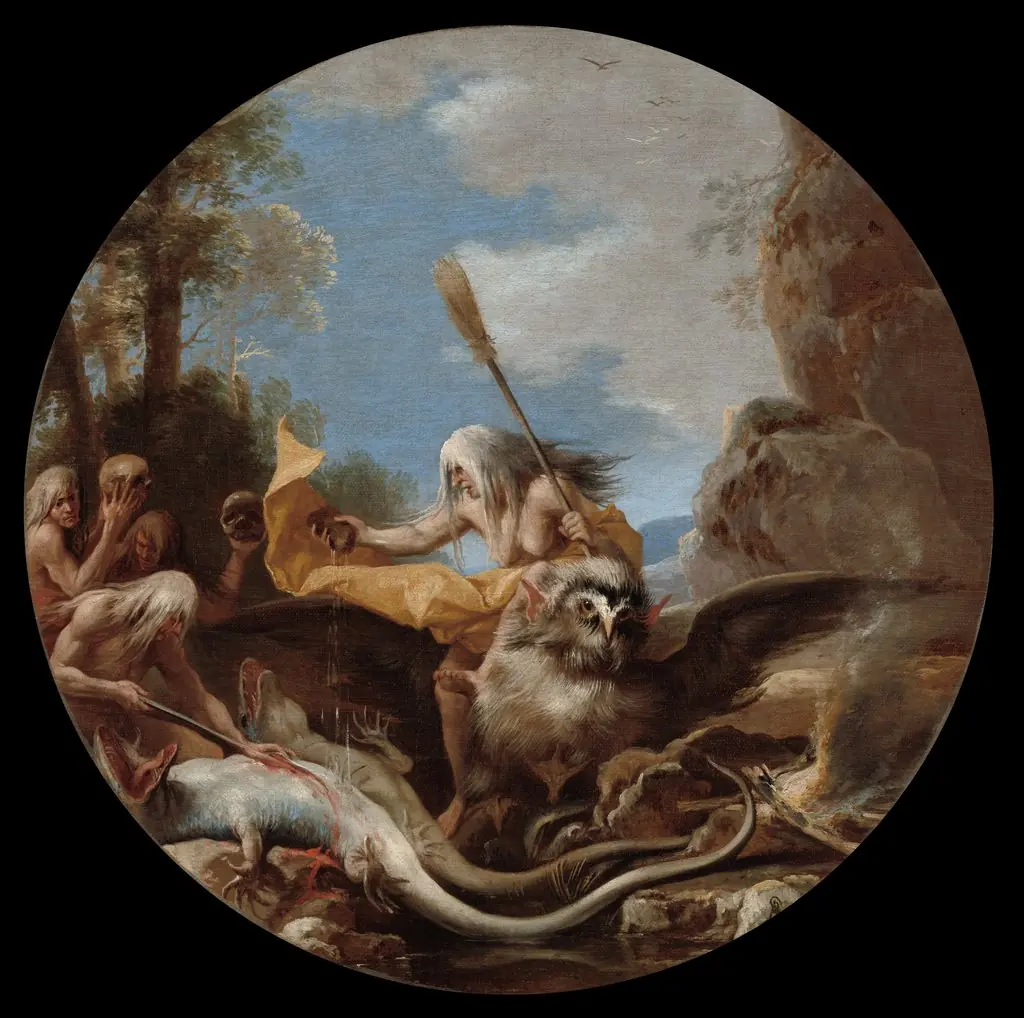
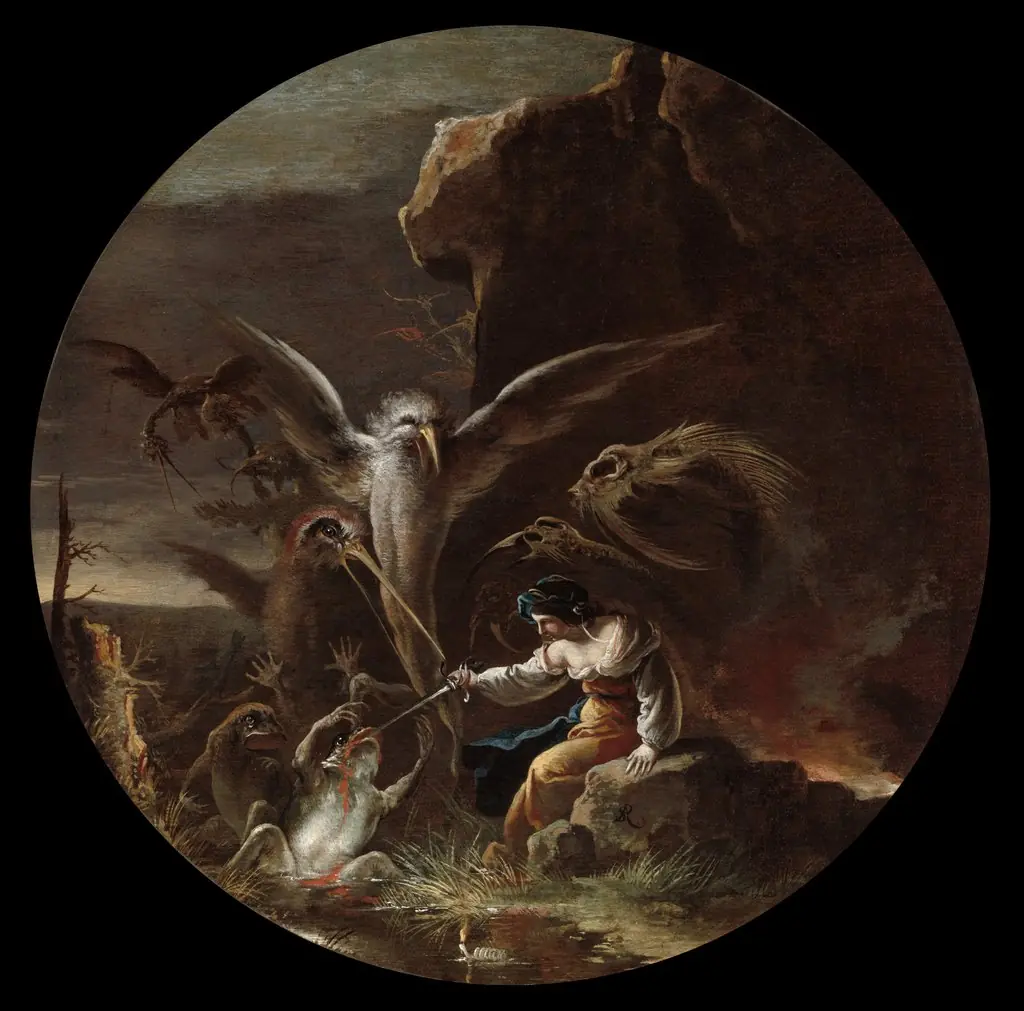
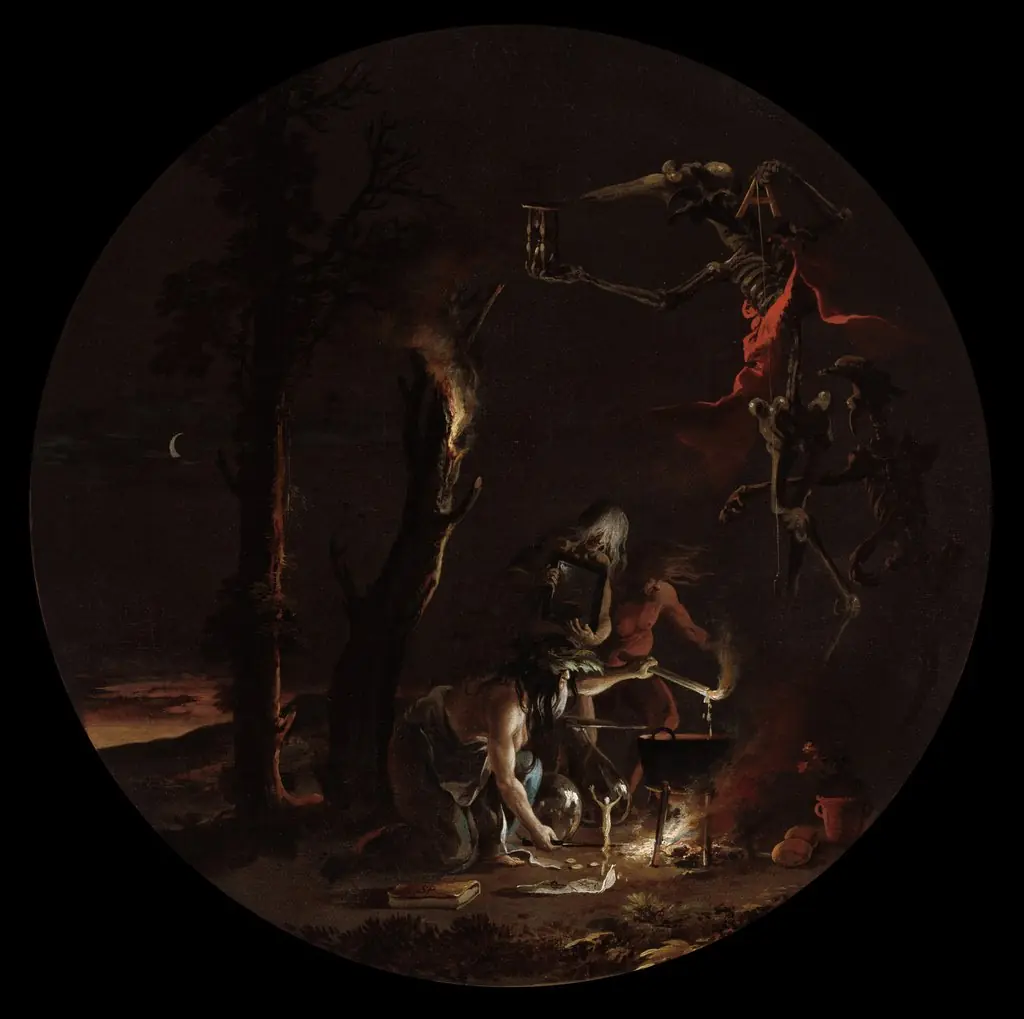
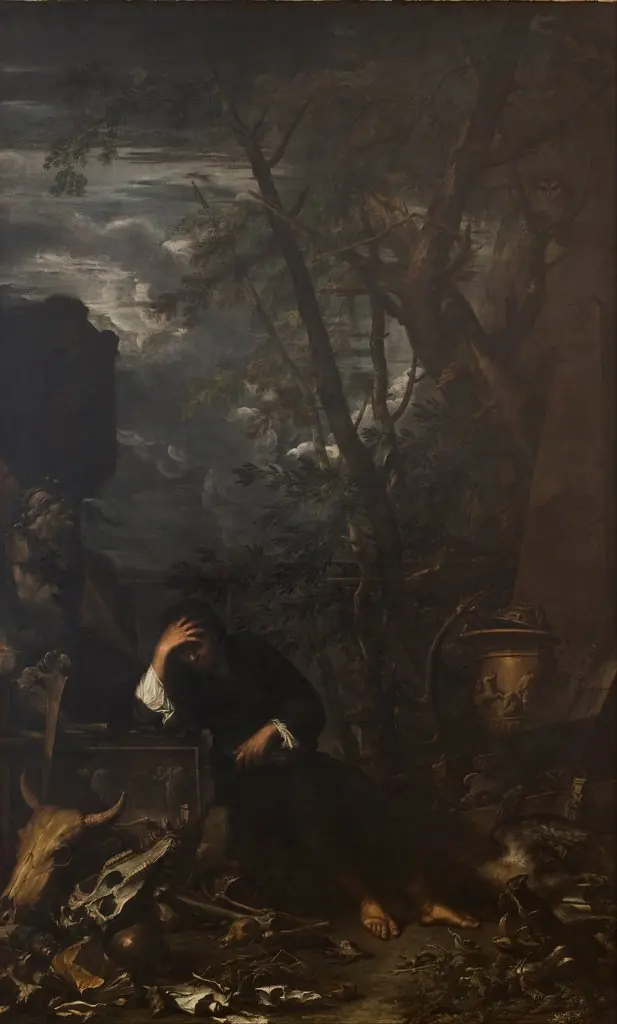
Jason Charming the Dragon is an oil painting by the Early Baroque Italian artist Salvator Rosa. It dates from 1665 and is held in the collection of the Montreal Museum of Fine Arts.
About this work
Overview
Rosa, active across Naples, Rome, and Florence, was known for his intense compositions and theatrical atmosphere.
Painted in 1665, *Jason Charming the Dragon* is an oil-on-canvas work by Salvator Rosa, reflecting his engagement with classical mythology through a distinctly Baroque lens. Rosa, active across Naples, Rome, and Florence, was known for his intense compositions and theatrical atmosphere. This piece exemplifies his preference for dramatic narratives set against wild, atmospheric backdrops, distinguishing his style from the more serene tendencies of his contemporaries.
Subject & Meaning
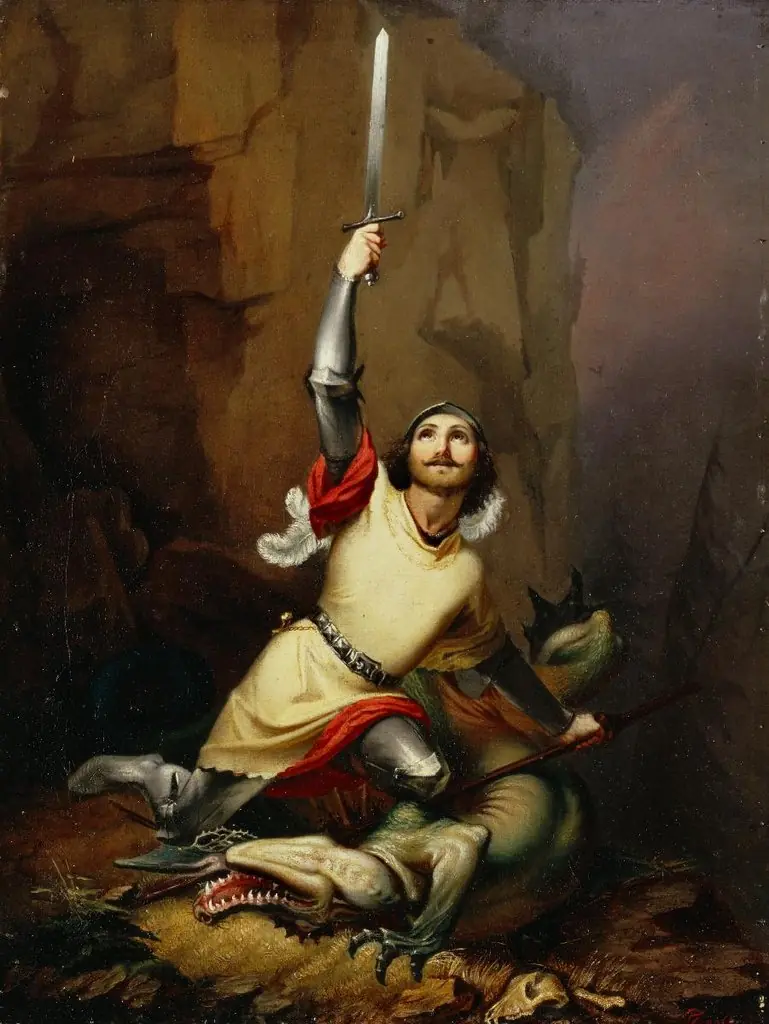
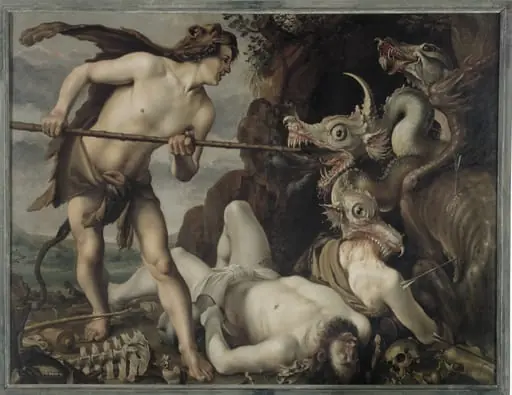
The painting illustrates Jason, the Greek hero, confronting the dragon guarding the Golden Fleece. Rather than depicting battle, Rosa captures a moment of psychological dominance: Jason, armored and poised, appears to subdue the creature through will rather than force. The dragon, though fearsome, is rendered passive, suggesting themes of reason over brute strength, a common humanist motif in 17th-century Italian art.
Technique & Style
Rosa employs chiaroscuro with deliberate intensity, carving form from deep shadows and sharp highlights to heighten emotional tension. The armor and dragon’s scales catch light unevenly, enhancing their texture and weight. The background, a brooding expanse of ruined architecture and shadowed terrain, recedes into darkness, isolating the figures and amplifying the scene’s psychological gravity. His brushwork is energetic yet controlled, avoiding idealized smoothness in favor of tactile realism.
History & Provenance
Created during Rosa’s mature period, the painting entered the collection of the Montreal Museum of Fine Arts in the 20th century. Its provenance prior to that is not fully documented, but its style and date align with other known works from Rosa’s Roman and Florentine years. It has been consistently attributed to him since its modern acquisition, supported by stylistic analysis and historical records of his mythological subjects.
Context
In mid-17th-century Italy, mythological scenes were often used to explore moral or philosophical ideas. Rosa’s interpretation diverged from the polished elegance of courtly painting, favoring raw emotion and untamed nature. His reputation as a rebellious intellectual—also a poet and printmaker—infused his art with a sense of individualism, aligning *Jason Charming the Dragon* with broader cultural shifts toward personal expression in Baroque art.
Legacy
Though less celebrated than his landscapes, this painting contributes to understanding Rosa’s range as a narrative painter. It influenced later artists drawn to psychological drama and atmospheric tension, particularly in Romantic and 19th-century historical painting. Its preservation in Montreal ensures continued study of how Baroque artists reimagined classical myths through personal, emotionally charged visions rather than conventional idealism.
Artist & collection
Artist
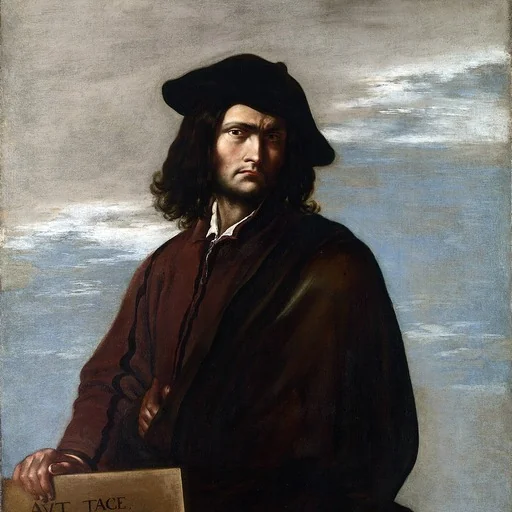
Salvator Rosa (1615 – 15 March 1673) is best known today as an Italian Baroque painter, whose romanticised landscapes and history paintings, often set in dark and untamed nature, exerted considerable influence from the 17th century into…