Artwork
David Slaying Goliath
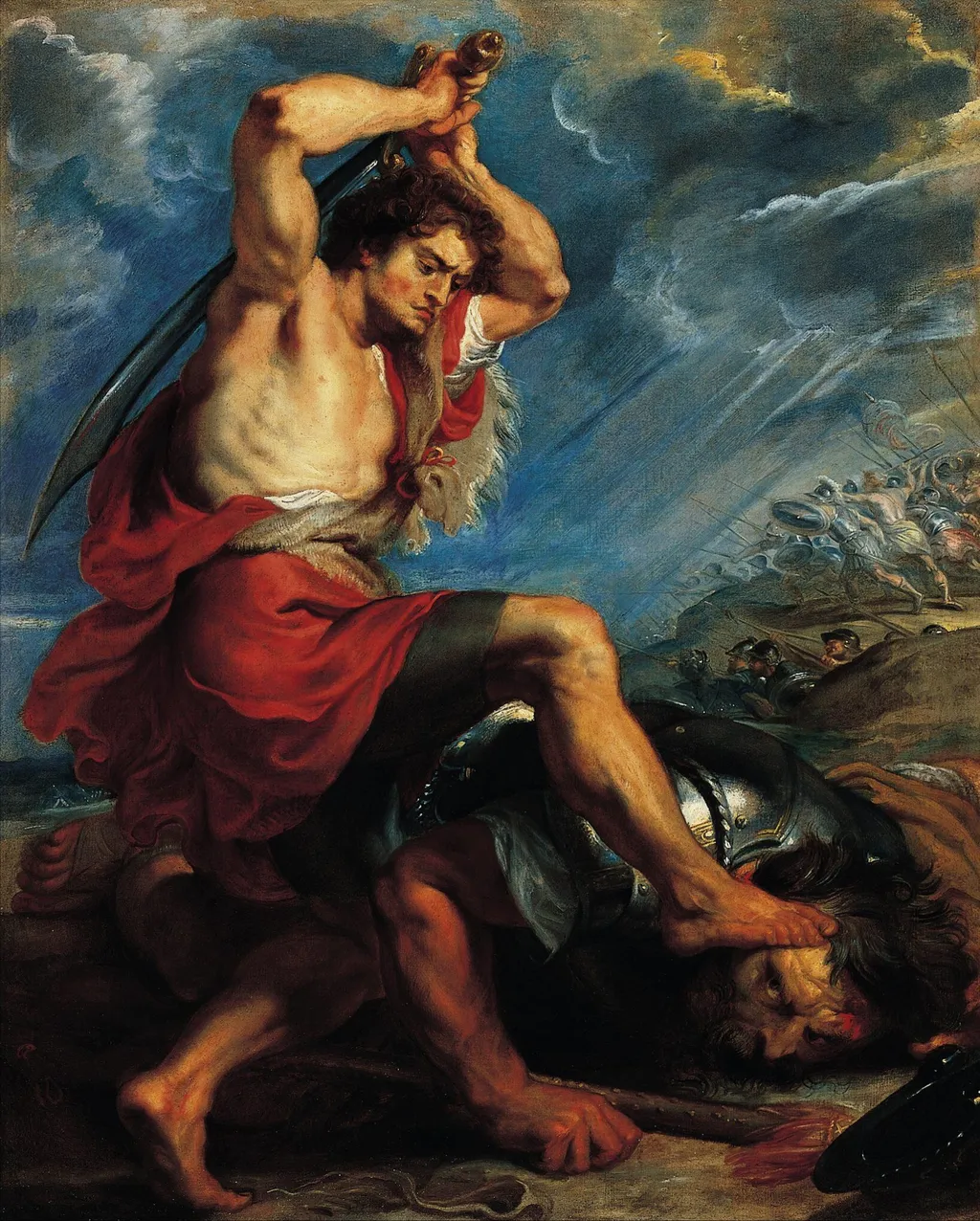
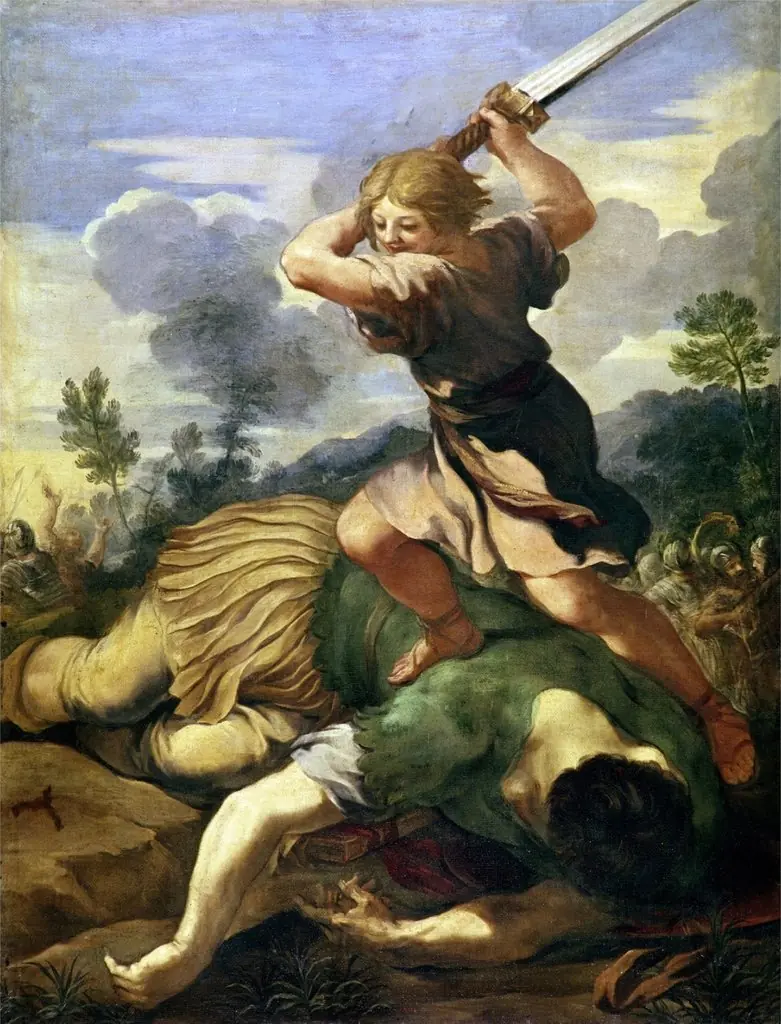
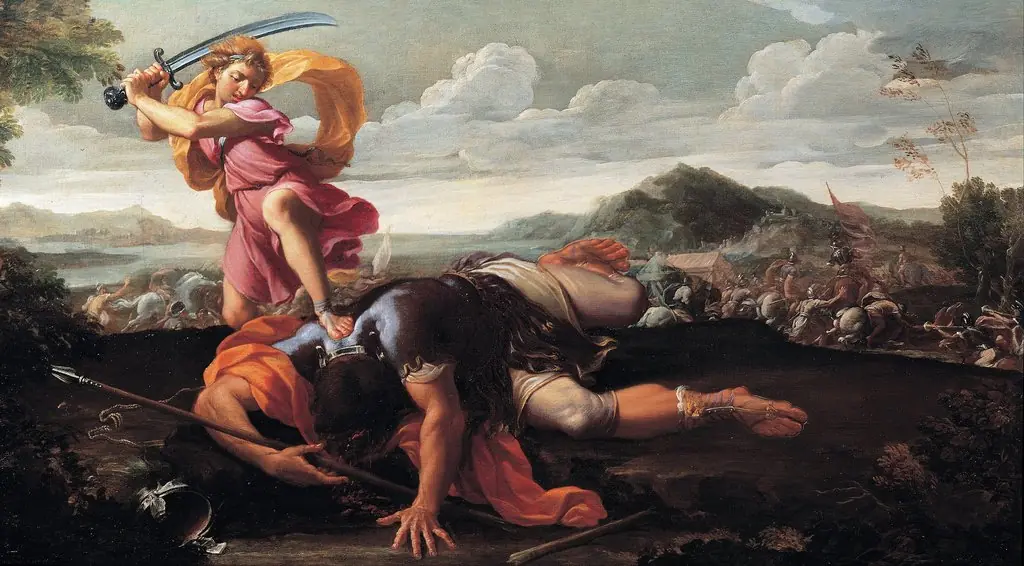
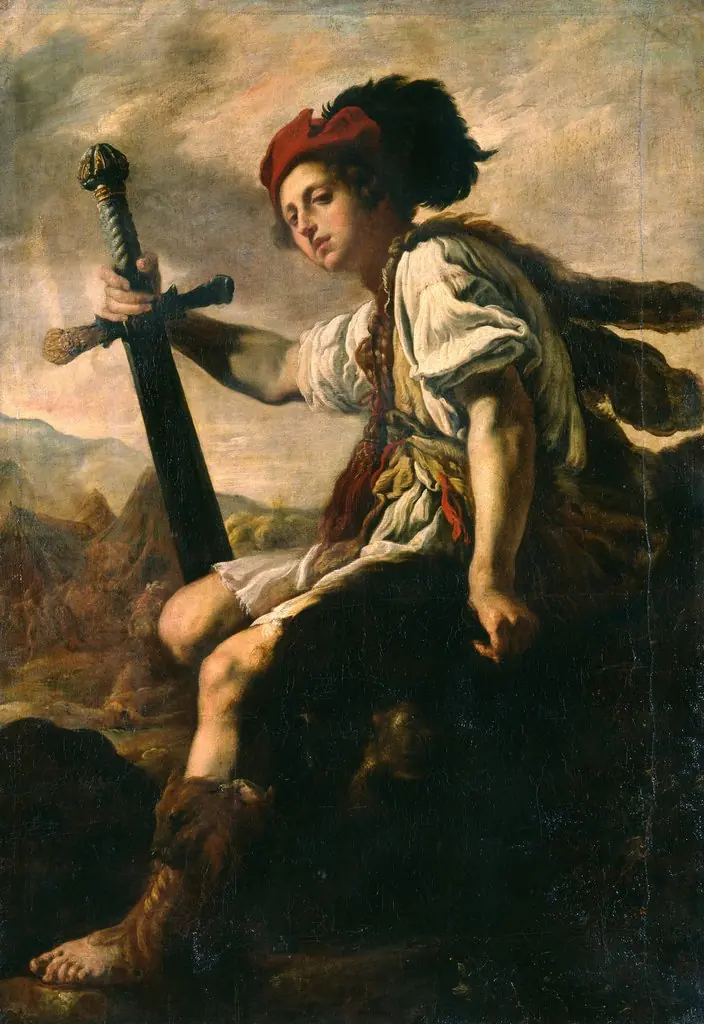
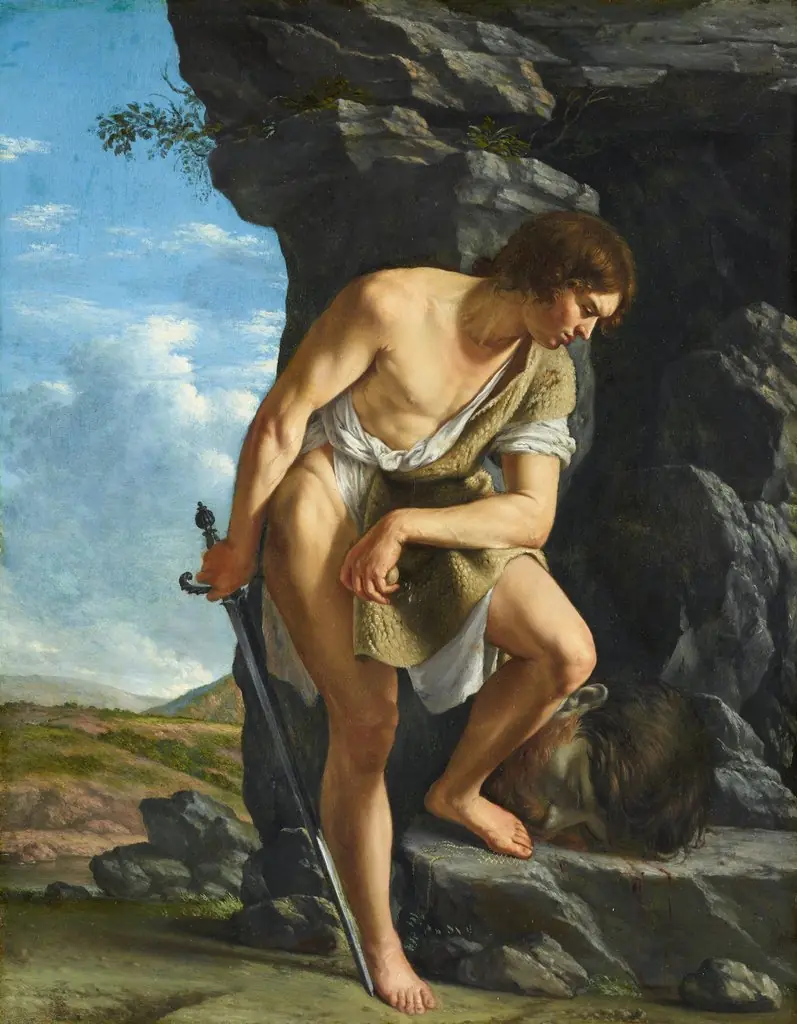
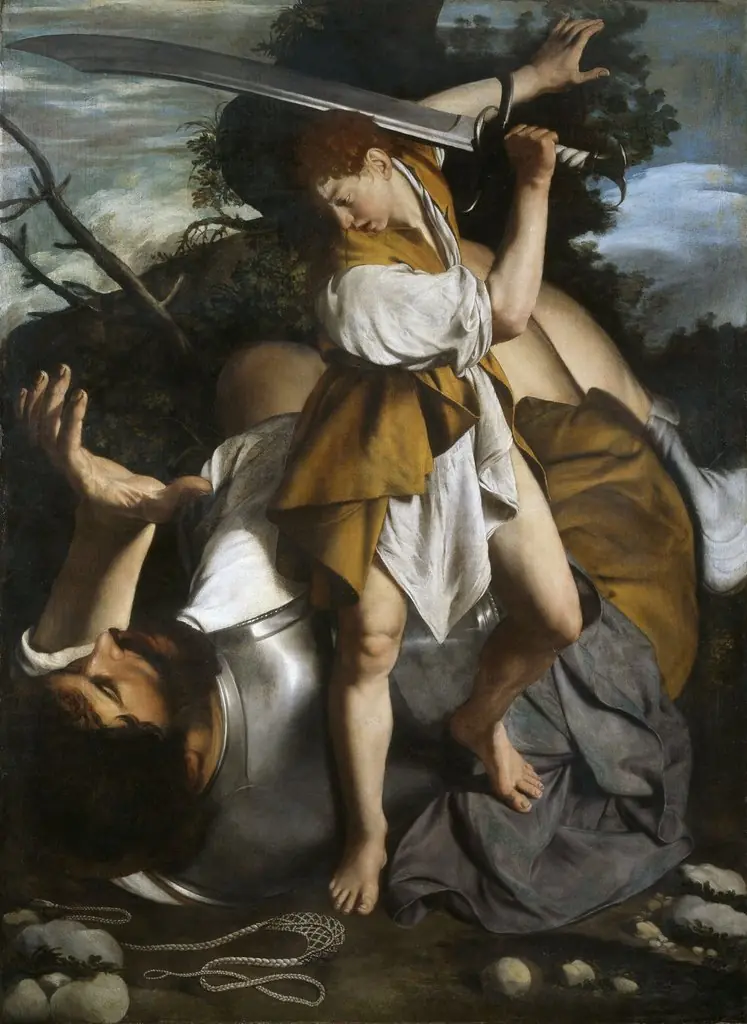
David Slaying Goliath is an oil painting by the Flemish Baroque painting artist Peter Paul Rubens. It dates from 1616 and is held in the collection of the Norton Simon Museum.
About this work
Overview
It is part of the Norton Simon Museum’s permanent collection, where it remains a key example of early 17th-century narrative painting in Northern Europe.
Painted in 1616 by Peter Paul Rubens, this oil-on-canvas work captures a pivotal moment from the biblical story of David and Goliath. Created during Rubens’s mature period, the painting exemplifies the Flemish Baroque style through its dynamic energy and emotional intensity. It is part of the Norton Simon Museum’s permanent collection, where it remains a key example of early 17th-century narrative painting in Northern Europe.
Subject & Meaning
The scene illustrates David, the young Israelite warrior, in the act of beheading the fallen Philistine champion Goliath. The moment is rendered not as triumphal celebration but as a visceral, almost clinical execution. Rubens emphasizes the physicality of the act, underscoring themes of divine justice and the vulnerability of brute strength. The contrast between the youthful David and the massive, lifeless giant reinforces the narrative’s moral inversion.
Technique & Style
Rubens employs strong chiaroscuro to model the figures with sculptural weight, enhancing the drama of the moment. The muscular anatomy of David is rendered with fluid, confident brushwork, while Goliath’s body collapses in a tangle of limbs, conveying sudden defeat. The background’s hazy battlefield and sky recede softly, directing focus to the central confrontation. Rich reds and whites contrast against muted earth tones, heightening the emotional gravity.
History & Provenance
Commissioned during Rubens’s time in Antwerp, the painting likely originated as a private devotional or allegorical piece. It passed through several European collections before entering the Norton Simon Museum in the 20th century. Its documented history reflects its appeal to collectors drawn to Rubens’s fusion of classical form and biblical drama, though its early ownership records remain partially incomplete.
Context
Created in the wake of the Council of Trent, the painting aligns with Counter-Reformation interests in emotionally engaging religious narratives. Rubens, influenced by Italian Renaissance masters and Flemish traditions, adapted biblical subjects to suit contemporary tastes for theatricality and physical realism. The work reflects broader European trends in using ancient and scriptural stories to explore human virtue and divine intervention.
Legacy
Rubens’s treatment of David and Goliath became a reference point for later artists exploring violence and heroism in religious contexts. While not his most widely reproduced work, it demonstrates his ability to merge anatomical precision with psychological depth. The painting continues to be studied for its technical mastery and its nuanced portrayal of power, youth, and mortality.
Own this work as a print
Artist & collection
Artist
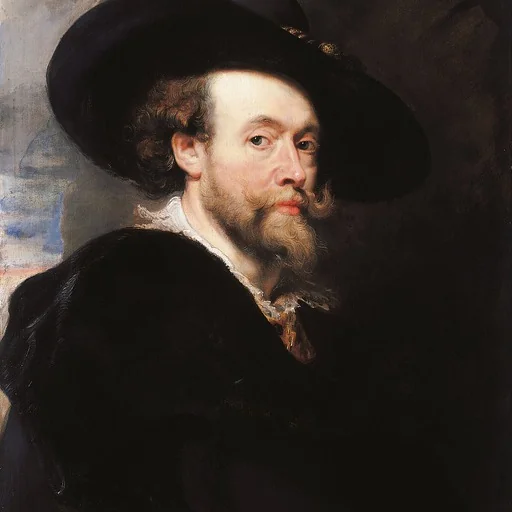
Sir Peter Paul Rubens ( ROO-bənz; Dutch: ; 28 June 1577 – 30 May 1640) was a Flemish artist and diplomat.