Artwork
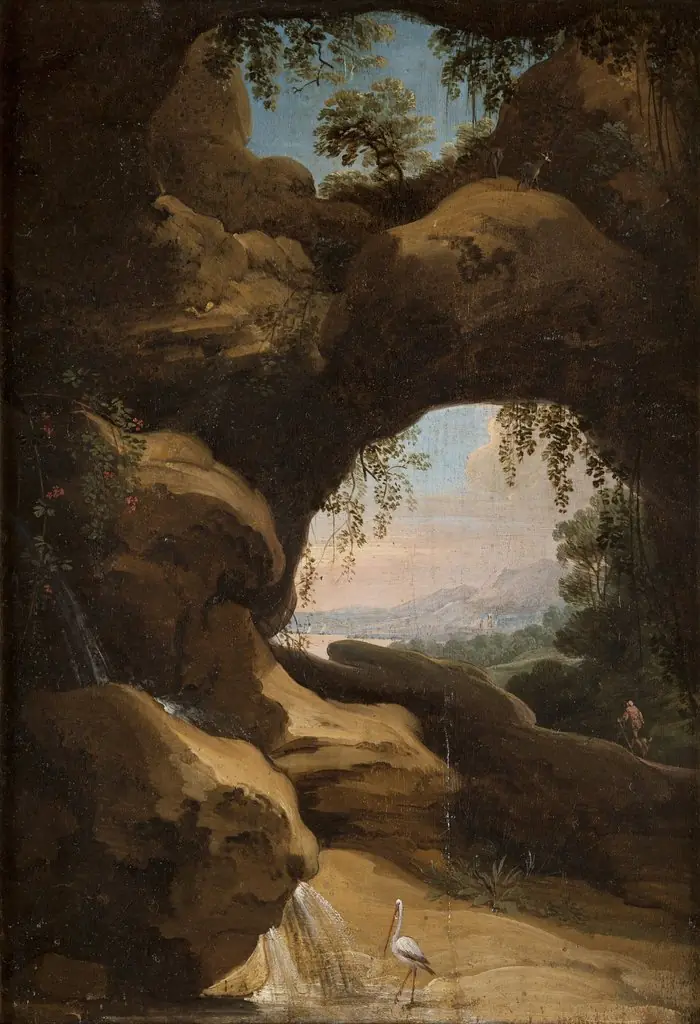
Landscape with an "Arco Naturale"
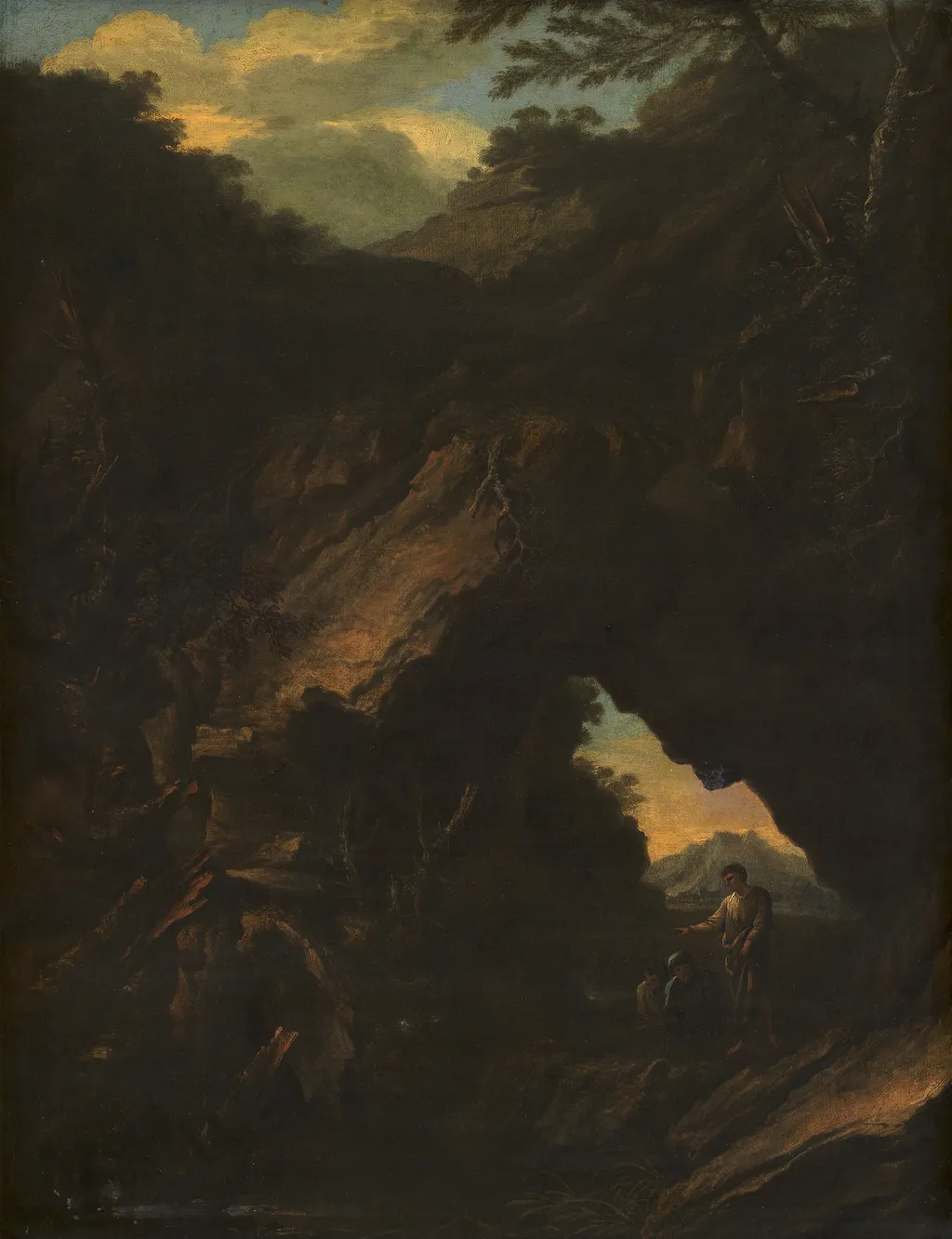
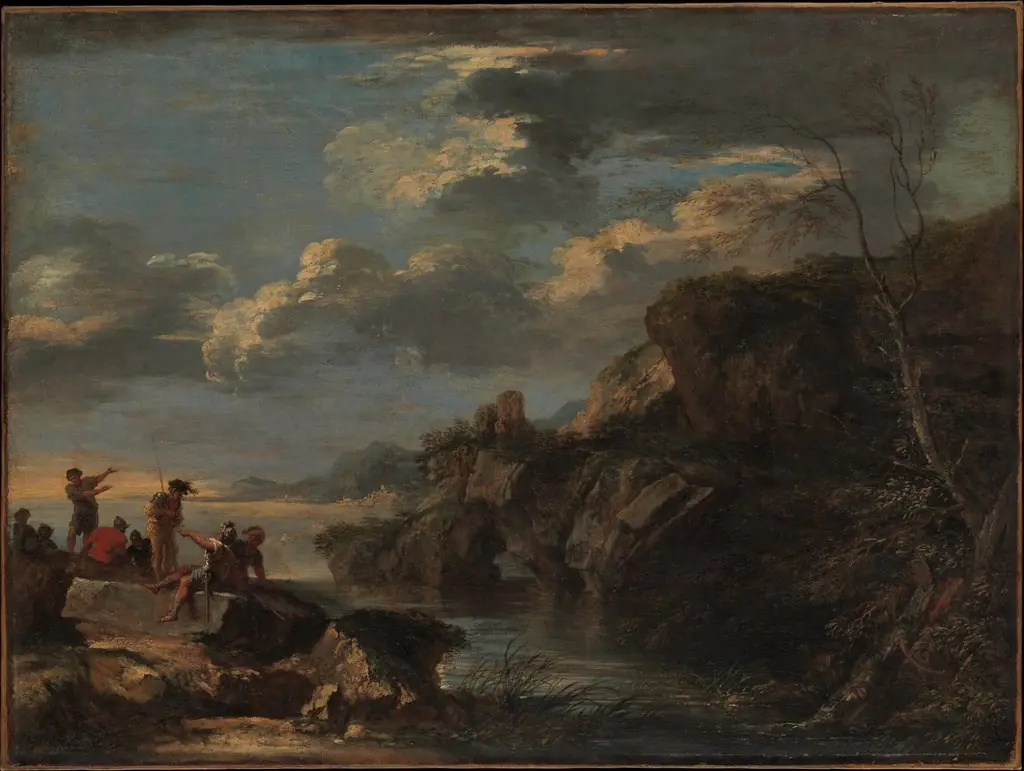
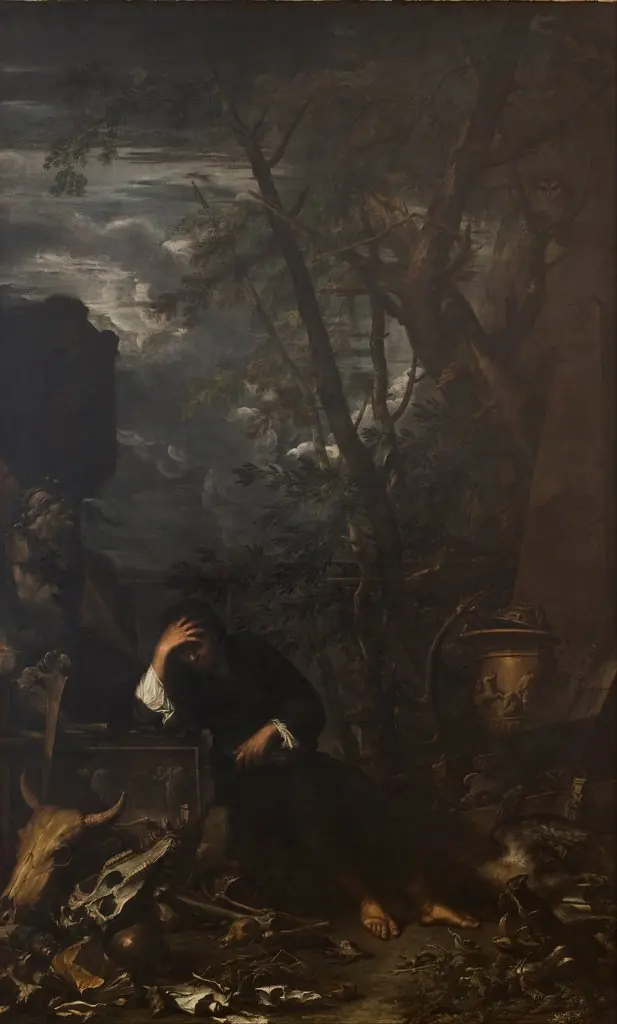
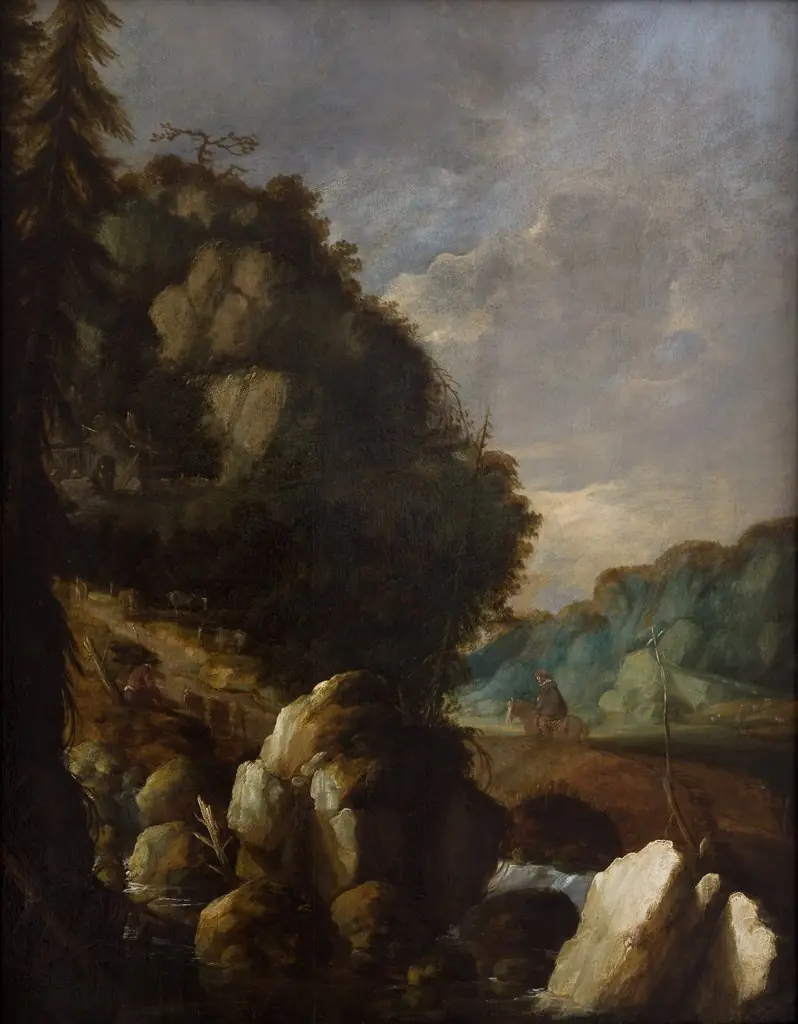
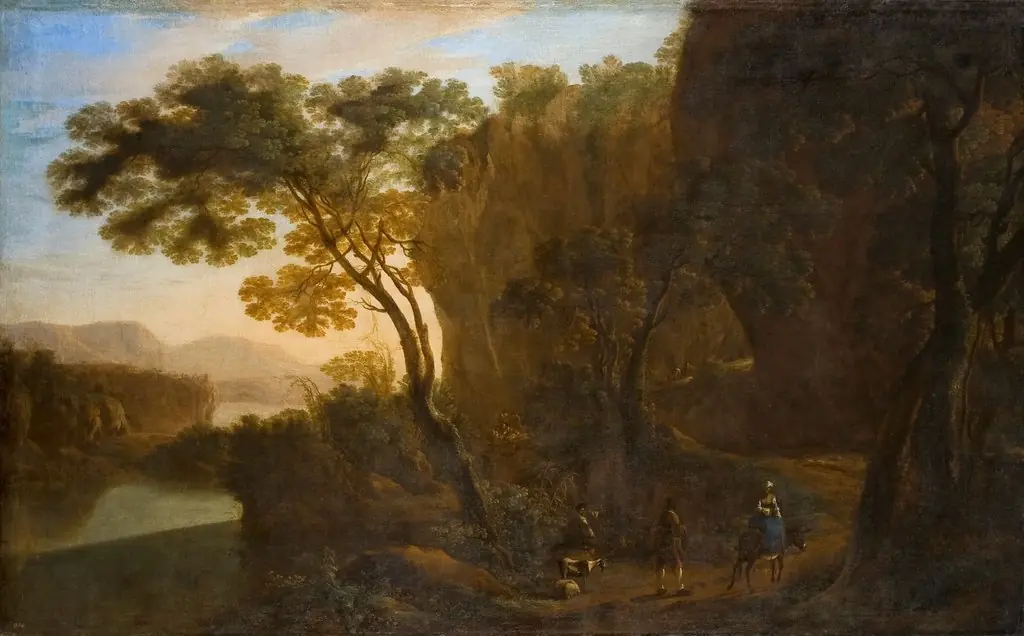
Landscape with an "Arco Naturale" is an oil painting by the Early Baroque Italian artist Salvator Rosa. It dates from 1651 and is held in the collection of the Statens Museum for Kunst.
About this work
Overview
The painting is part of a broader series of works in which he explored dramatic topographies, often imbued with a sense of solitude and elemental power.
Painted in 1651, this oil on canvas work by Salvator Rosa presents a wild, atmospheric landscape centered on a natural rock arch. It reflects Rosa’s preference for untamed nature over idealized scenery, distinguishing his approach within the Baroque period. The painting is part of a broader series of works in which he explored dramatic topographies, often imbued with a sense of solitude and elemental power.
Subject & Meaning
A solitary figure sits on a rock in the lower right, dwarfed by towering trees and a massive cliff formation. The presence of the figure suggests contemplation or vulnerability amid nature’s grandeur. The arch, a recurring feature in Rosa’s oeuvre, may symbolize a threshold between the known and the unknown, reinforcing the painting’s mood of mystery and quiet awe rather than narrative clarity.
Technique & Style
Rosa employed thick, textured brushwork to render the rocky surfaces and turbulent clouds, creating a tactile, almost sculptural quality. He used chiaroscuro to heighten emotional tension, contrasting deep shadows with sudden bursts of golden light. The sky’s division—stormy green above, radiant gold below—enhances the sense of atmospheric drama, a hallmark of his expressive approach to landscape.
History & Provenance
Created during Rosa’s time in Rome, the painting entered the collection of the Statens Museum for Kunst in Copenhagen, where it remains today. While its early ownership is not fully documented, its presence in a major European public collection since the 19th century underscores its recognition among connoisseurs of Baroque landscape painting.
Context
Rosa emerged as a counterpoint to the serene, classical landscapes of his contemporaries. His works responded to a growing interest in the sublime and the uncivilized, influenced by literary themes of solitude and nature’s indifference. In Naples and Rome, his reputation as a rebellious intellectual shaped how his landscapes were received—as expressions of personal defiance as much as aesthetic choices.
Legacy
Rosa’s emphasis on wildness and emotional intensity influenced later Romantic painters who sought to evoke nature’s power over human scale. His use of dramatic lighting and rugged terrain became a reference point for artists moving away from idealized pastoral scenes. Though less celebrated in his own time than some peers, his work gained renewed attention in the 18th and 19th centuries for its psychological depth.
Own this work as a print
Artist & collection
Artist
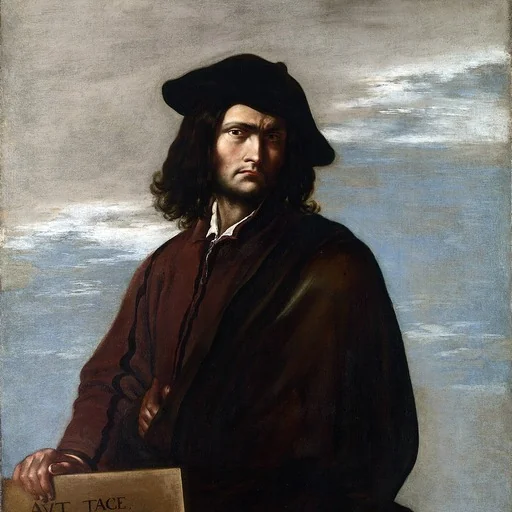
Salvator Rosa (1615 – 15 March 1673) is best known today as an Italian Baroque painter, whose romanticised landscapes and history paintings, often set in dark and untamed nature, exerted considerable influence from the 17th century into…