Artwork
Old Tower at Avignon
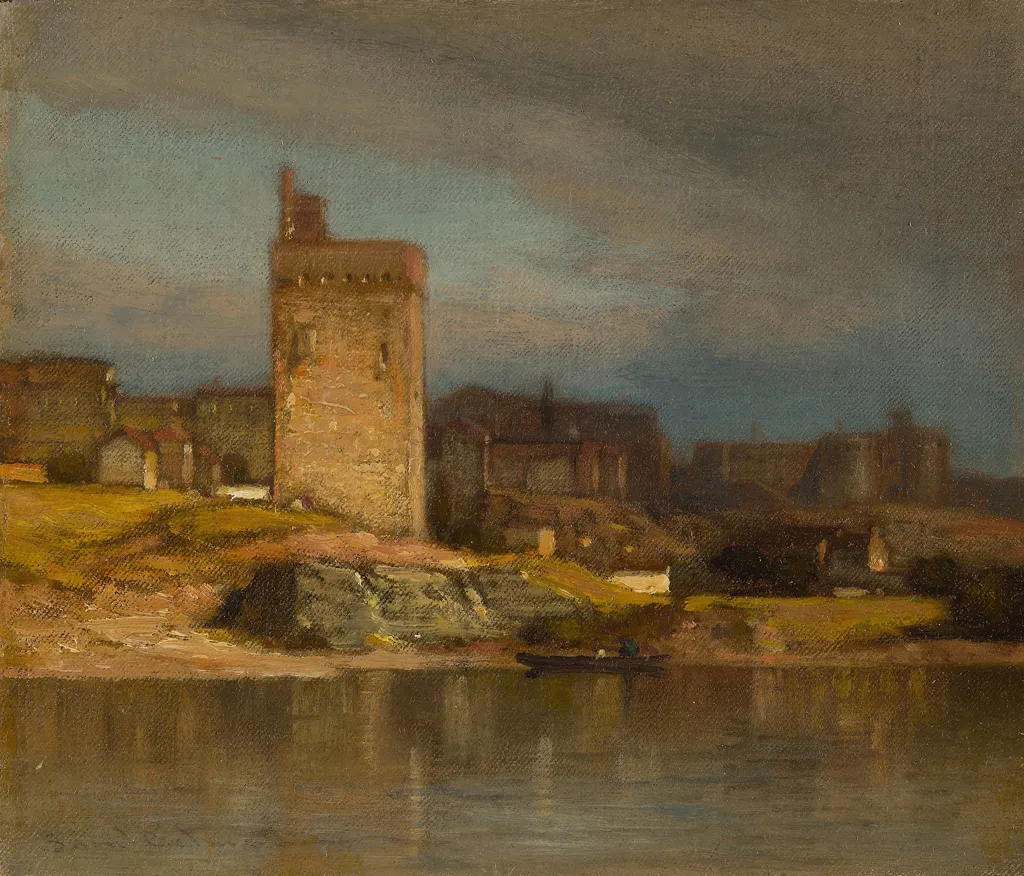
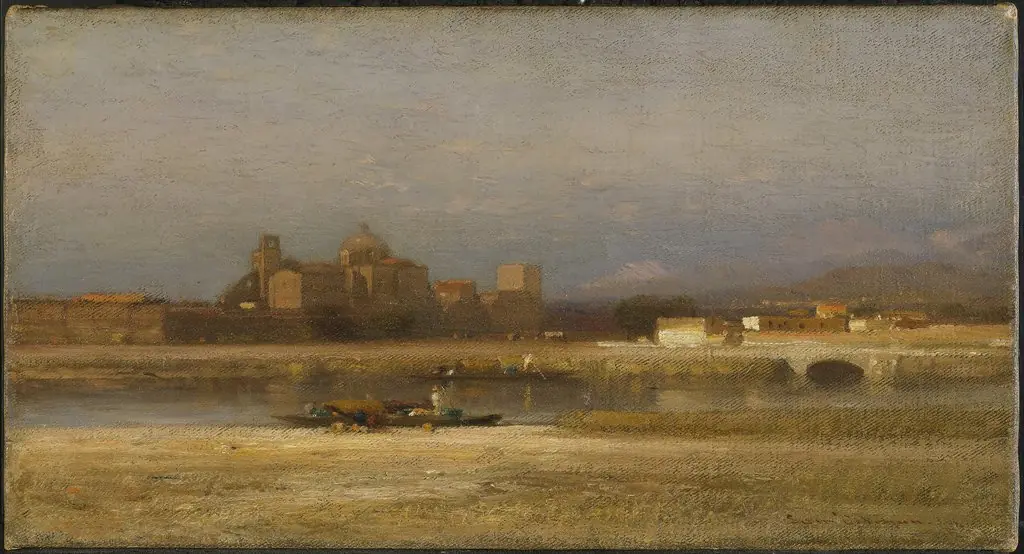
Old Tower at Avignon is an oil painting by the American Impressionist artist Samuel Colman. It dates from 1875 and is held in the collection of the Art Institute of Chicago.
About this work
If you're interested in learning more about this style of painting, you might want to check out the work of Samuel Colman (American, 1832–1920).
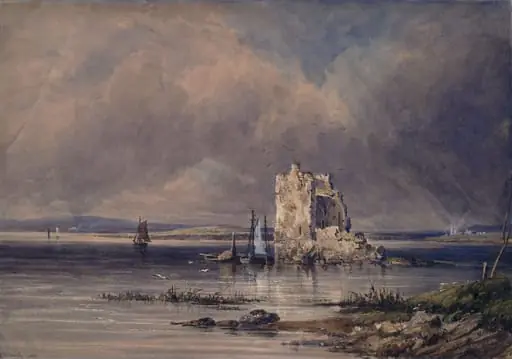
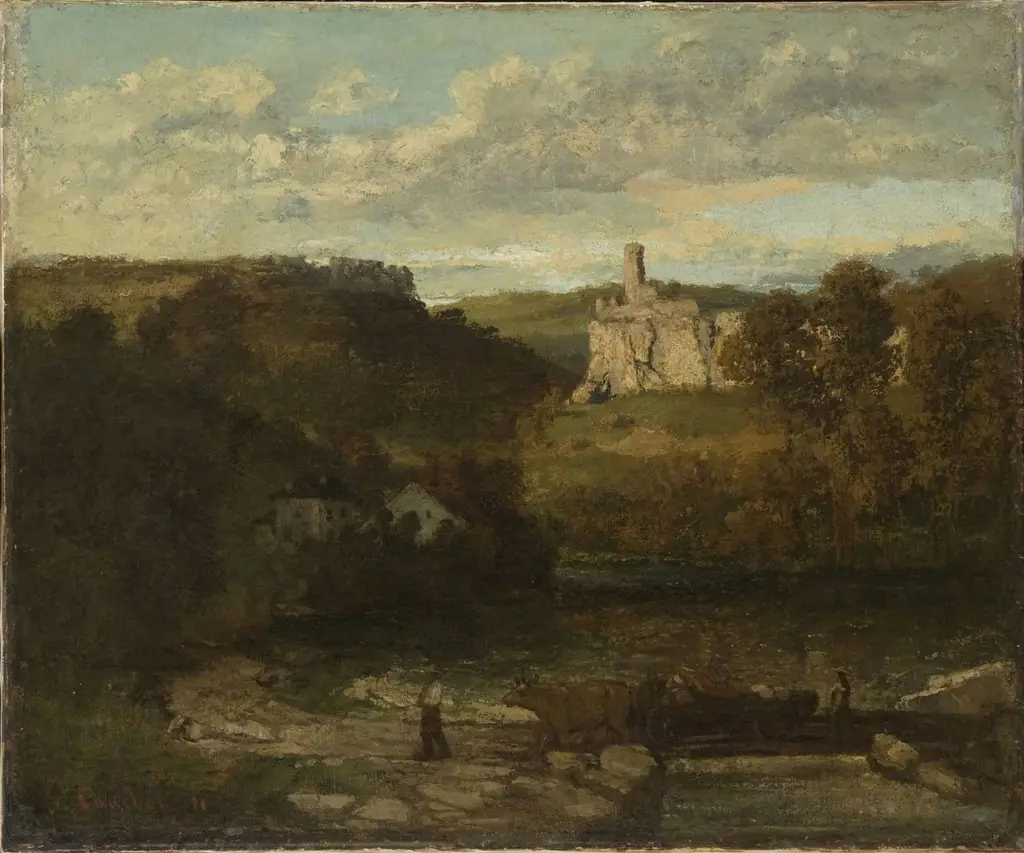
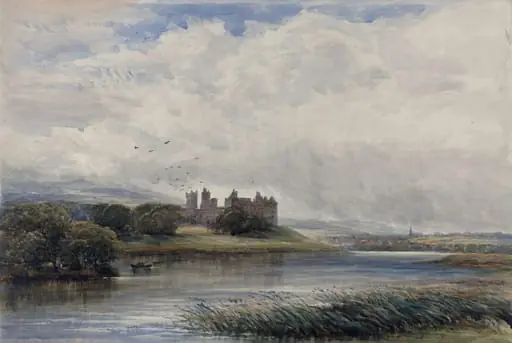
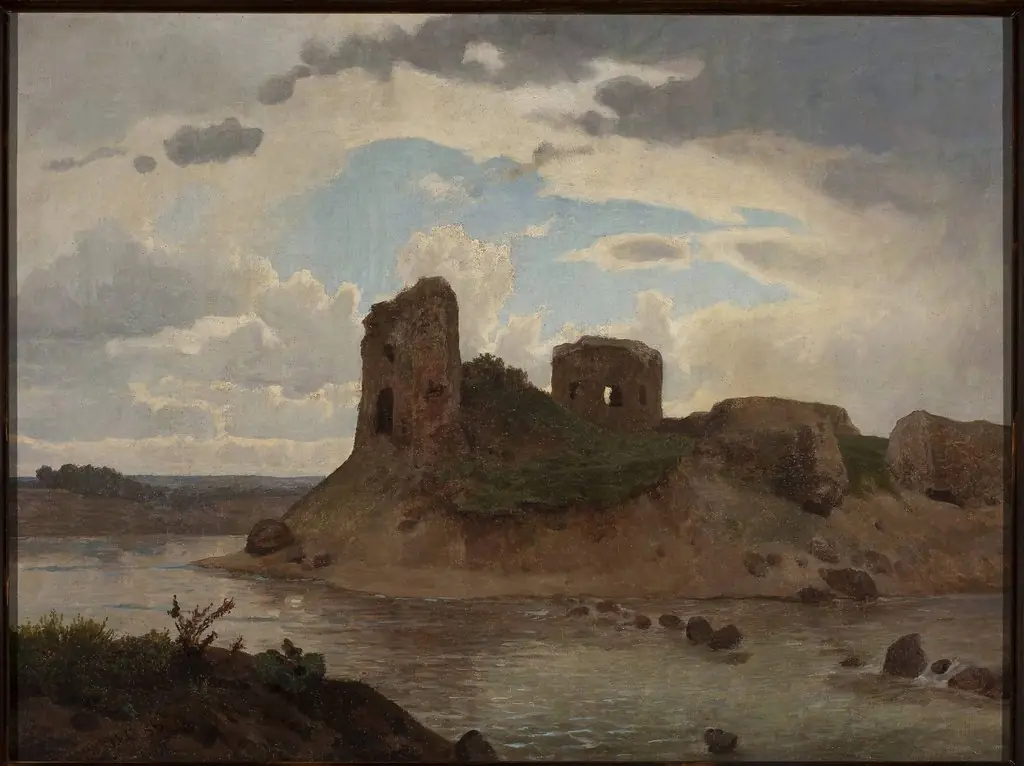
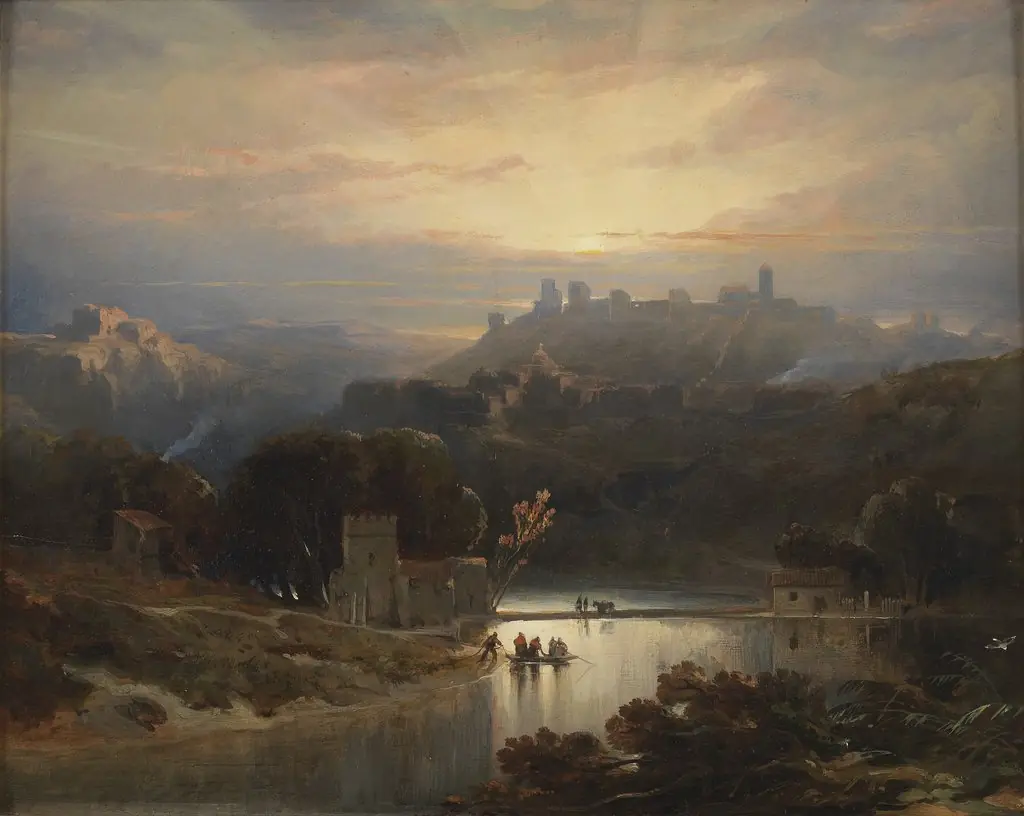
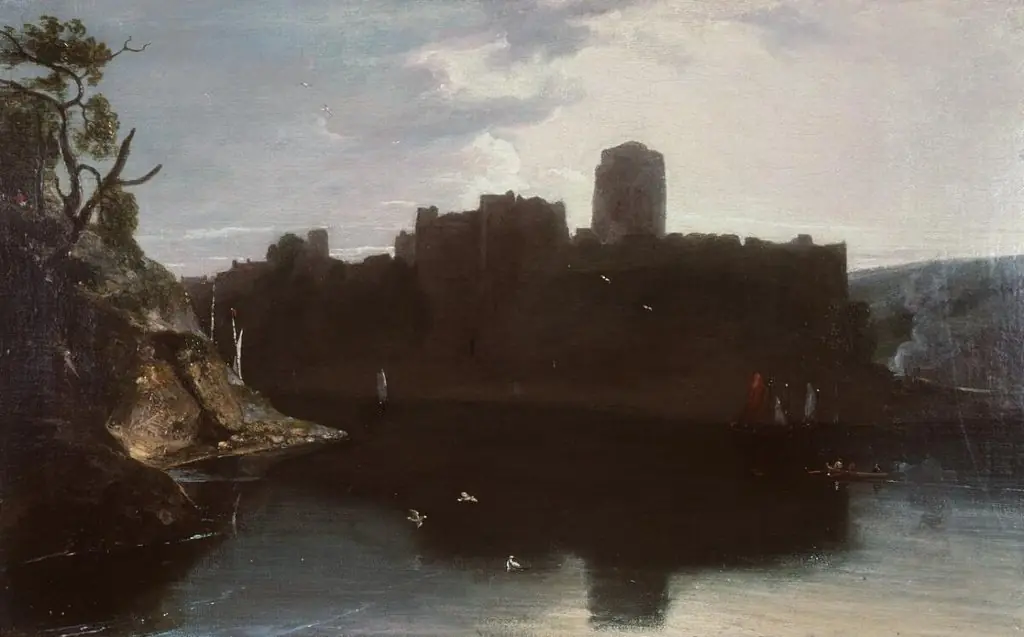
This painting shows a tall, old tower in the center. It's made of light brown stone and has a square shape with a flat top. The tower is on the edge of a river, with a small boat floating in the water. The sky above is gray and cloudy.
The tower is surrounded by other buildings, but they're not as tall or prominent. The whole scene feels quiet and peaceful, like a still moment in time.
If you're interested in learning more about this style of painting, you might want to check out the work of Samuel Colman (American, 1832–1920).
Overview
Samuel Colman painted *Old Tower at Avignon* in 1875 using oil on canvas. Though American by nationality, Colman depicted a scene in southern France, reflecting his interest in European landscapes during his travels. The work belongs to the Art Institute of Chicago’s collection and exemplifies his shift toward looser brushwork and atmospheric effects, aligning with emerging American Impressionist tendencies of the period.
Subject & Meaning
The painting centers on a weathered, square stone tower rising beside the Rhône River, its flat top and aged surface suggesting centuries of use. Surrounding structures recede into the background, emphasizing the tower’s solitude. A single boat drifts on the water, reinforcing the scene’s stillness. Colman conveys quiet contemplation rather than narrative, inviting observation of time’s quiet imprint on architecture and landscape.
Technique & Style
Colman employed soft, blended brushstrokes to render the gray, overcast sky and the tower’s muted stone surface. The palette is restrained—ochres, grays, and muted greens—enhancing the somber mood. Light is diffused, not sharply defined, and reflections on the water are suggested rather than detailed. This approach reflects a move away from precise realism toward a more impressionistic sensitivity to light and atmosphere.
History & Provenance
Created during Colman’s European travels in the 1870s, the painting emerged from a period when American artists increasingly sought inspiration abroad. It entered the Art Institute of Chicago’s collection in the early 20th century, likely through acquisition or donation. Its preservation reflects institutional interest in American painters who engaged with European subjects, bridging transatlantic artistic currents.
Context
In the 1870s, American artists were redefining landscape painting beyond the grandeur of the Hudson River School. Colman, influenced by French Barbizon painters and early Impressionists, turned toward intimate, everyday scenes. *Old Tower at Avignon* reflects this shift—focusing on quiet architecture and subdued light rather than dramatic vistas, aligning with broader trends in transatlantic art at the time.
Legacy
While not among Colman’s most widely known works, *Old Tower at Avignon* illustrates his evolving style and his role in expanding American landscape painting beyond national borders. It remains a quiet example of how 19th-century U.S. artists absorbed European aesthetics, contributing to the development of American Impressionism without overtly emulating it.
Own this work as a print
Artist & collection
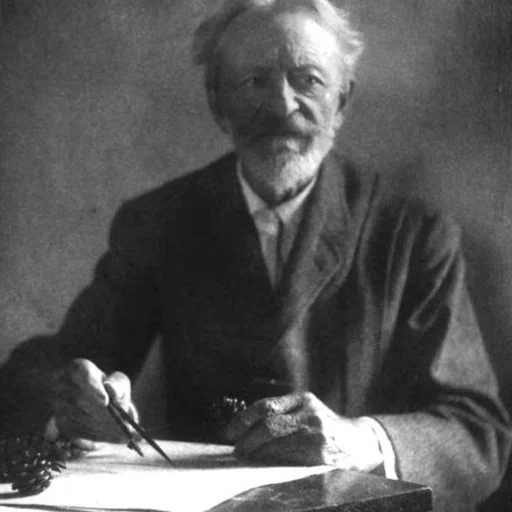
Artist
Samuel Colman (March 4, 1832 – March 26, 1920) was an American painter, interior designer, and writer, probably best remembered for his paintings of the Hudson River.