Artwork
On the Viga, Outskirts of the City of Mexico
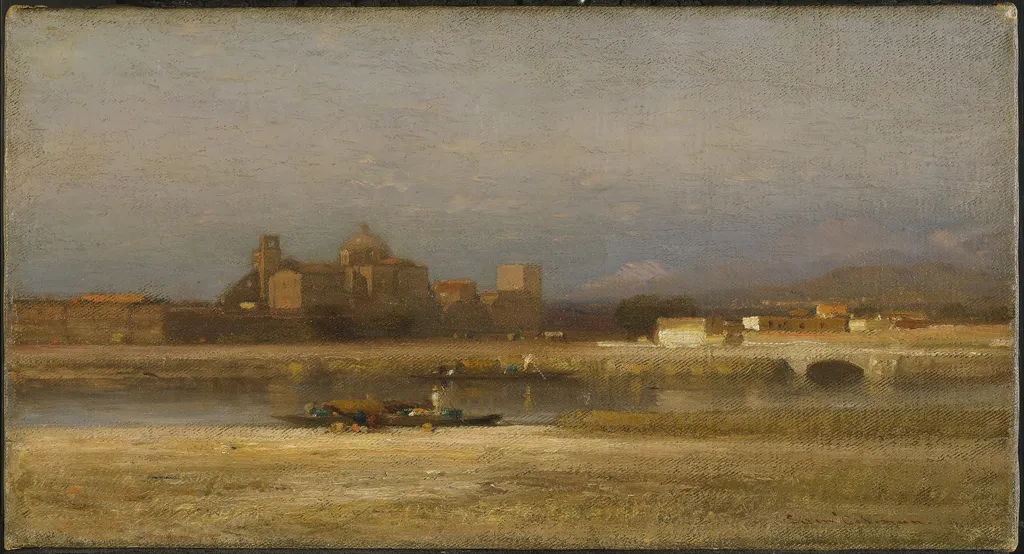
On the Viga, Outskirts of the City of Mexico is an oil painting by the American Impressionist artist Samuel Colman. It dates from 1896 and is held in the collection of the Brooklyn Museum.
About this work
Overview
Samuel Colman’s 1896 oil on canvas, *On the Viga, Outskirts of the City of Mexico*, presents a quiet riverside scene on the periphery of Mexico City. The composition balances a modest boat, a spanning bridge, and a prominent church against a muted, overcast sky, inviting the viewer to contemplate the everyday landscape beyond the urban core.
Subject & Meaning
The work captures a moment of ordinary life along the Viga River, where commerce and worship intersect. A small barque drifts near a stone bridge, while a sizable church rises behind, emphasizing the coexistence of transportation, architecture, and religious presence in a peripheral urban setting.
Technique & Style
Executed in the American Impressionist manner, Colman employs loose, visible brushwork that textures the water and sky. A restrained palette of grays, blues, and earth tones conveys the atmospheric haze, while the softened edges and light handling suggest fleeting impressions rather than precise detail.
History & Provenance
Created toward the end of Colman’s career, the painting entered the Brooklyn Museum’s collection, where it remains on view alongside other works by the artist. Its acquisition reflects the museum’s interest in late‑19th‑century American painters who explored scenes beyond the Hudson River tradition.
Artist & collection
Artist
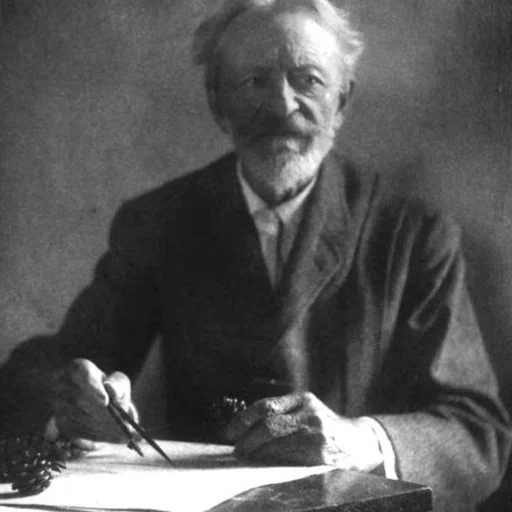
Samuel Colman (March 4, 1832 – March 26, 1920) was an American painter, interior designer, and writer, probably best remembered for his paintings of the Hudson River.

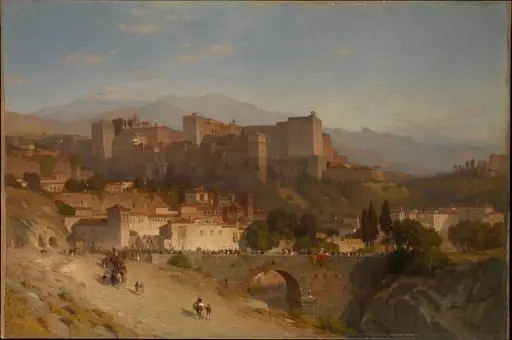
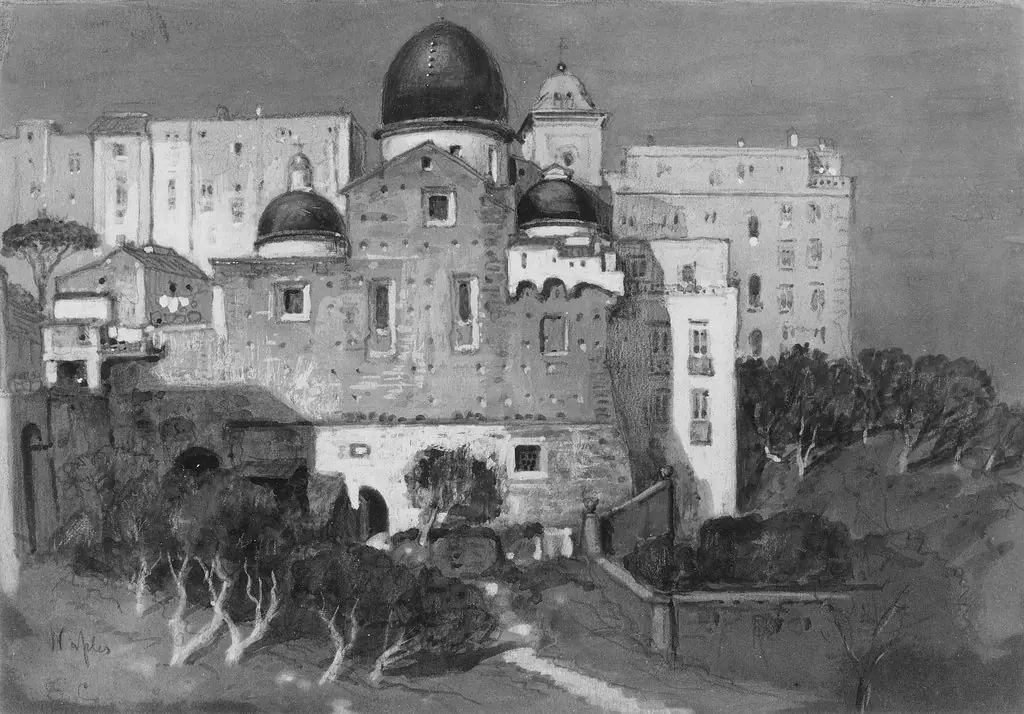
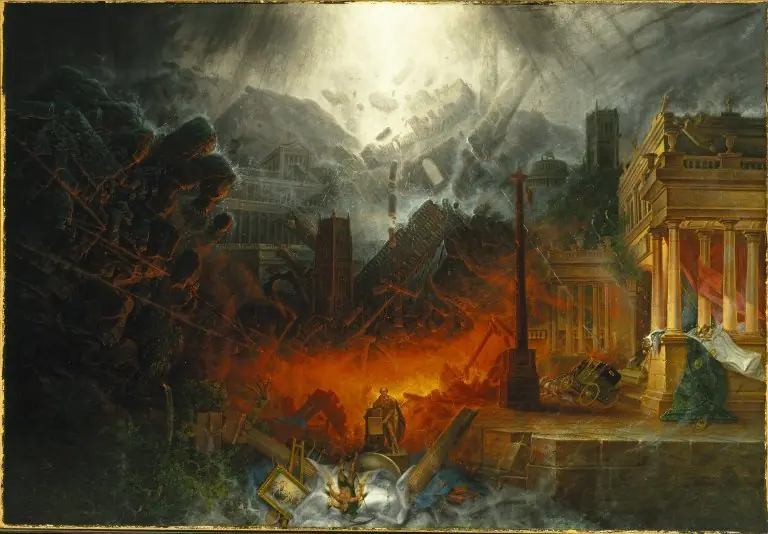
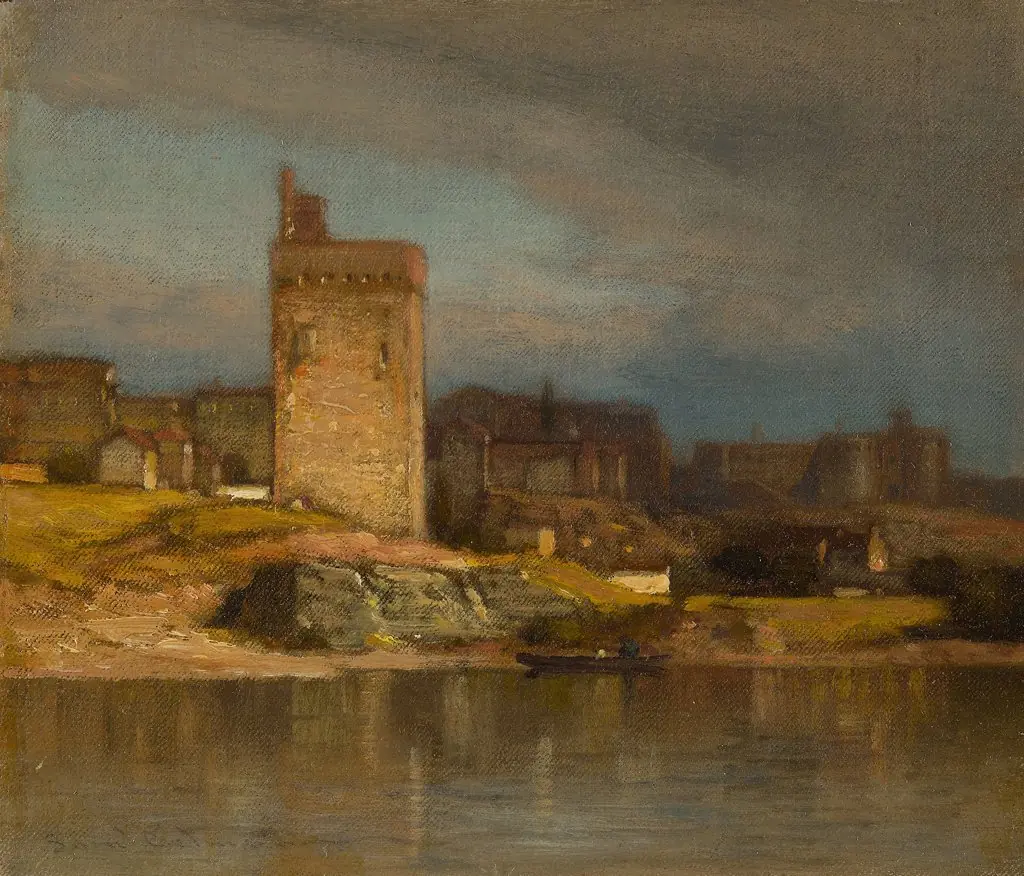
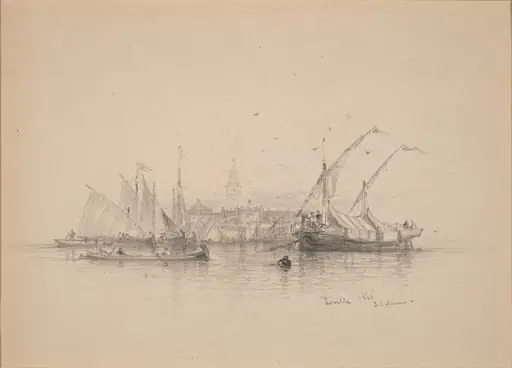
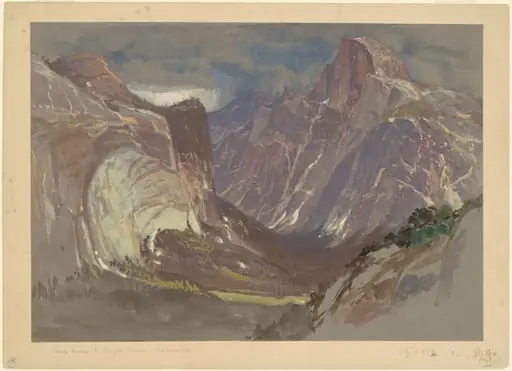
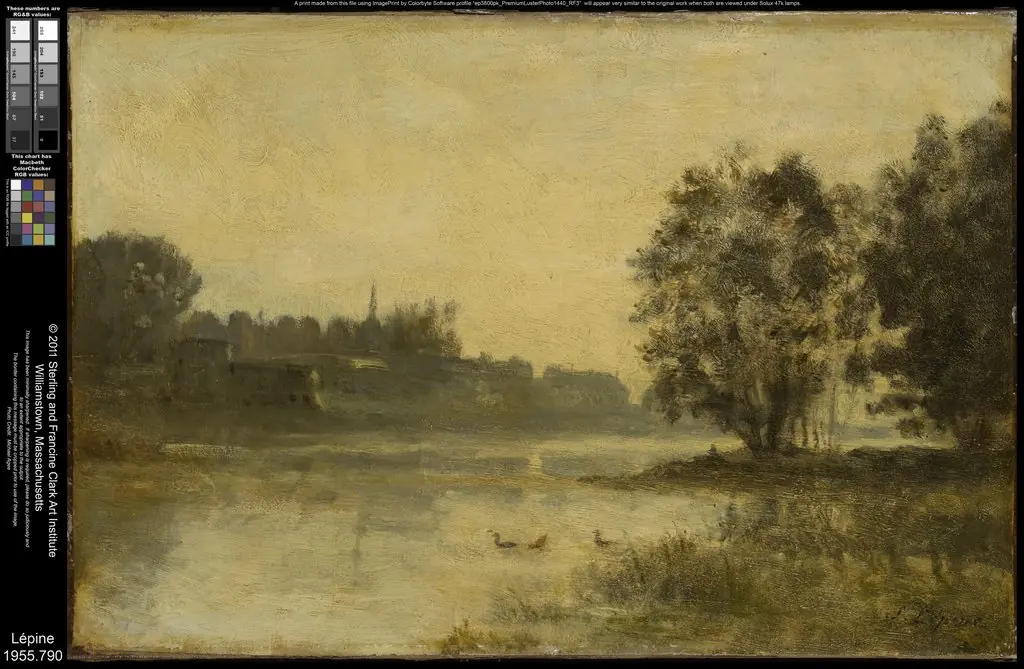 River Scene with Ducks
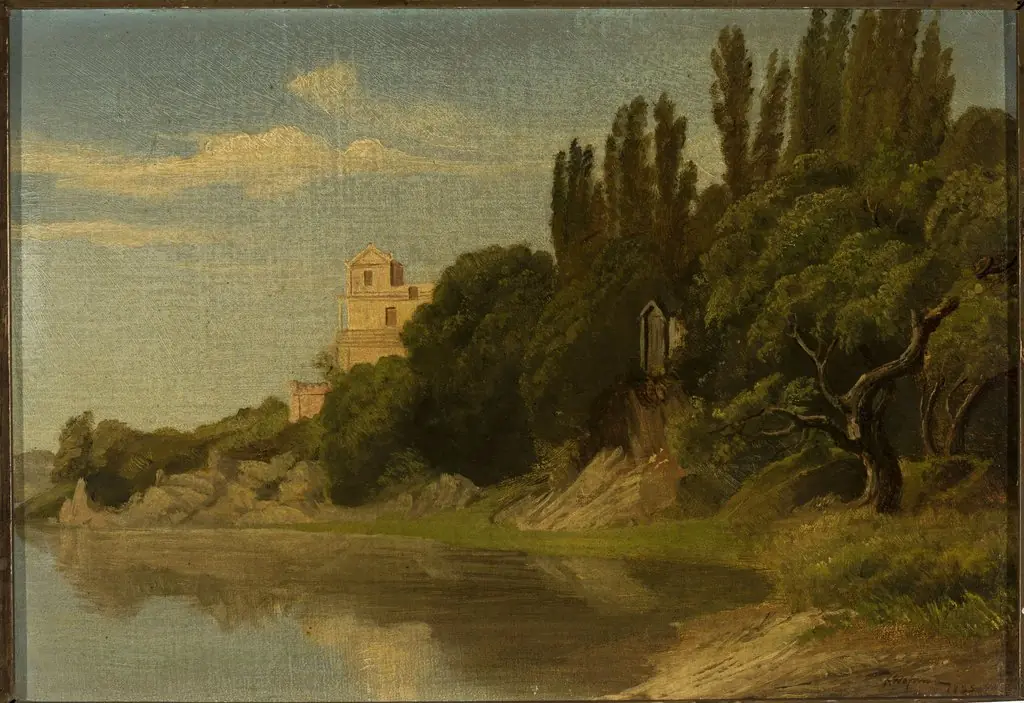 Italian waterside landscape
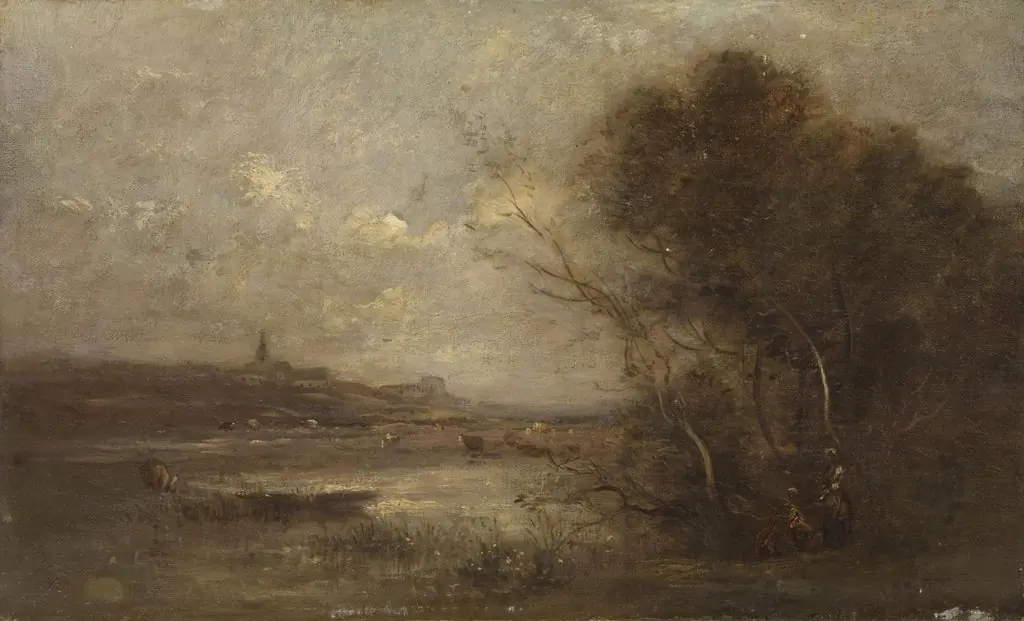 Landscape with a Village
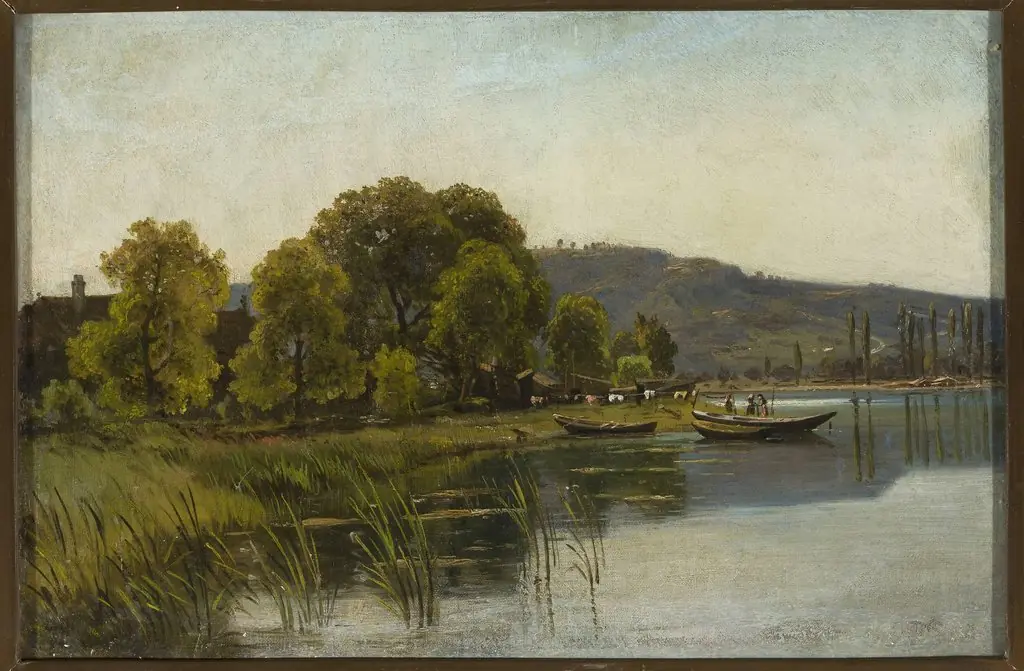 Waterside landscape
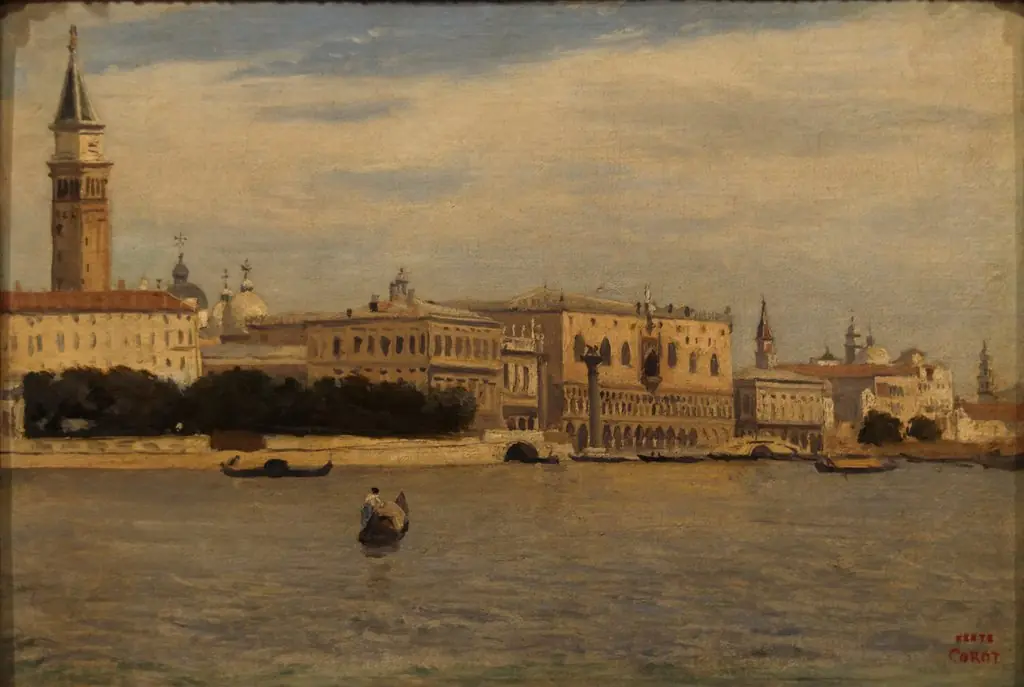 Venice from the Dogana
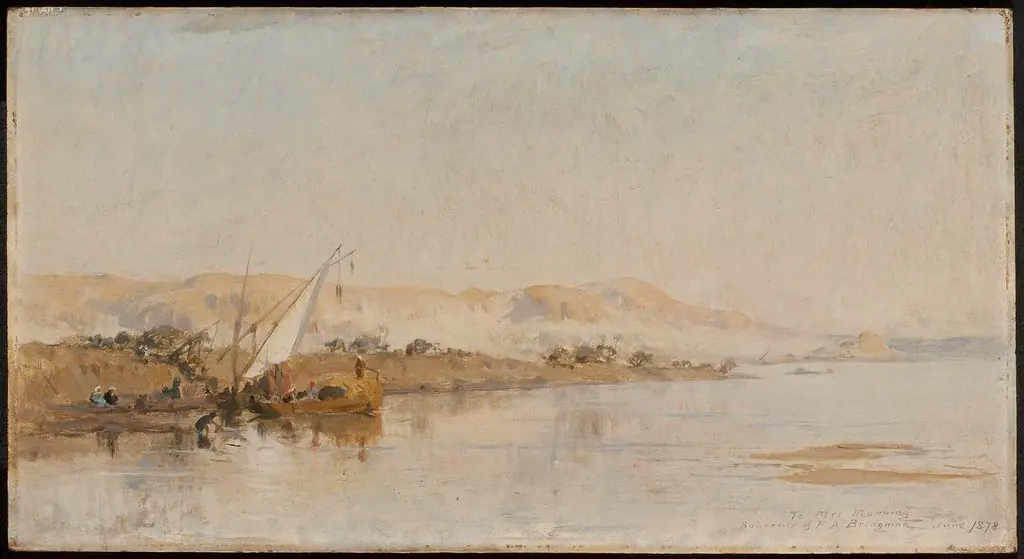 Scene on the Nile
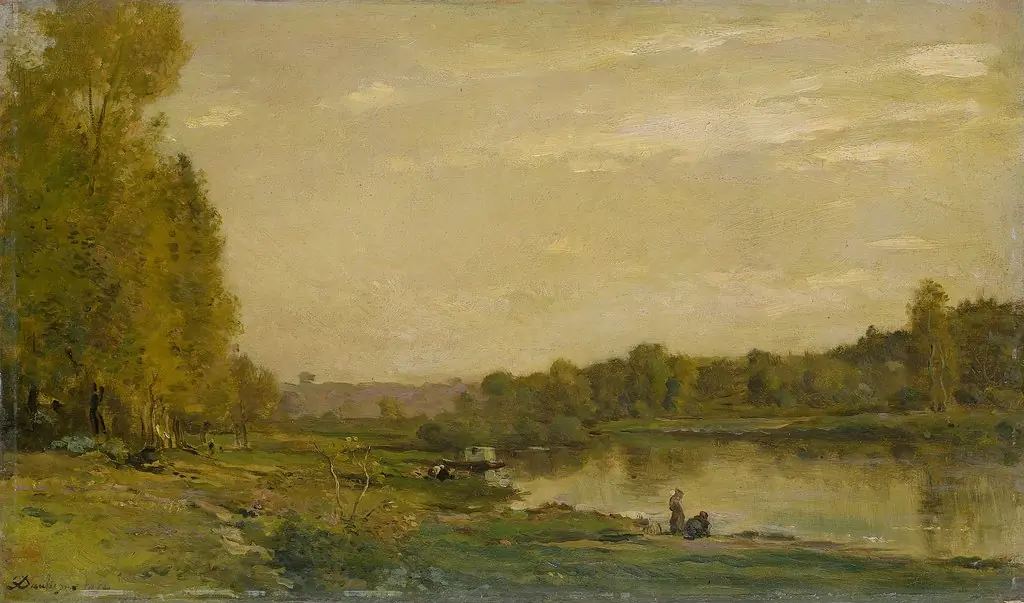 Landscape on the River Oise
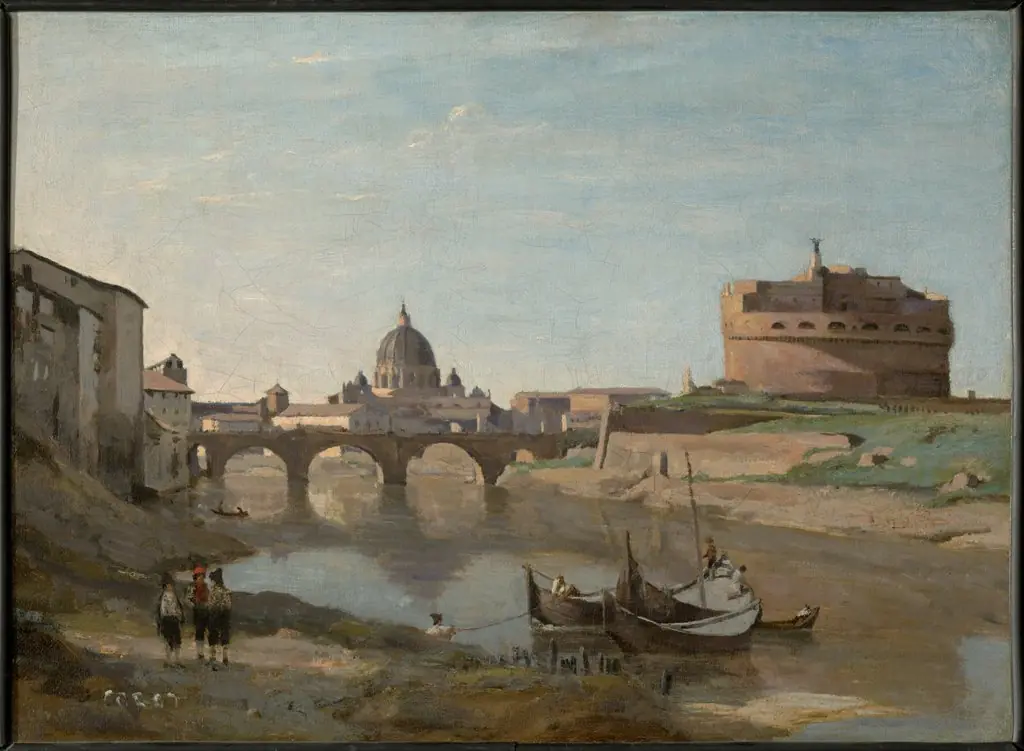 Castel Sant'Angelo, Rome
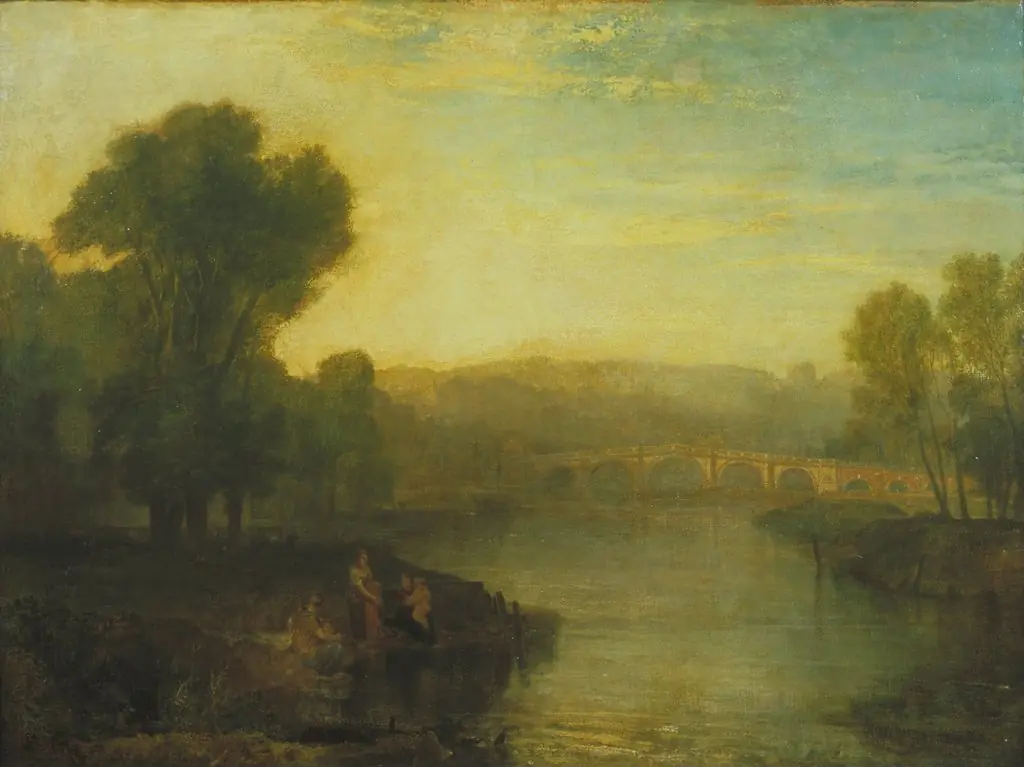 View of Richmond Hill and Bridge
 On the Garigliano
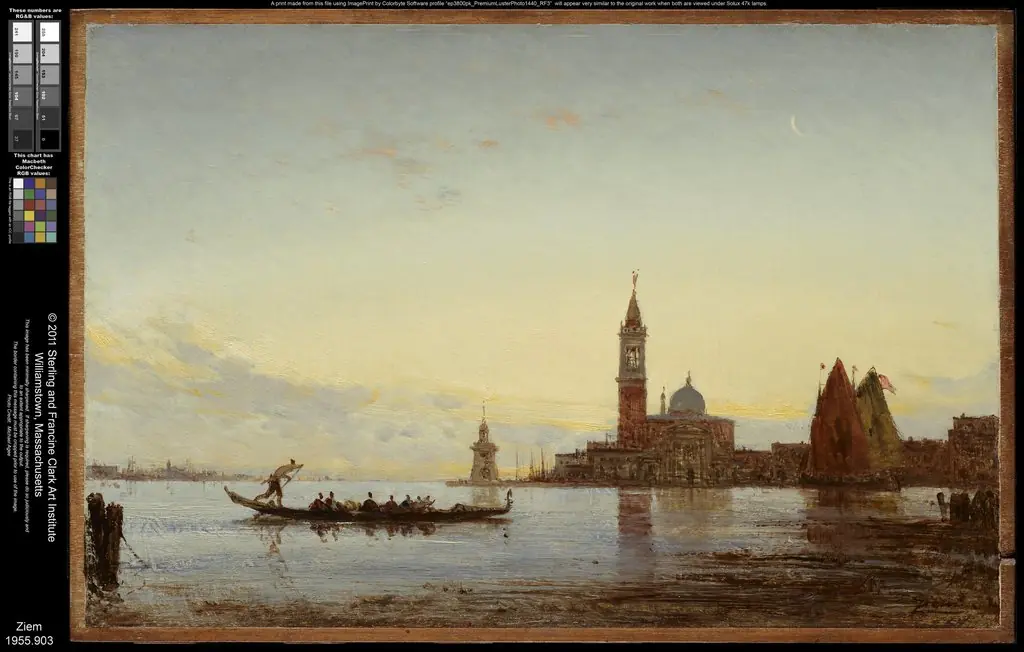 The Grand Canal, Venice (Gondola before San Giorgio)
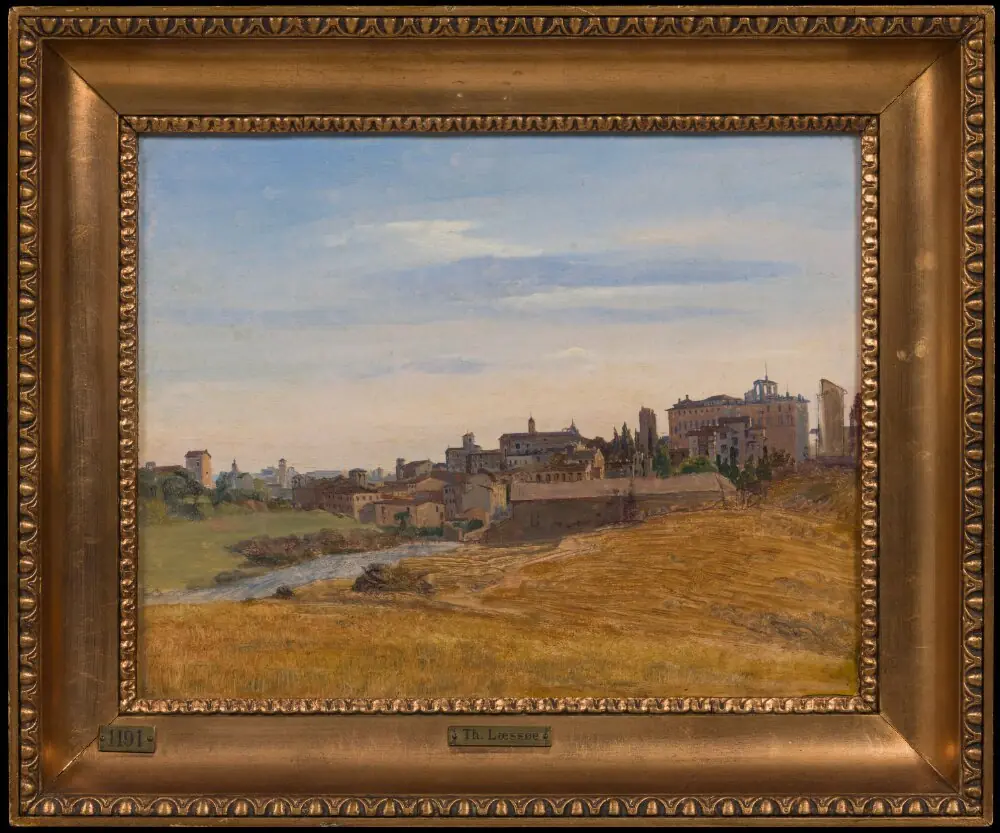 View from the Outskirts of Rome