Artwork
"Old Pat," The Independent Beggar
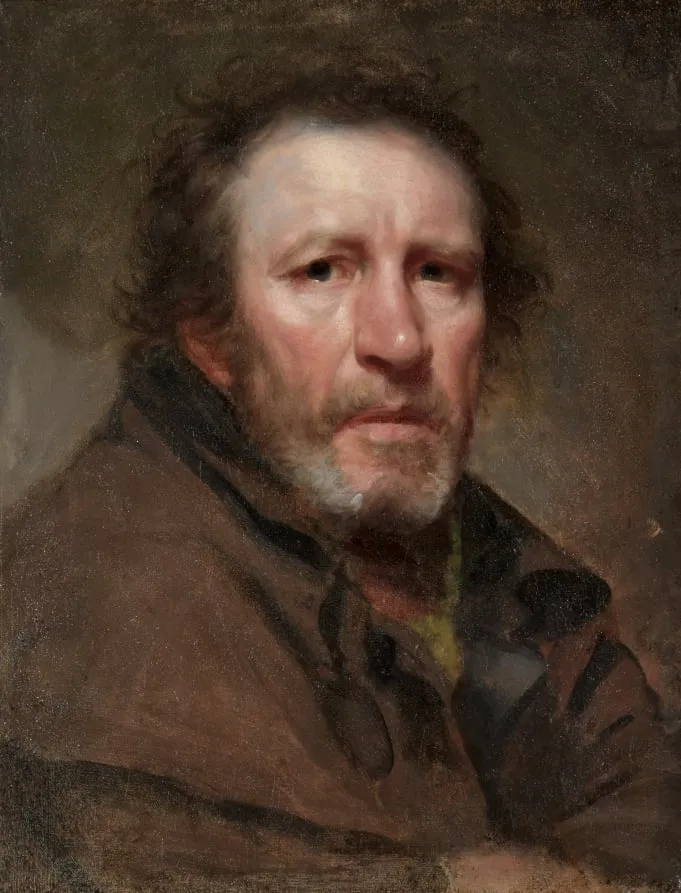
"Old Pat," The Independent Beggar is an unspecified painting by the American Folk Art artist Samuel Lovett Waldo. It dates from 1819 and is held in the collection of the Cleveland Museum of Art. Samuel Waldo, known for portraits of New York’s elite, turned his attention to an elderly street beggar, possibly named Patrick MacGregor.
About this work
This painting shows a thin older man in worn clothes sitting against a plain wall.
This painting shows a thin older man in worn clothes sitting against a plain wall. His face is rough, his eyes tired. The light picks out his sharp bones and the worn spots on his coat.
Waldo, a successful portrait painter, chose this man as his subject. He wanted people to notice the poor in fast-growing New York. The man may have been Patrick MacGregor, known as "Old Pat."
Look up Samuel Lovett Waldo (American, 1783–1861).
Overview
Samuel Waldo, known for portraits of New York’s elite, turned his attention to an elderly street beggar, possibly named Patrick MacGregor. This work, titled 'Old Pat,' departs from his usual commissions, presenting a raw, unidealized figure. Waldo’s choice to depict a marginalized individual reflects a deliberate engagement with urban poverty during a time of rapid city growth, inviting viewers to confront social realities often ignored by the prosperous.
Subject & Meaning
The sitter, likely Patrick MacGregor, is rendered with physical weariness—sunken cheeks, frayed clothing, and hollow eyes—but his direct, unyielding gaze resists passive sympathy. Waldo avoids romanticizing poverty; instead, he presents a man who is both vulnerable and defiant. The portrait challenges the viewer to see beyond charity or pity, acknowledging the subject’s dignity and agency amid hardship.
Technique & Style
Waldo employs chiaroscuro to emphasize the man’s gaunt frame, with light carving out the sharp angles of his face and the frayed texture of his coat. Brushwork is controlled yet expressive, capturing the grit of worn fabric and the dryness of skin. The plain background isolates the figure, focusing attention on his presence rather than context. The palette is muted, reinforcing the somber tone without melodrama.
History & Provenance
Waldo produced an engraving of 'Old Pat' that circulated widely, suggesting public interest in the image. He later created a companion piece, 'The Beggar's Dessert,' which included symbolic elements like a bare bone and bowl. The original painting remained in private hands, and its survival underscores Waldo’s personal investment in the subject. The work’s repeated reproduction indicates its resonance beyond elite art circles.
Context
In the early 19th century, New York’s expansion masked deepening inequality. While merchants and professionals prospered, homelessness and destitution grew visibly in the streets. Waldo’s portrait emerged amid rising social awareness, aligning with reformist currents that questioned the moral cost of urban progress. His decision to portray a beggar as a subject of serious art was unconventional for a portraitist of his standing.
Legacy
Though Waldo is remembered primarily for his affluent portraits, 'Old Pat' stands as a quiet anomaly in his oeuvre. It anticipates later 19th-century realist traditions that sought to document everyday hardship with dignity. The painting’s endurance lies in its refusal to simplify its subject—neither glorifying nor condemning, but presenting a human face to a problem often rendered invisible.
Artist & collection

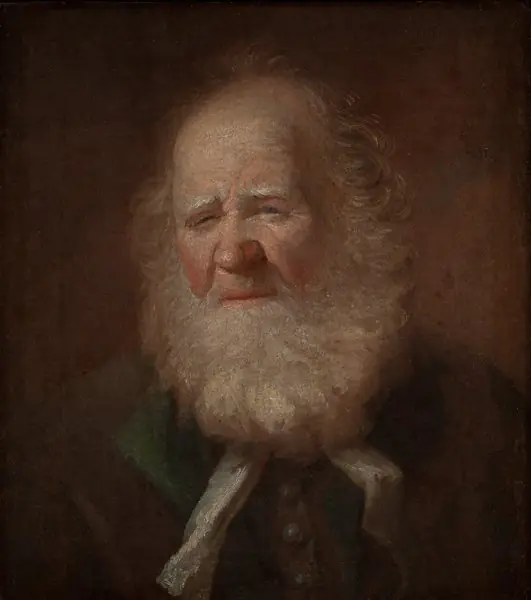 Portræt af Christian Jacobsen Drakenberg
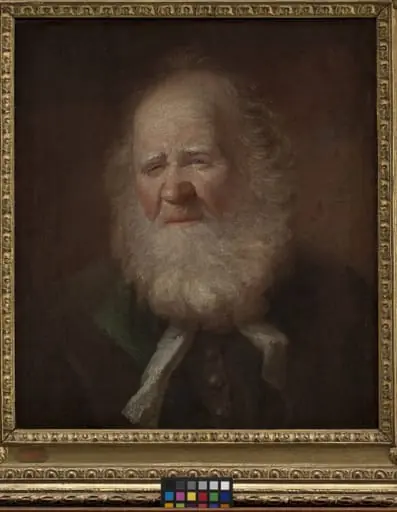 Portræt af Christian Jacobsen Drakenberg
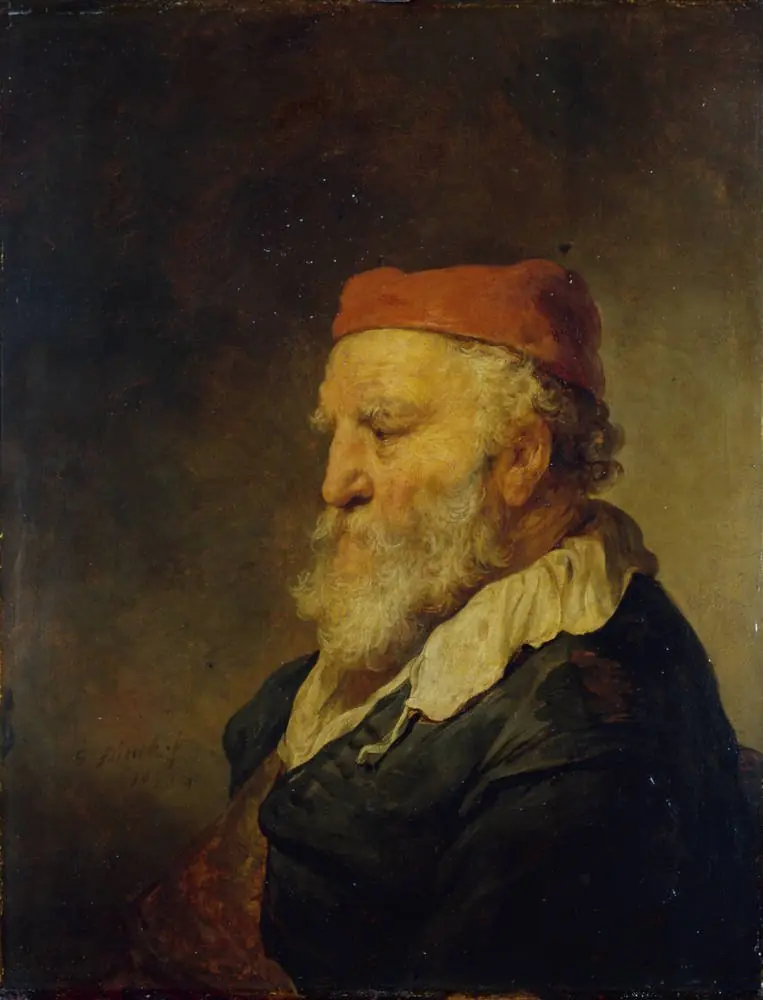 Old man with a red cap
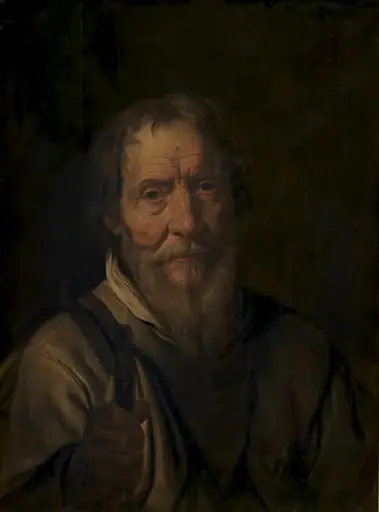 Portrait of an Old Man. Christian Jacobsen Drakenberg (?)
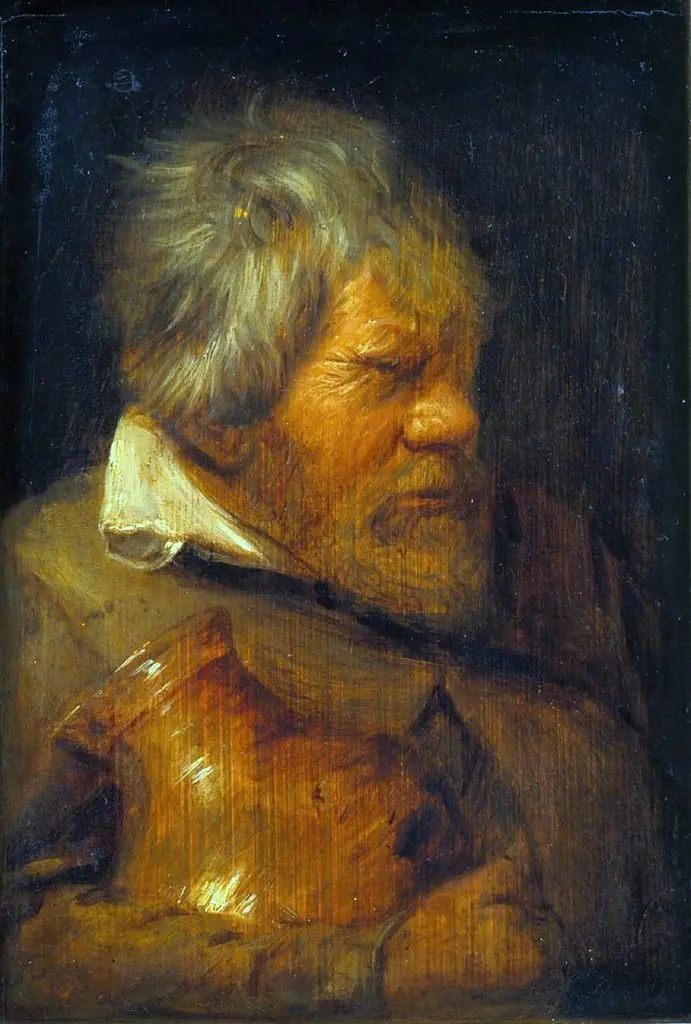 Old man with a beard
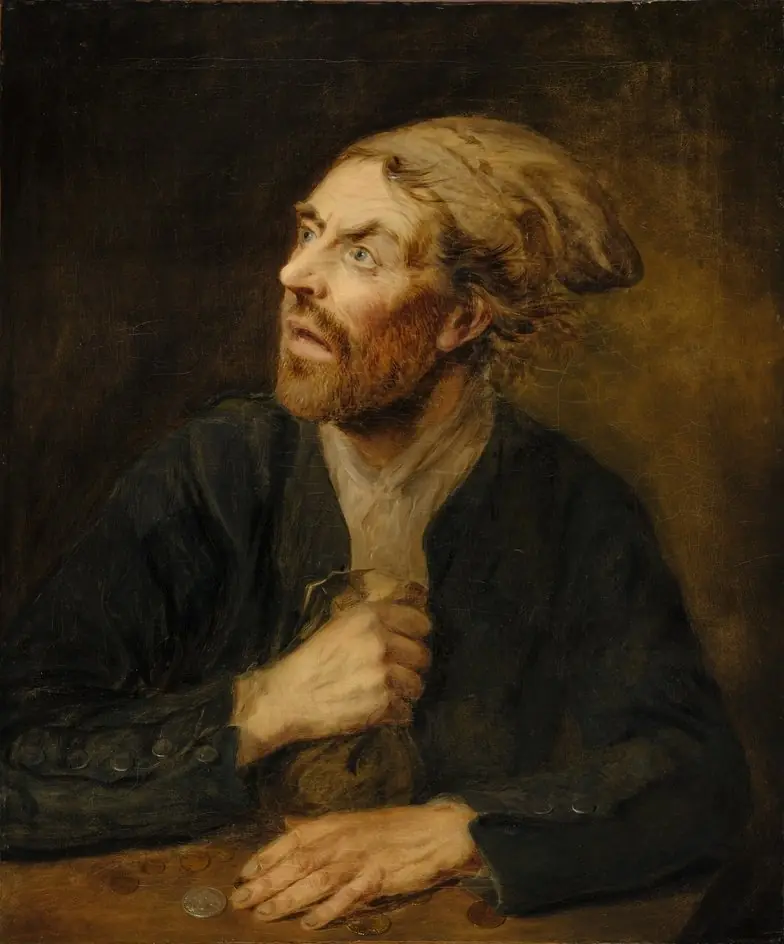 The Miser
 Study of a Shepherd
 Țăran din Carrara. Pandant: Bătrân din Ciociara (în registrul inventar: Un bătrân)
 En gammel invalid. Portræt af en soldat