Artwork
The Gallery at Strawberry Hill
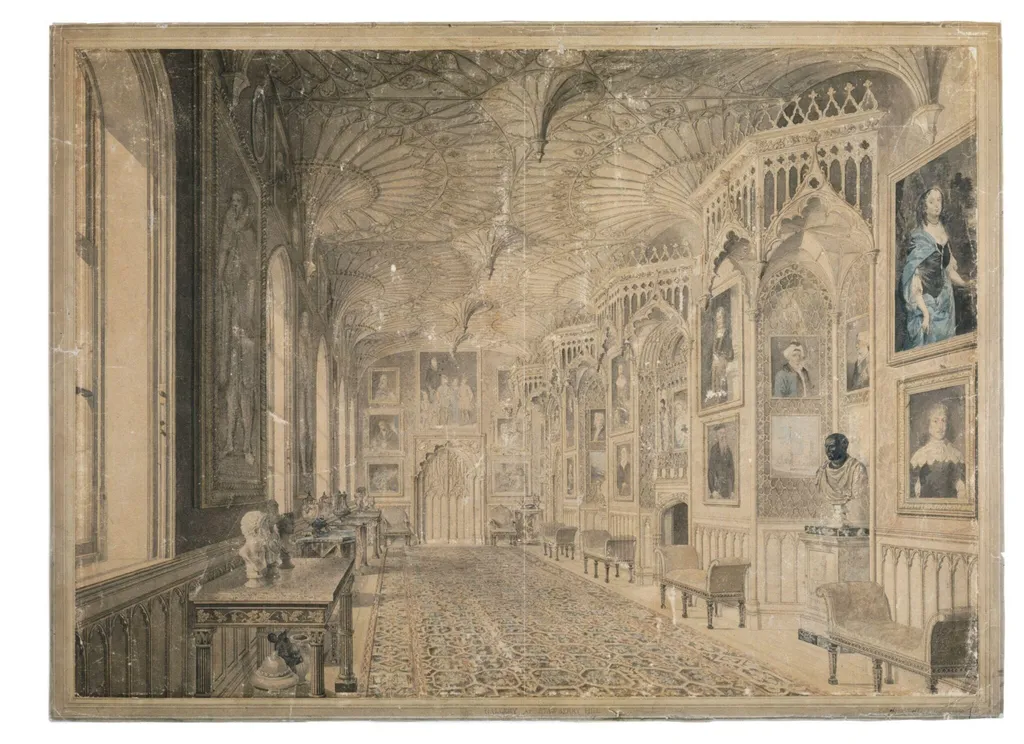
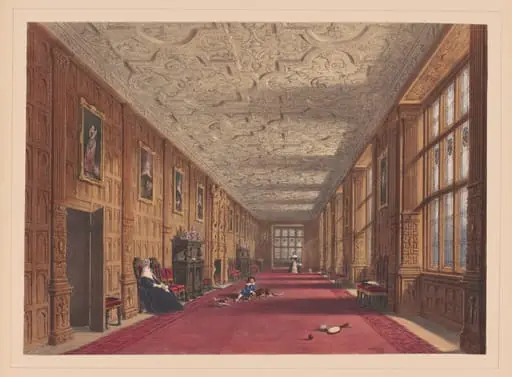
The Gallery at Strawberry Hill is a watercolor work on paper by the Rococo painting artist Thomas Sandby. It dates from 1781 and is held in the collection of the Victoria and Albert Museum.
About this work
Overview
Thomas Sandby created this watercolour in 1781, capturing the interior of the Gallery at Strawberry Hill, Horace Walpole’s Gothic Revival villa.
Thomas Sandby created this watercolour in 1781, capturing the interior of the Gallery at Strawberry Hill, Horace Walpole’s Gothic Revival villa. Executed in delicate washes, the work documents the room’s curated collection of art and antiquities. It was acquired by the collection on 31 December 1904, having previously passed through the estate of Lord Waldegrave after Walpole’s death. The piece later appeared as Plate 2 in Neville Lytton’s 1911 publication on watercolour techniques.
Subject & Meaning
The painting portrays a long, vaulted room lined with gilded frames holding portraits and allegorical scenes. A central table displays scattered objects—possibly relics or curiosities—while a statue stands near a window. The arrangement reflects Walpole’s antiquarian tastes, but the dim light and undisturbed surfaces suggest the space had become a static monument rather than a lively salon. It conveys the quiet decay of a once-active collecting culture.
Technique & Style
Sandby employed transparent watercolour washes to render the room’s architectural details with precision. The ceiling’s ornate carvings, patterned floor, and textured wall surfaces are suggested through layered glazes rather than heavy outlines. Subtle tonal shifts convey dust and diminished light, while the gold frames are hinted with pale touches of pigment. The style balances topographical accuracy with atmospheric mood, typical of 18th-century topographical watercolours.
History & Provenance
The watercolour was part of the dispersal sale of Strawberry Hill’s contents after Horace Walpole’s death, acquired by Lord Waldegrave. It remained in his family until its purchase by the collection in 1904. Its inclusion in Neville Lytton’s 1911 book underscores its status as a representative example of British watercolour practice. The work’s journey reflects the shifting ownership and scholarly interest in Walpole’s collection throughout the 19th century.
Context
Strawberry Hill was a pioneering example of Gothic Revival architecture and a private museum for Walpole’s eclectic collection. Sandby, an architect and topographical artist, was commissioned to document its interiors. This work aligns with a broader trend among British antiquarians to record historic interiors as cultural artifacts. The painting serves as both a record of taste and a testament to the transition from private collection to public heritage.
Legacy
The watercolour remains a key visual document of Strawberry Hill’s interior during the late 18th century. Its reproduction in Lytton’s volume helped preserve its visibility in art-historical discourse. While the room’s contents have since been dispersed or relocated, Sandby’s depiction endures as a quiet, detailed record of an influential collector’s world—neither idealized nor romanticized, but observed with sober clarity.
Artist & collection
Artist
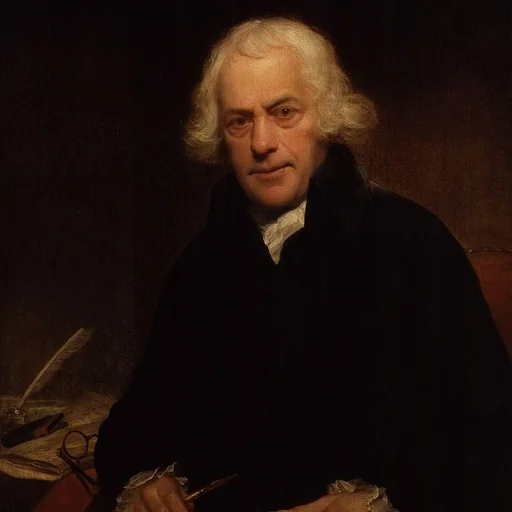
Thomas Sandby (1721 – 25 June 1798) was an English draughtsman, watercolour artist, architect and teacher.

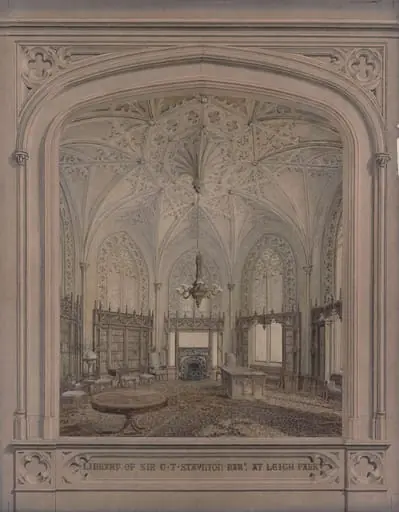 Library of Sir George Thomas Staunton, Bart, at Leigh Park
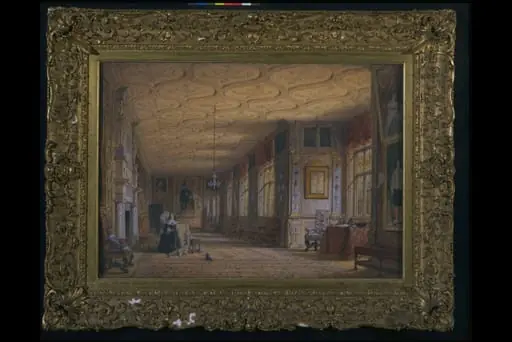 The Cartoon Gallery at Knole
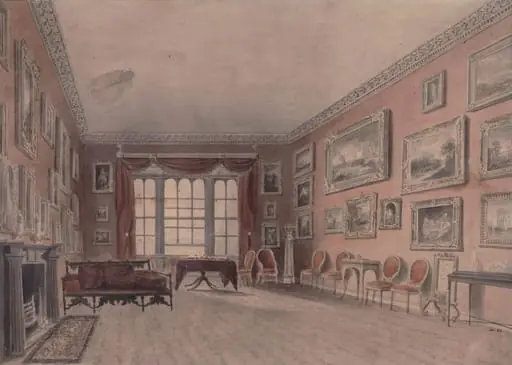 The Gallery at the Browsholme, near Clitheroe
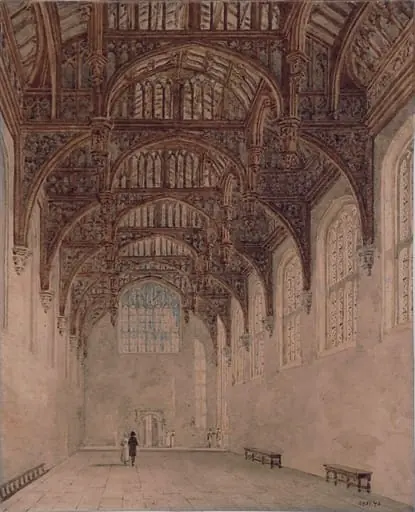 The Great Hall, Hampton Court Palace
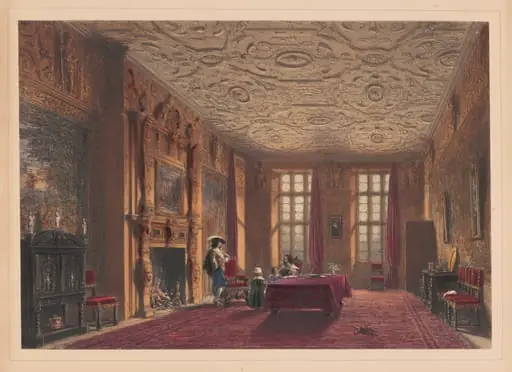 The Drawing Room, Aston Hall, Warwickshire
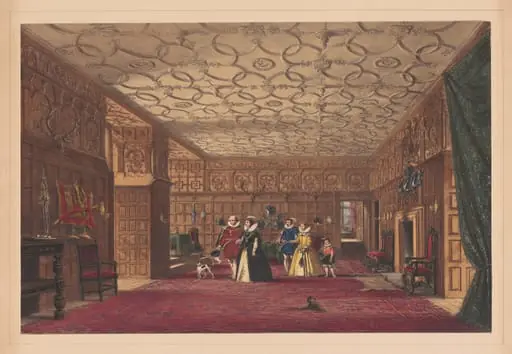 The Hall, Levens, Westmorland
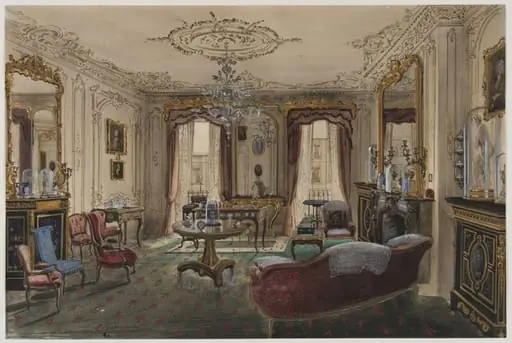 Untitled
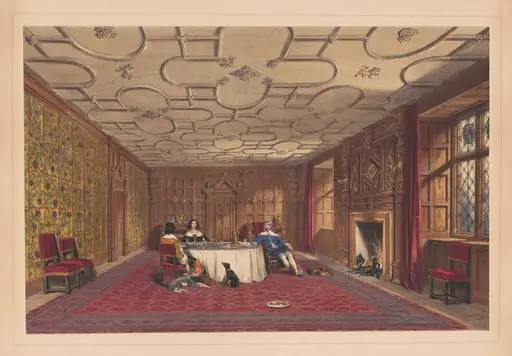 The Dining Room, Levens, Westmorland
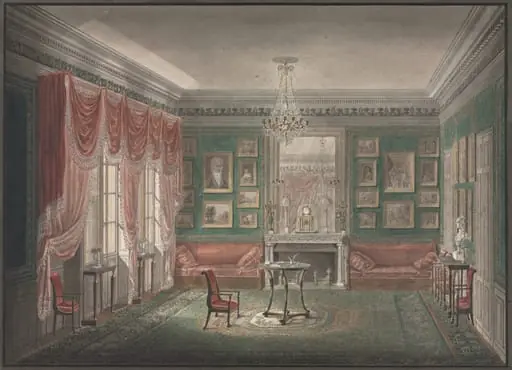 Interior View
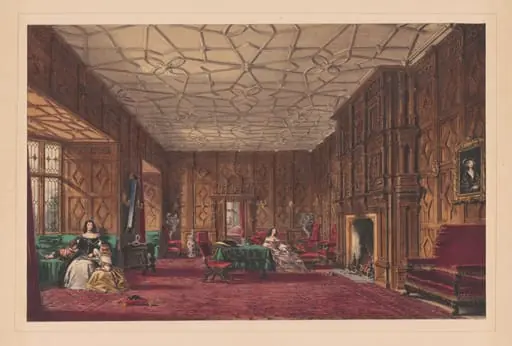 The Drawing Room, Levens, Westmorland
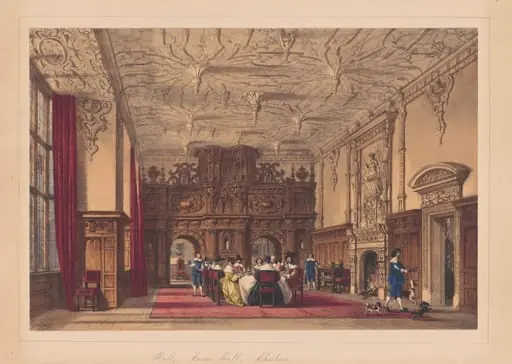 Hall, Crewe Hall, Cheshire
 Gallery, Aston Hall, Warwickshire