Artwork
Park Landscape with House, Church, and Ornamental Water
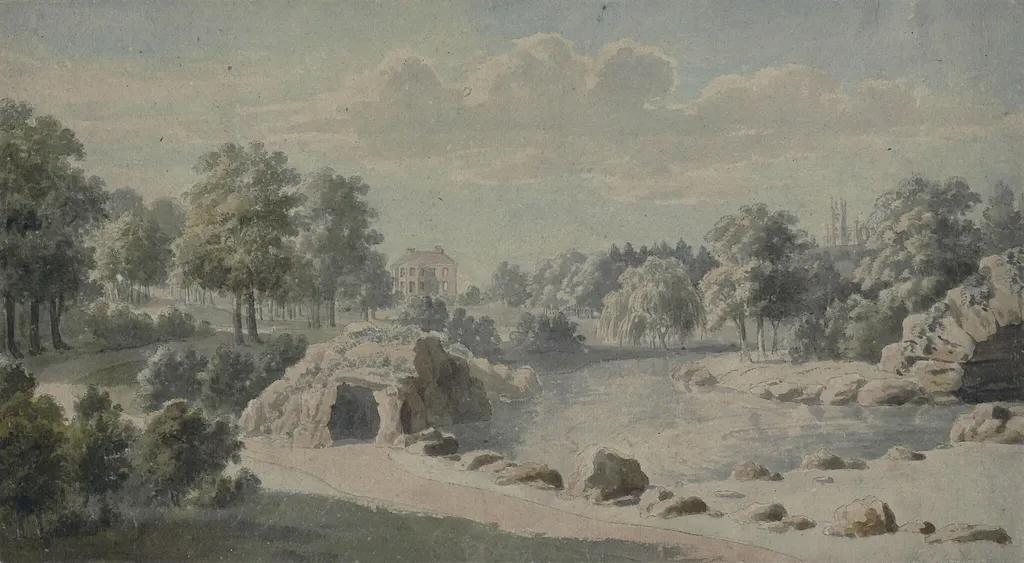
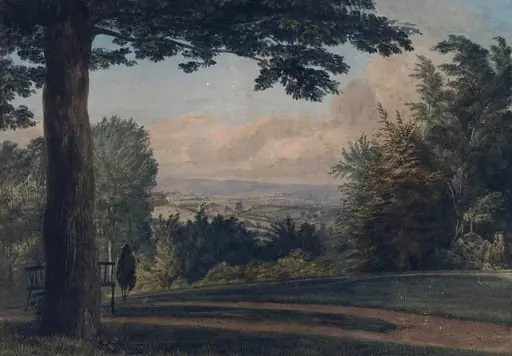
Park Landscape with House, Church, and Ornamental Water is a watercolor work on paper by the Rococo painting artist Thomas Sandby. It dates from 1750 and is held in the collection of the Victoria and Albert Museum.
About this work
Overview
Created in 1750, this watercolour by Thomas Sandby depicts a cultivated English park scene featuring a domestic residence, a church, and a reflective body of water. Executed in delicate washes, the work is signed in pencil by the artist, confirming its authorship. The composition balances architectural elements with natural forms, reflecting the era’s interest in orderly, picturesque landscapes.
Subject & Meaning
The inclusion of both house and church suggests a harmonious social order, while the ornamental water implies leisure and aesthetic intentionality.
The scene presents an idealized rural retreat, combining private residence and ecclesiastical structure within a managed parkland. The inclusion of both house and church suggests a harmonious social order, while the ornamental water implies leisure and aesthetic intentionality. The absence of human figures enhances the quiet, contemplative mood, aligning with 18th-century ideals of pastoral serenity.
Technique & Style
Sandby employed transparent watercolour washes to build subtle tonal gradations, particularly in the foliage and water. Delicate brushwork defines tree canopies and architectural details without heavy outline, allowing the paper’s white to suggest light. The palette is restrained—greens, blues, and soft earth tones—creating a unified, atmospheric effect characteristic of topographical watercolour traditions of the period.
History & Provenance
The work dates from Sandby’s early career, when he was actively engaged in documenting aristocratic estates and landscape design. Though specific ownership history is not documented, its survival in good condition suggests it was preserved within a private collection. The pencil signature aligns with Sandby’s practice of marking works intended for personal or patron use rather than public sale.
Context
In mid-18th-century England, watercolour was gaining recognition as a medium for landscape recording, especially among amateur and professional topographers. Sandby, a founding member of the Watercolour Society, helped elevate the form beyond mere documentation. This piece reflects the growing cultural value placed on designed landscapes as expressions of taste and social status.
Legacy
Sandby’s watercolours contributed to the development of British landscape art by bridging topographical precision with aesthetic sensitivity. Though less widely known than later Romantic painters, his work influenced contemporaries and successors in the treatment of natural scenery. This piece exemplifies the quiet, observational approach that helped define early British watercolour practice.
Artist & collection
Artist
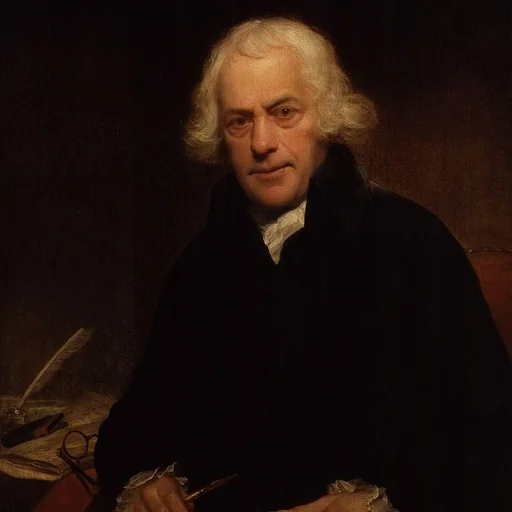
Thomas Sandby (1721 – 25 June 1798) was an English draughtsman, watercolour artist, architect and teacher.

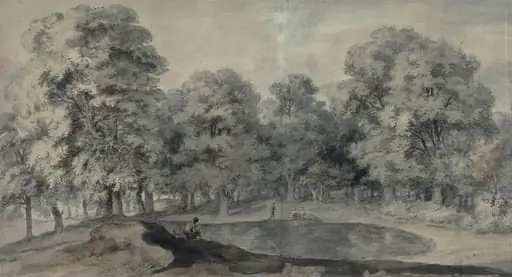 Leg of Mutton Pond, Hampstead Heath
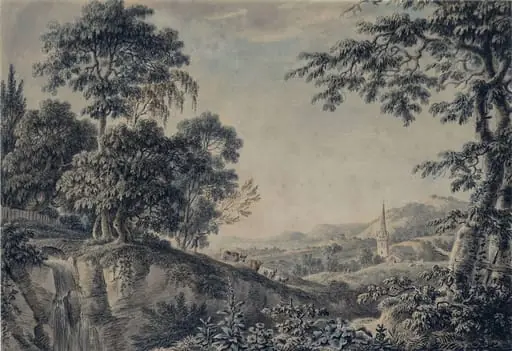 Landscape with church and cattle
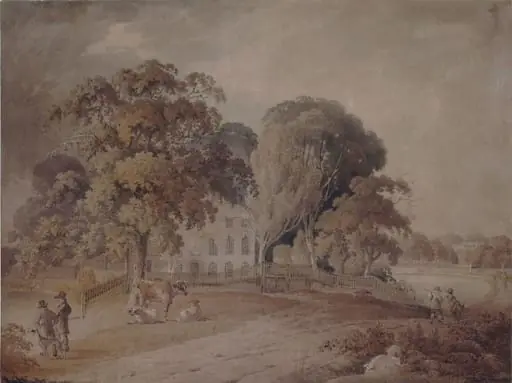 Lake House, Epping
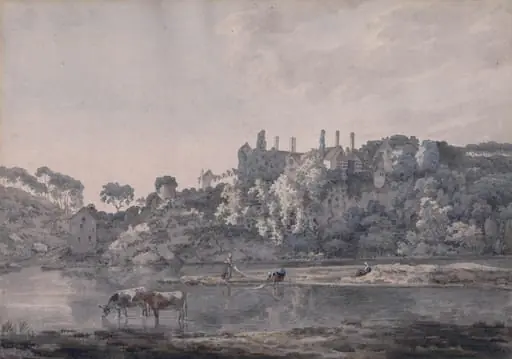 Lismore Castle on the Blackwater in the County of Waterford, Ireland
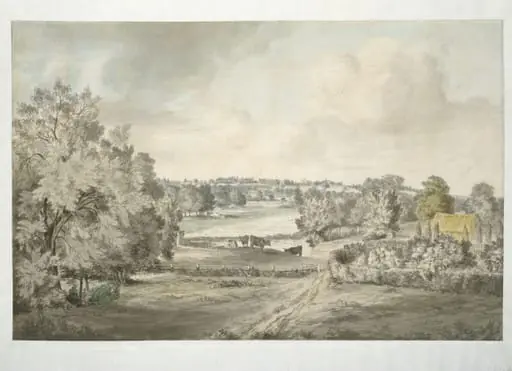 The valley of the Stour, looking towards East Bergholt
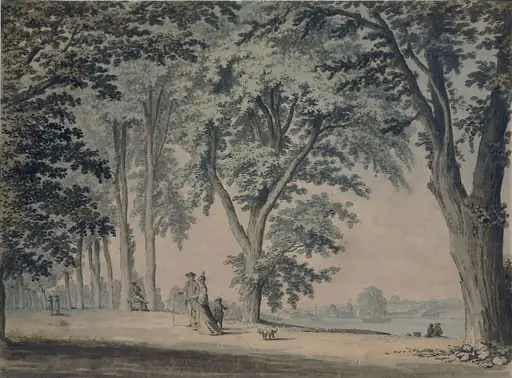 Trees by the Thames, opposite Hammersmith
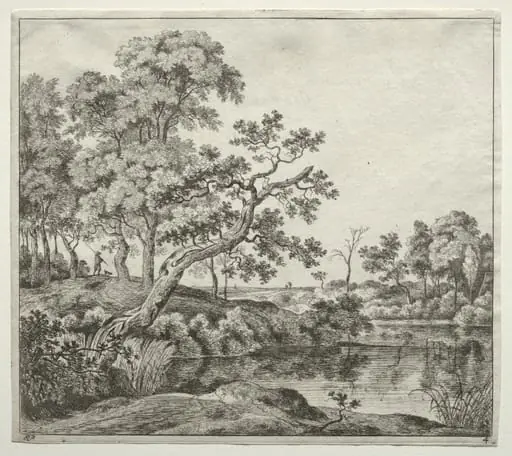 The Bent Tree
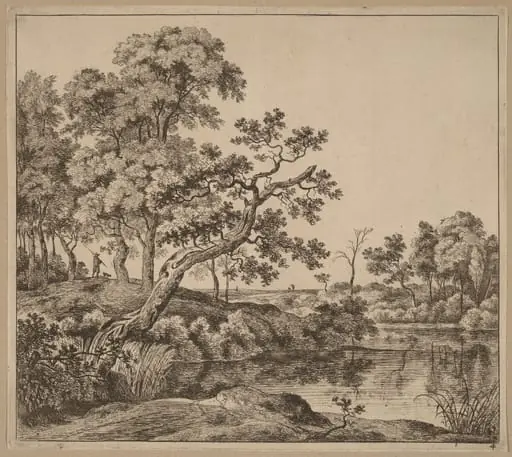 Landscape with a Bending Tree
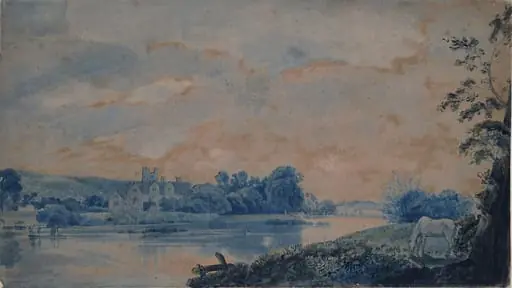 Bisham Abbey, on the Thames
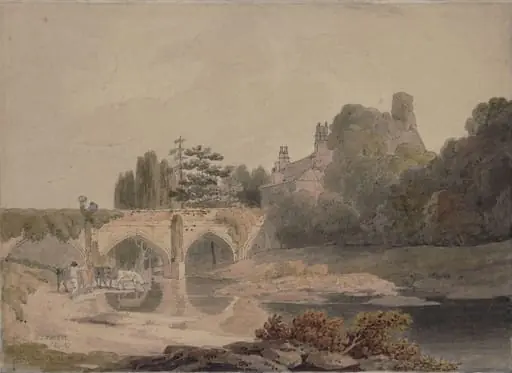 Eltham bridge, Kent
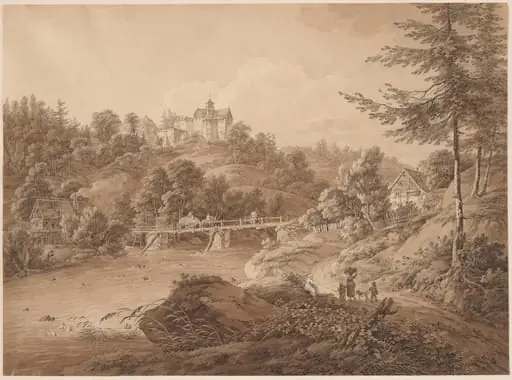 Rauenstein Castle Seen from the River's Edge
 Park Landscape