Artwork
Interior View
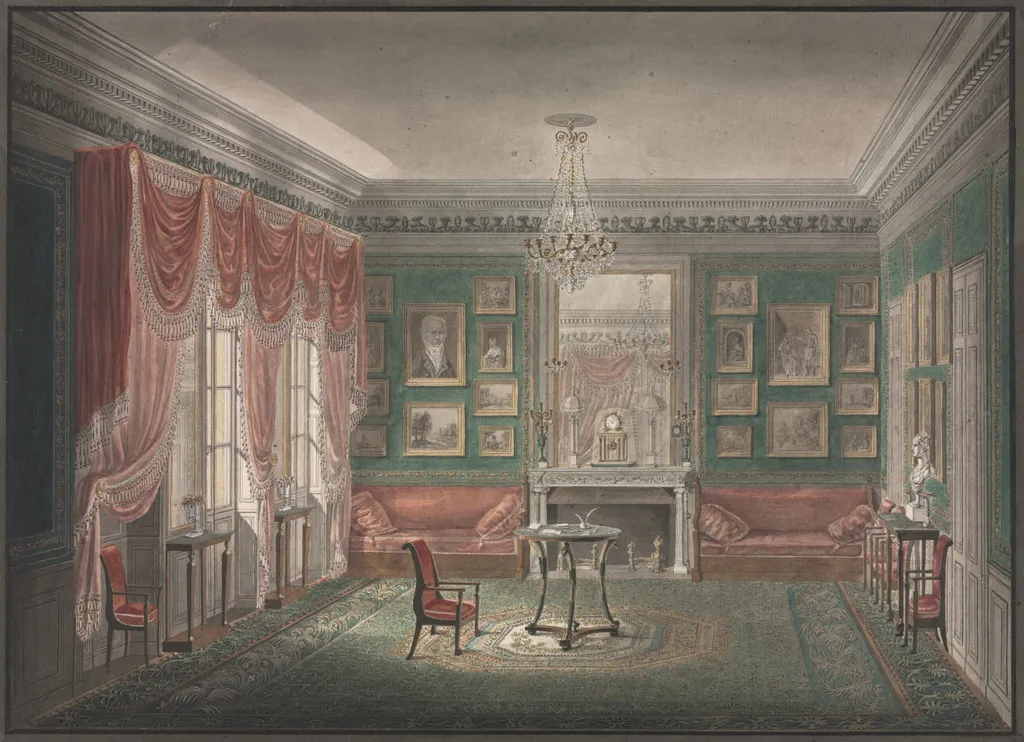
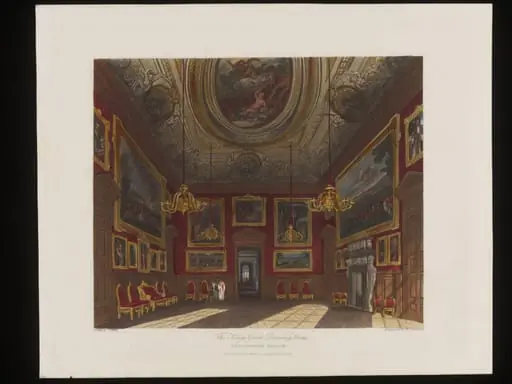
Interior View is a drawing by the Romanticist artist Unknown. It dates from 1808 and is held in the collection of the Cleveland Museum of Art. This drawing depicts an interior space with refined architectural details and carefully arranged furnishings.
About this work
Overview
This drawing depicts an interior space with refined architectural details and carefully arranged furnishings. The composition emphasizes symmetry and decorative richness, capturing a domestic environment associated with upper-class life in the 19th century. Light enters through large windows, illuminating the room’s textures and enhancing its sense of order and elegance.
Subject & Meaning
The scene portrays a formal parlor, likely intended for social gatherings or reception of guests. Elements such as framed portraits, a chandelier, and heavy drapery suggest status and tradition. The absence of people focuses attention on the space itself as a symbol of cultivated taste and domestic authority, reflecting societal values around propriety and display.
Technique & Style
The artist employs precise linework and subtle tonal gradations to render surfaces like wood, fabric, and metal. Attention to pattern—wallpaper, rug, and frame details—demonstrates a commitment to realism. The use of light creates depth and warmth, guiding the viewer’s eye across the room without dramatic contrast, aligning with restrained 19th-century draftsmanship.
History & Provenance
Though the artist and date are not specified, the interior’s furnishings and decor align with European domestic interiors of the early to mid-1800s. Similar drawings were often made as studies for larger works or as independent records of interiors in private homes, possibly commissioned or created for personal documentation.
Context
This drawing reflects broader trends in Romantic-era art, where intimate, well-appointed interiors became subjects of quiet admiration. Artists turned away from grand historical narratives to explore the emotional resonance of everyday spaces, valuing atmosphere and detail over spectacle. Such works appealed to audiences seeking connection with domestic ideals of comfort and refinement.
Legacy
Drawings like this contributed to the documentation of interior design history, preserving how spaces were arranged and perceived in their time. They remain valuable for scholars studying material culture, social hierarchy, and the evolution of domestic aesthetics in the 19th century, offering a quiet but enduring record of lived environments.
Artist & collection

 Domestic Scene
 Giacomo and Cardinal Marco, investing Andrea, Abbot of San Zeno, with his Benefice
 The Nymph of Fontainebleau
 Portrait of a Woman
 Madonna and Child with Saints in the Enclosed Garden
 Venus and Minerva
 Family Group of Four on Sofa
 Wall painting from Room H of the Villa of P. Fannius Synistor at Boscoreale
 The Gallery at the Browsholme, near Clitheroe
 Untitled
 View of a room at Christ Church, Oxford
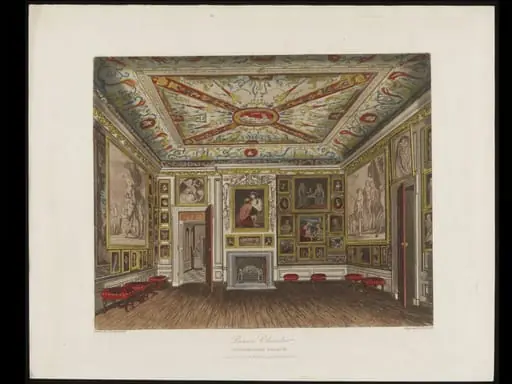 View of the Presence Chamber
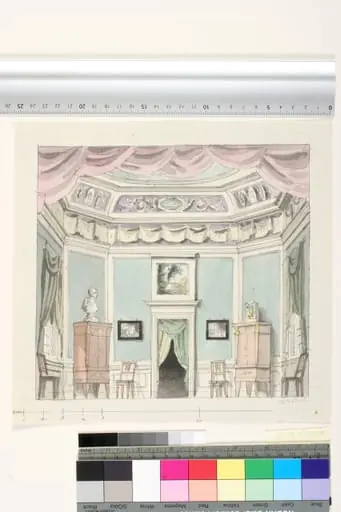 Stuedekoration
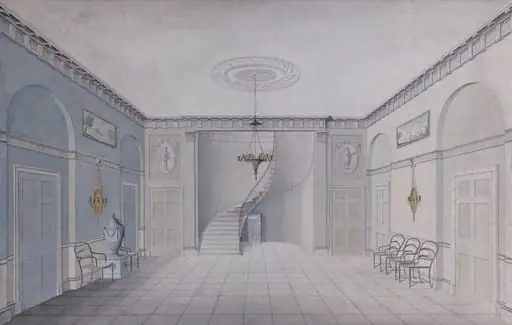 The entrance hall at Lythwood, Baystonhill, Shropshire
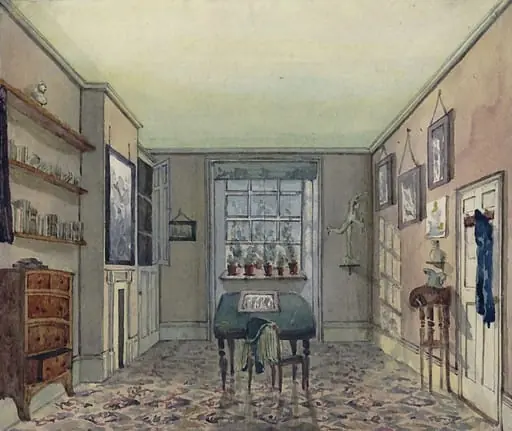 My room in 18 Stamford Street Blackfriars about AD 1829.
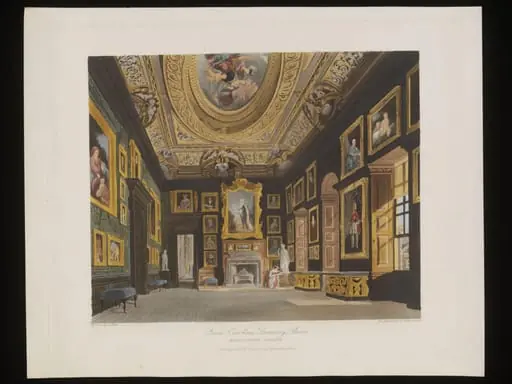 View of Queen Caroline's Drawing Room
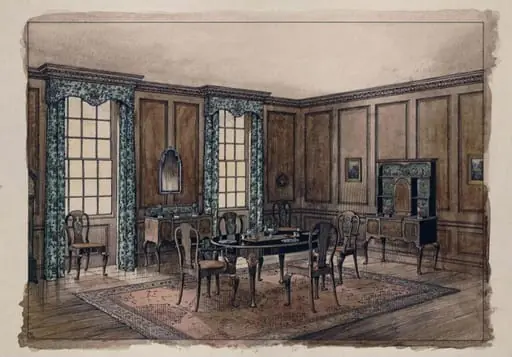 Perspective design for a panelled dining-room to be executed by William Henry Haynes & Co. Design
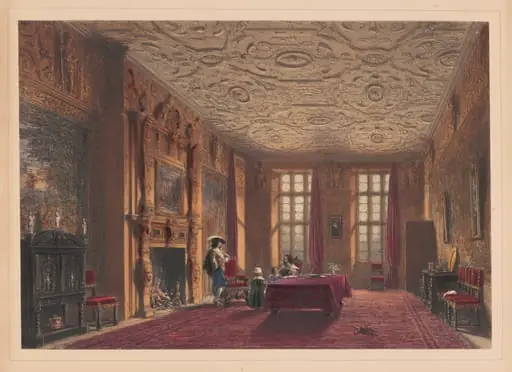 The Drawing Room, Aston Hall, Warwickshire
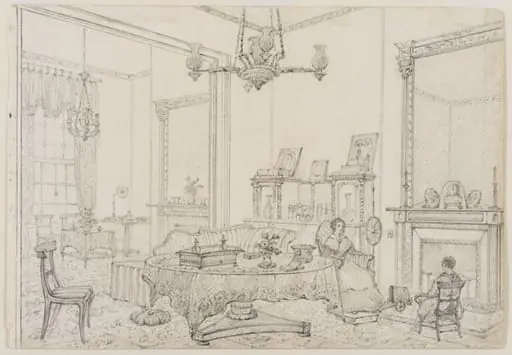 Untitled
 View of the King's Great Drawing Room