Artwork
Daniel Schnabel
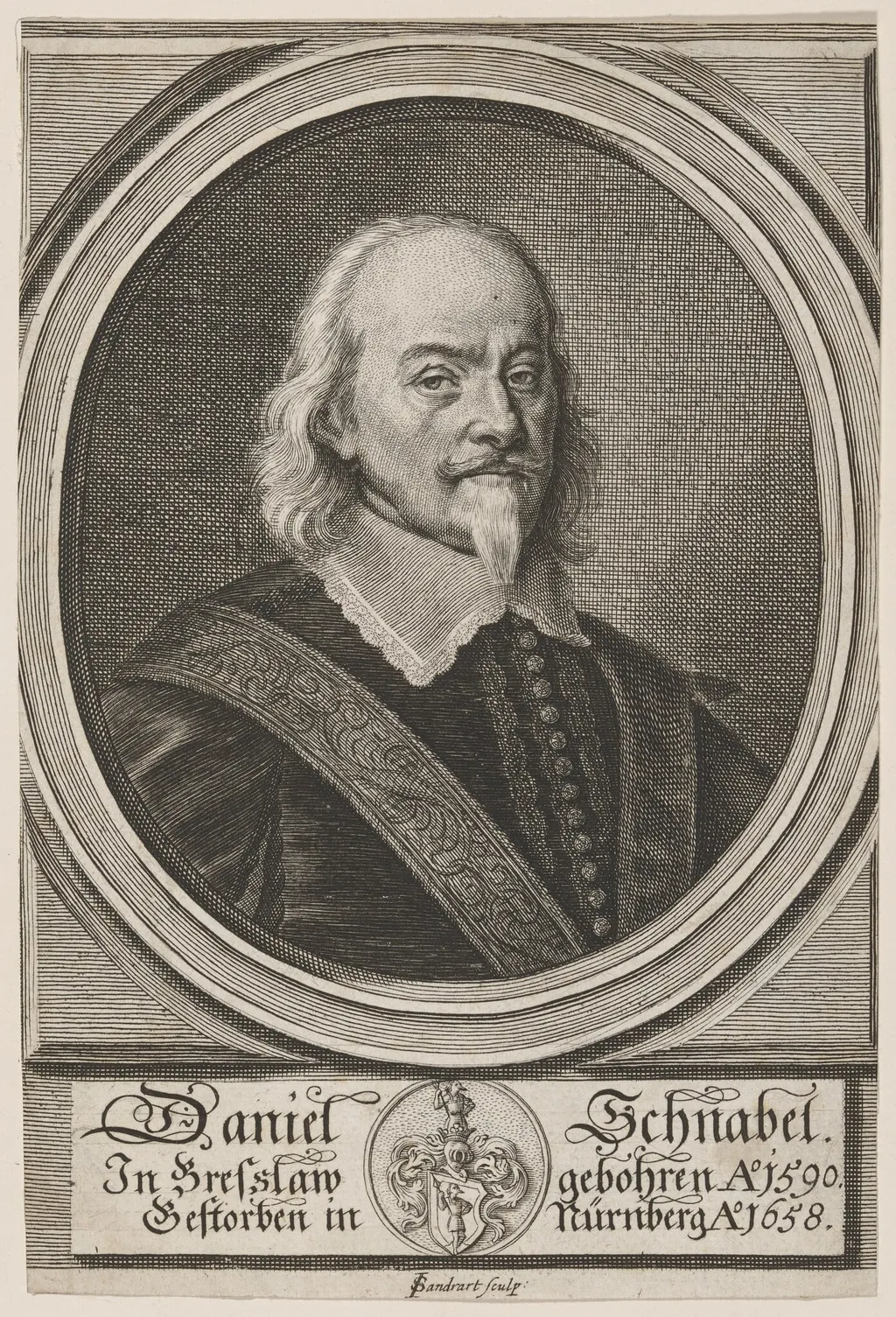
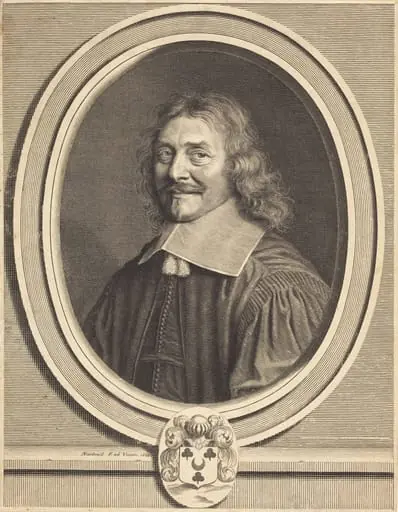
Daniel Schnabel is an ink print by the Baroque artist Jacob von Sandrart. It dates from 1658 and is held in the collection of the National Gallery of Art.
About this work
Overview
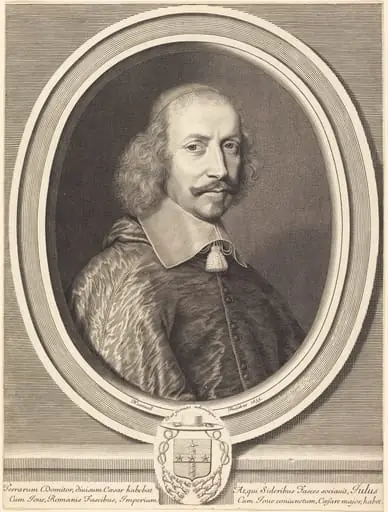
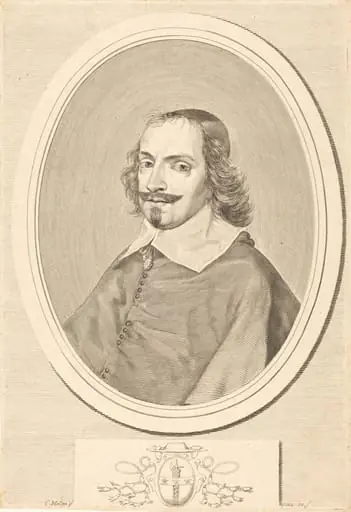
This black-and-white engraving, dated around 1658, depicts Daniel Schnabel, a German artist and engraver. Created by Jacob von Sandrart, it is a portrait rendered in fine linear detail, confined within a circular frame against a plain background. The work exemplifies the precision and tonal control characteristic of mid-17th-century printmaking in Northern Europe.
Subject & Meaning
Daniel Schnabel is portrayed with long hair and a full beard, dressed in a dark garment adorned with a lace collar and a draped sash. These elements suggest his status as a professional artisan, likely a member of the artistic elite. The direct gaze and formal attire convey dignity and professional identity, typical of portrait engravings intended to honor skilled practitioners of the time.
Technique & Style
Sandrart employed meticulous cross-hatching to model form and texture, particularly in the face and fabric folds.
Sandrart employed meticulous cross-hatching to model form and texture, particularly in the face and fabric folds. The fine, controlled lines create subtle gradations of light and shadow, lending volume without color. The circular border and solid background focus attention on the subject, reflecting the conventions of engraved portraiture in the Baroque period, where clarity and realism were prioritized over ornamentation.
History & Provenance
The engraving was produced during Sandrart’s tenure as a leading printmaker and art historian in Nuremberg. It likely served as part of a broader effort to document contemporary artists, a practice he pursued in his published biographical compendium. The work’s survival suggests it was circulated among artistic circles, preserving the image of Schnabel for later generations.
Context
In mid-17th-century Germany, engraved portraits of artists were common within academic and guild networks. Sandrart’s work aligned with a growing interest in documenting the lives and likenesses of practitioners, reinforcing professional identity through visual representation. This engraving reflects the intersection of art, documentation, and the emerging historiography of art in the Baroque era.
Legacy
As one of many portraits Sandrart produced to chronicle his contemporaries, this engraving contributes to a historical record of German artists during a period of artistic consolidation. Though Schnabel himself is less widely known today, the engraving remains a tangible artifact of the professional networks and visual culture that sustained artistic practice in 17th-century Central Europe.
Artist & collection