Artwork
Cardinal Jules Mazarin
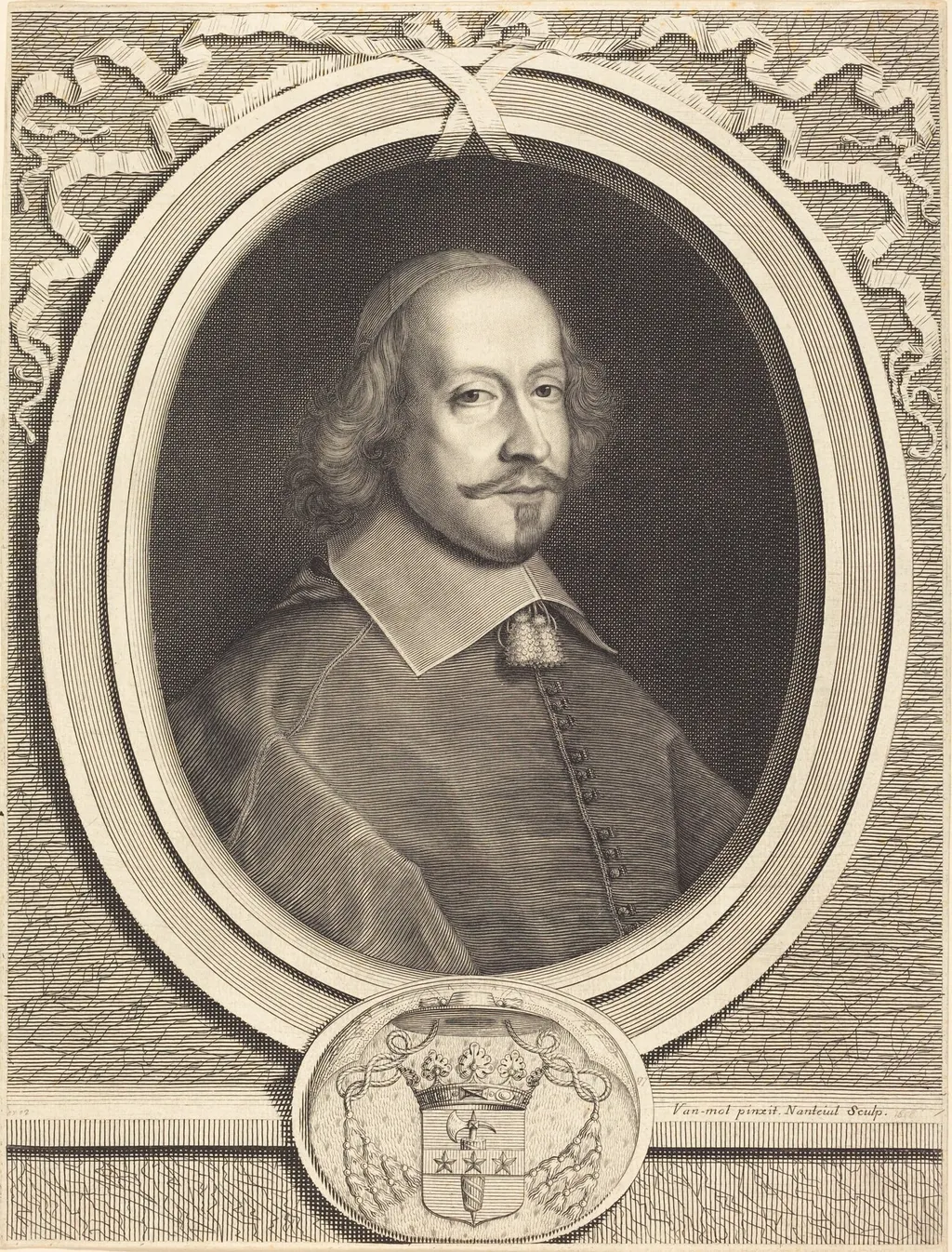
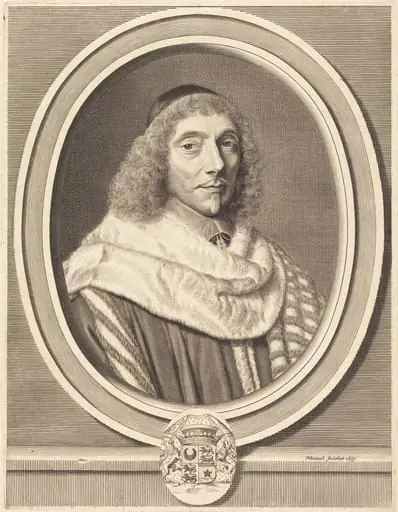
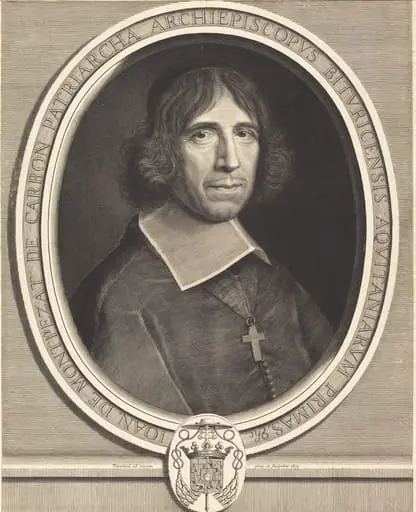
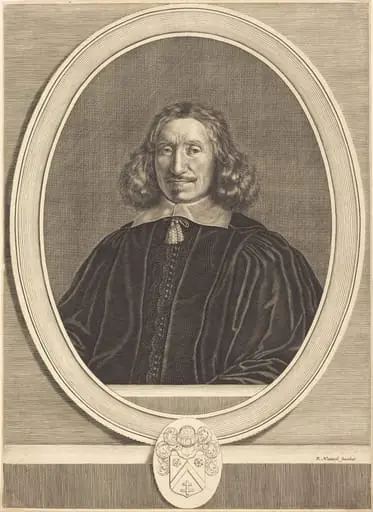
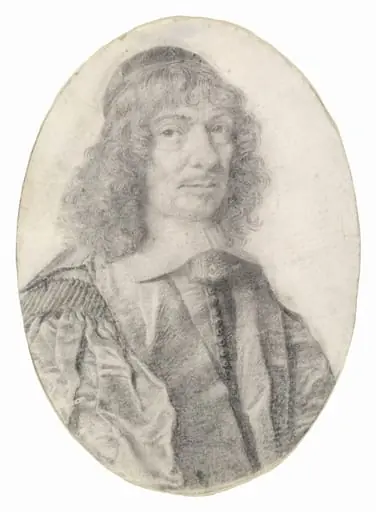
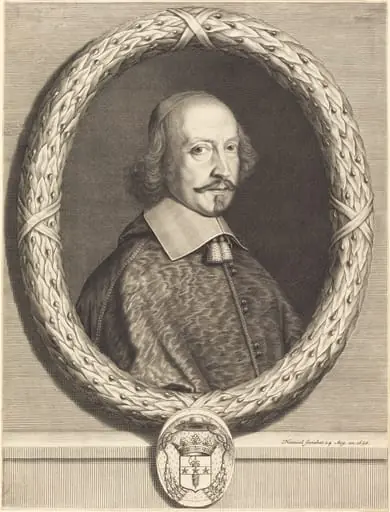
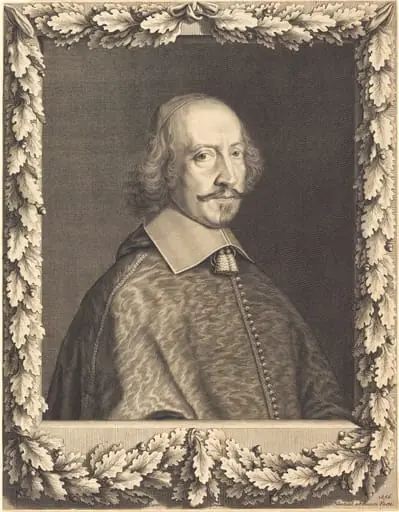
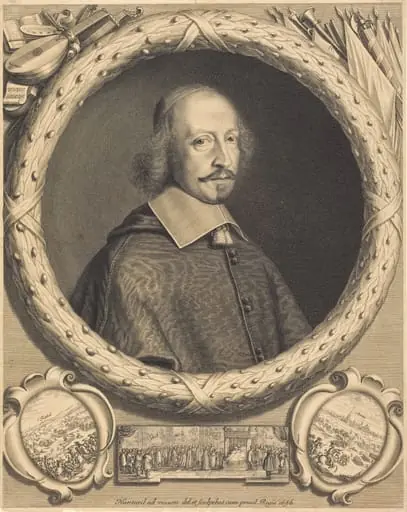
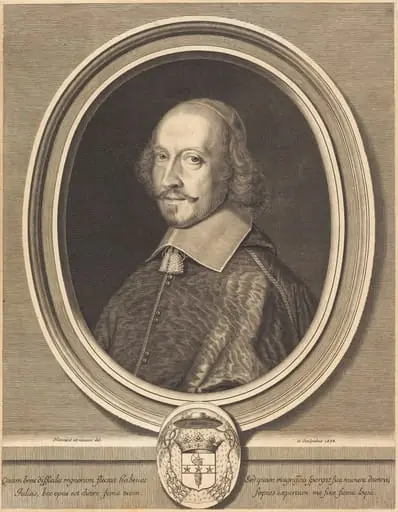
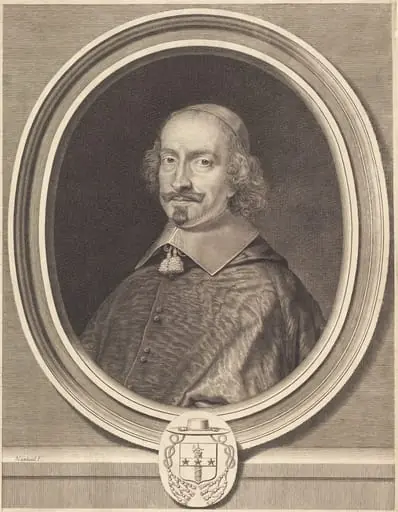
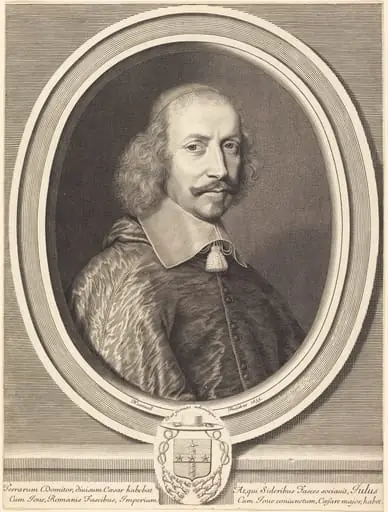
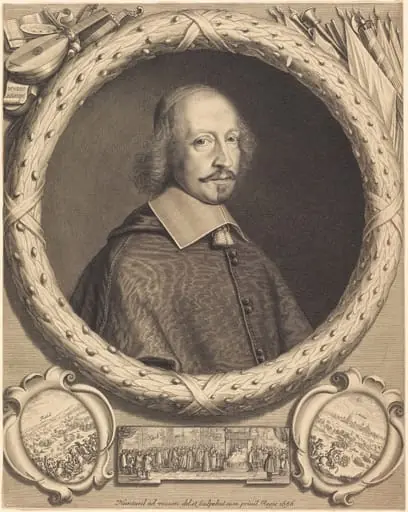
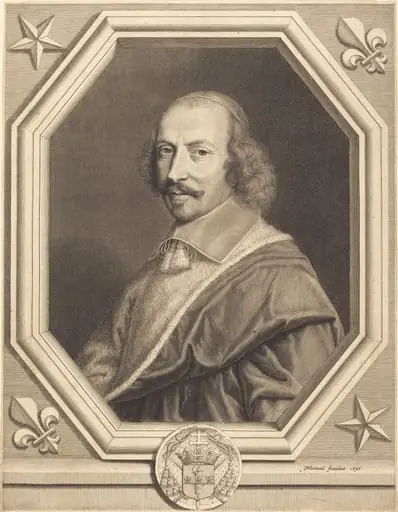
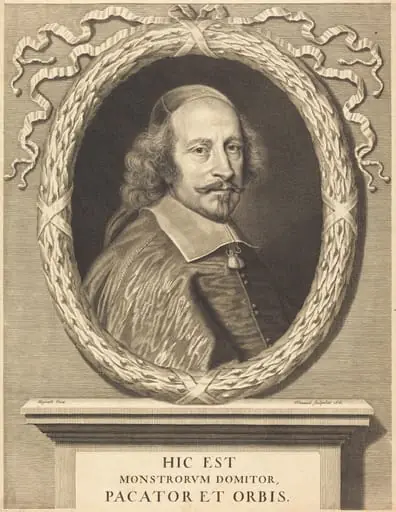
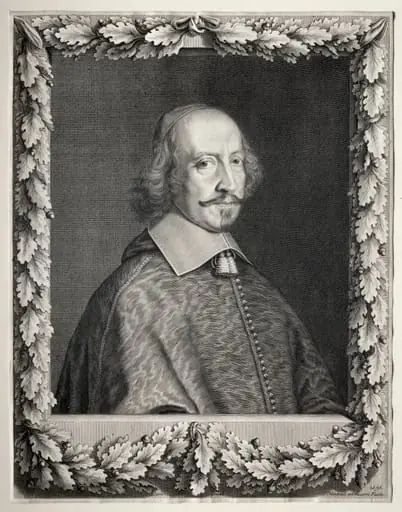
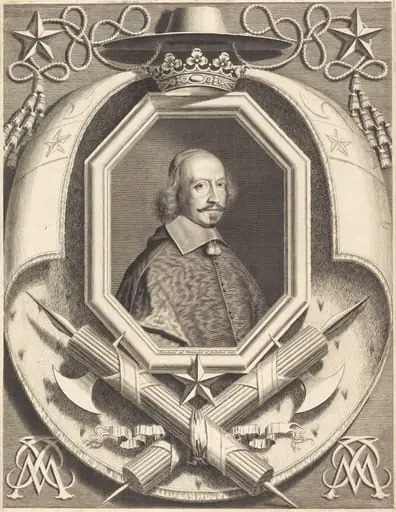
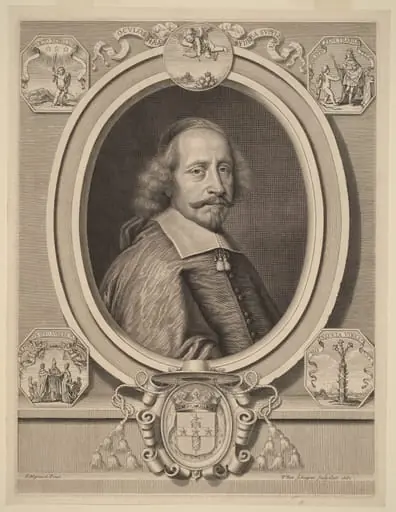
Cardinal Jules Mazarin is an ink print by the Baroque artist Robert Nanteuil. It dates from 1657 and is held in the collection of the National Gallery of Art.
About this work
Overview
Robert Nanteuil’s 1657 engraving depicts Cardinal Jules Mazarin, chief minister to Louis XIV of France. Executed during Nanteuil’s tenure as court artist, the work exemplifies the precision and restraint favored in French royal portraiture of the era. The image is rendered in fine line work on paper, emphasizing the sitter’s authority through controlled composition and subtle tonal gradations.
Subject & Meaning
Mazarin, an Italian-born cardinal and de facto ruler of France, is portrayed with solemn composure. His direct gaze and furrowed brow convey vigilance and intellectual gravity. The absence of overt symbols of power—such as insignia or books—focuses attention on his presence and demeanor, reflecting the cultivated image of a statesman whose influence stemmed from discretion rather than spectacle.
Technique & Style
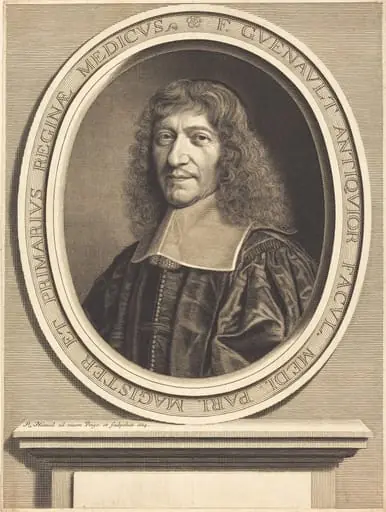
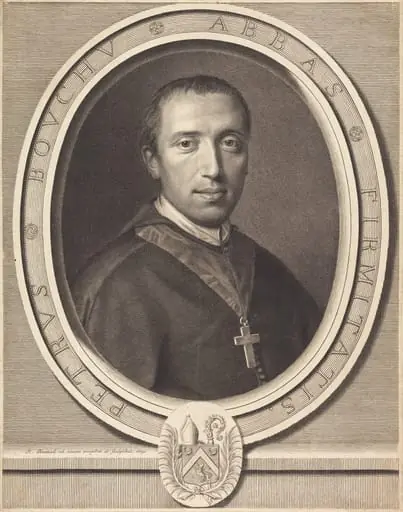
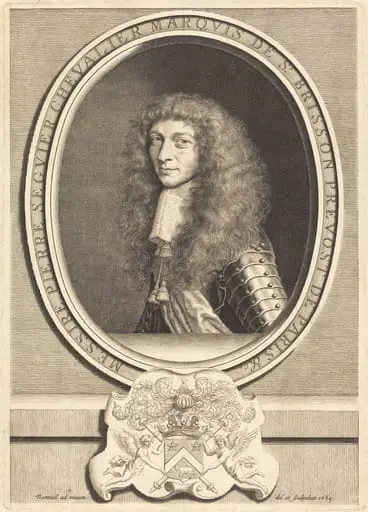
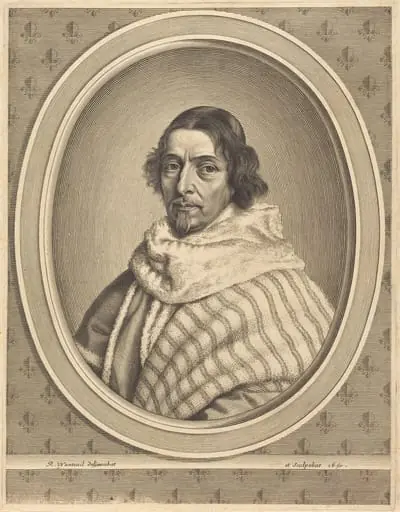
Nanteuil employed meticulous cross-hatching to model the cardinal’s face, capturing the texture of skin, hair, and fabric with delicate precision.
Nanteuil employed meticulous cross-hatching to model the cardinal’s face, capturing the texture of skin, hair, and fabric with delicate precision. The oval frame directs the viewer’s focus to the head and shoulders, a common convention in formal portraiture. The dark background enhances the three-dimensionality of the figure, while the stark contrast between light and shadow aligns with Baroque sensibilities without theatrical excess.
History & Provenance
Created during Mazarin’s final years as chief minister, the engraving was likely commissioned to reinforce his public image among the French elite. Nanteuil, appointed royal engraver in 1648, produced multiple portraits of court figures; this one was widely circulated in print form, serving both as a political statement and a record of status within the Bourbon court.
Context
In mid-17th-century France, portraiture functioned as a tool of political representation. Under Louis XIV’s reign, imagery emphasized order, dignity, and control. Nanteuil’s restrained style contrasted with the flamboyance of Italian Baroque, reflecting France’s emerging aesthetic preference for clarity and understated authority over dramatic intensity.
Legacy
Nanteuil’s engraving of Mazarin became a standard for French portraiture in the late Baroque period. His technical mastery influenced generations of printmakers, and the image helped solidify the visual identity of French statecraft. Though Mazarin’s legacy was contested, Nanteuil’s portrayal endured as a benchmark for dignified representation in engraved portraiture.
Artist & collection
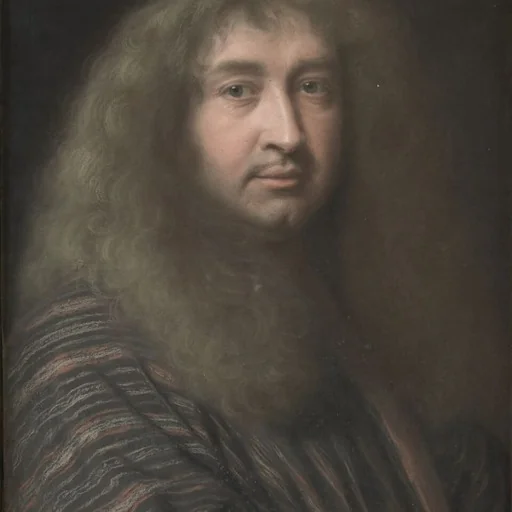
Artist
Robert Nanteuil (French pronunciation: ; 1623 – 9 December 1678) was a French portrait artist: engraver, draughtsman and pastellist to the court of Louis XIV.