Artwork
Mary Magdalene predella

Mary Magdalene predella is an unspecified painting by the Early Renaissance artist Sandro Botticelli. It dates from 1425 and is held in the collection of the Philadelphia Museum of Art.
About this work
Overview
This small-scale religious panel, attributed to Sandro Botticelli, dates to around 1475—not 1425—and forms part of a larger altarpiece known as a predella.
This small-scale religious panel, attributed to Sandro Botticelli, dates to around 1475—not 1425—and forms part of a larger altarpiece known as a predella. It is currently held in the collection of the Philadelphia Museum of Art. The work is composed of three horizontal panels, each depicting a distinct moment related to the life of Mary Magdalene, arranged to be viewed sequentially as a narrative sequence.
Subject & Meaning
The left panel shows disciples gathered in a domestic interior, likely representing the moment Mary Magdalene announces Christ’s resurrection. The center panel portrays a meal, possibly the Last Supper or a post-resurrection gathering. The right panel depicts Mary Magdalene kneeling in prayer before Christ’s empty tomb, symbolizing her role as the first witness to the Resurrection. Together, the panels emphasize her spiritual transformation and witness.
Technique & Style
Botticelli employs linear perspective and delicate modeling to suggest spatial depth within the confined format. Figures are rendered with slender, graceful proportions and expressive gestures, characteristic of his early style. Subtle gradations of tone, rather than dramatic chiaroscuro, define form and volume, while the restrained palette of earth tones and muted blues enhances the devotional quietude of the scene.
History & Provenance
The predella panel was originally part of a multi-panel altarpiece commissioned for a Florentine church, likely in the 1470s. It was separated from its main panel over time and entered the Philadelphia Museum of Art’s collection in the early 20th century. Its attribution to Botticelli has been consistently supported by stylistic analysis and documentary evidence from Renaissance workshop practices.
Context
In late 15th-century Florence, devotional predellas were common components of altarpieces, designed to illustrate key biblical narratives for congregational meditation. Mary Magdalene’s prominence in such scenes reflected her growing role in personal piety, especially among lay devotees. Botticelli’s treatment aligns with humanist trends, emphasizing emotional nuance over theatricality.
Legacy
Though less known than Botticelli’s mythological works, this predella panel exemplifies his early mastery of narrative clarity and spiritual intimacy. It influenced later Florentine painters in their approach to small-scale religious storytelling. Today, it remains a key example of how devotional imagery was tailored to private contemplation within public worship settings.
Artist & collection

Artist
Sandro Botticelli was a Florentine painter who loved the drama of stories—myths, saints, and ancient tales.

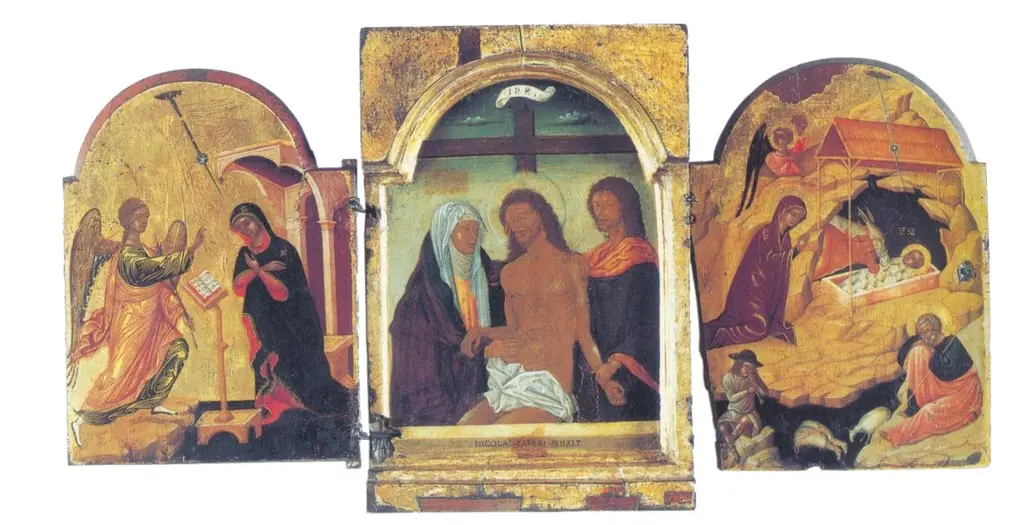 Triptych Pieta (Tzafouris)
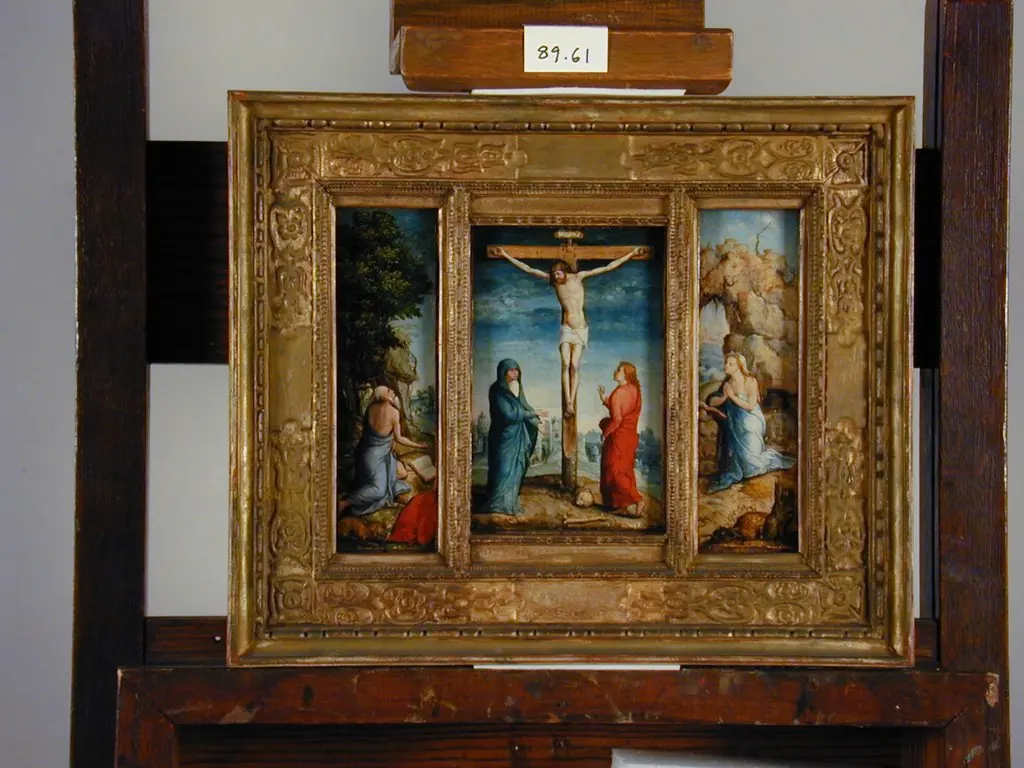 Crucifixion, St. Jerome, St. Mary Magdalene
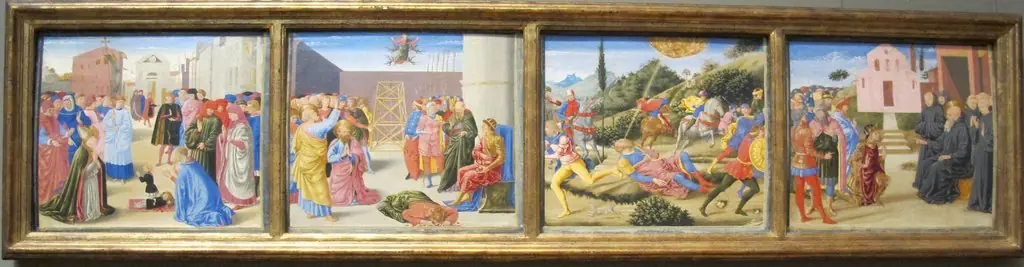 Predella with scenes from the Life of the Saint
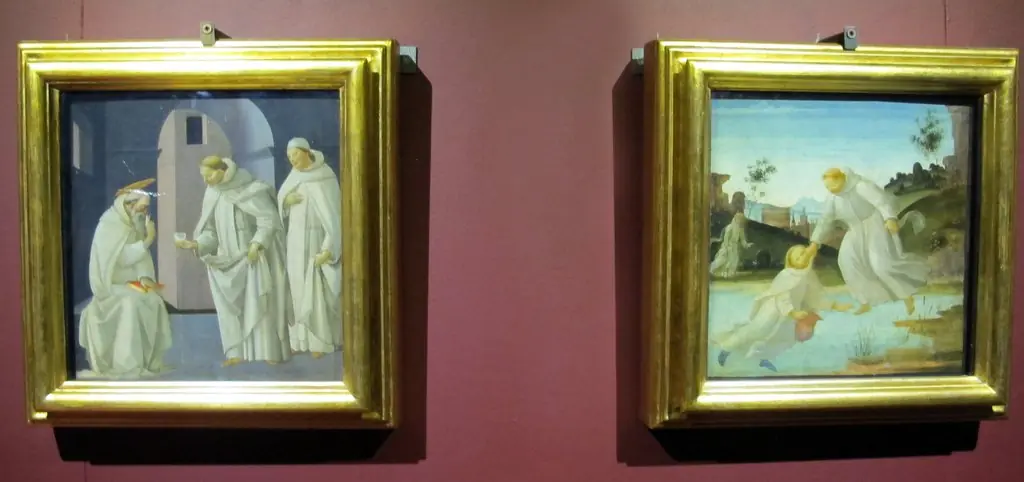 Stories of Saint Benedict
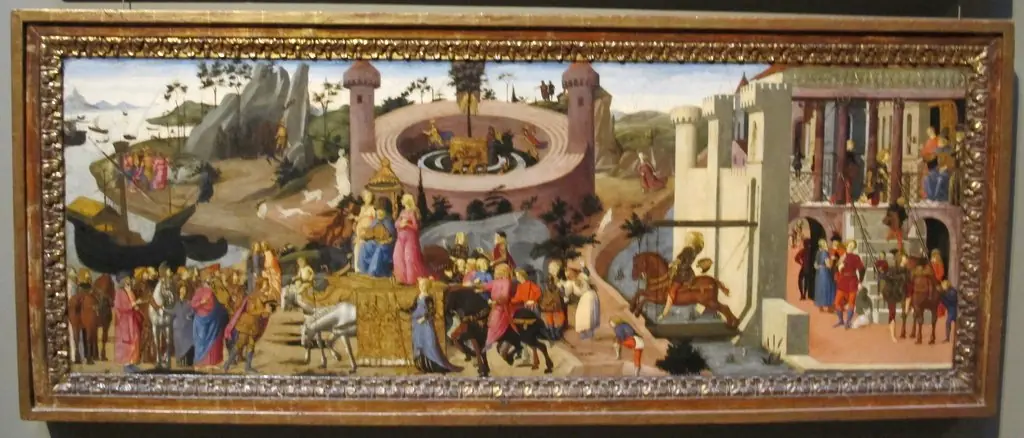 scene con storie degli argonauti
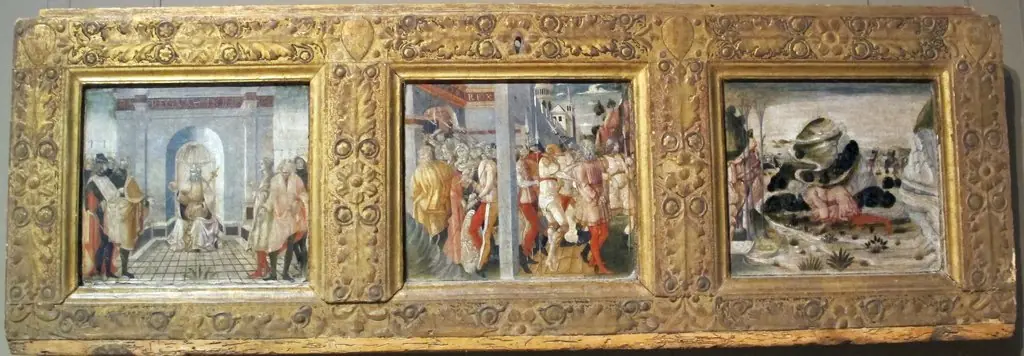 Scenes from the Life of King Nebuchadnezzar
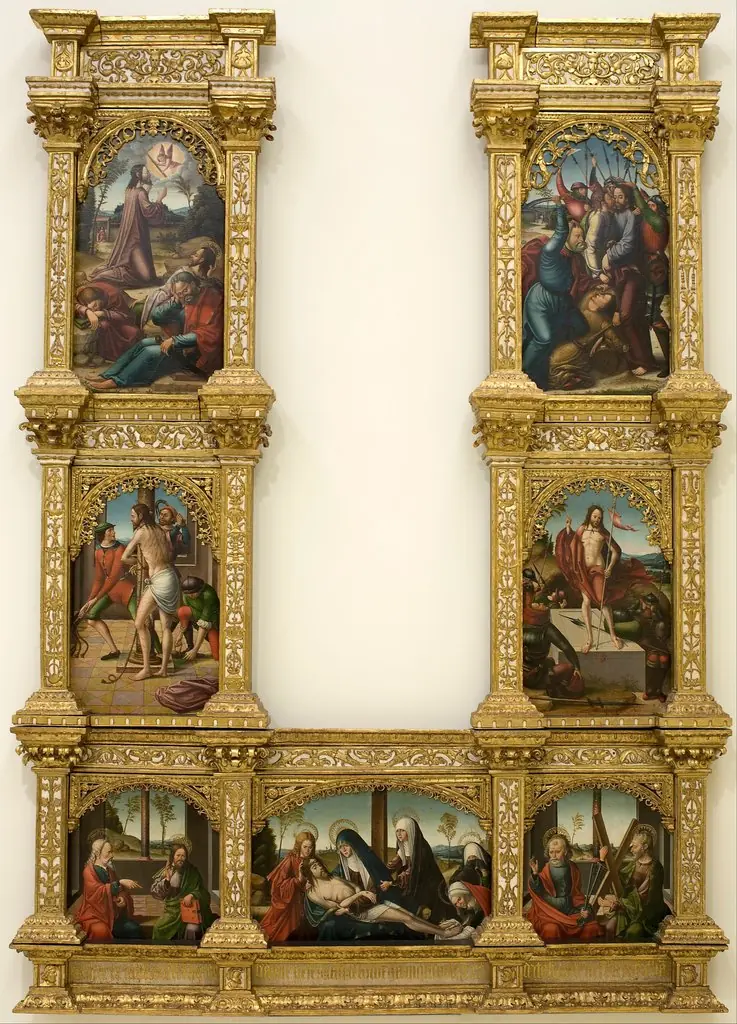 Altarpiece of the Passion of Christ
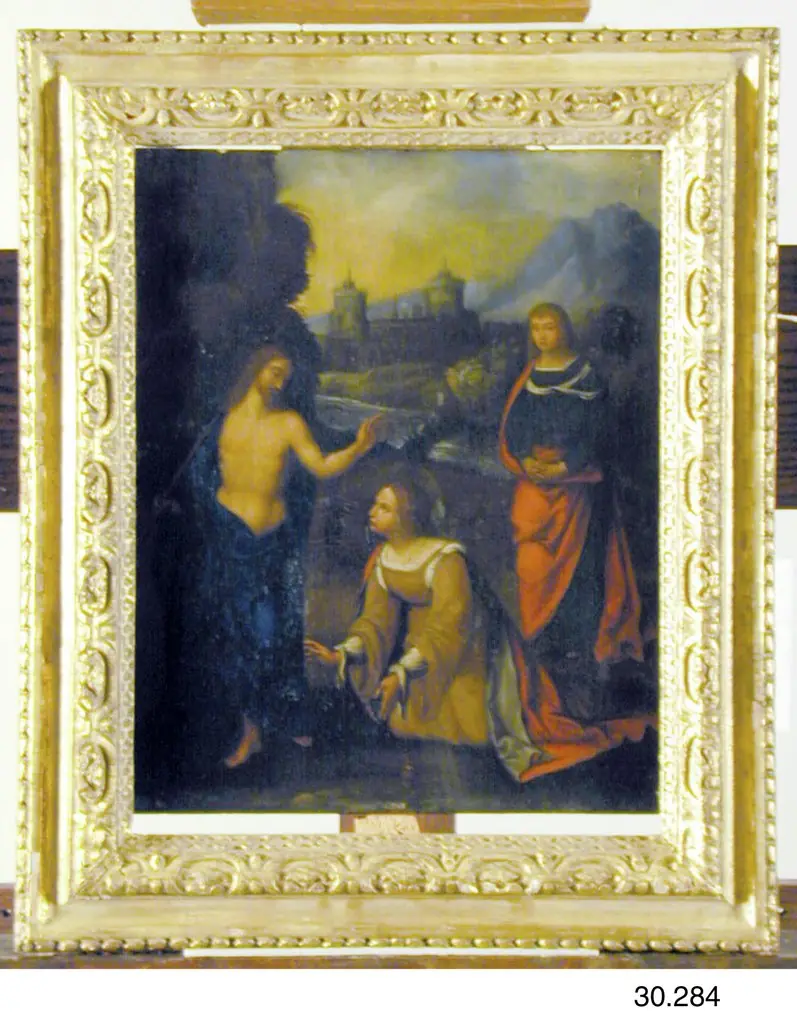 Noli Me Tangere
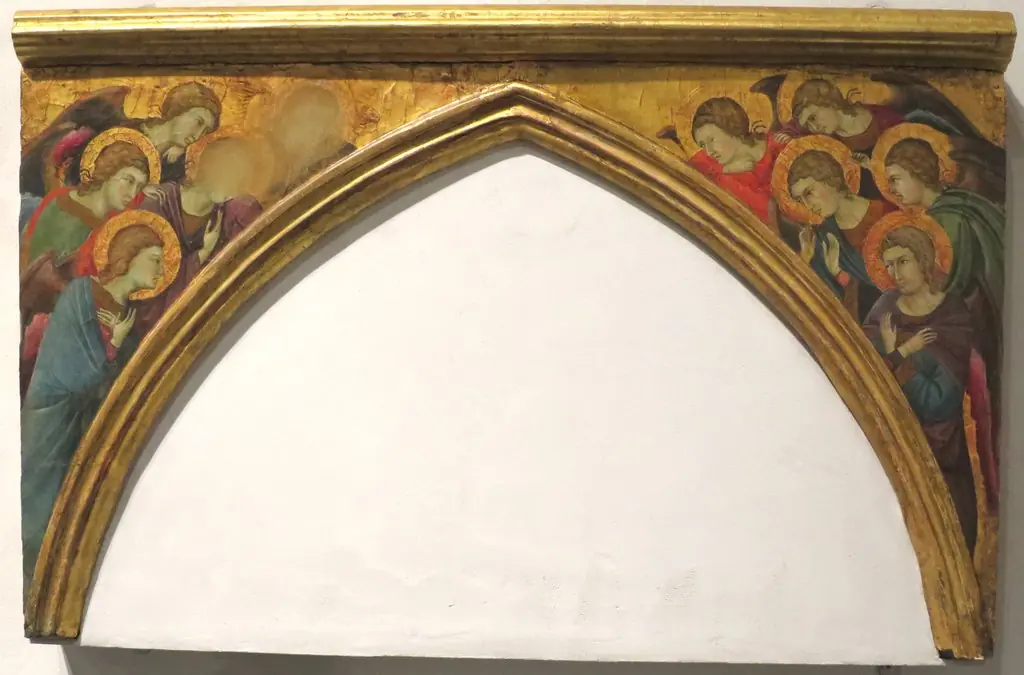 Worshipping Angels
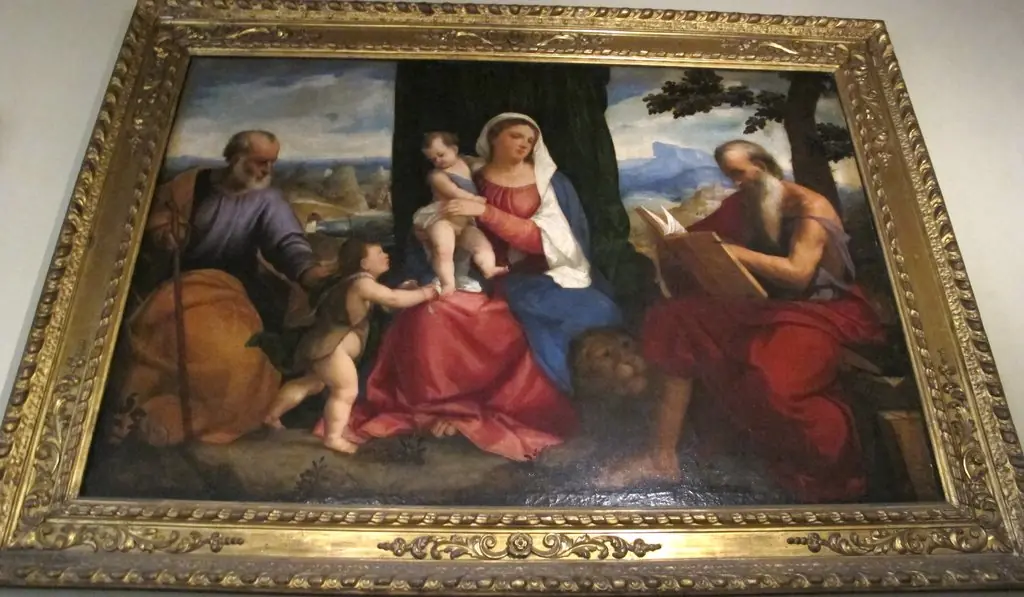 The Holy Family and Infant St. John and St. Jerome
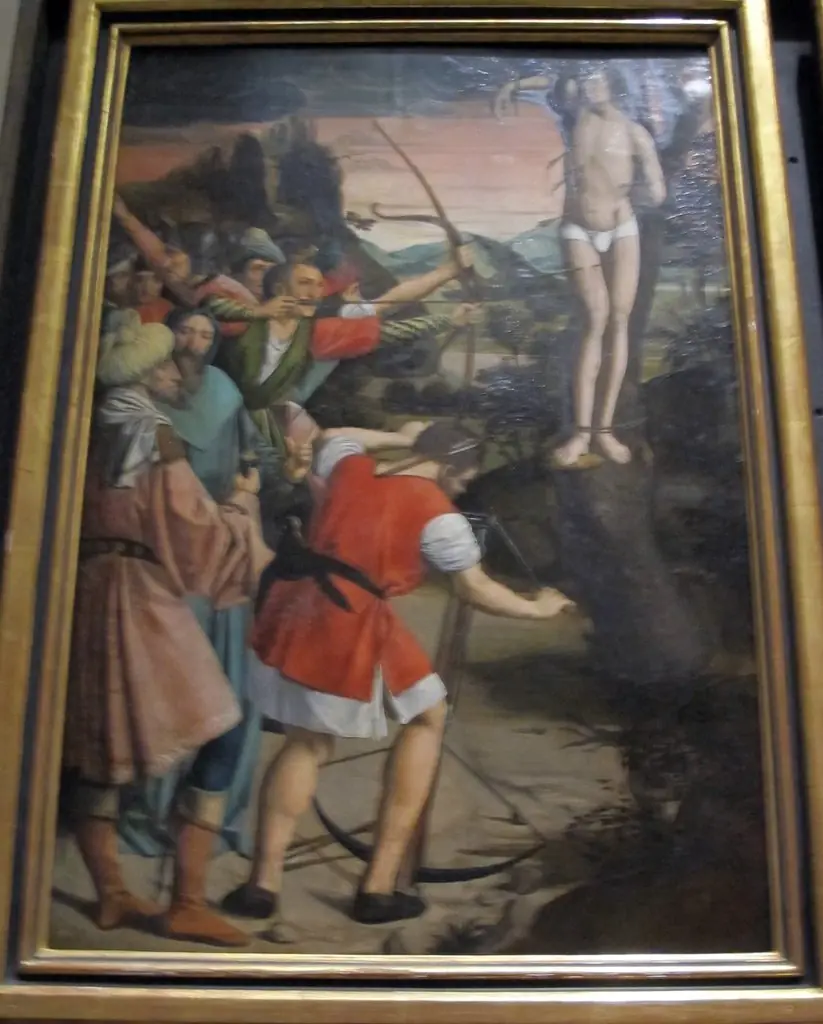 Saint Sebastian Pierced with Arrows
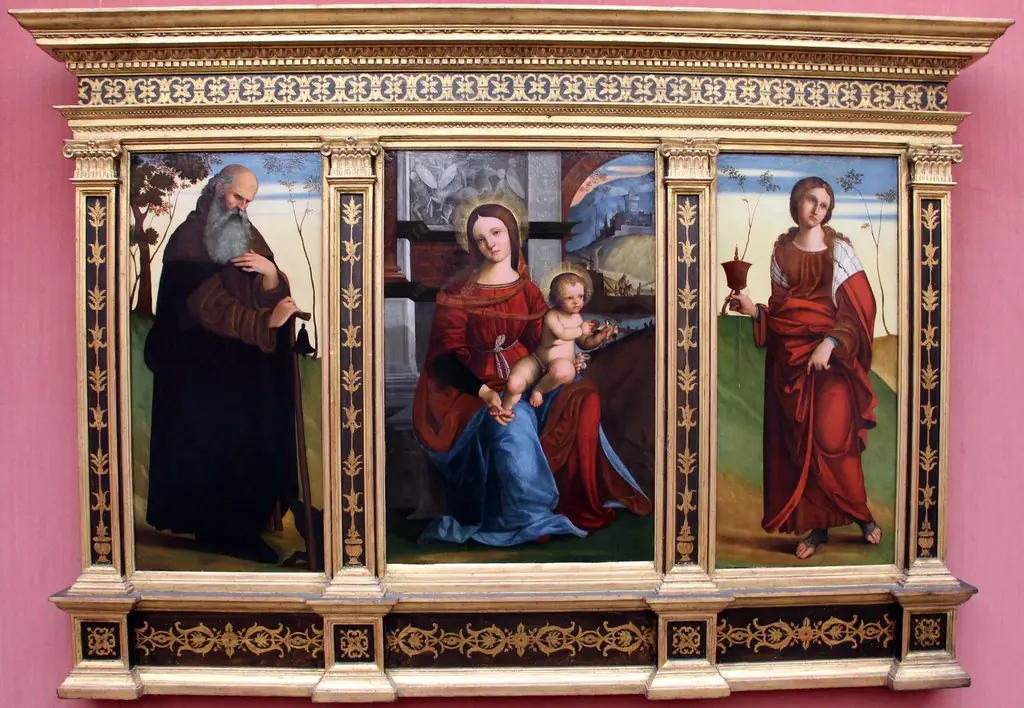 Triptychon, Maria mit Kind, Antonius Eremita, Maria Magdalena